Sample Speaking Engagement With Meaning In San Jose
Description
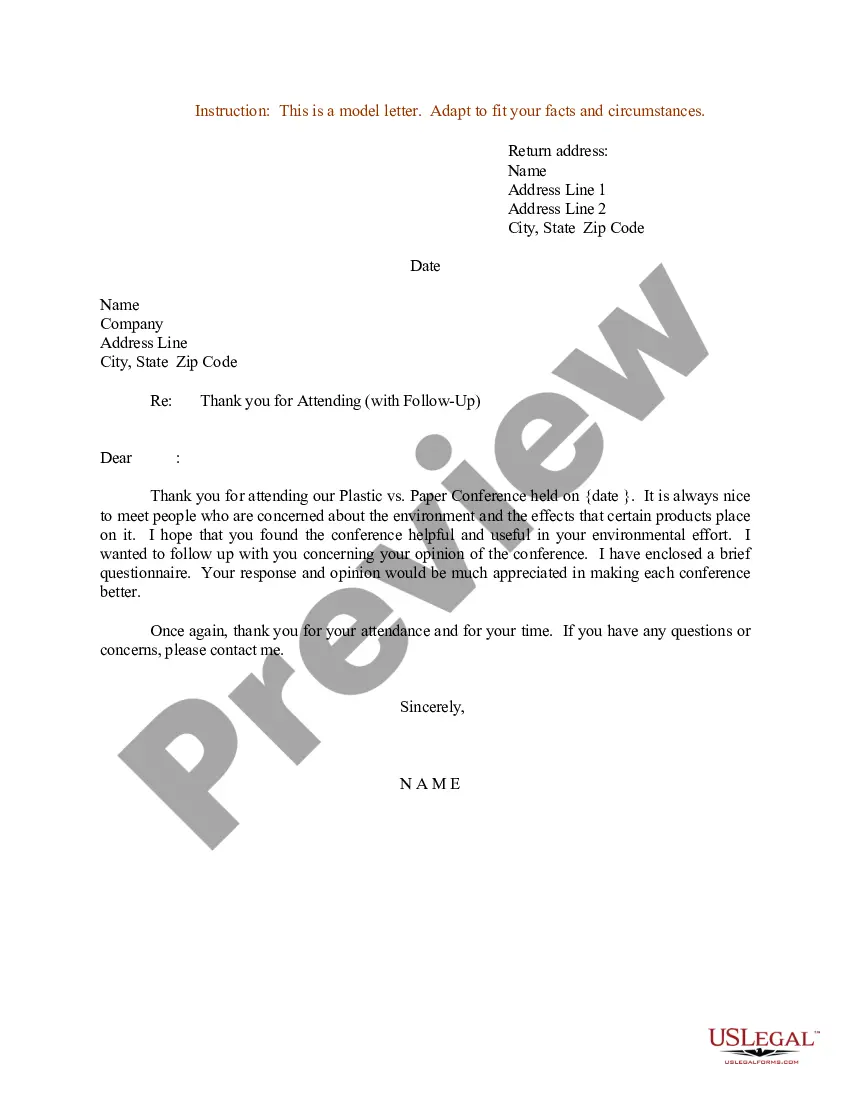
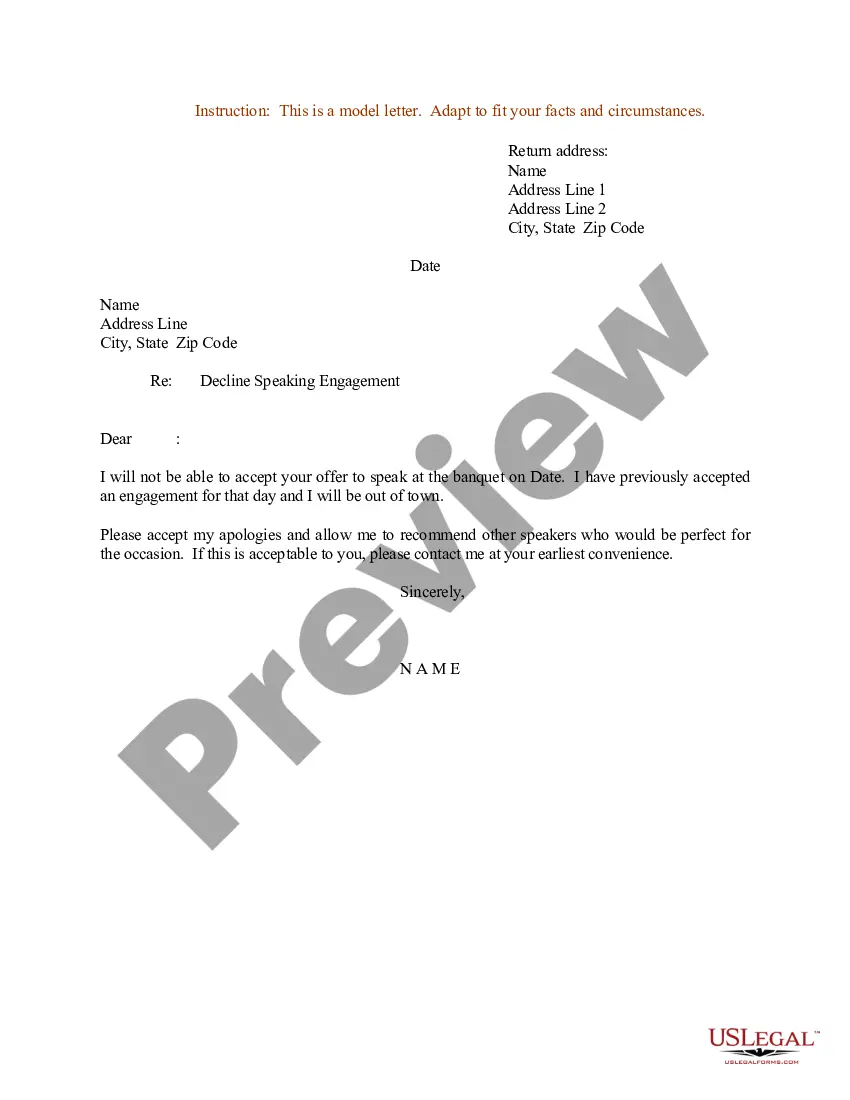
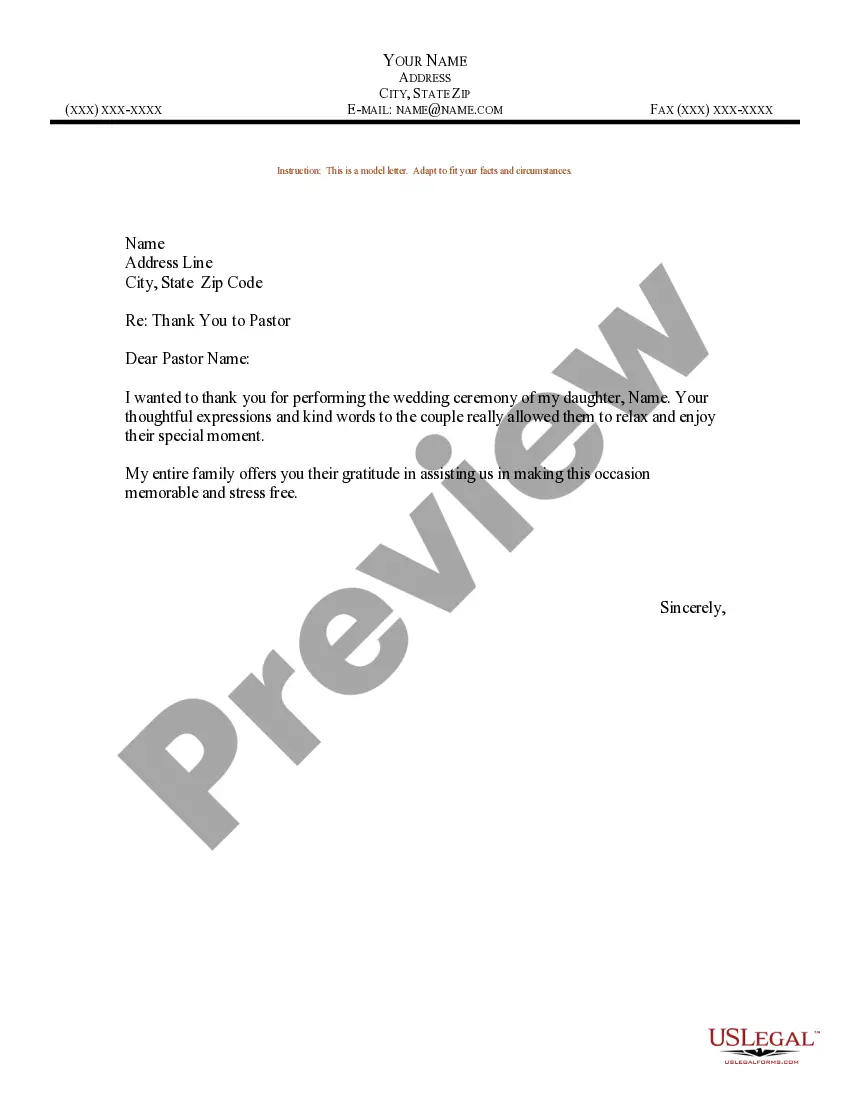
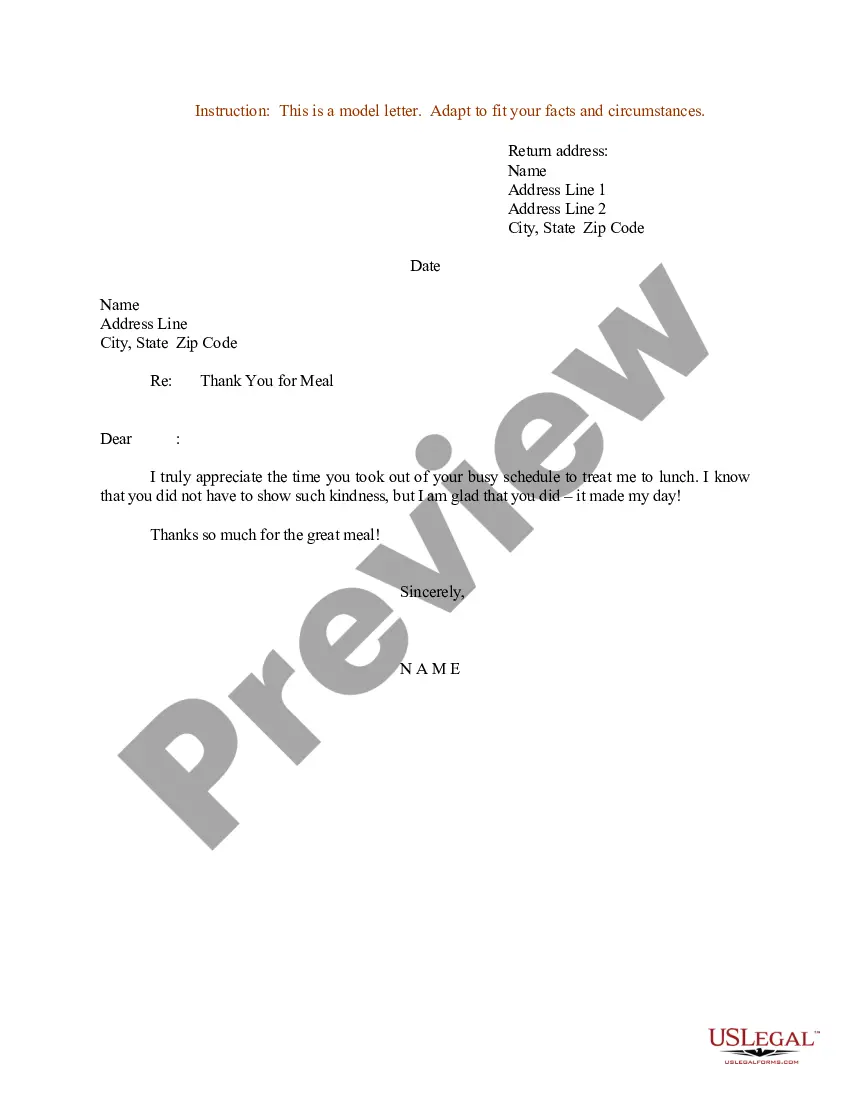
Get your form ready online
Our built-in tools help you complete, sign, share, and store your documents in one place.
Make edits, fill in missing information, and update formatting in US Legal Forms—just like you would in MS Word.
Download a copy, print it, send it by email, or mail it via USPS—whatever works best for your next step.
Sign and collect signatures with our SignNow integration. Send to multiple recipients, set reminders, and more. Go Premium to unlock E-Sign.
If this form requires notarization, complete it online through a secure video call—no need to meet a notary in person or wait for an appointment.
We protect your documents and personal data by following strict security and privacy standards.

Make edits, fill in missing information, and update formatting in US Legal Forms—just like you would in MS Word.

Download a copy, print it, send it by email, or mail it via USPS—whatever works best for your next step.

Sign and collect signatures with our SignNow integration. Send to multiple recipients, set reminders, and more. Go Premium to unlock E-Sign.

If this form requires notarization, complete it online through a secure video call—no need to meet a notary in person or wait for an appointment.

We protect your documents and personal data by following strict security and privacy standards.
Looking for another form?







Form popularity
FAQ
Preparing great speeches: A 10-step approach Know your audience. Know the occasion. Select a topic. Select a purpose. Gather potential content. Gather more content than actually used. Organize content. Phrase the speech.
How to Write a Speech in 5 Steps Make an Outline. Write Your First Draft. Edit for an Effective Speech. Read Your Speech out Loud. Practice in Front of a Mirror.
Giving a speech: seven perfect speech introductions He who asks, leads – starting with a question. Start your speech with a quote. Inspire your audience with storytelling. Start with an open loop. Enchant the audience with parables. Facts, figures and statistics as an introduction for the speech. Looking back.
How to write a speech Choose an important topic. The first step in writing a speech is deciding what it may be about. Consider your audience. Prepare a structure. Begin with a strong point. Use concrete details and visual aids. Include a personal element. Consider rhetorical devices. End memorably.
Preparing great speeches: A 10-step approach Know your audience. Know the occasion. Select a topic. Select a purpose. Gather potential content. Gather more content than actually used. Organize content. Phrase the speech.
The 7 steps to efficiently prepare a speech Identify your purpose. Why are you speaking? Know your audience. What are their aspirations, pains, …? Add significance. Why should the audience care? Define your clear message. Establish your structure. Prepare a strong opening and a strong ending. Rehearse.
The 7 steps to efficiently prepare a speech Identify your purpose. Why are you speaking? Know your audience. What are their aspirations, pains, …? Add significance. Why should the audience care? Define your clear message. Establish your structure. Prepare a strong opening and a strong ending. Rehearse.
Follow these five steps to make sure you give an informative and effective speech every time. Step 1: Research and Preparation. Step 2: Writing Your Speech. Step 3: Practicing. Step 4: Putting Together Visual Aids. Step 5: Handling the Q&A.
Write a letter instead. Make your written request concise and clear. Specify the date first (it may be impossible, whatever comes next). Then describe the audience, purpose, topic, and what a tremendous difference you hope that speech will make in the world.
Tips for a Good Speaker Engagement Proposal Understand the Audience and Theme. Make an Impact on the First Page. Clear and Engaging Title. Define Learning Objectives. Detailed Session Description. Highlight Relevance and Timeliness. Demonstrate Expertise. Keep your Contract and Proposal Separate.

