Sample Invoice For Speaking Engagement In Pennsylvania
Description
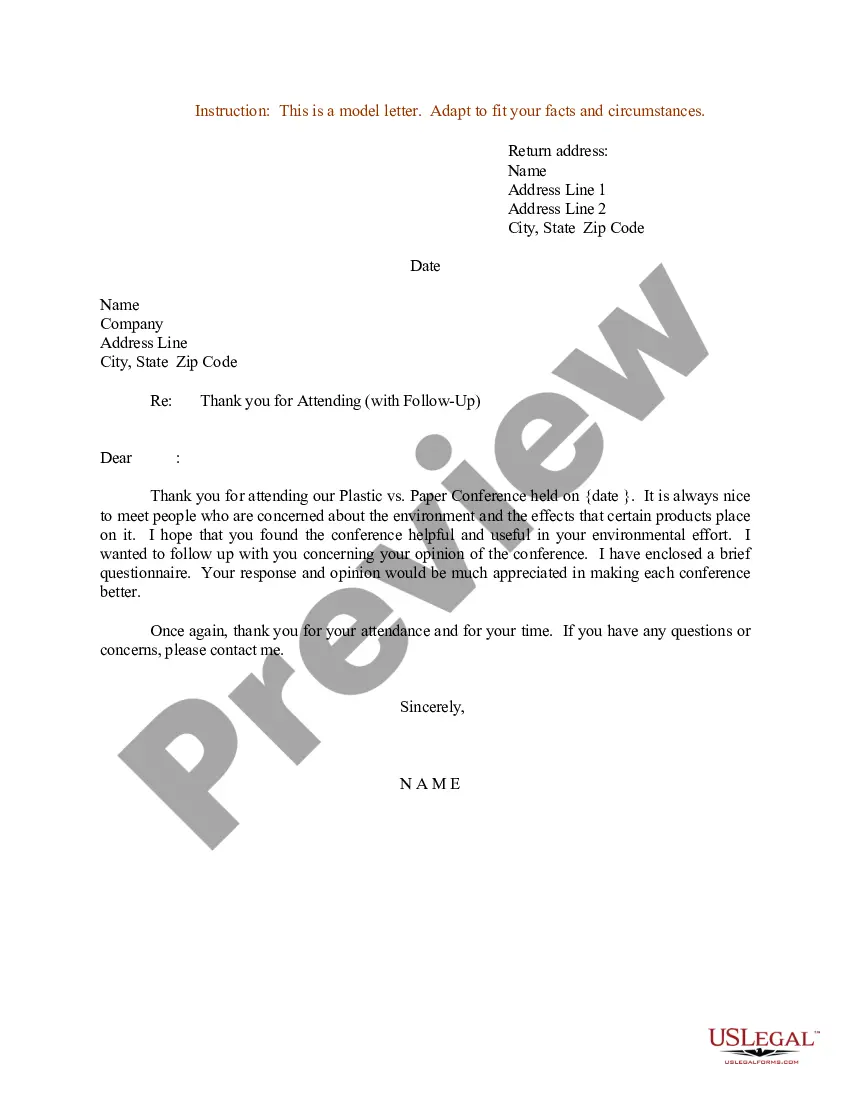
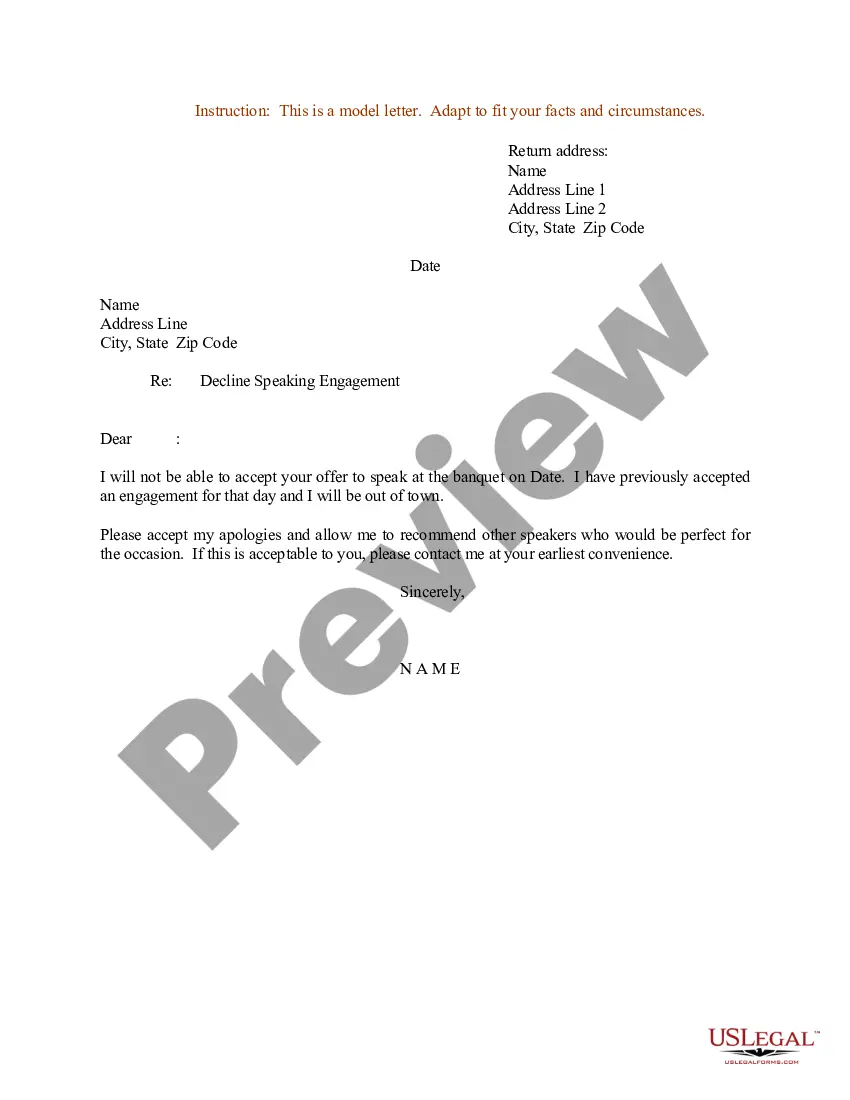
Get your form ready online
Our built-in tools help you complete, sign, share, and store your documents in one place.
Make edits, fill in missing information, and update formatting in US Legal Forms—just like you would in MS Word.
Download a copy, print it, send it by email, or mail it via USPS—whatever works best for your next step.
Sign and collect signatures with our SignNow integration. Send to multiple recipients, set reminders, and more. Go Premium to unlock E-Sign.
If this form requires notarization, complete it online through a secure video call—no need to meet a notary in person or wait for an appointment.
We protect your documents and personal data by following strict security and privacy standards.

Make edits, fill in missing information, and update formatting in US Legal Forms—just like you would in MS Word.

Download a copy, print it, send it by email, or mail it via USPS—whatever works best for your next step.

Sign and collect signatures with our SignNow integration. Send to multiple recipients, set reminders, and more. Go Premium to unlock E-Sign.

If this form requires notarization, complete it online through a secure video call—no need to meet a notary in person or wait for an appointment.

We protect your documents and personal data by following strict security and privacy standards.
Looking for another form?





Form popularity
FAQ
Set up formatting. The first step in making any invoice is to set up how it will look. Add your business information. Enter your client's information. Add an invoice number and date. Specify a payment due date. List products and services provided (line items) ... Calculate the total amount due. Outline your terms and conditions.
Your invoice template should include the following: An invoice number. Your customer information, including name and address. Your business name, logo, and address, as well as contact information. The services provided. The payment due date. Any discounts, taxes, or fees. The total amount due. Payment terms and instructions.
Invoices - what they must include a unique identification number. your company name, address and contact information. the company name and address of the customer you're invoicing. a clear description of what you're charging for. the date the goods or service were provided (supply date) the date of the invoice.
Start with the basics: your name, address, and contact details, followed by the client's information. Then, describe the services rendered, including dates, venue, and other relevant details. Specify the total amount due, including taxes if applicable, and the due date for payment.
To create a personal assistant invoice template, include your name, contact information, and the client's details. List the tasks performed, the hours worked, and the hourly rate. Include an invoice number, date, subtotal, taxes, and the total amount due. Add payment terms and methods.
If you want to learn how to write an invoice, consider the following steps: Number your invoice. Decide on a format. Add the company's logo. Enter the company's information. Determine the payment due date. Write a brief description of the products or services. Calculate payments that are due. Review your invoice.
Yes, you can invoice yourself even if you don't have an official company structure like an LLC or corporation, especially if you're working as a freelancer or self-employed individual.
Set up formatting. The first step in making any invoice is to set up how it will look. Add your business information. Enter your client's information. Add an invoice number and date. Specify a payment due date. List products and services provided (line items) ... Calculate the total amount due. Outline your terms and conditions.
Yes, you can invoice yourself even if you don't have an official company structure like an LLC or corporation, especially if you're working as a freelancer or self-employed individual.
No matter how careful you are when invoicing, mistakes can happen. A customer's address may be typed wrongly, a discount may not have been applied, or the items themselves may be incorrect. Once sent, you can no longer edit the invoice directly, and a credit note must be issued instead.

