Letter Speaking Engagement Without Disclosures In Minnesota
Description
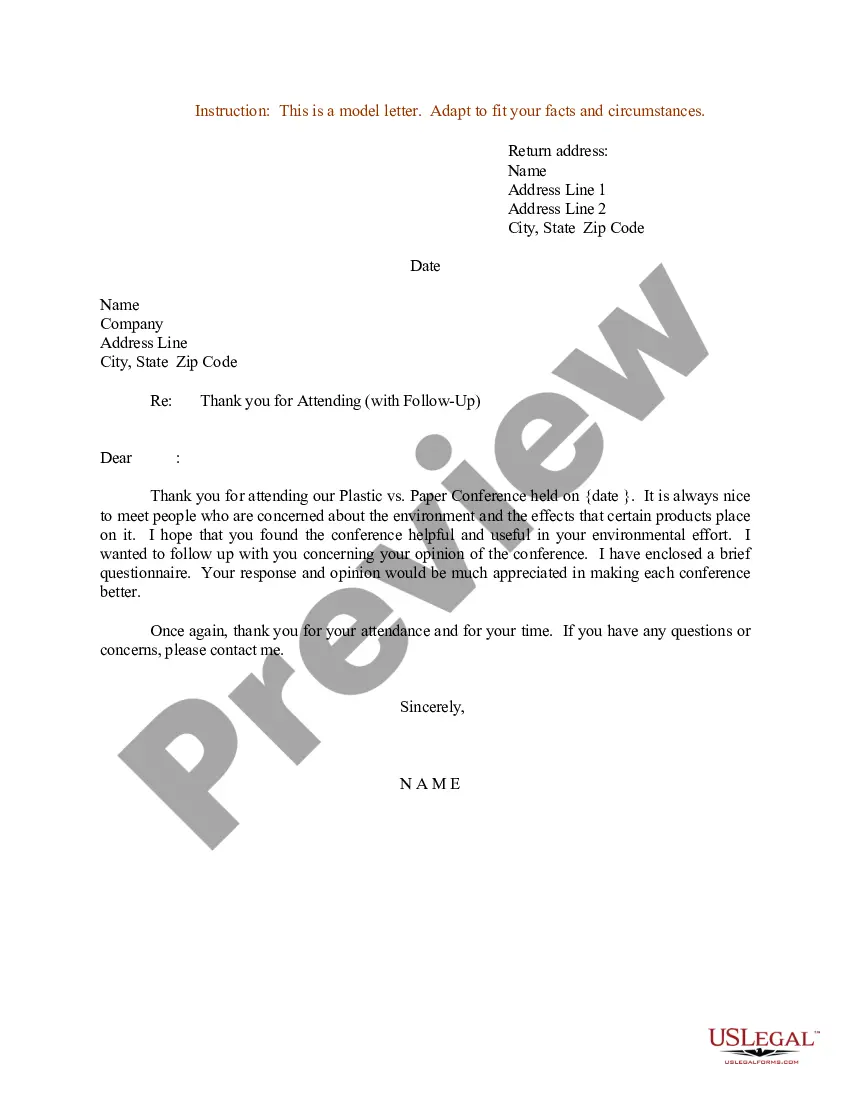
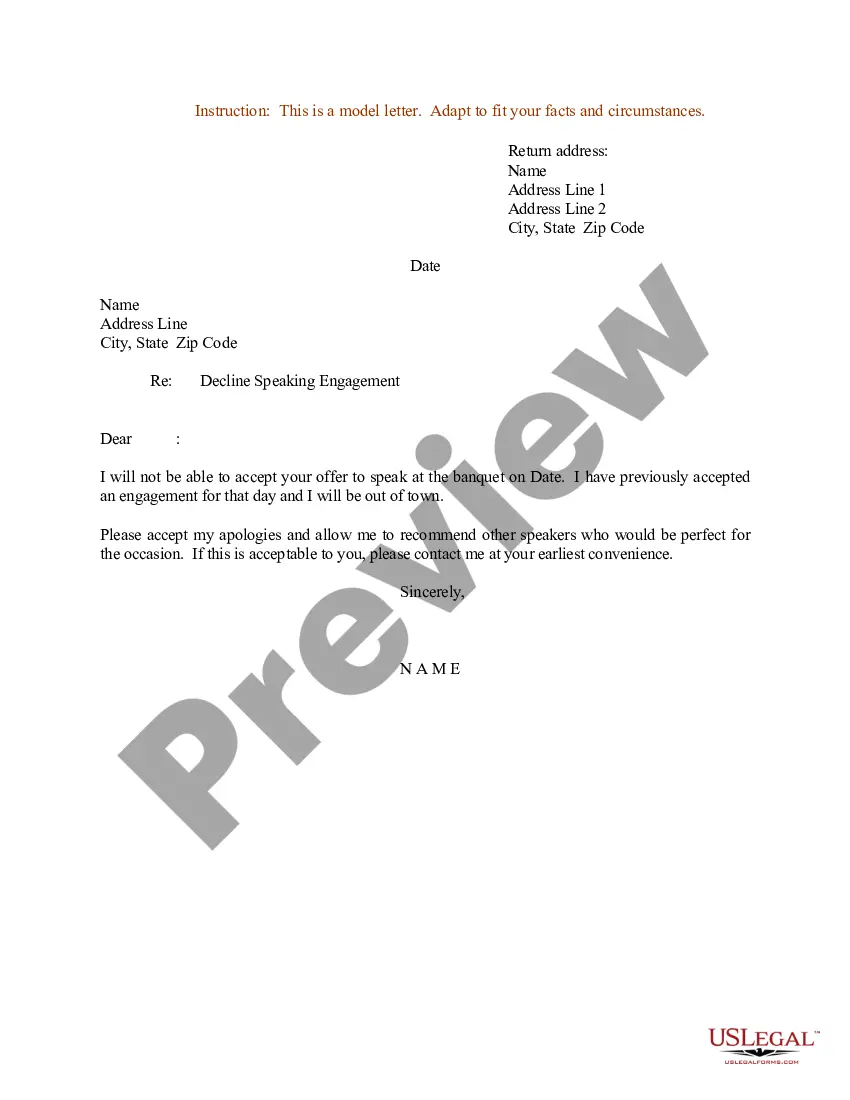
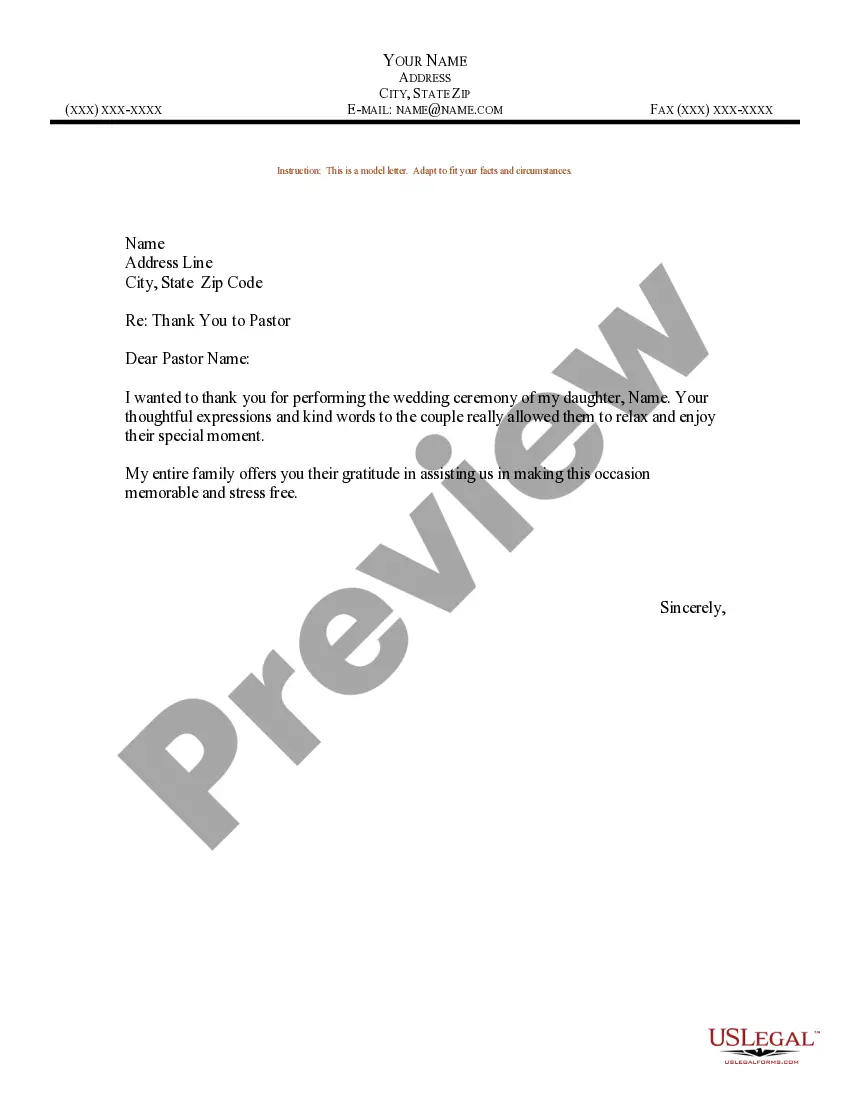
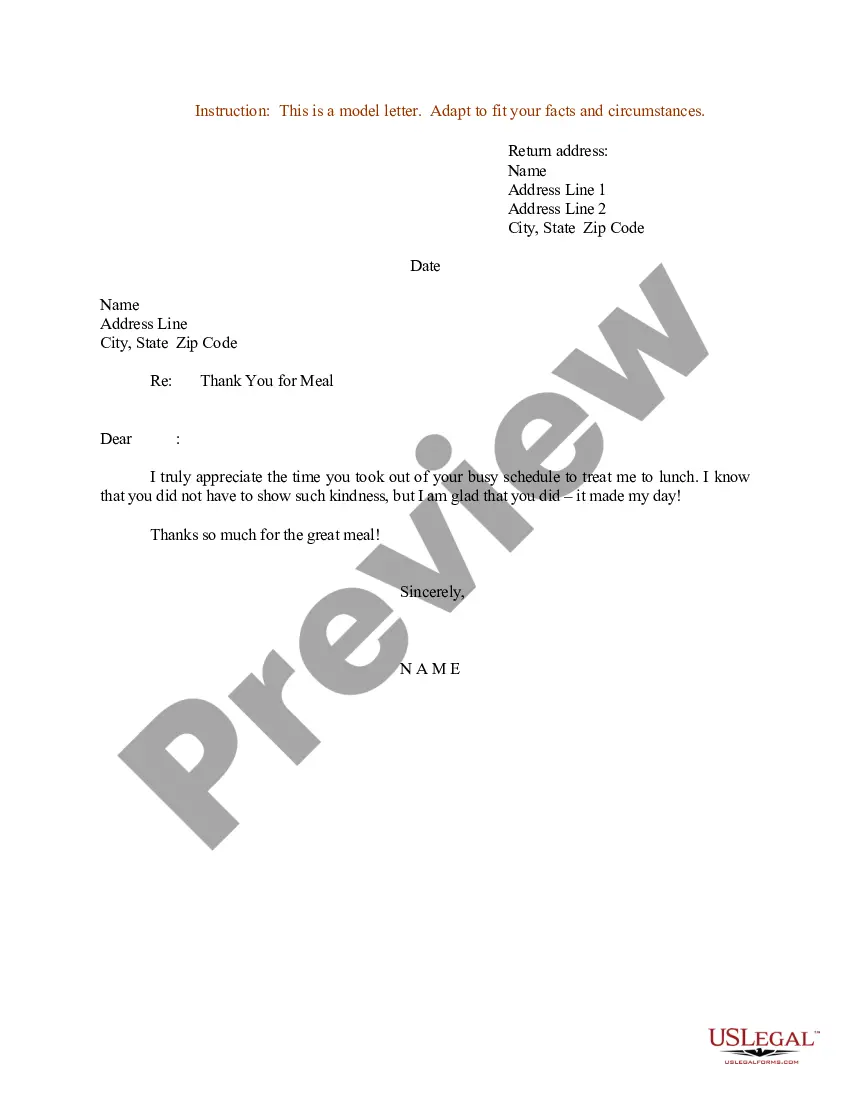
Get your form ready online
Our built-in tools help you complete, sign, share, and store your documents in one place.
Make edits, fill in missing information, and update formatting in US Legal Forms—just like you would in MS Word.
Download a copy, print it, send it by email, or mail it via USPS—whatever works best for your next step.
Sign and collect signatures with our SignNow integration. Send to multiple recipients, set reminders, and more. Go Premium to unlock E-Sign.
If this form requires notarization, complete it online through a secure video call—no need to meet a notary in person or wait for an appointment.
We protect your documents and personal data by following strict security and privacy standards.

Make edits, fill in missing information, and update formatting in US Legal Forms—just like you would in MS Word.

Download a copy, print it, send it by email, or mail it via USPS—whatever works best for your next step.

Sign and collect signatures with our SignNow integration. Send to multiple recipients, set reminders, and more. Go Premium to unlock E-Sign.

If this form requires notarization, complete it online through a secure video call—no need to meet a notary in person or wait for an appointment.

We protect your documents and personal data by following strict security and privacy standards.
Looking for another form?







Form popularity
FAQ
The Minnesota Open Meeting Law requires that meetings of governmental bodies generally be open to the public.
The notice must provide directors with the date, time, and location of the meeting. Although technically, the purpose of the meeting does not have to be provided, it is generally a good idea to include an agenda or similar information so directors know what to expect and why it is important to attend.
The Open Meeting Law (Minnesota Statutes Chapter 13D) requires public bodies to meet in open session unless otherwise permitted and provide meeting notices to the public. This law applies to both state-level public bodies and local public bodies, such as county boards, city councils, and school boards.
Except as provided in subdivision 2, a public notice shall be published in a qualified newspaper, and except as otherwise provided by law, in one that is likely to give notice in the affected area or to whom it is directed.
(1) Subject to subsection (2), at least 21 days notice must be given of a meeting of a company's members. However, if a company has a constitution, it may specify a longer minimum period of notice.
If a case is already started and you are serving a motion, responsive motion, or answer: Generally the other party in your case can be served with motion or answer papers by: Regular first-class U.S. mail; or. Personal service. The person who serves these papers could be: Another adult; The sheriff; or. You.
A proper meeting notice should include: Date, Time, and Venue: Clear details on when and where the meeting will take place. Purpose of the Meeting: A brief description of the meeting's objectives. Agenda: An outline of topics to be discussed; this helps attendees prepare for the meeting.
The posted notice must include the date, time, and place of the special meeting. The notice must also include the purpose of the meeting, so that what can be discussed or decided at the meeting is limited to that purpose.
Sunshine laws are regulations requiring public disclosure of government agency meetings and records. Sunshine laws require specific businesses and government agencies to maintain transparency and disclose their activities to the public.

