Speaking Engagement Examples In Michigan
Description
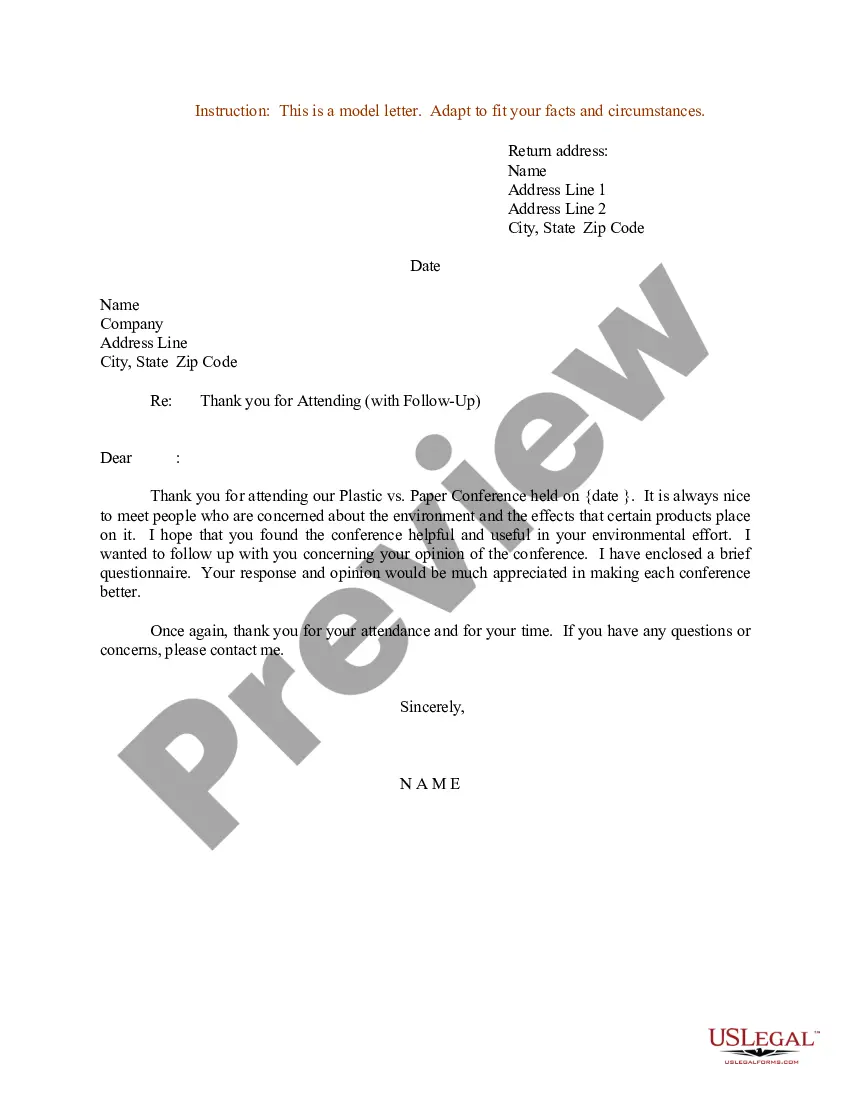
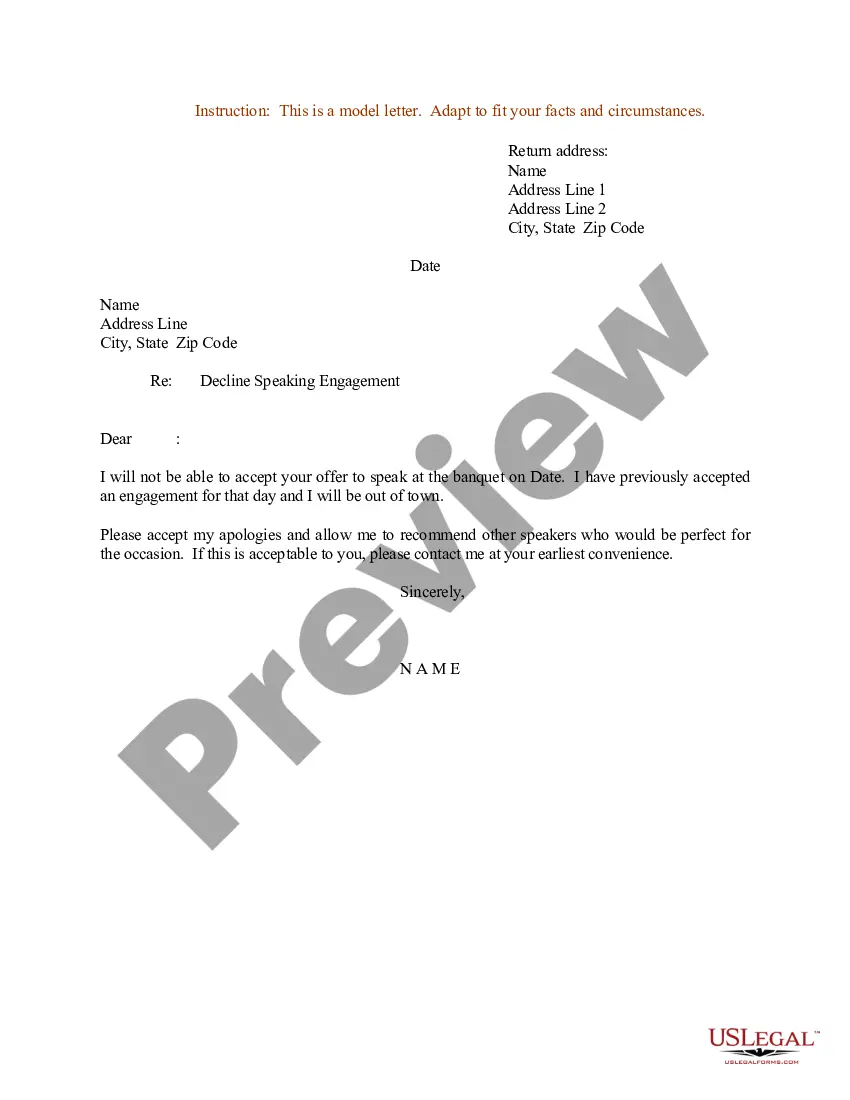
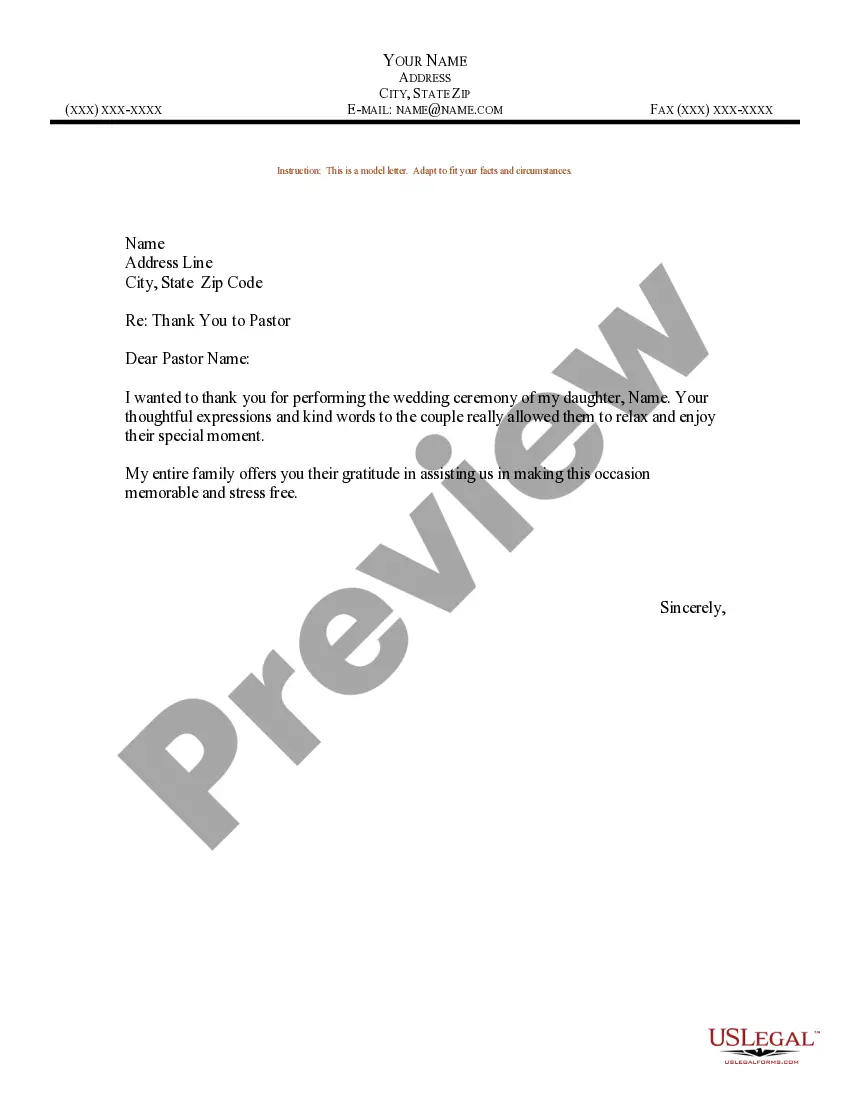
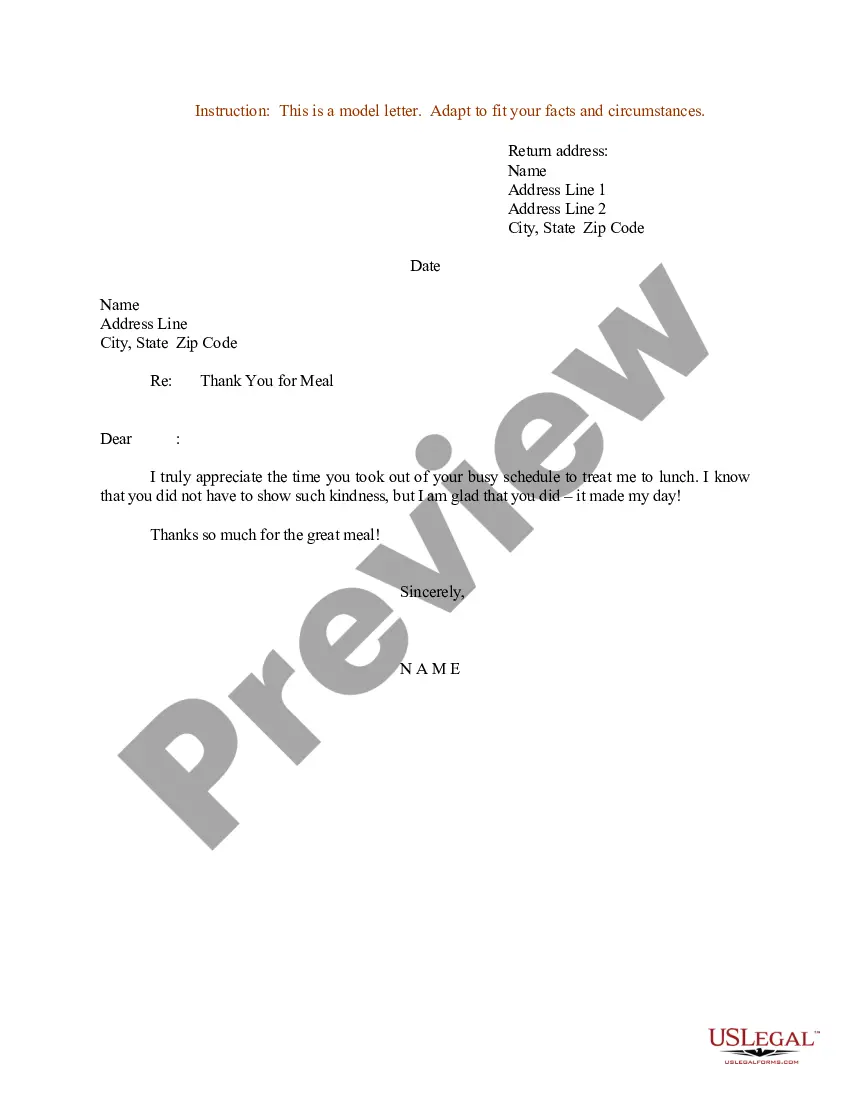
Get your form ready online
Our built-in tools help you complete, sign, share, and store your documents in one place.
Make edits, fill in missing information, and update formatting in US Legal Forms—just like you would in MS Word.
Download a copy, print it, send it by email, or mail it via USPS—whatever works best for your next step.
Sign and collect signatures with our SignNow integration. Send to multiple recipients, set reminders, and more. Go Premium to unlock E-Sign.
If this form requires notarization, complete it online through a secure video call—no need to meet a notary in person or wait for an appointment.
We protect your documents and personal data by following strict security and privacy standards.

Make edits, fill in missing information, and update formatting in US Legal Forms—just like you would in MS Word.

Download a copy, print it, send it by email, or mail it via USPS—whatever works best for your next step.

Sign and collect signatures with our SignNow integration. Send to multiple recipients, set reminders, and more. Go Premium to unlock E-Sign.

If this form requires notarization, complete it online through a secure video call—no need to meet a notary in person or wait for an appointment.

We protect your documents and personal data by following strict security and privacy standards.
Looking for another form?








Form popularity
FAQ
Public speaking events present opportunities for businesses and individuals to demonstrate their expertise and share their opinions with a target audience. Expert public speakers can encourage an audience to think about a topic from an alternative perspective.
Tip: Express your passion and commitment to your chosen field through your essays, extracurricular activities, and letters of recommendation. Demonstrate how your interests align with Michigan's specific programs, faculty, and research opportunities, reinforcing your fit with the university's academic environment.
Speech Events There are two general categories of speech events, public address events and interpretive events.
They amplify your company's credibility and reputation. In the world of public speaking, there are three primary types of engagements: keynotes, workshops, and seminars. Keynotes are high-profile talks designed to inspire and motivate large audiences, often setting the tone for entire events – think TED talks.
In the world of public speaking, there are three primary types of engagements: keynotes, workshops, and seminars. Keynotes are high-profile talks designed to inspire and motivate large audiences, often setting the tone for entire events – think TED talks.
Extemporaneous Speaking (often referred to as “Extemp” for short) is a particularly challenging form of Public Speaking. In this competitive category students are presented with three prompts. The prompts ask about specific controversies related to current events.
Create your pitch in five steps Spend some time thinking about and writing down your top work and school experiences using the STAR Method (Situation, Task, Action and Result). Shorten each story to a sentence or two focusing on your actions and the results of those actions. Analyze the common themes:
1 Know your audience. Before you send out any pitch, you need to do some research on your target audience. 2 Craft your hook. The first impression is crucial when it comes to pitching yourself for speaking opportunities. 3 Showcase your value. 4 Provide evidence. 5 Include a call to action. 6 Here's what else to consider.
How can you effectively pitch yourself for speaking opportunities... Know your audience. Craft your hook. Showcase your value. Provide evidence. Include a call to action. Here's what else to consider.
Start with a greeting: Begin your introduction with a warm and friendly greeting such as ``Hello,'' ``Hi,'' or ``Good (morning/afternoon/evening).'' Use your full name: State your name clearly, focusing on enunciating each syllable. You could say, ``My name is (Your Name).''
