Letter Engagement Statement Format In Michigan
Description
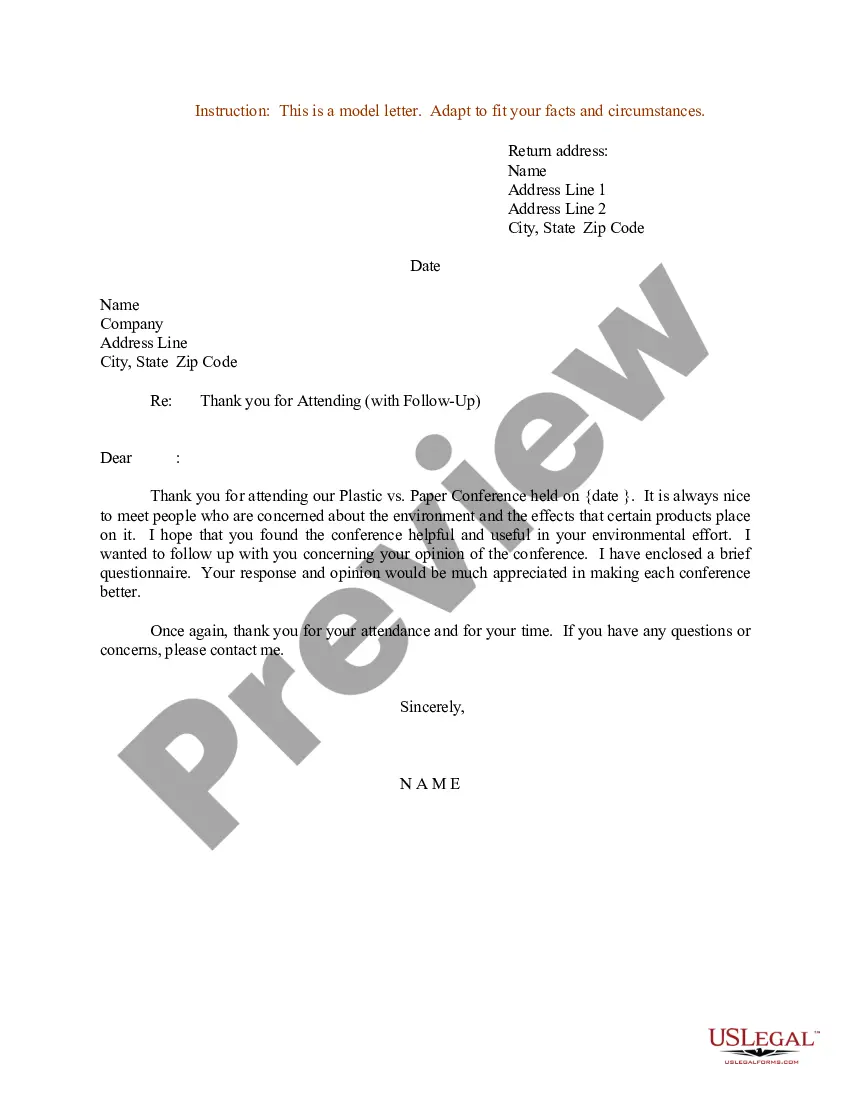
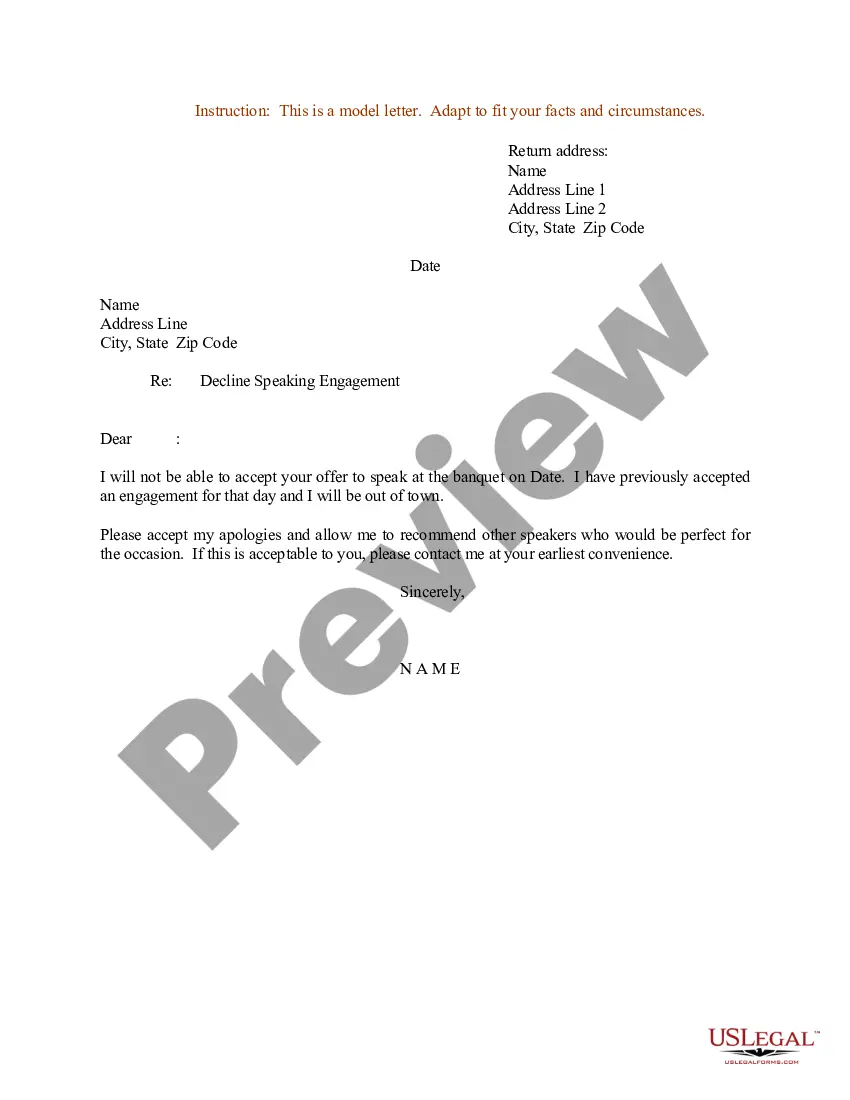
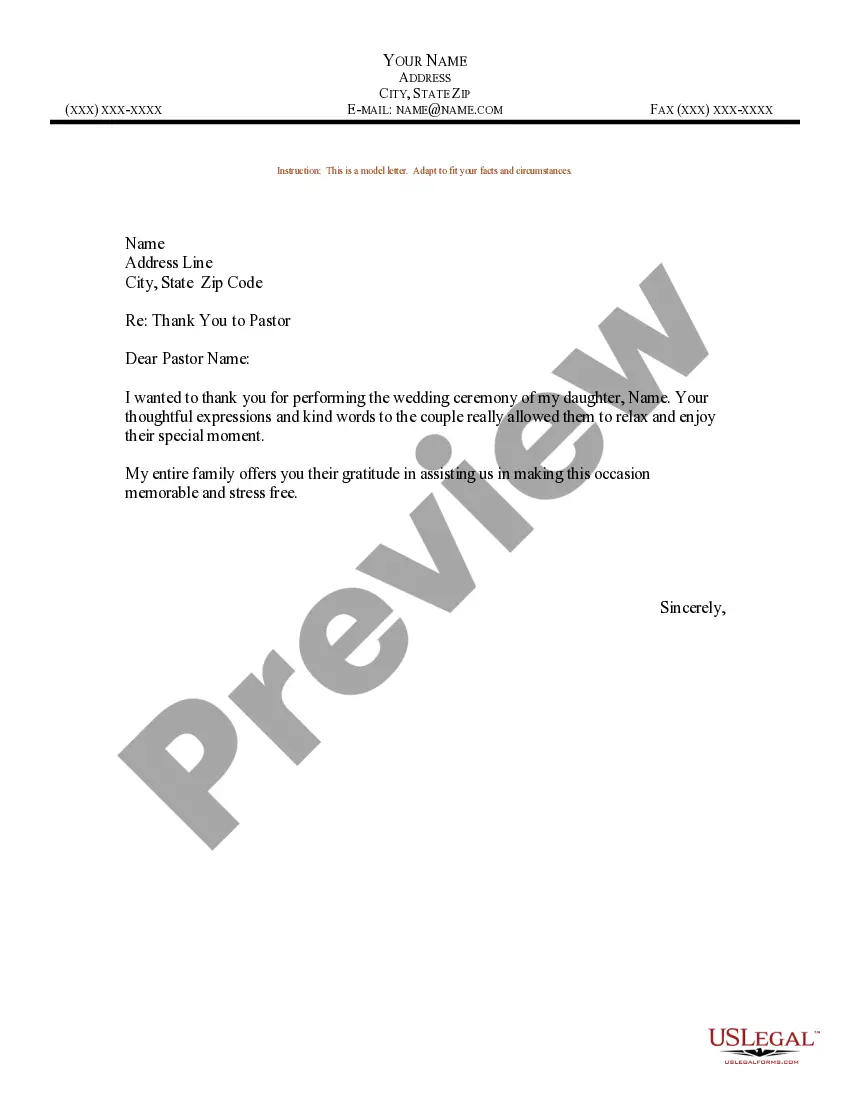
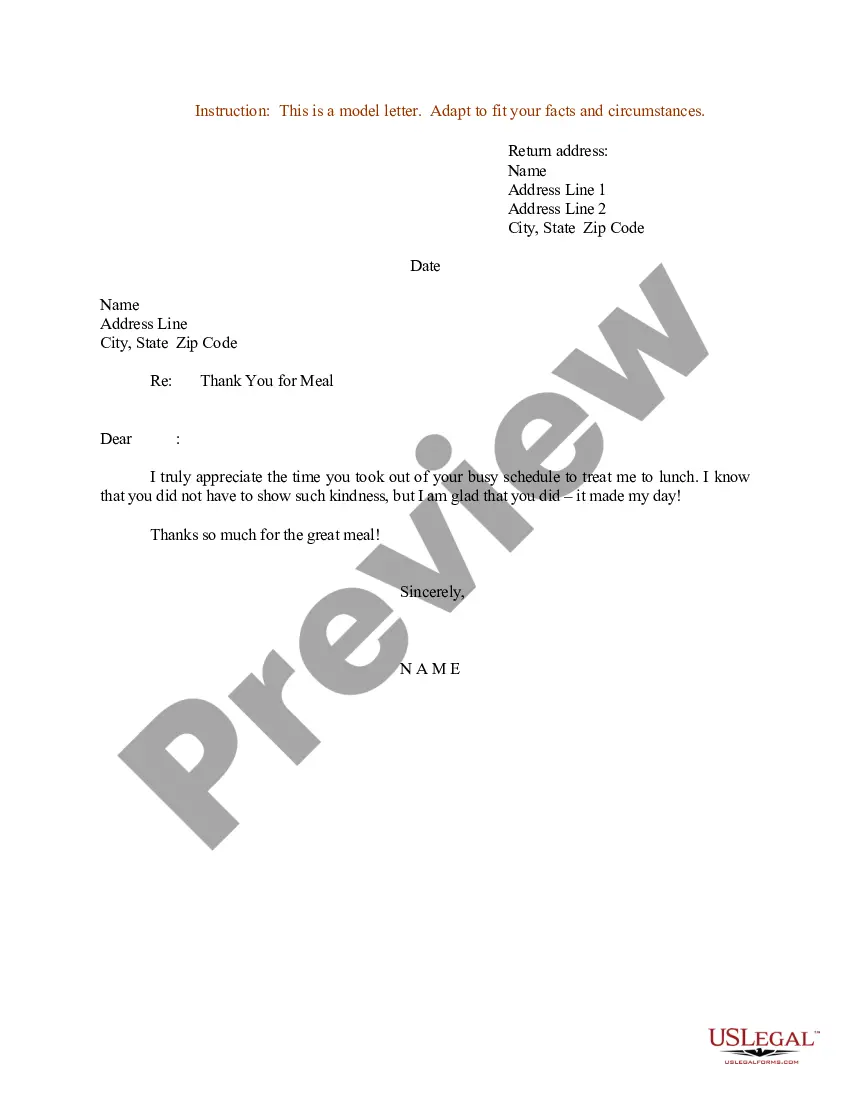
Get your form ready online
Our built-in tools help you complete, sign, share, and store your documents in one place.
Make edits, fill in missing information, and update formatting in US Legal Forms—just like you would in MS Word.
Download a copy, print it, send it by email, or mail it via USPS—whatever works best for your next step.
Sign and collect signatures with our SignNow integration. Send to multiple recipients, set reminders, and more. Go Premium to unlock E-Sign.
If this form requires notarization, complete it online through a secure video call—no need to meet a notary in person or wait for an appointment.
We protect your documents and personal data by following strict security and privacy standards.

Make edits, fill in missing information, and update formatting in US Legal Forms—just like you would in MS Word.

Download a copy, print it, send it by email, or mail it via USPS—whatever works best for your next step.

Sign and collect signatures with our SignNow integration. Send to multiple recipients, set reminders, and more. Go Premium to unlock E-Sign.

If this form requires notarization, complete it online through a secure video call—no need to meet a notary in person or wait for an appointment.

We protect your documents and personal data by following strict security and privacy standards.
Looking for another form?










Form popularity
FAQ
Engagement letters set the terms of the agreement between two parties and include details such as the scope, fees, and responsibilities, among others. Some of the benefits of engagement letters are that they are legally binding documents, they reduce misunderstandings, and they set clear expectations.
An engagement letter is a written agreement that describes the business relationship to be entered into by a client and a company. The letter details the scope of the agreement, its terms, and costs. The purpose of an engagement letter is to set expectations on both sides of the agreement.
What Does an Audit Engagement Letter Typically Include? Introduction and Purpose. Scope of the Audit. Auditor's Responsibilities. Client's Responsibilities. Audit Limitations. Applicable Standards. Fees and Payment Terms. Confidentiality and Data Security.
8 Critical Elements of an Effective Engagement Letter CLIENT NAME. The first critical element may seem obvious—the identities of the parties involved in the engagement. SCOPE OF SERVICES. CPA FIRM RESPONSIBILITIES. CLIENT RESPONSIBILITIES. DELIVERABLES. ENGAGEMENT TIMING. TERMINATION AND WITHDRAWAL. BILLING AND FEES.
How to write an engagement letter Write the name of the business leader. Specify the purpose of the partnership. List the duties of the client. Identify the timeline for completing the project. Include resources the client delivers. Attach a disclaimer. Validate the terms of the agreement.
An engagement letter is a written agreement that describes the business relationship to be entered into by a client and a company. The letter details the scope of the agreement, its terms, and costs. The purpose of an engagement letter is to set expectations on both sides of the agreement.
A letter of engagement is a useful document to use when hiring new employees. The letter informs new full-time or part-time employees about the terms and conditions of their employment with your business, including: start date. position. hours of work, and.
The Management Representation Letter is a letter addressed to a federal entity's external auditor, signed by senior management. The letter attests to the accuracy of the financial information that the federal entity has submitted to the auditors for their analysis.
Management Letter means a letter prepared by the auditor which discusses findings and recommendations for improvements in internal control, that were identified during the audit and were not required to be included in the auditor's report on internal control, and other management issues.

