Termination Without Severance In Hillsborough
Description

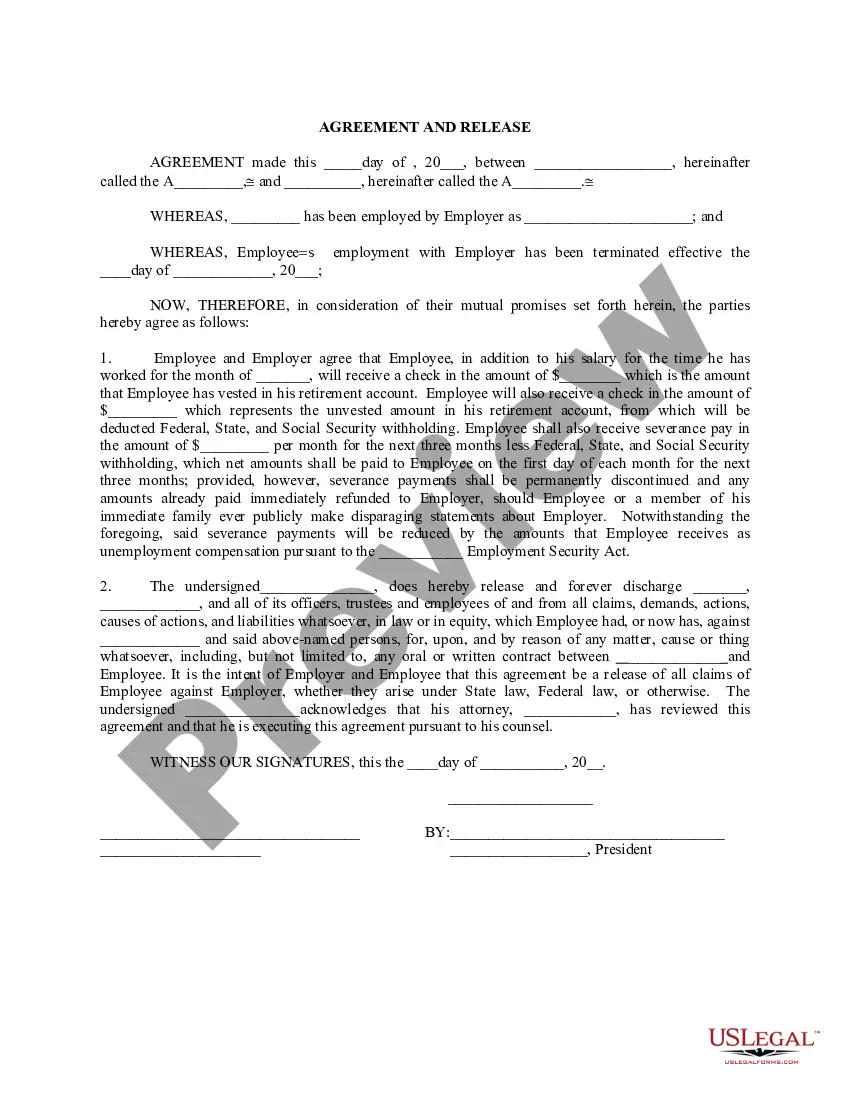
Get your form ready online
Our built-in tools help you complete, sign, share, and store your documents in one place.
Make edits, fill in missing information, and update formatting in US Legal Forms—just like you would in MS Word.
Download a copy, print it, send it by email, or mail it via USPS—whatever works best for your next step.
Sign and collect signatures with our SignNow integration. Send to multiple recipients, set reminders, and more. Go Premium to unlock E-Sign.
If this form requires notarization, complete it online through a secure video call—no need to meet a notary in person or wait for an appointment.
We protect your documents and personal data by following strict security and privacy standards.

Make edits, fill in missing information, and update formatting in US Legal Forms—just like you would in MS Word.

Download a copy, print it, send it by email, or mail it via USPS—whatever works best for your next step.

Sign and collect signatures with our SignNow integration. Send to multiple recipients, set reminders, and more. Go Premium to unlock E-Sign.

If this form requires notarization, complete it online through a secure video call—no need to meet a notary in person or wait for an appointment.

We protect your documents and personal data by following strict security and privacy standards.
Looking for another form?





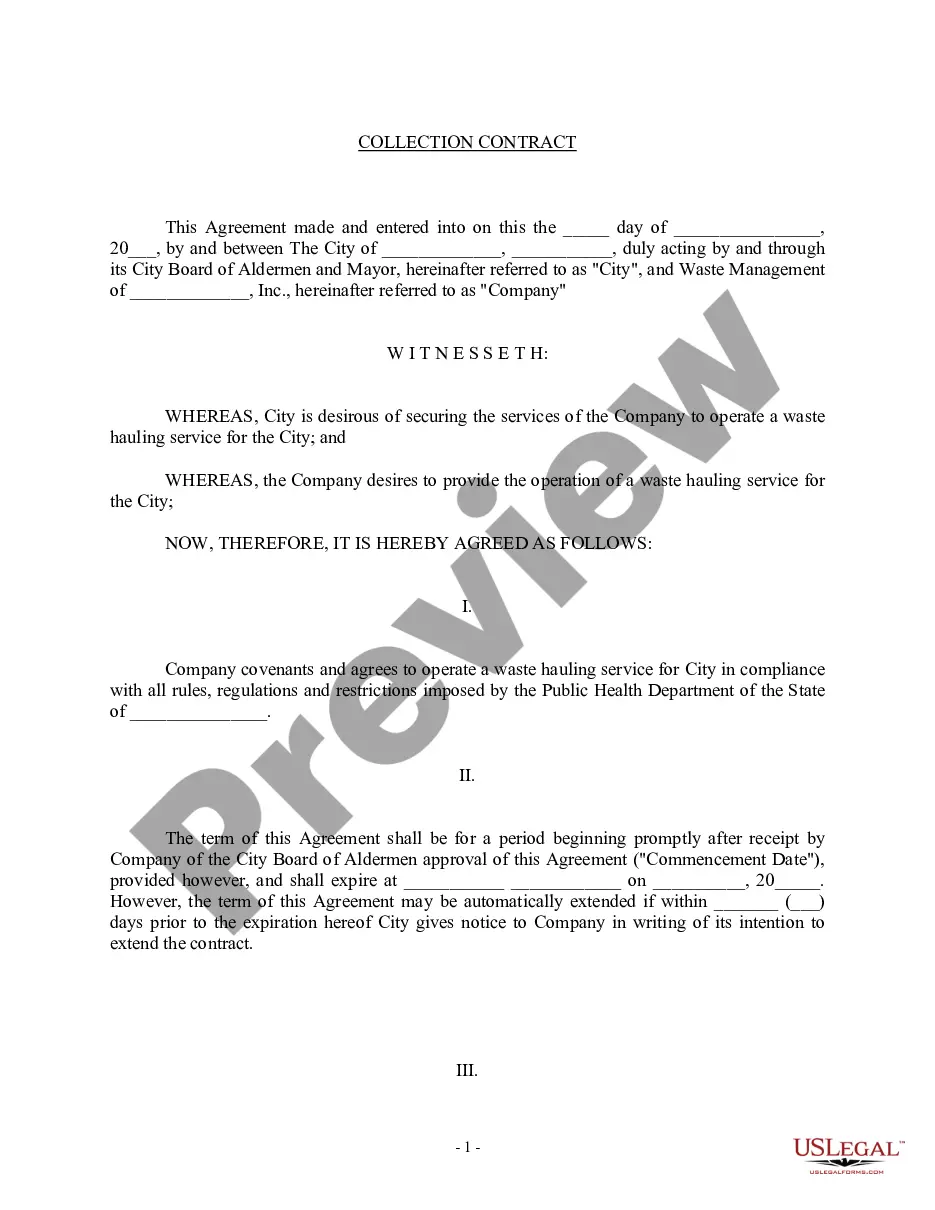




Form popularity
FAQ
Most termination clauses are an agreement between the employer and the employee that in the event the employer elects to dismiss the employee without cause, the employee will only receive what they are entitled to under the Employment Standards Code.
Most termination clauses are an agreement between the employer and the employee that in the event the employer elects to dismiss the employee without cause, the employee will only receive what they are entitled to under the Employment Standards Code.
File a Complaint with the EEOC or FCHR: In most cases, before filing a lawsuit for wrongful termination, you must first file a complaint with the Equal Employment Opportunity Commission (EEOC) or the Florida Commission on Human Relations (FCHR). These agencies investigate claims of discrimination and retaliation.
A severance clause aims to ensure that a contract will survive the deletion of an unenforceable provision. For example, where a court later deems that a particular provision of a contract is no longer, or was never, enforceable, this deletion would not invalidate or deem unenforceable the entire contract.
In Brazil, employments are at will, meaning that any party may terminate the employment agreement without cause upon the mandatory prior notice and payment of the severance. It is not necessary to mention any reason for termination, except if it is a termination with cause.
The Worker Adjustment and Retraining Notification (WARN) Act offers protection to workers, their families, and their communities by requiring employers to provide notice 60 days in advance of covered plant closings and covered mass layoffs.
In any case, none of that really matters. It's always better to get fired than quit. Getting fired/laid off makes you eligible for severance packages, unemployment benefits, and puts you in a better situation for a wrongful termination lawsuit.