Termination Without Severance In Palm Beach
Description

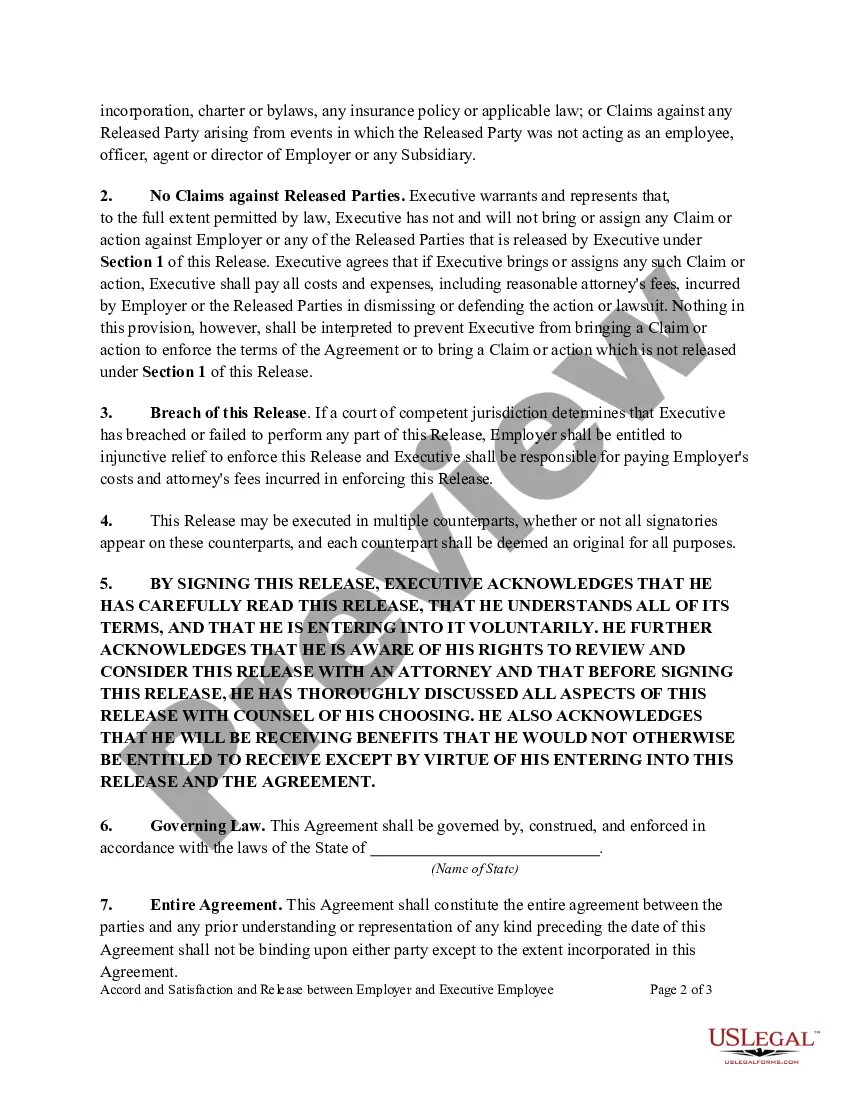
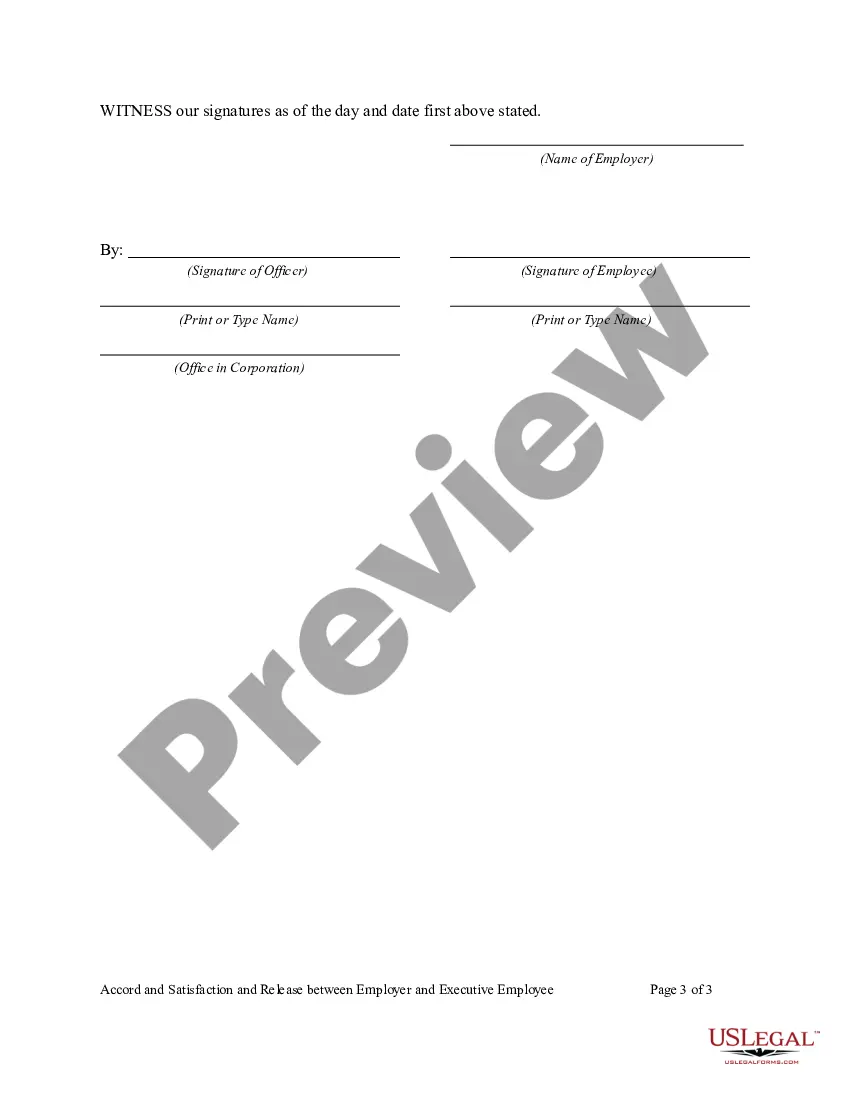
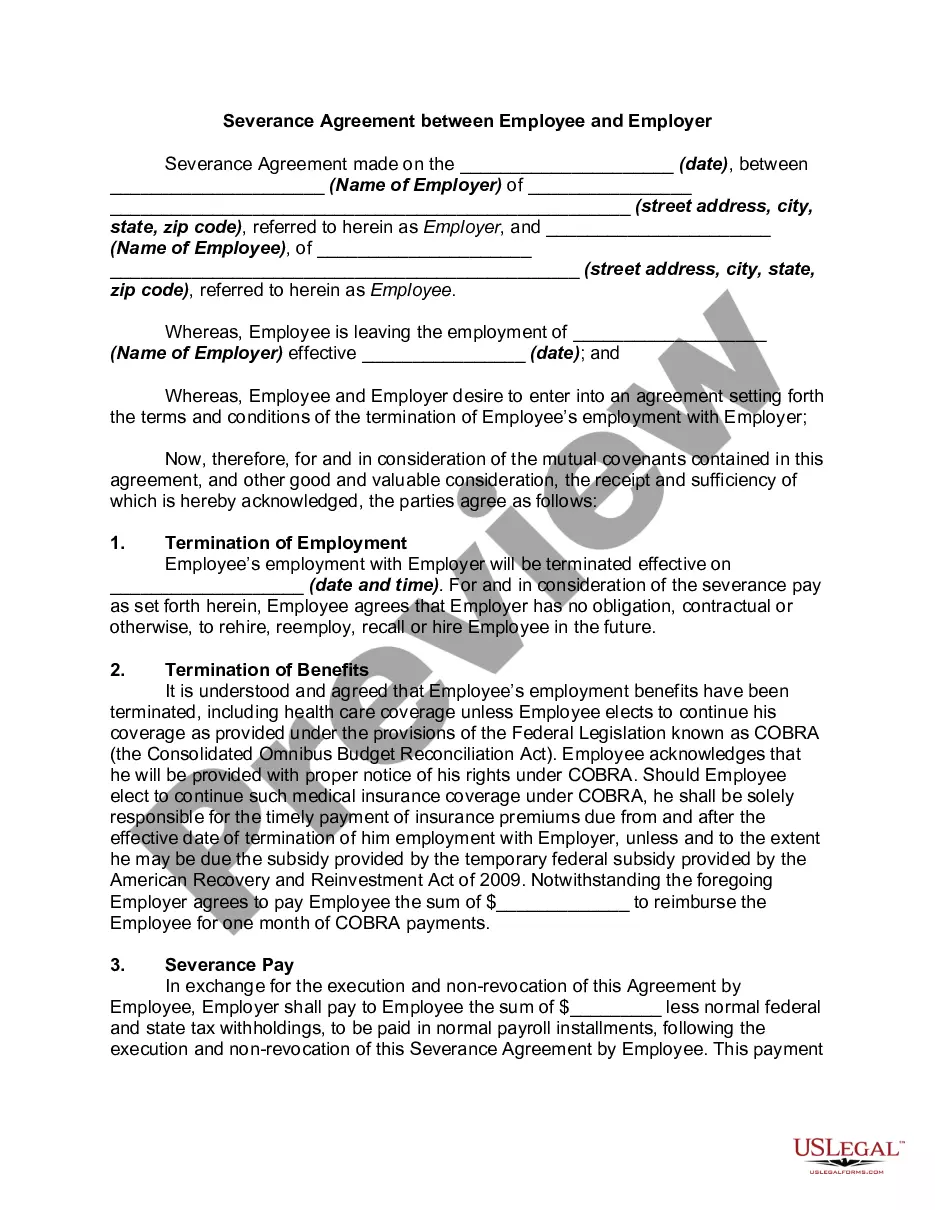
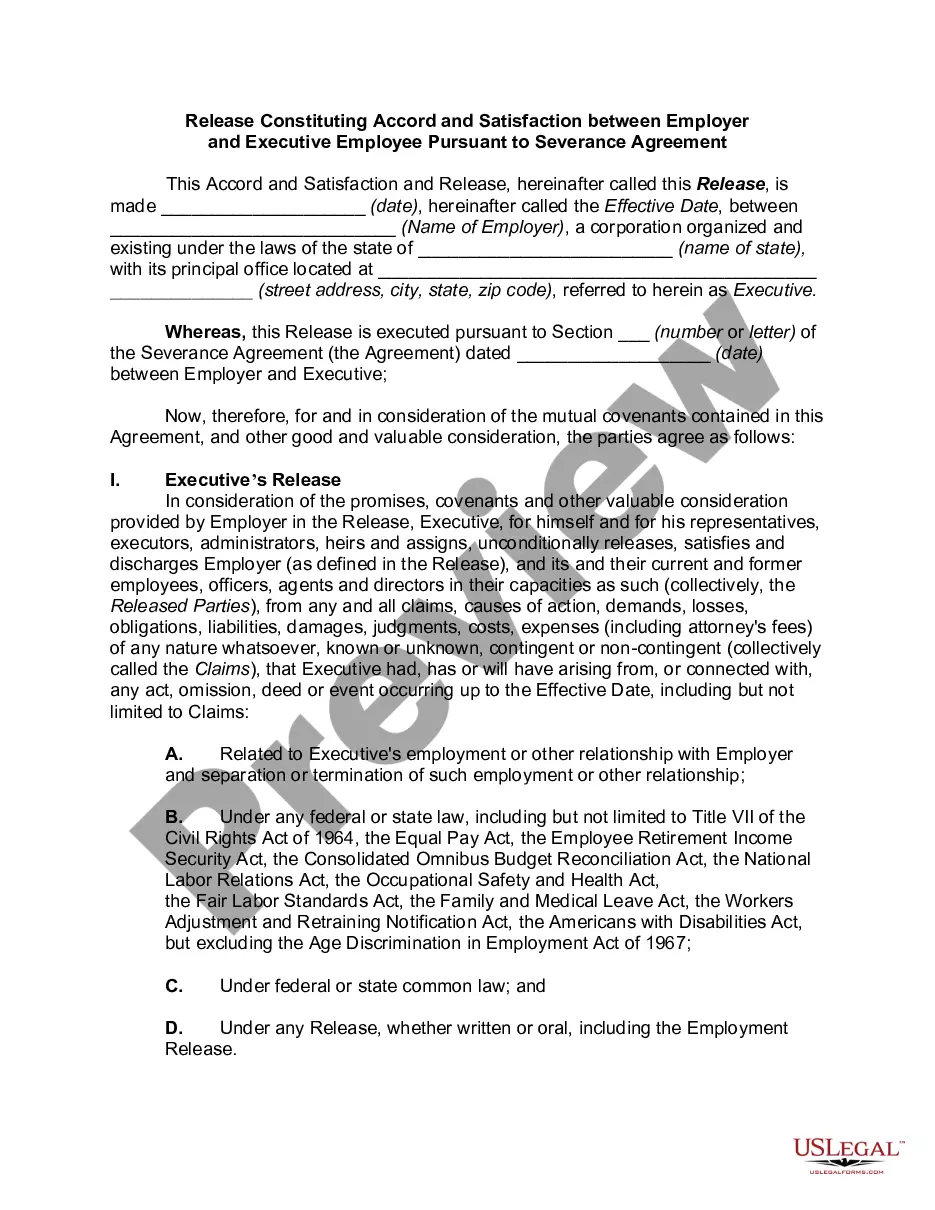
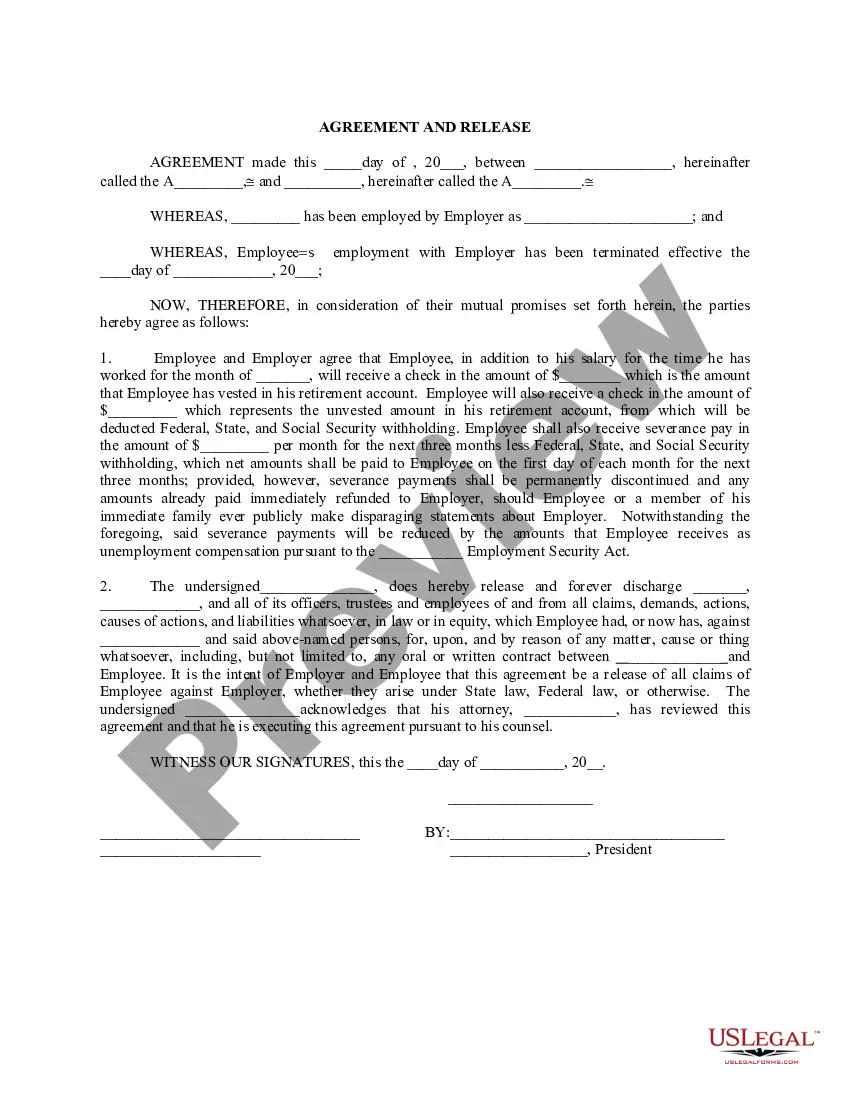
Get your form ready online
Our built-in tools help you complete, sign, share, and store your documents in one place.
Make edits, fill in missing information, and update formatting in US Legal Forms—just like you would in MS Word.
Download a copy, print it, send it by email, or mail it via USPS—whatever works best for your next step.
Sign and collect signatures with our SignNow integration. Send to multiple recipients, set reminders, and more. Go Premium to unlock E-Sign.
If this form requires notarization, complete it online through a secure video call—no need to meet a notary in person or wait for an appointment.
We protect your documents and personal data by following strict security and privacy standards.

Make edits, fill in missing information, and update formatting in US Legal Forms—just like you would in MS Word.

Download a copy, print it, send it by email, or mail it via USPS—whatever works best for your next step.

Sign and collect signatures with our SignNow integration. Send to multiple recipients, set reminders, and more. Go Premium to unlock E-Sign.

If this form requires notarization, complete it online through a secure video call—no need to meet a notary in person or wait for an appointment.

We protect your documents and personal data by following strict security and privacy standards.
Looking for another form?


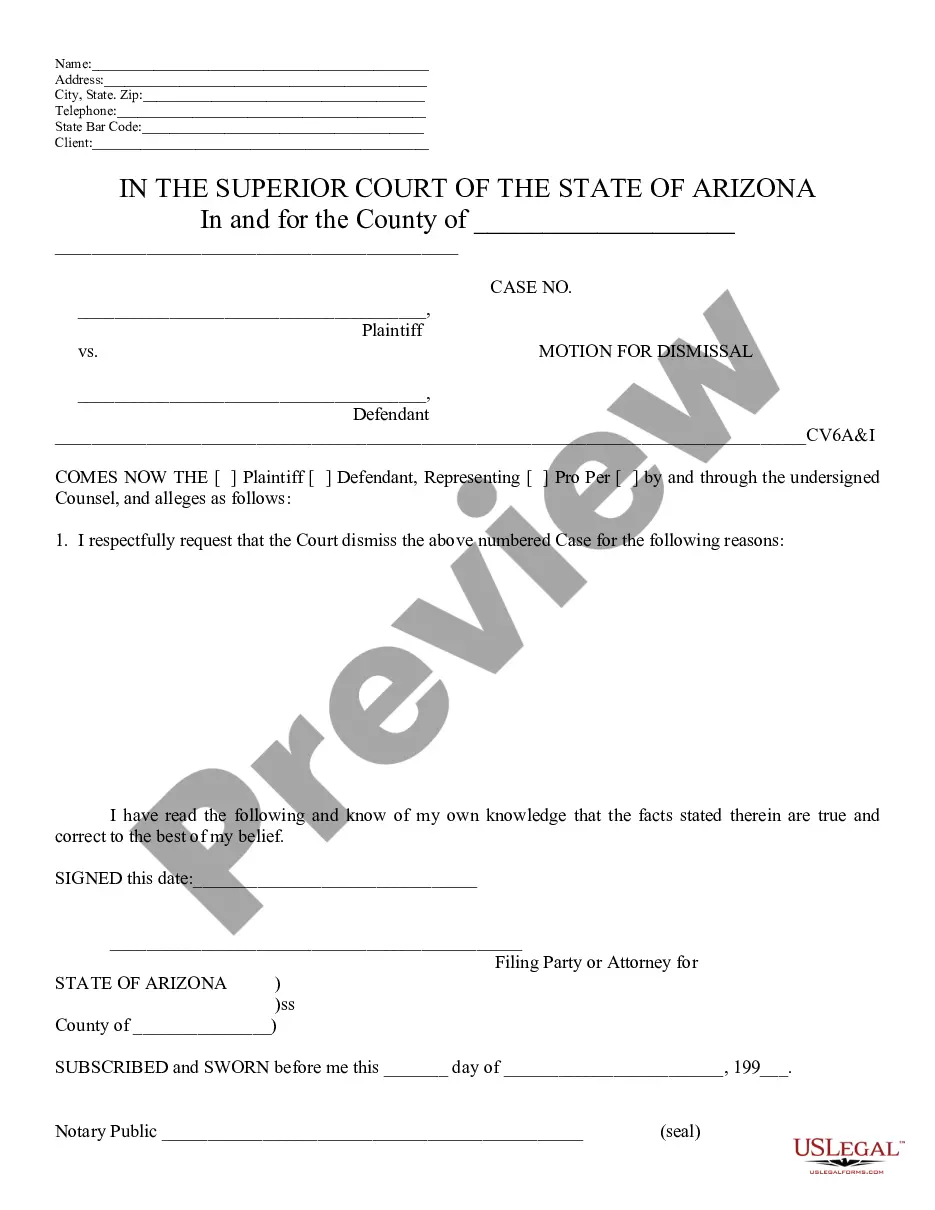





Form popularity
FAQ
It makes no difference how long you've been with a company so yes, it's legal to lay off any and everyone without severance. The exceptions: a union agreement requiring severance, a personal contract calling for a severance. This is usually only for executives and ``key'' people.
Florida is an at-will state. Absent a contract or collective bargaining agreement, the employer or the employee can terminate the employment relationship at any time, with or without cause, with or without notice.
(3) “Termination” occurs when either party pursuant to a power created by agreement or law puts an end to the contract otherwise than for its breach. On termination, all obligations which are still executory on both sides are discharged but any right based on prior breach or performance survives.
In Florida, employment is “at will”, meaning that either the employer or the employee can end the employment relationship at any time without reason unless you have an employment contract or union agreement governing the terms of your employment or work for a government employer.
Wrongful termination occurs when an employer unlawfully terminates an employment agreement in violation of federal or state law — such as discrimination based on race, gender, age, disability, religion, veteran status, marital status, or pregnancy; breaching a written contract; retaliation against an employee who has ...
In Florida, employment is “at will”, meaning that either the employer or the employee can end the employment relationship at any time without reason unless you have an employment contract or union agreement governing the terms of your employment or work for a government employer.
The standard “two weeks' notice” is not required. (Although, unless you are leaving a hostile environment or unsafe working conditions, agreeing to a “notice” work period when quitting is usually better than burning bridges.)