Sample Speaking Engagement With Boyfriend In Georgia
Description
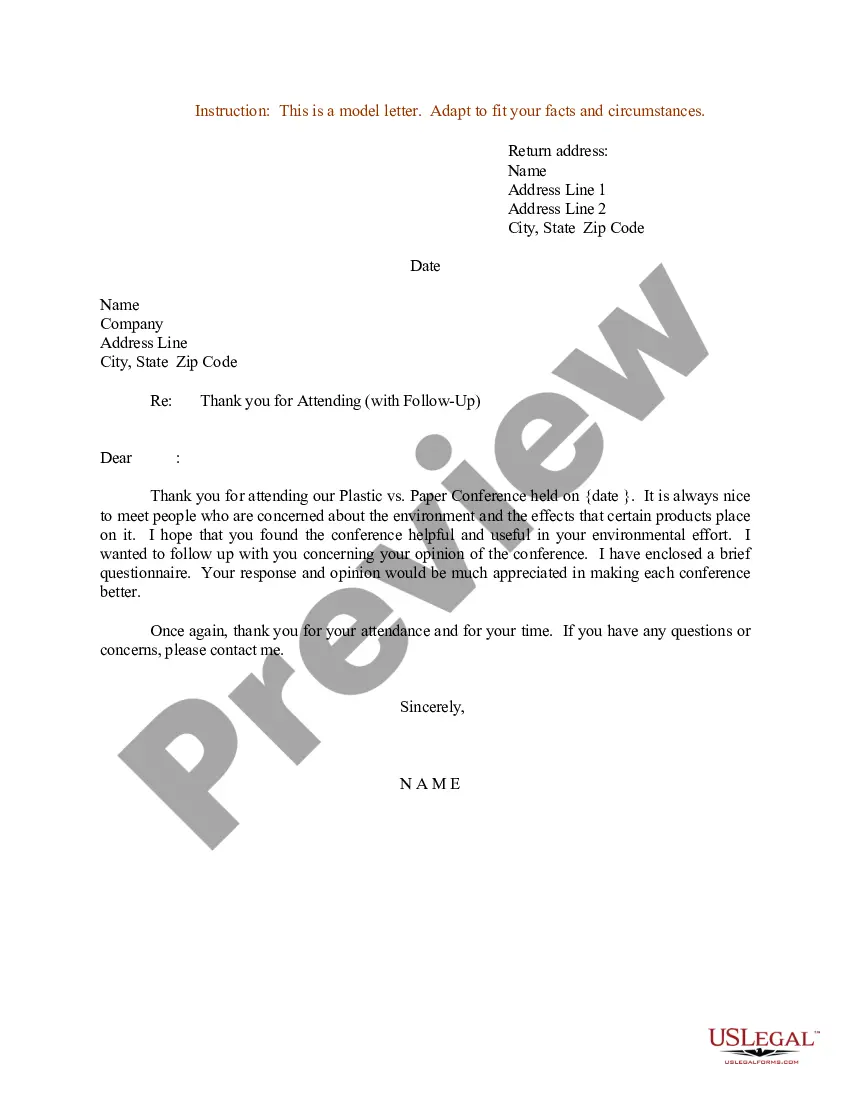
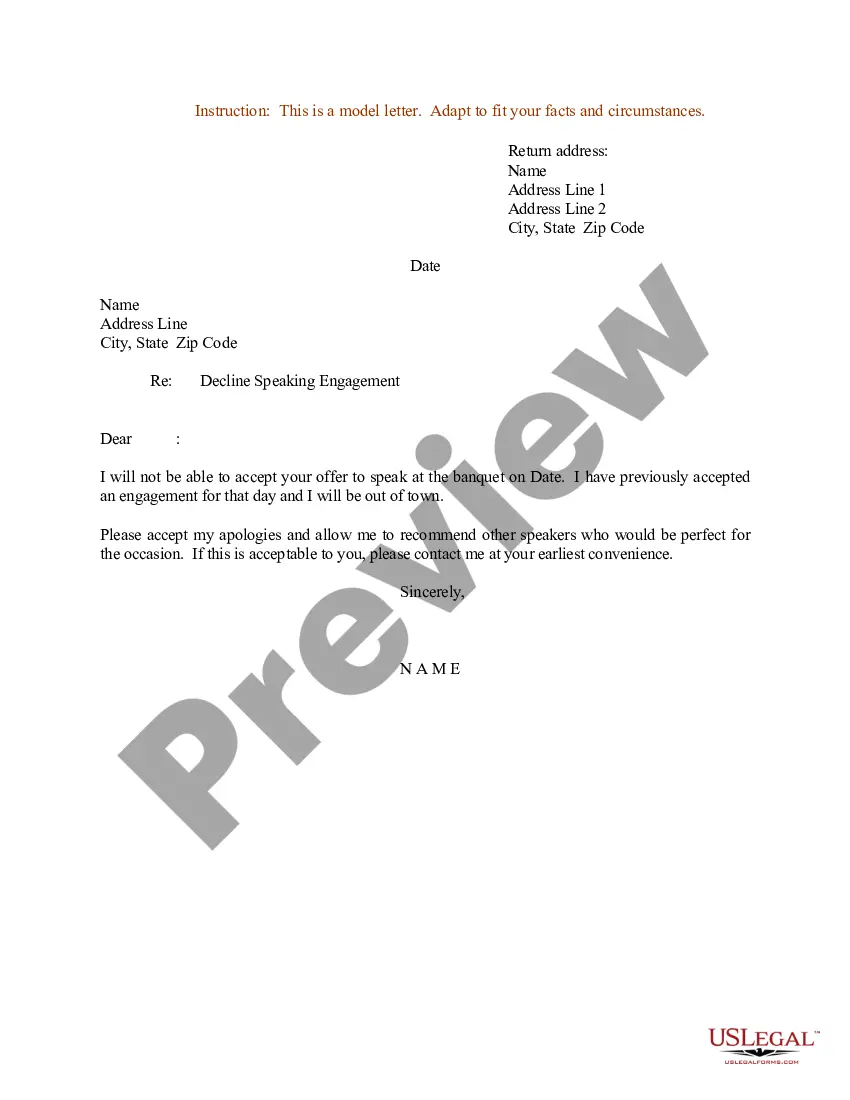
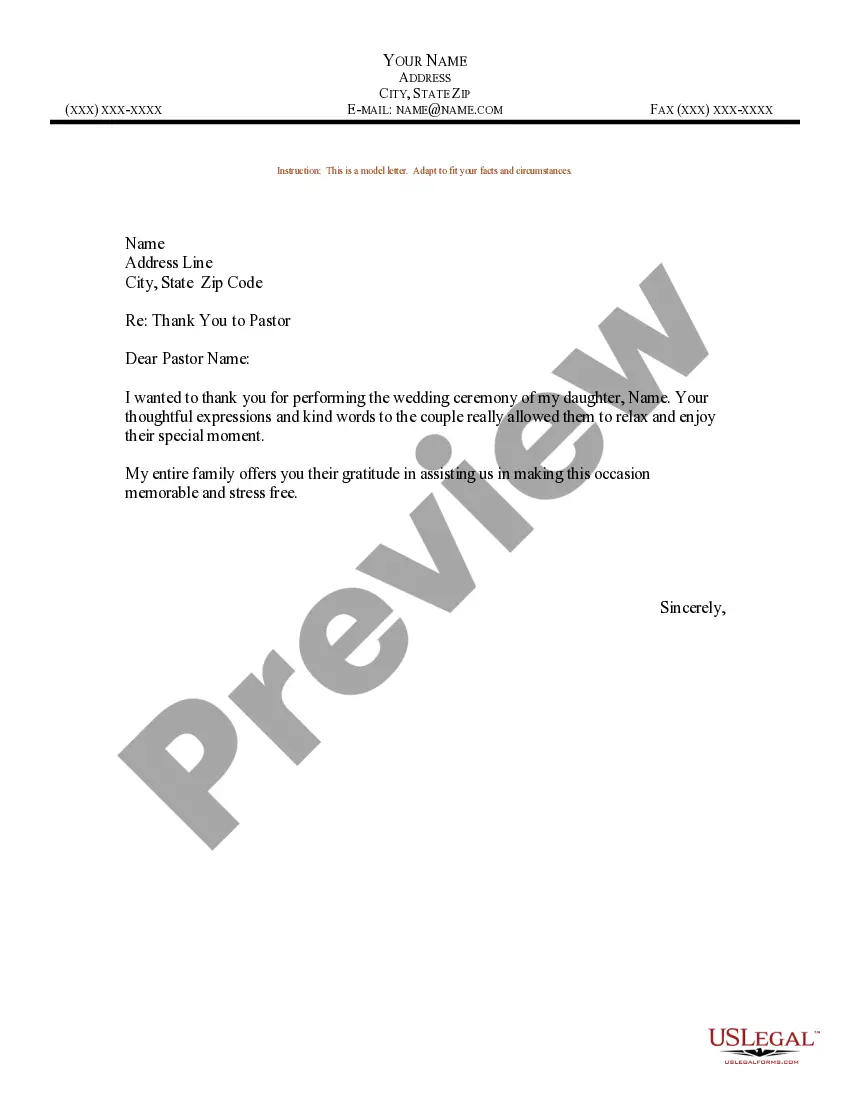
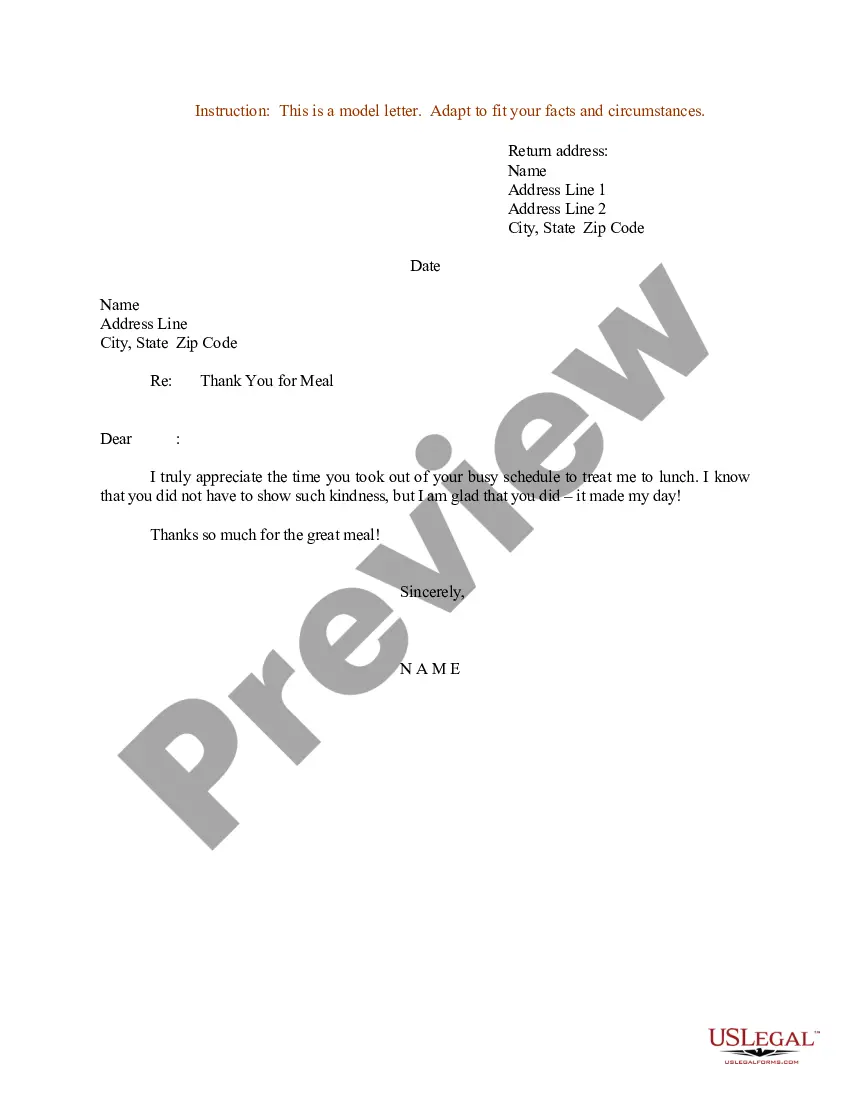
Get your form ready online
Our built-in tools help you complete, sign, share, and store your documents in one place.
Make edits, fill in missing information, and update formatting in US Legal Forms—just like you would in MS Word.
Download a copy, print it, send it by email, or mail it via USPS—whatever works best for your next step.
Sign and collect signatures with our SignNow integration. Send to multiple recipients, set reminders, and more. Go Premium to unlock E-Sign.
If this form requires notarization, complete it online through a secure video call—no need to meet a notary in person or wait for an appointment.
We protect your documents and personal data by following strict security and privacy standards.

Make edits, fill in missing information, and update formatting in US Legal Forms—just like you would in MS Word.

Download a copy, print it, send it by email, or mail it via USPS—whatever works best for your next step.

Sign and collect signatures with our SignNow integration. Send to multiple recipients, set reminders, and more. Go Premium to unlock E-Sign.

If this form requires notarization, complete it online through a secure video call—no need to meet a notary in person or wait for an appointment.

We protect your documents and personal data by following strict security and privacy standards.
Looking for another form?





Form popularity
FAQ
A speaking engagement is any public or private event that hosts a single speaker or panel of speakers. In business prospecting , these events help professionals network with others in the same industry and display technical knowledge and skills.
Tips for a Good Speaker Engagement Proposal Understand the Audience and Theme. Make an Impact on the First Page. Clear and Engaging Title. Define Learning Objectives. Detailed Session Description. Highlight Relevance and Timeliness. Demonstrate Expertise. Keep your Contract and Proposal Separate.
How to get speaking engagements Get clear on why you want to speak. Listen to a lot of talks from speakers that you admire. Come up with 3-5 talk ideas. Prepare an outline for each talk idea. Build your event list. Slide into event organizers' DMs. Email your pitch. Turn your outline into a speaker proposal.
There are four basic methods or styles of presenting a speech: manuscript, memorized, extemporaneous, and impromptu.
There are four basic methods of speech delivery: manuscript, memorized, impromptu, and extemporaneous. We'll look at each method and discuss the advantages and disadvantages of each.
In the world of public speaking, there are three primary types of engagements: keynotes, workshops, and seminars. Keynotes are high-profile talks designed to inspire and motivate large audiences, often setting the tone for entire events – think TED talks.
Make sure you're on the same page. Everyone wants to feel secure in their relationship, especially when it comes to the status of their connection. Talk about what getting engaged would mean for both of you. Discuss your finances. Decide when you want to get married. Be open about your true feelings. Conclusion.
You're giving a speech at someone else's engagement party: Introduce yourself and how you know the couple. Congratulate the couple and how excited and happy you are for them. Share something personal, such as an anecdote. Offer compliments about the strength of the couple and how great they are together.
There are six types of classroom speaking performance that students can engage in. These categories are: imitative, intensive, responsive, transactional, interpersonal, and extensive 2.

