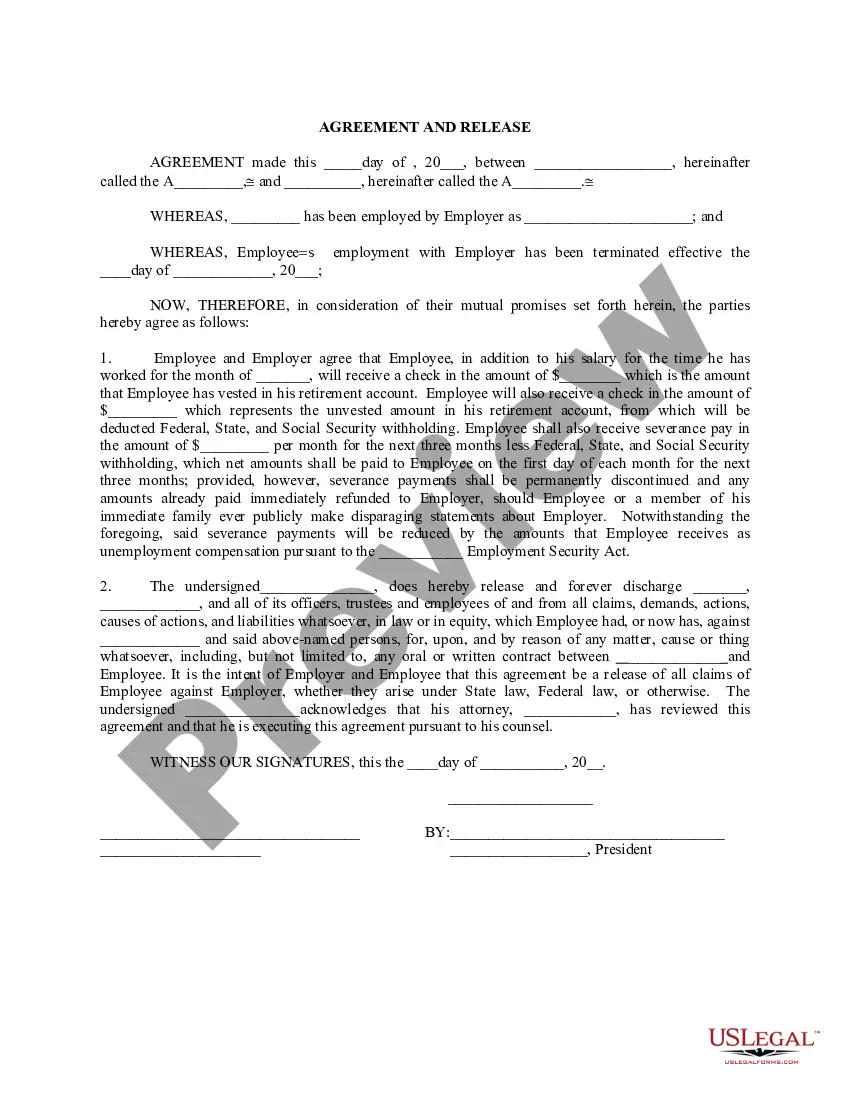
Severance Agreement Form Without Severance In Fairfax
Description

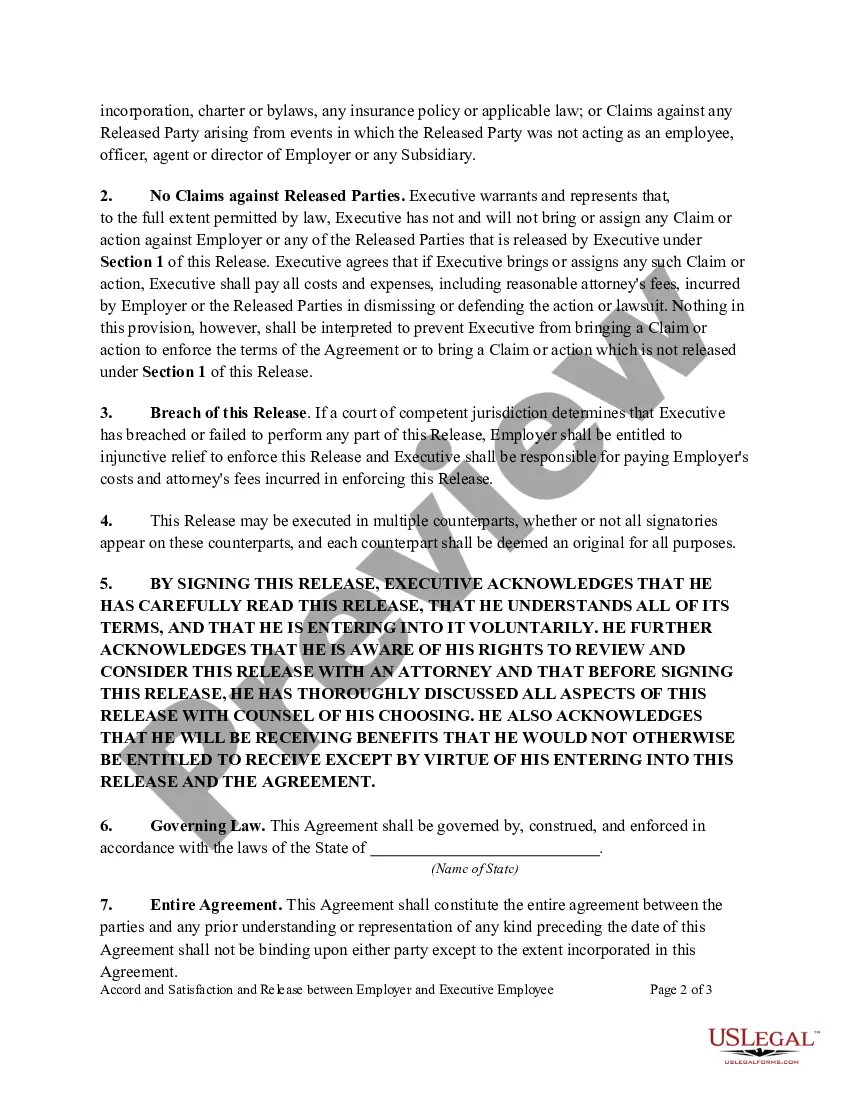
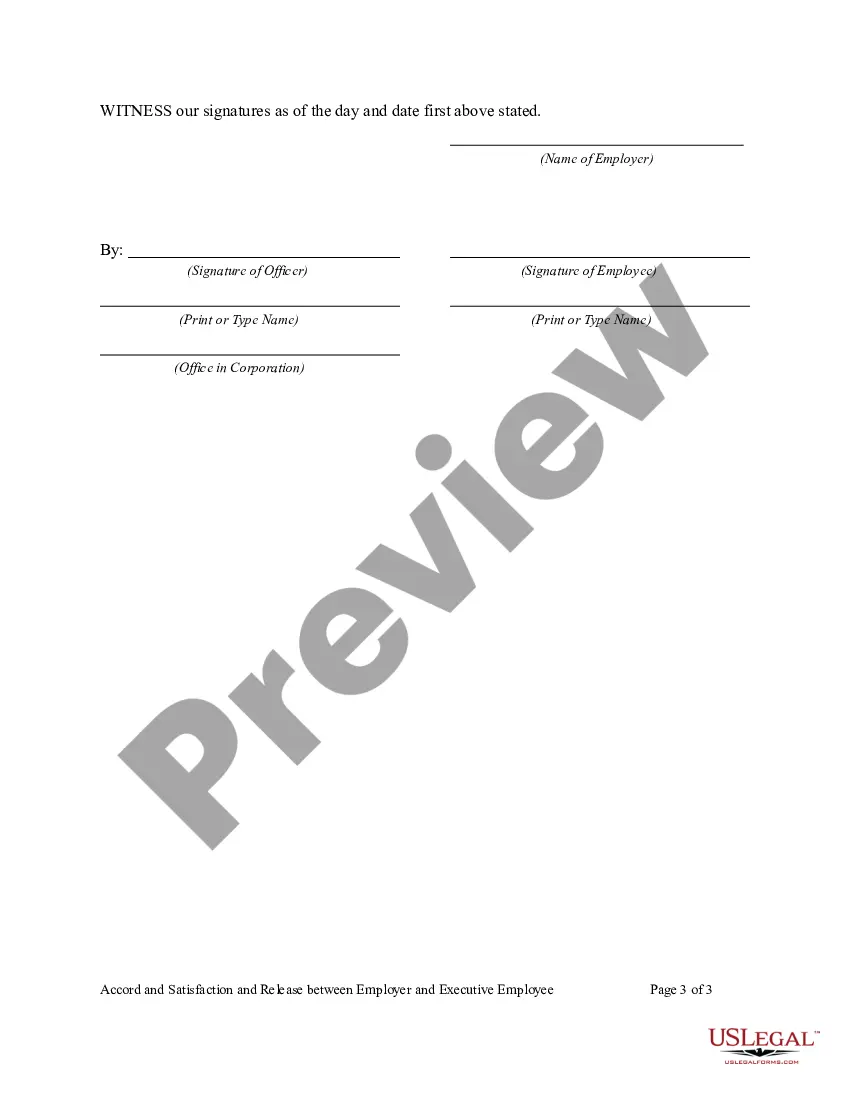
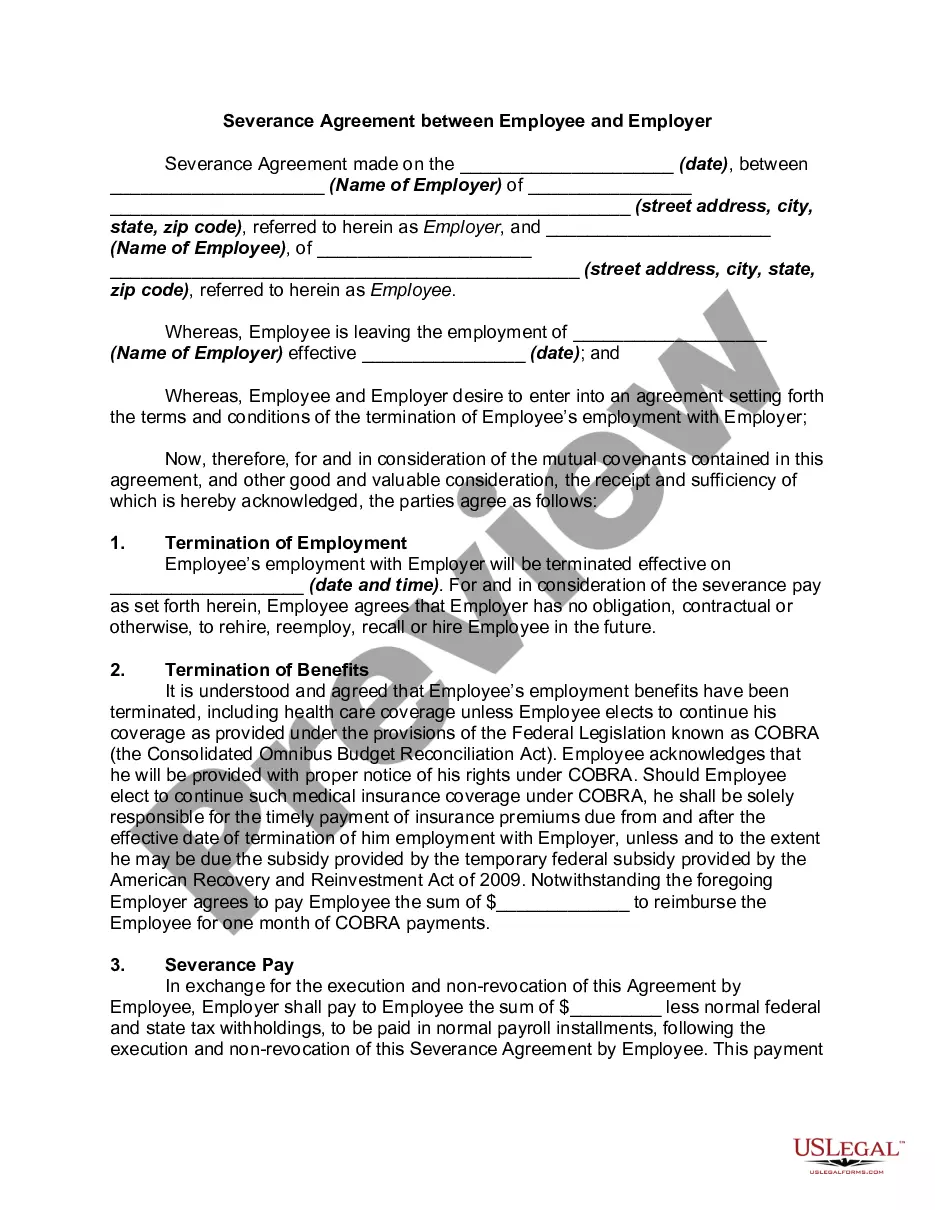
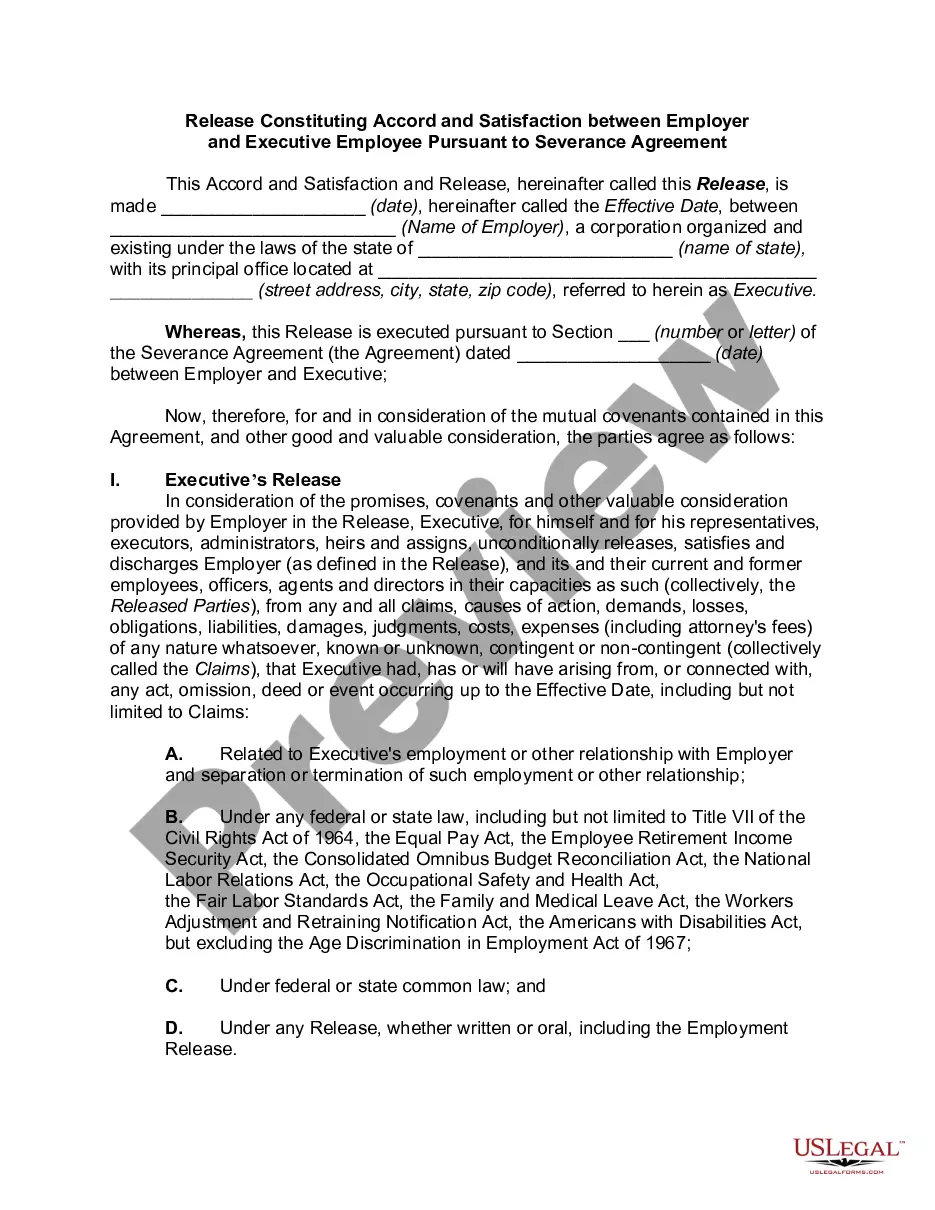
Get your form ready online
Our built-in tools help you complete, sign, share, and store your documents in one place.
Make edits, fill in missing information, and update formatting in US Legal Forms—just like you would in MS Word.
Download a copy, print it, send it by email, or mail it via USPS—whatever works best for your next step.
Sign and collect signatures with our SignNow integration. Send to multiple recipients, set reminders, and more. Go Premium to unlock E-Sign.
If this form requires notarization, complete it online through a secure video call—no need to meet a notary in person or wait for an appointment.
We protect your documents and personal data by following strict security and privacy standards.

Make edits, fill in missing information, and update formatting in US Legal Forms—just like you would in MS Word.

Download a copy, print it, send it by email, or mail it via USPS—whatever works best for your next step.

Sign and collect signatures with our SignNow integration. Send to multiple recipients, set reminders, and more. Go Premium to unlock E-Sign.

If this form requires notarization, complete it online through a secure video call—no need to meet a notary in person or wait for an appointment.

We protect your documents and personal data by following strict security and privacy standards.
Looking for another form?



Form popularity
FAQ
What is the downside to severance? The downside to severance includes financial drawbacks such as loss of steady income, potential loss of benefits, and uncertainty about future job prospects, as well as the impact on retirement savings and benefits.
When settling a lawsuit or pre-litigation disputes, parties sometimes insist on including non-disparagement clauses in their settlement or severance agreements. Broadly speaking, these clauses prevent one or both parties to the agreement from making negative comments about each other.
Trent Hancock, Principal, Jewell Hancock Employment Lawyers, explains that redundancy is a specific form of termination and has different legal requirements. “A role is redundant when it is no longer required to be performed by anyone within the employer's business,” he says.
Most termination clauses are an agreement between the employer and the employee that in the event the employer elects to dismiss the employee without cause, the employee will only receive what they are entitled to under the Employment Standards Code.
How to Structure a Severance Agreement Determine Eligibility: Decide which employees will be offered a severance agreement based on company policy or specific circumstances. Consult Legal Counsel: Work with an attorney to draft the agreement to ensure compliance with federal and state laws.
Keep it professional. Use business reasons, such as your performance record or time with the company, when negotiating the terms of your severance package rather than personal details, such as having a baby or buying a house. Be wary of non-compete clauses.
“If any term of this Agreement is to any extent invalid, illegal, or incapable of being enforced, such term shall be excluded to the extent of such invalidity, illegality, or unenforceability; all other terms hereof shall remain in full force and effect.”
A severance process is a series of events (e.g., letters, To Do entries, field activities) that lead to the severance of a service agreement. A separate severance process is required for each service agreement to be severed.
Wrongful termination is illegal in Virginia and the District of Columbia, but it is narrowly defined so as to apply in only limited circumstances.