Letter Engagement Documents With Withdraw In Florida
Description
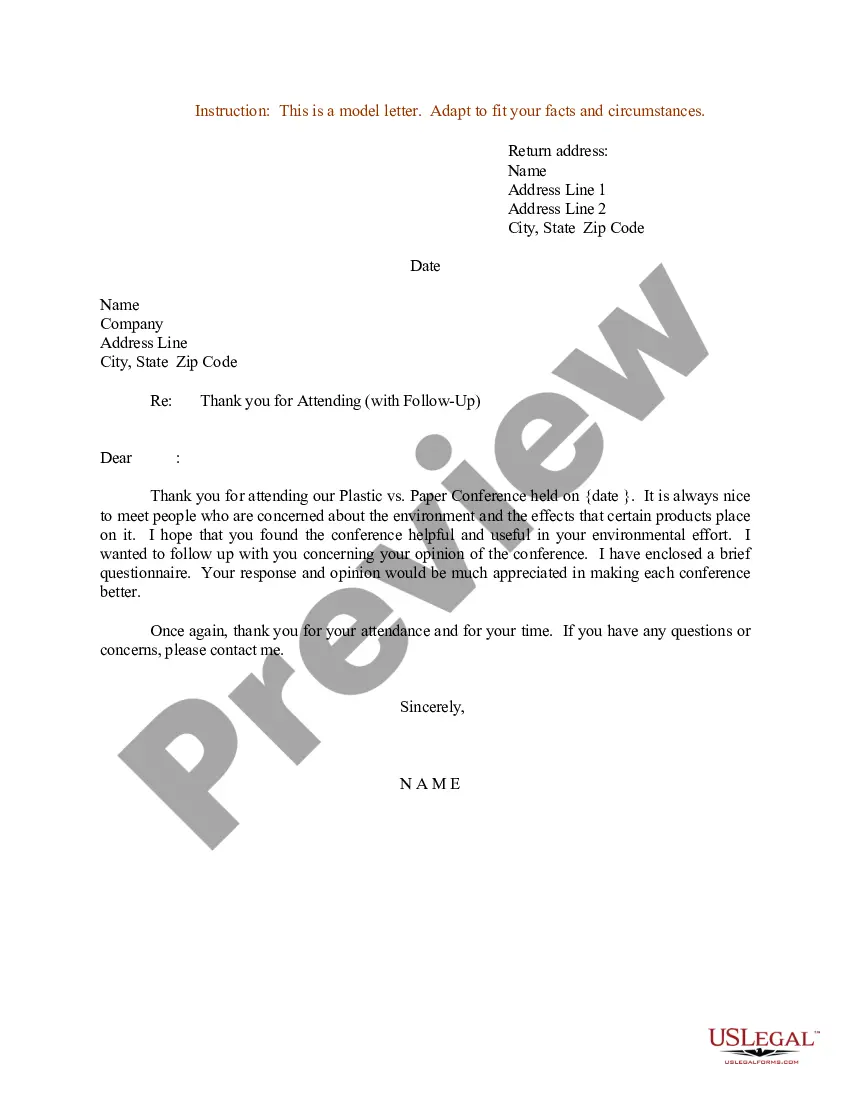
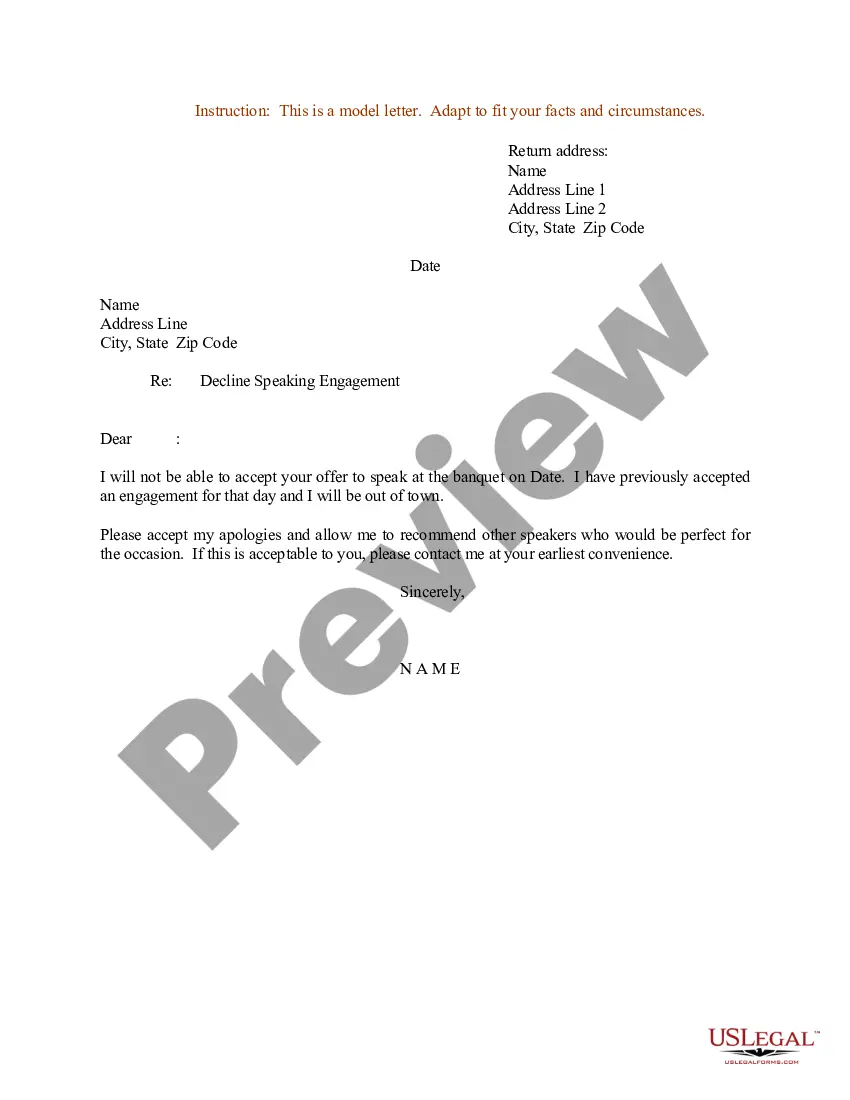
Get your form ready online
Our built-in tools help you complete, sign, share, and store your documents in one place.
Make edits, fill in missing information, and update formatting in US Legal Forms—just like you would in MS Word.
Download a copy, print it, send it by email, or mail it via USPS—whatever works best for your next step.
Sign and collect signatures with our SignNow integration. Send to multiple recipients, set reminders, and more. Go Premium to unlock E-Sign.
If this form requires notarization, complete it online through a secure video call—no need to meet a notary in person or wait for an appointment.
We protect your documents and personal data by following strict security and privacy standards.

Make edits, fill in missing information, and update formatting in US Legal Forms—just like you would in MS Word.

Download a copy, print it, send it by email, or mail it via USPS—whatever works best for your next step.

Sign and collect signatures with our SignNow integration. Send to multiple recipients, set reminders, and more. Go Premium to unlock E-Sign.

If this form requires notarization, complete it online through a secure video call—no need to meet a notary in person or wait for an appointment.

We protect your documents and personal data by following strict security and privacy standards.
Looking for another form?







Form popularity
FAQ
The termination clause states the reasons why an engagement letter may be considered terminated and provides details regarding how to exit out of an agreement.
Contents Defining the purpose of the letter and the termination of the employment relationship. Establish the date of termination. Reference any applicable laws or contractual obligations. Outlining the rights and responsibilities of the employee and the employer.
The first paragraph of the letter should clearly indicate that the client relationship is being terminated, note the effective date of termination and provide the status of services agreed upon in previously issued engagement letters.
Termination of engagement means the termination by the employer of the employment contract of a senior administrator before the end of the contract.
The Partnership shall terminate when all assets of the Partnership, after payment of or due provision for all Liabilities of the Partnership, shall have been distributed to the Partners in the manner provided for in this Agreement, and the Certificate shall have been canceled in the manner provided by the Act.
Here is an example of a termination clause: “Party A and Party B have the right to terminate the Contract under material breach, change in circumstances, insolvency, and mutual agreement. To terminate the Contract, the terminating party must provide 30 days of written notice to the other party.
We are writing to inform you that after careful consideration, (MY COMPANY) has made the difficult decision to terminate its agreement as a service provider for (CLIENT NAME) effective (TERMINATION DATE). Current circumstances have caused the need for (MY COMPANY) to re-evaluate our client portfolio.
A disengagement letter serves to formally notify a client that a professional service provider, such as a lawyer, is concluding their services. This letter is crucial for ensuring clarity and avoiding any misunderstandings about the ongoing nature of the relationship.
Stay calm, rational and polite. Give reasons for terminating the relationship, but keep emotion and name-calling out of the conversation. Follow-up with a phone call. You can start the process with an email, but you should follow-up with a phone call to talk your client through the process and answer any questions.

