Letter Engagement Statement Withdrawal In Chicago
Description
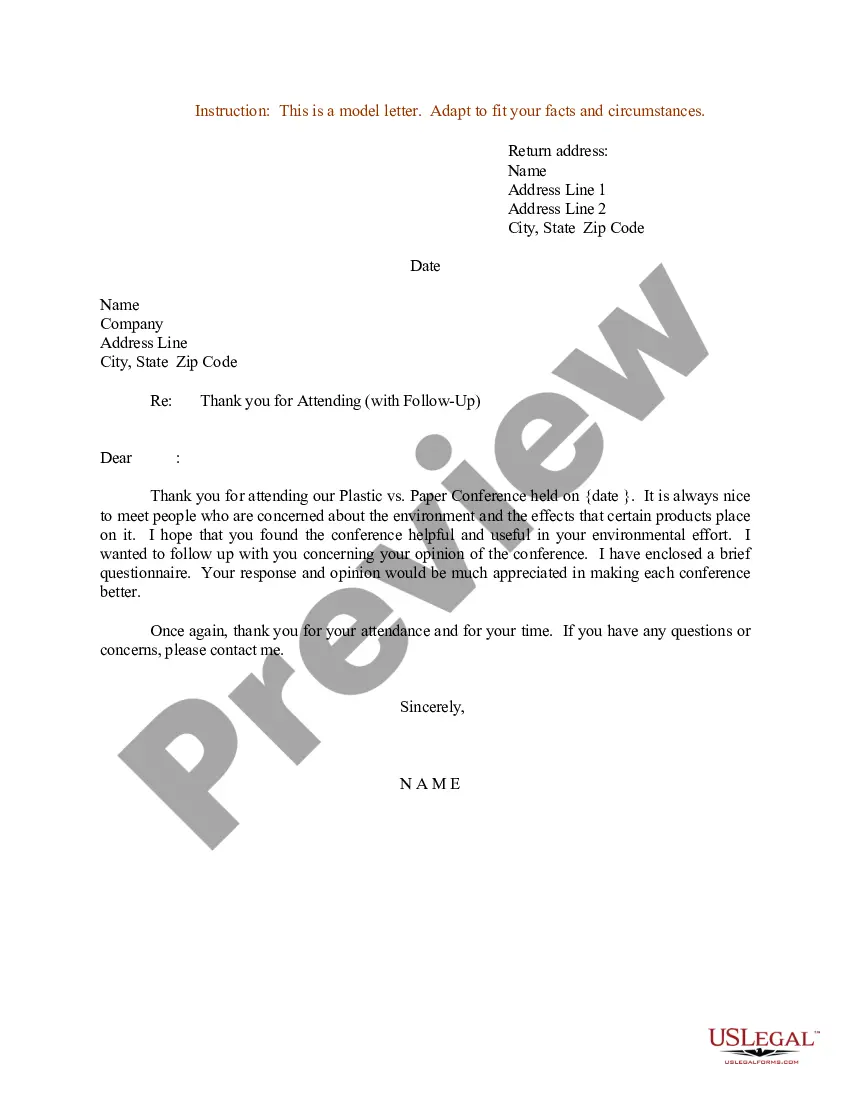
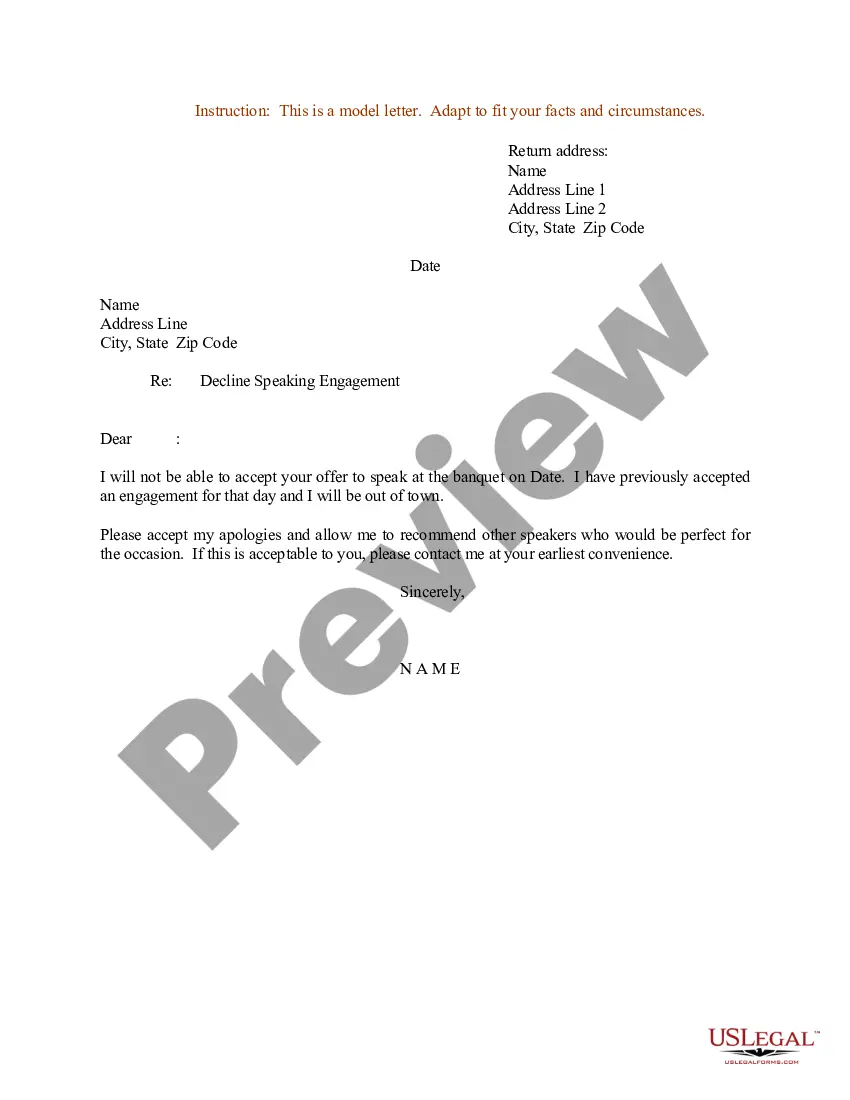
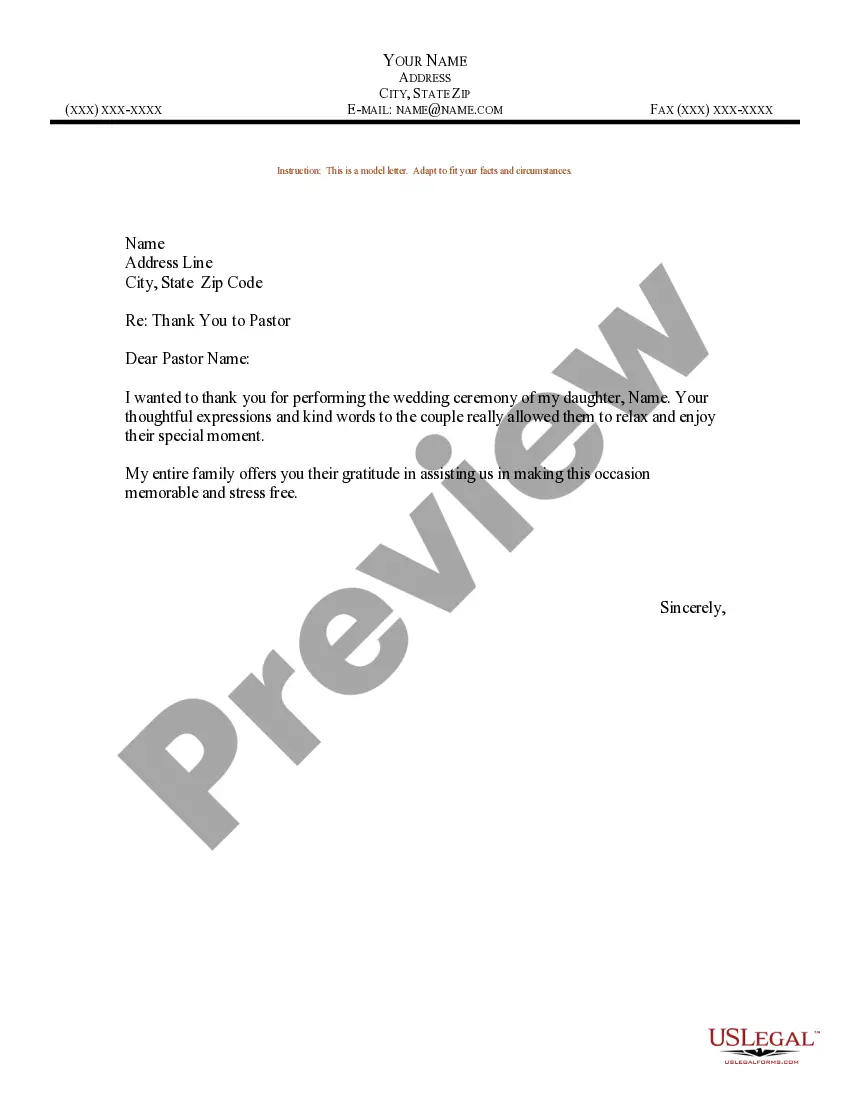
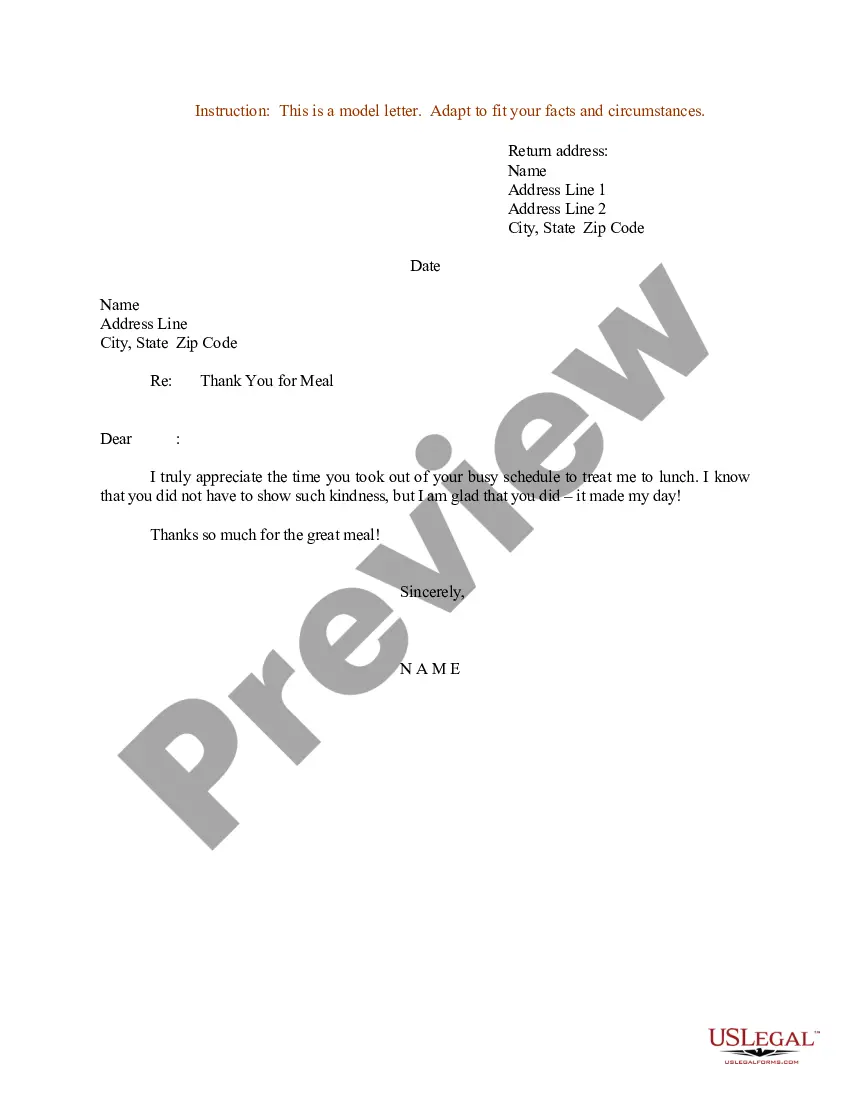
Get your form ready online
Our built-in tools help you complete, sign, share, and store your documents in one place.
Make edits, fill in missing information, and update formatting in US Legal Forms—just like you would in MS Word.
Download a copy, print it, send it by email, or mail it via USPS—whatever works best for your next step.
Sign and collect signatures with our SignNow integration. Send to multiple recipients, set reminders, and more. Go Premium to unlock E-Sign.
If this form requires notarization, complete it online through a secure video call—no need to meet a notary in person or wait for an appointment.
We protect your documents and personal data by following strict security and privacy standards.

Make edits, fill in missing information, and update formatting in US Legal Forms—just like you would in MS Word.

Download a copy, print it, send it by email, or mail it via USPS—whatever works best for your next step.

Sign and collect signatures with our SignNow integration. Send to multiple recipients, set reminders, and more. Go Premium to unlock E-Sign.

If this form requires notarization, complete it online through a secure video call—no need to meet a notary in person or wait for an appointment.

We protect your documents and personal data by following strict security and privacy standards.
Looking for another form?










Form popularity
FAQ
We are pleased to accept the instruction to act as your bookkeeper/accountant and we are writing to confirm the terms of our appointment. The purpose of this letter is to set out our terms for carrying out the work and to clarify our respective responsibilities.
An Engagement Letter is a binding agreement that formalizes the relationship between a service provider and a client by clearly defining the terms, responsibilities, and expectations of both parties.
An engagement letter is a formal, written agreement that clearly defines the professional relationship between an accountant and their client. It outlines the scope of work, terms of payment, duration of engagement, and other relevant details. It's crucial for accountants to know how to write an engagement letter.
Engagement letters set the terms of the agreement between two parties and include details such as the scope, fees, and responsibilities, among others. Some of the benefits of engagement letters are that they are legally binding documents, they reduce misunderstandings, and they set clear expectations.
Purpose of Engagement Letters It's the responsibility of the service provider to draft this document in alignment with the services to be rendered and in compliance with legal and professional standards.
Who Prepares a Letter of Engagement? An engagement letter is drafted by the company rendering the service, often with the help of a lawyer. It is than presented to the client, and both parties must sign in order for it to be legally binding.
Be Clear: Be direct and get straight to the point. Clearly state that you are terminating the attorney and briefly state the reasons why. Additionally, the termination letter should state that the attorney should immediately stop working on any pending matters.
Always terminate the relationship in writing. Even if you fire your attorney in a verbal exchange, you should follow up by sending a written termination letter. Be sure to send the letter by “certified mail with return receipt requested” so there's proof your lawyer received the letter.
(b) Except as stated in paragraph (c), a lawyer may withdraw from representing a client if: (1) withdrawal can be accomplished without material adverse effect on the interests of the client; (2) the client persists in a course of action involving the lawyer's services that the lawyer reasonably believes is criminal or ...
An engagement letter is drafted by the company rendering the service, often with the help of a lawyer. It is than presented to the client, and both parties must sign in order for it to be legally binding.

