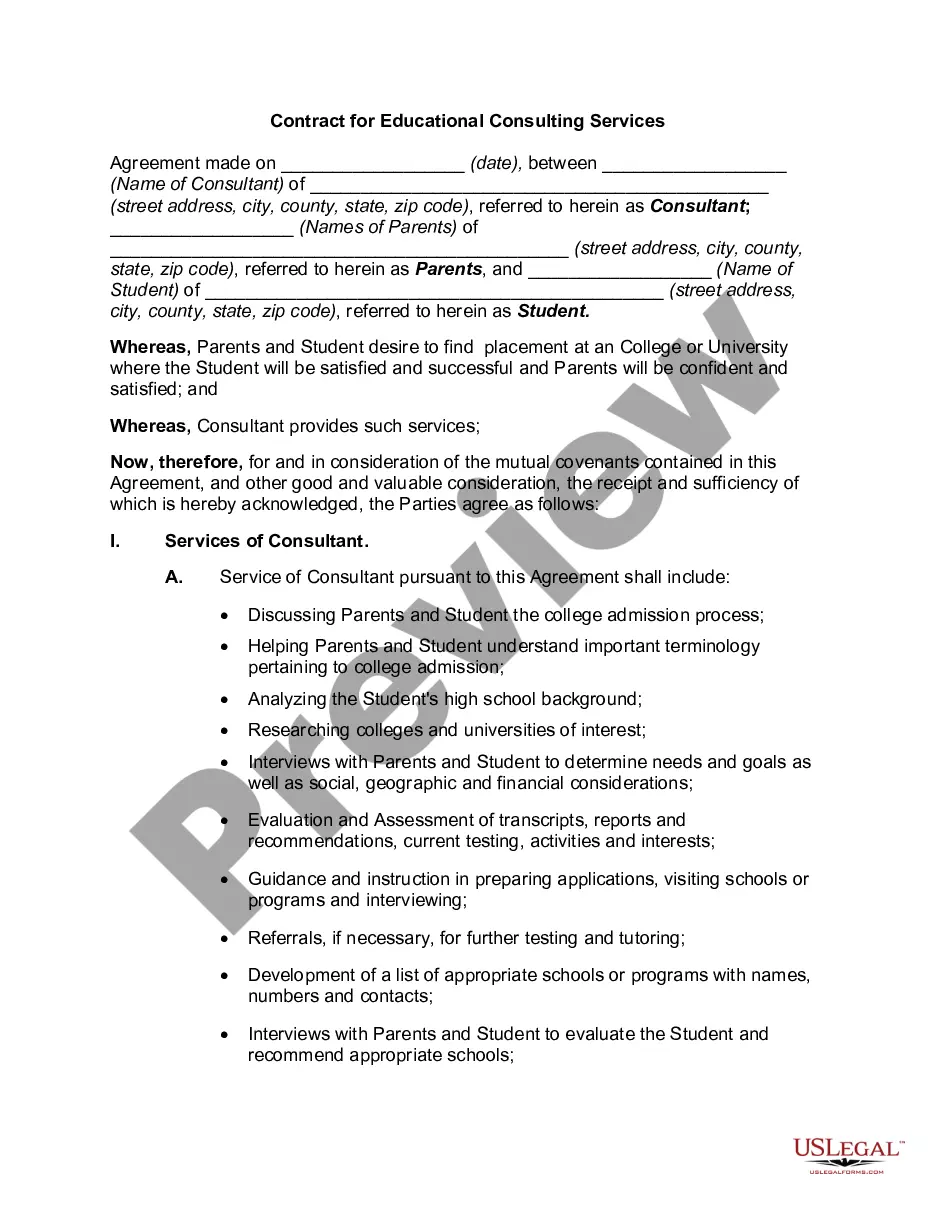
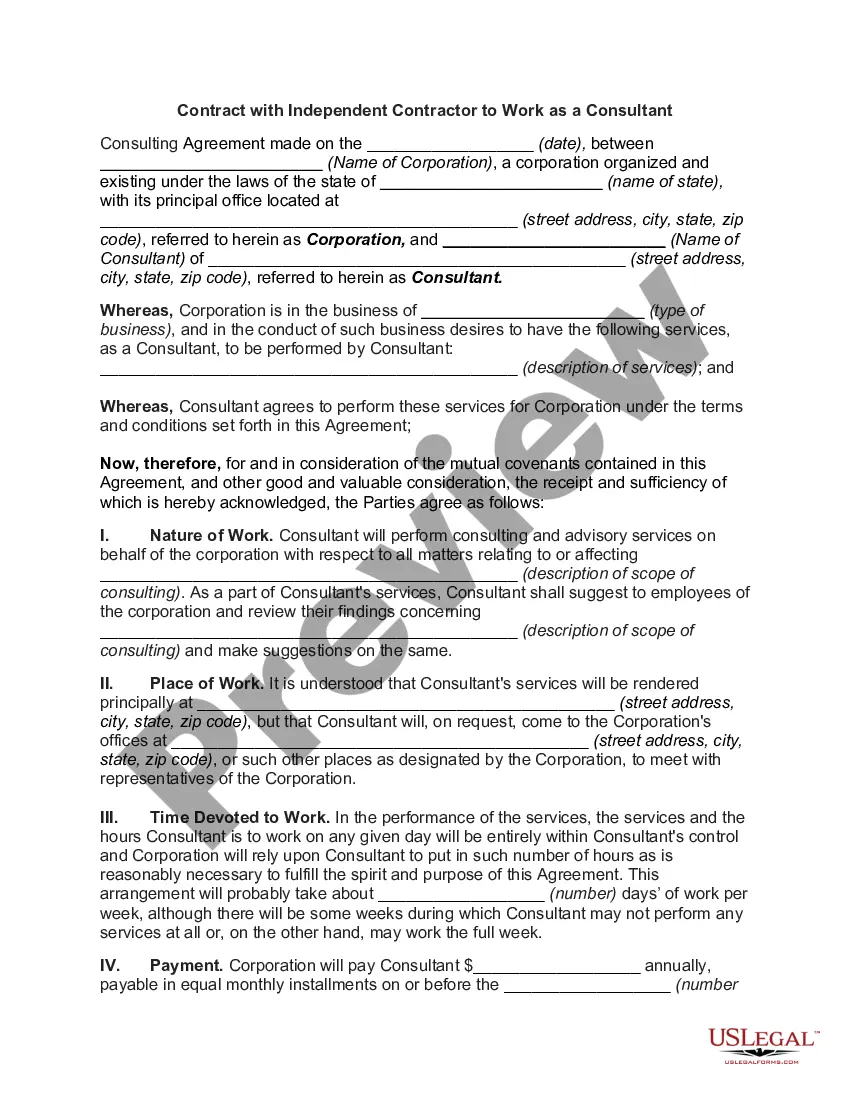
Consultant Work Contract For Construction In Sacramento
Description

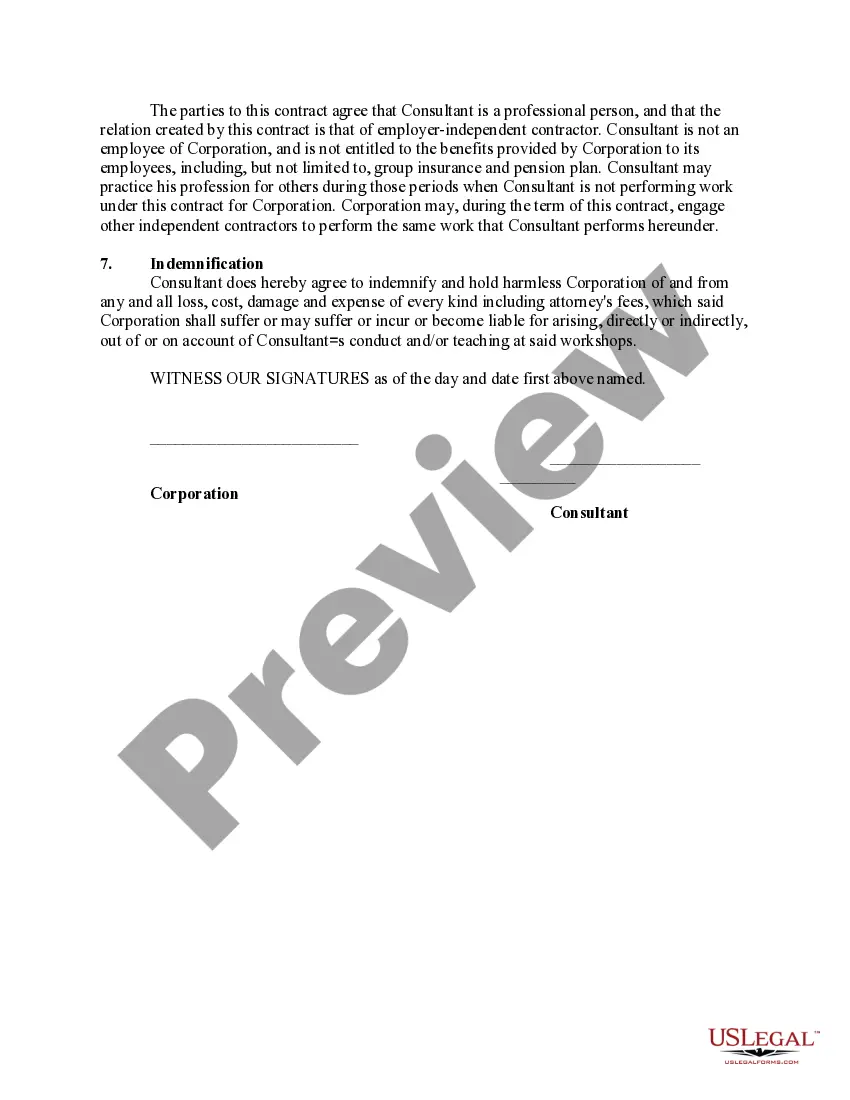
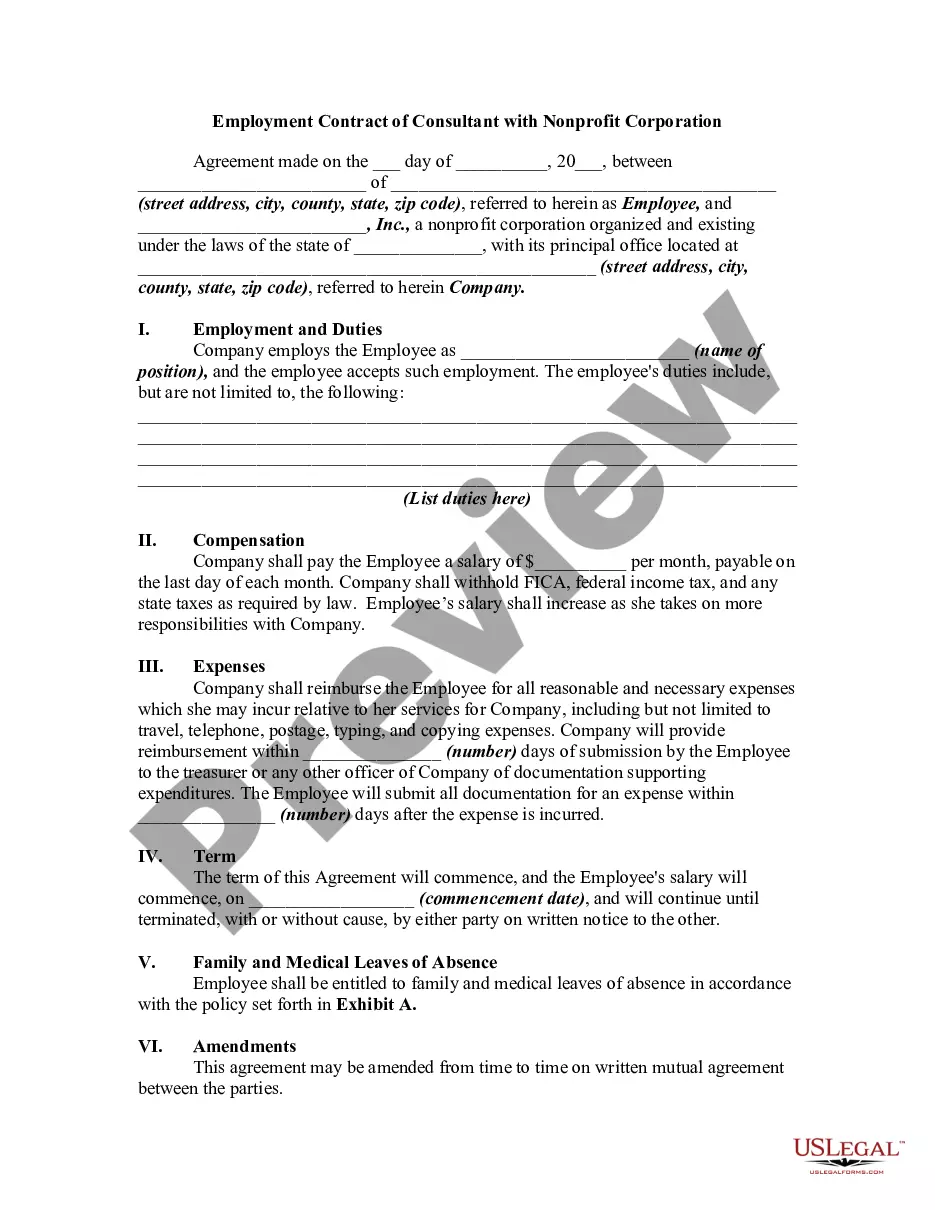
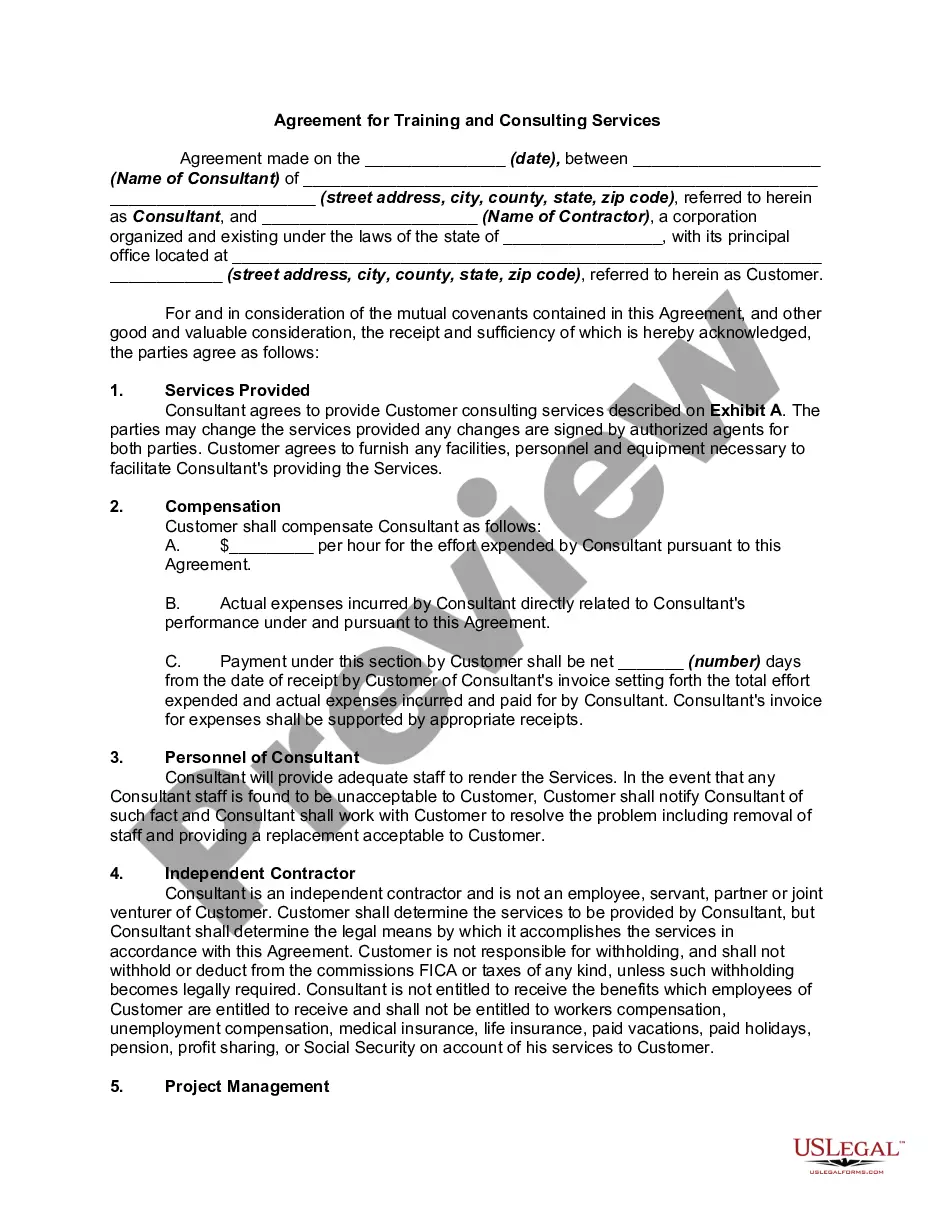
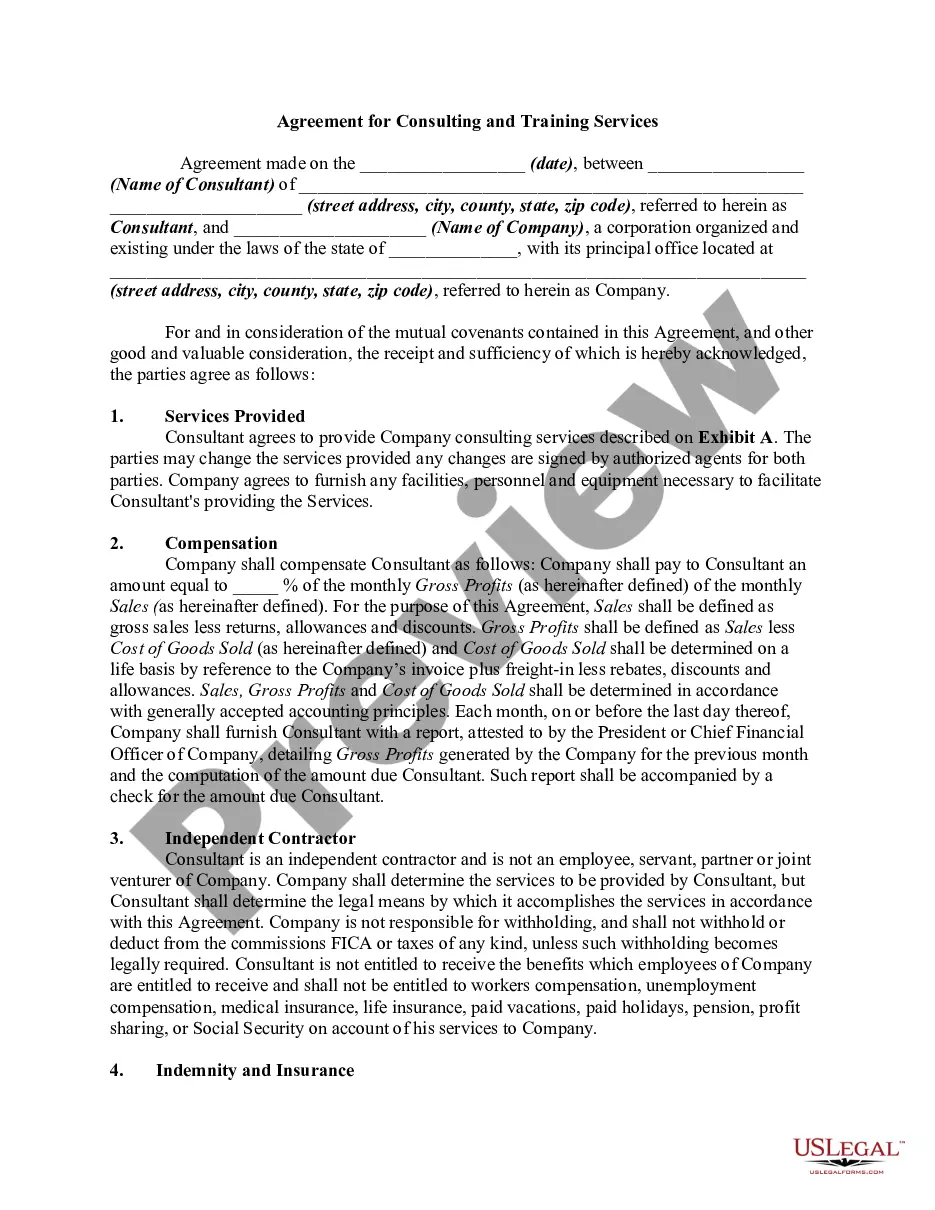
Get your form ready online
Our built-in tools help you complete, sign, share, and store your documents in one place.
Make edits, fill in missing information, and update formatting in US Legal Forms—just like you would in MS Word.
Download a copy, print it, send it by email, or mail it via USPS—whatever works best for your next step.
Sign and collect signatures with our SignNow integration. Send to multiple recipients, set reminders, and more. Go Premium to unlock E-Sign.
If this form requires notarization, complete it online through a secure video call—no need to meet a notary in person or wait for an appointment.
We protect your documents and personal data by following strict security and privacy standards.

Make edits, fill in missing information, and update formatting in US Legal Forms—just like you would in MS Word.

Download a copy, print it, send it by email, or mail it via USPS—whatever works best for your next step.

Sign and collect signatures with our SignNow integration. Send to multiple recipients, set reminders, and more. Go Premium to unlock E-Sign.

If this form requires notarization, complete it online through a secure video call—no need to meet a notary in person or wait for an appointment.

We protect your documents and personal data by following strict security and privacy standards.
Looking for another form?




Form popularity
FAQ
The general contractor is responsible for delivering a fully functional and operational facility or plant. This means that the investor can focus on their core business activities while the EPC contractor handles all aspects of the project, from design to commissioning.
If your project has a well-defined scope of work, a lump sum contract is a straightforward solution since contractors should be able to accurately estimate costs. If the project scope is unclear, contractors can bid with time and materials contracts to mitigate risk.
10 Different Types of Contracts Type of ContractEveryday Use Implied Contracts Common in everyday transactions like dining out. Express Contracts Standard in formal business agreements. Simple Contracts Used for straightforward services or transactions. Unconscionable Contracts Often challenged in court for fairness.10 more rows •
A consultant is an person who provides professional or expert advice in a particular field of science or business to either an organisation or individual. As there is no legal protection given to the job title 'consultant', in theory, anyone can on a day wake up and decide to adopt the consultant title.
How To Write A Construction Contract With 7 Steps Step 1: Define the Parties Involved. Step 2: Outline the Scope of Work. Step 3: Establish the Timeline. Step 4: Determine the Payment Terms. Step 5: Include Necessary Legal Clauses. Step 6: Address Change Orders and Modifications. Step 7: Sign and Execute the Contract.
What is a construction consultant? A construction consultant is someone who helps oversee construction projects. A business or individual may hire a construction consultant as a project management resource. Others also hire construction consultants to help reduce costs or building times.
Here are six best practices to write a consulting contract that defines your project scope and protects both you and your business. Define Duties, Deliverables, and Roles. Prepare for Potential Risk. Specify Project Milestones and Engagement Time. Identify Expenses and Outline Payment Terms. Specify Product Ownership.
In general, the difference is that the consultant's role is to evaluate a client's needs and provide expert advice and opinions on what needs to be done, while the contractors role is generally to evaluate the client's needs and actually perform the work.
Essentially, they are hired to share their expertise and knowledge to help businesses reach goals and solve problems. Sometimes, companies bring on consultants to perform day-to-day work and augment or supplement staff, without the overhead costs associated with a full-time employee.
Using design and planning expertise, consulting engineers can solve technical challenges, improve performance, create new designs, improve processes and procedures, check for causes of failure, advise on monitoring and maintenance, advise on materials limitations and benefits, provide equipment advice, help implement ...
