Contract For Training Employee In Illinois
Description

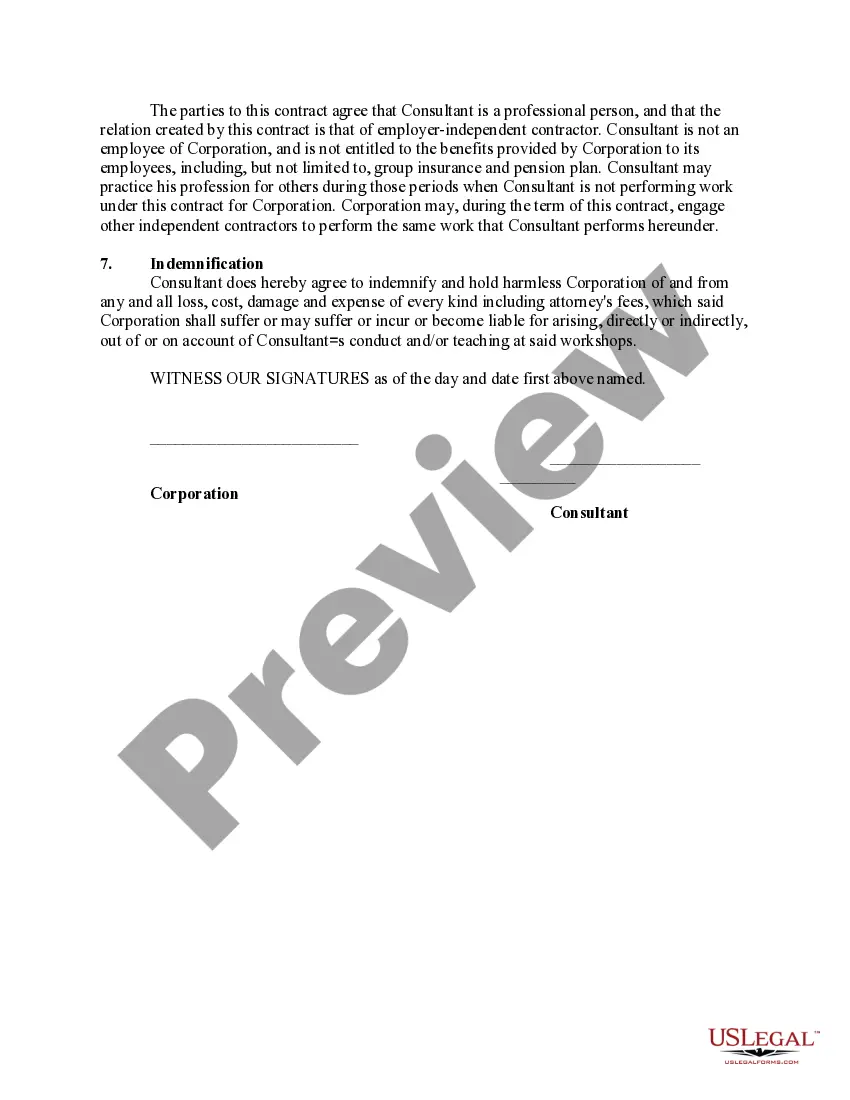
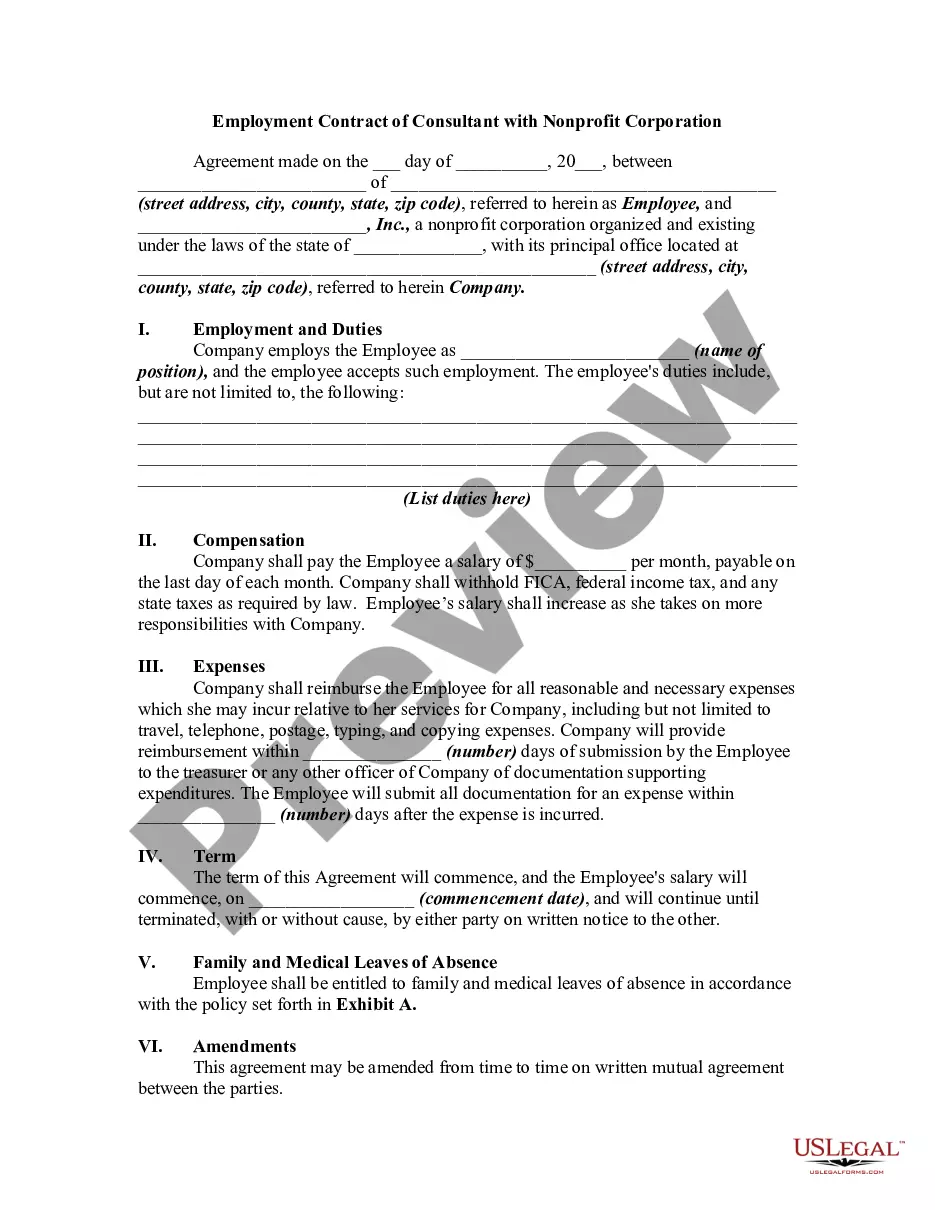
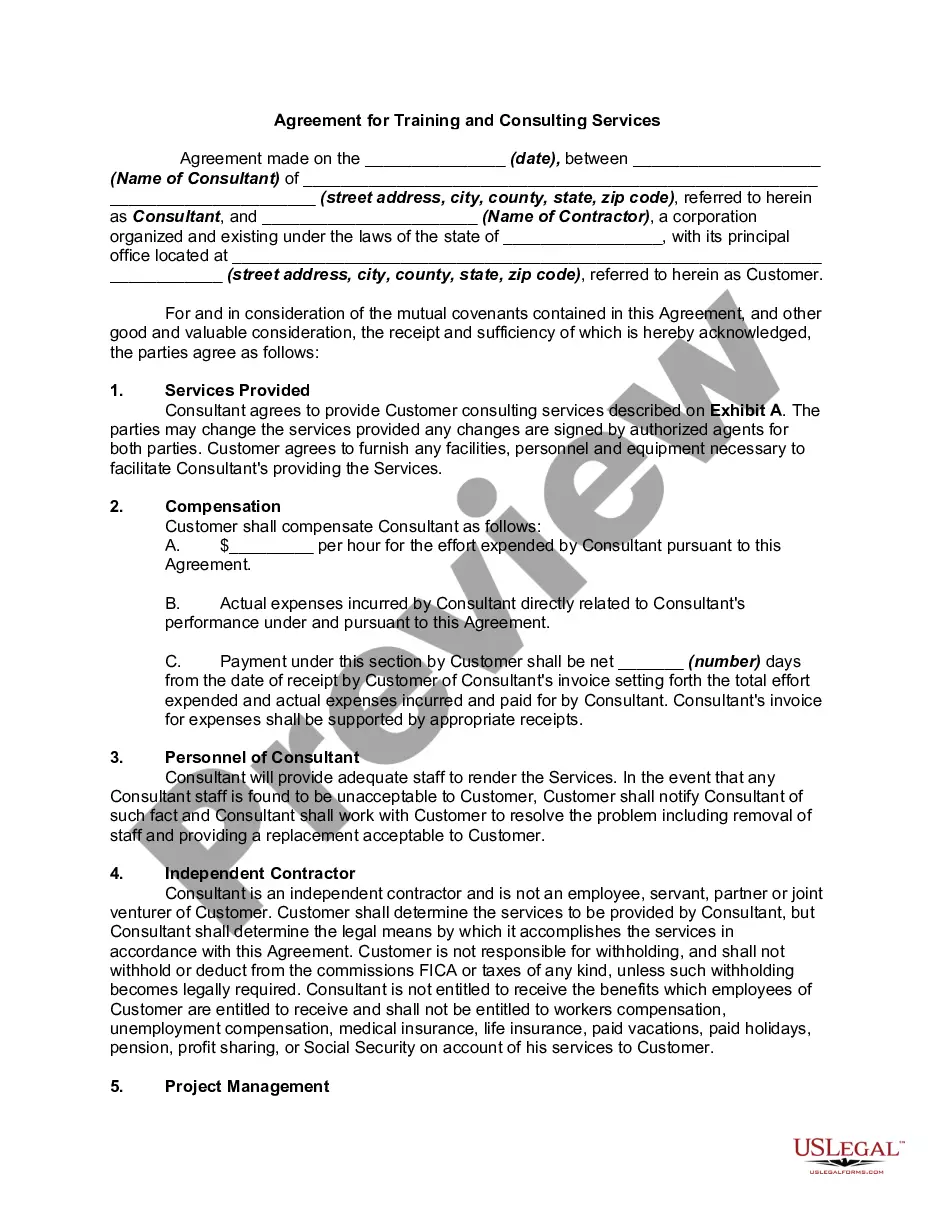
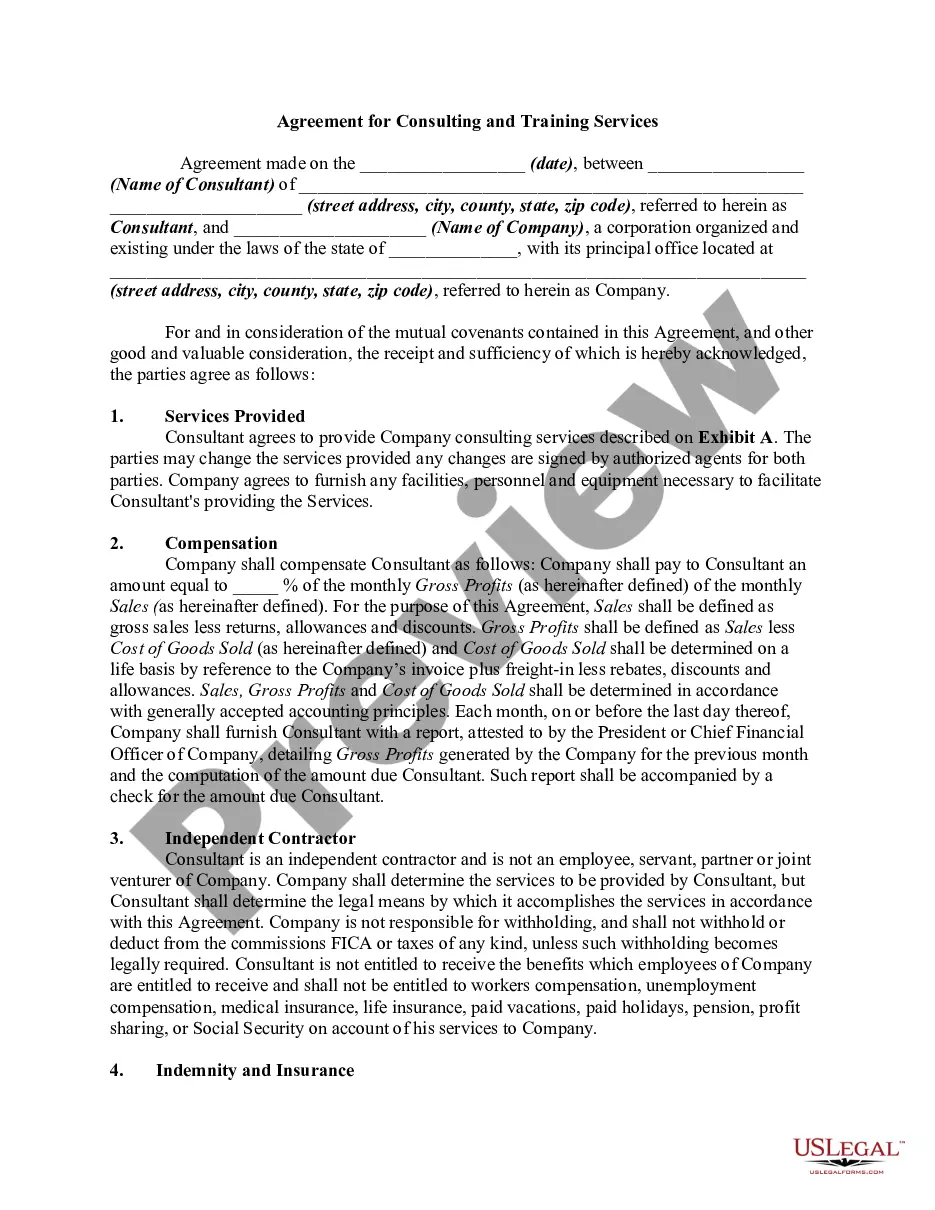
Get your form ready online
Our built-in tools help you complete, sign, share, and store your documents in one place.
Make edits, fill in missing information, and update formatting in US Legal Forms—just like you would in MS Word.
Download a copy, print it, send it by email, or mail it via USPS—whatever works best for your next step.
Sign and collect signatures with our SignNow integration. Send to multiple recipients, set reminders, and more. Go Premium to unlock E-Sign.
If this form requires notarization, complete it online through a secure video call—no need to meet a notary in person or wait for an appointment.
We protect your documents and personal data by following strict security and privacy standards.

Make edits, fill in missing information, and update formatting in US Legal Forms—just like you would in MS Word.

Download a copy, print it, send it by email, or mail it via USPS—whatever works best for your next step.

Sign and collect signatures with our SignNow integration. Send to multiple recipients, set reminders, and more. Go Premium to unlock E-Sign.

If this form requires notarization, complete it online through a secure video call—no need to meet a notary in person or wait for an appointment.

We protect your documents and personal data by following strict security and privacy standards.
Looking for another form?






Form popularity
FAQ
In Illinois, the elements necessary for a valid contract are: • An offer. An acceptance. Consideration. Ascertainable Material terms.
Once a valid contract is formed, it is legally binding upon both parties and can be enforced in court. Our employment lawyers in Chicago are equipped to handle your case with care.
And even though contracts are infinitely varied in length, terms, and complexity, all contracts must contain these six essential elements. Offer. Acceptance. Awareness. Consideration. Capacity. Legality.
An Illinois employment contract agreement is a document that defines the terms of an individual's employment with an employer. It can benefit both parties to clearly define the employee's rights, duties, responsibilities, income, and how they can and cannot be terminated.
The basic elements required for the agreement to be a legally enforceable contract are: mutual assent , expressed by a valid offer and acceptance ; adequate consideration ; capacity ; and legality .
The different forms of breach of contract as well as remedies for breach of contract will also be briefly discussed. A contract will only be legally binding upon the contracting parties if the following requirements are complied with: consensus, contractual capacity, certainty, possibility, legality and formalities.
You are required to be given a three day right to cancel a home repair contract if: the sale of services or merchandise involves $25 or more, and • the contract is signed when the salesperson or contractor is physically present in your residence.
Every employer in the State of Illinois is required to provide employees with sexual harassment prevention training that complies with section 2-109 of the Illinois Human Rights Act (“IHRA”). All employees regardless of their status (i.e., short-term, part-time, or intern) must be trained.
Training agreements provide legal protection for employers. They can include clauses that allow employees to repay training expenses if they quit the company within a specific timeframe. This ensures the company can avoid the financial burden of training employees who end up leaving for other opportunities.
Employees must be allowed to refuse working a “clopen” shift (a shifted separated by less than ten hours after their previous shift ends).
