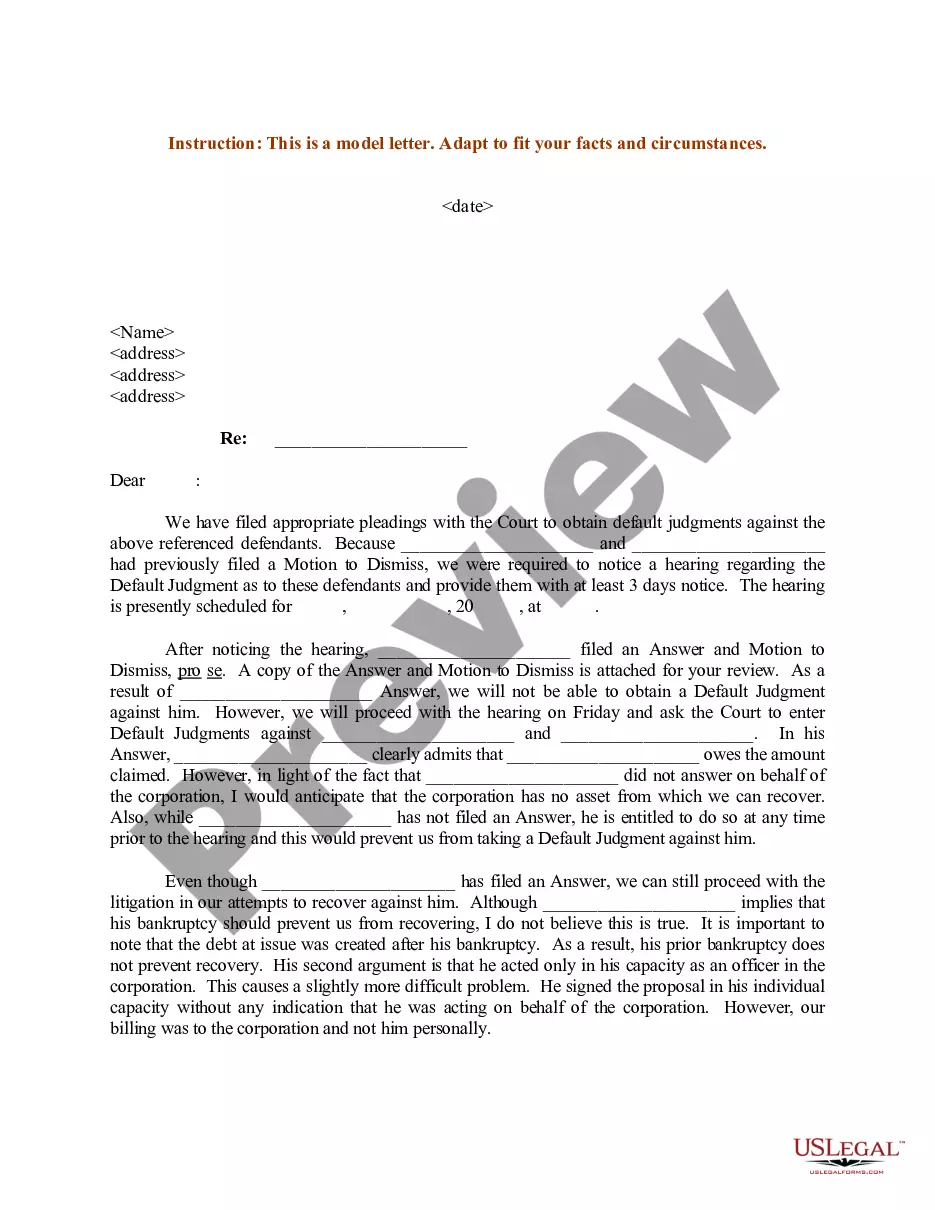
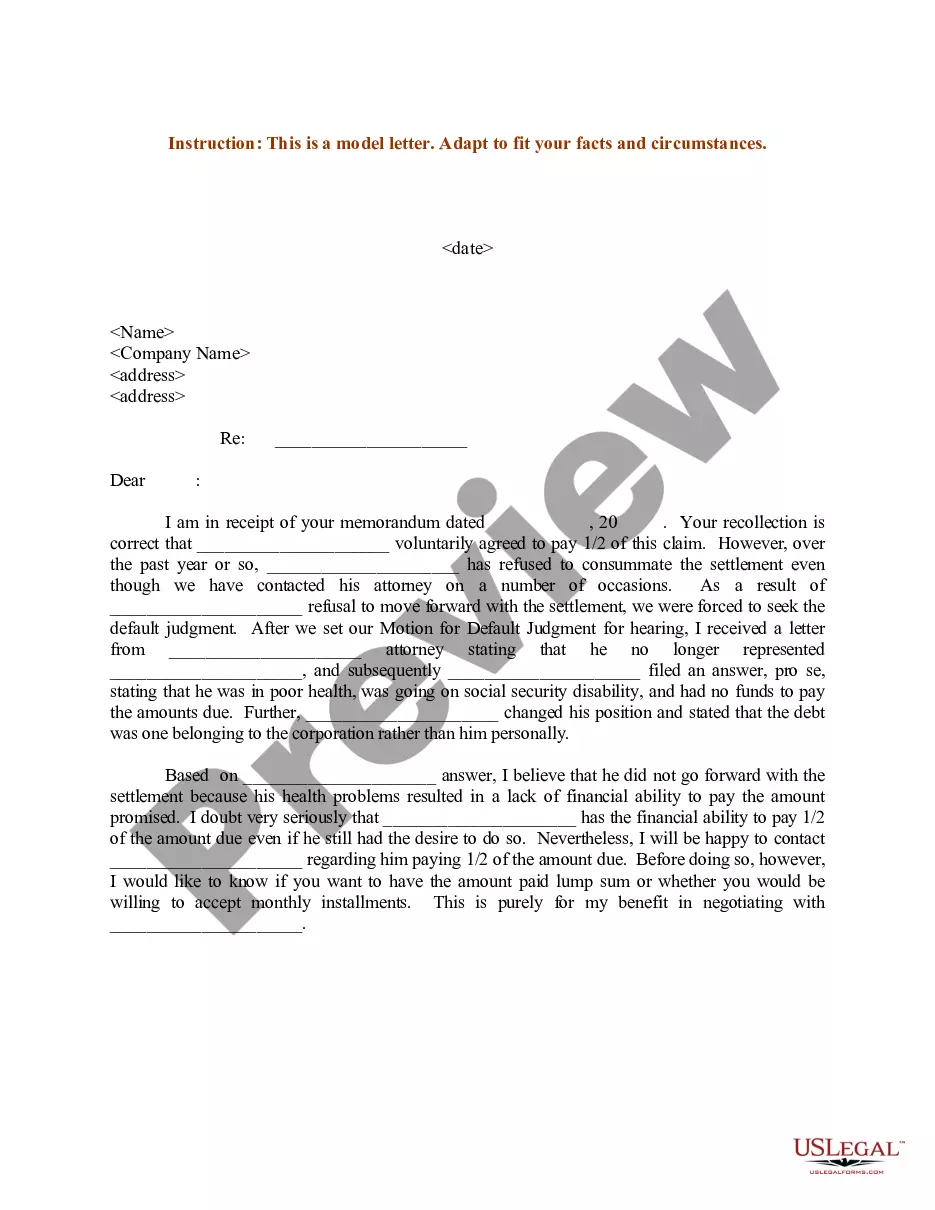
Letter For Judgment In Queens
Description



Get your form ready online
Our built-in tools help you complete, sign, share, and store your documents in one place.
Make edits, fill in missing information, and update formatting in US Legal Forms—just like you would in MS Word.
Download a copy, print it, send it by email, or mail it via USPS—whatever works best for your next step.
Sign and collect signatures with our SignNow integration. Send to multiple recipients, set reminders, and more. Go Premium to unlock E-Sign.
If this form requires notarization, complete it online through a secure video call—no need to meet a notary in person or wait for an appointment.
We protect your documents and personal data by following strict security and privacy standards.

Make edits, fill in missing information, and update formatting in US Legal Forms—just like you would in MS Word.

Download a copy, print it, send it by email, or mail it via USPS—whatever works best for your next step.

Sign and collect signatures with our SignNow integration. Send to multiple recipients, set reminders, and more. Go Premium to unlock E-Sign.

If this form requires notarization, complete it online through a secure video call—no need to meet a notary in person or wait for an appointment.

We protect your documents and personal data by following strict security and privacy standards.
Looking for another form?









Form popularity
FAQ
You can contact your bank, employer, or credit reporting company to find out which Court made the judgment. You can use the Court Locator on this page to find a Court. Then contact the Court and get a copy of the court file, including the Affidavit of Service for the Summons and Complaint.
In a debt collection lawsuit, a judgment is a court order that allows the debt collector to use stronger tools, like garnishment, to collect the debt. A judgment is an official result of a lawsuit in court.
Once the Judgment is entered, the winner should serve a copy of the Judgment with "notice of entry" on the loser. This service starts the loser's time to appeal running.
Most creditors will file the release of judgment within 30-60 after you finish paying them. What if I need the judgment released immediately (“I'm supposed to close next week!”)? You can ask them to give you the release sooner. They might do it; they might not.
Filing a Lien at the County Clerk's Office A Judgment Creditor can make their City Court Judgment more powerful by filing their judgment in the County Clerk's Office. This is accomplished by the Judgment Creditor requesting a "Transcript of Judgment" from the City Court Clerk.
To file a notice of lien, you must complete the Public Improvement Lien Form. You must also sign and notarize both the Lien Form and the Affidavit of Service. You can submit everything to DOF by mail or in person. Learn more about the Manhattan Business Center.
Filing a Lien at the County Clerk's Office A Judgment Creditor can make their City Court Judgment more powerful by filing their judgment in the County Clerk's Office. This is accomplished by the Judgment Creditor requesting a "Transcript of Judgment" from the City Court Clerk.
A transcript of the judgment of a court of the United States rendered or filed within the state may be filed in the office of the clerk of any county and upon such filing the clerk shall docket the judgment in the same manner and with the same effect as a judgment entered in the supreme court within the county.
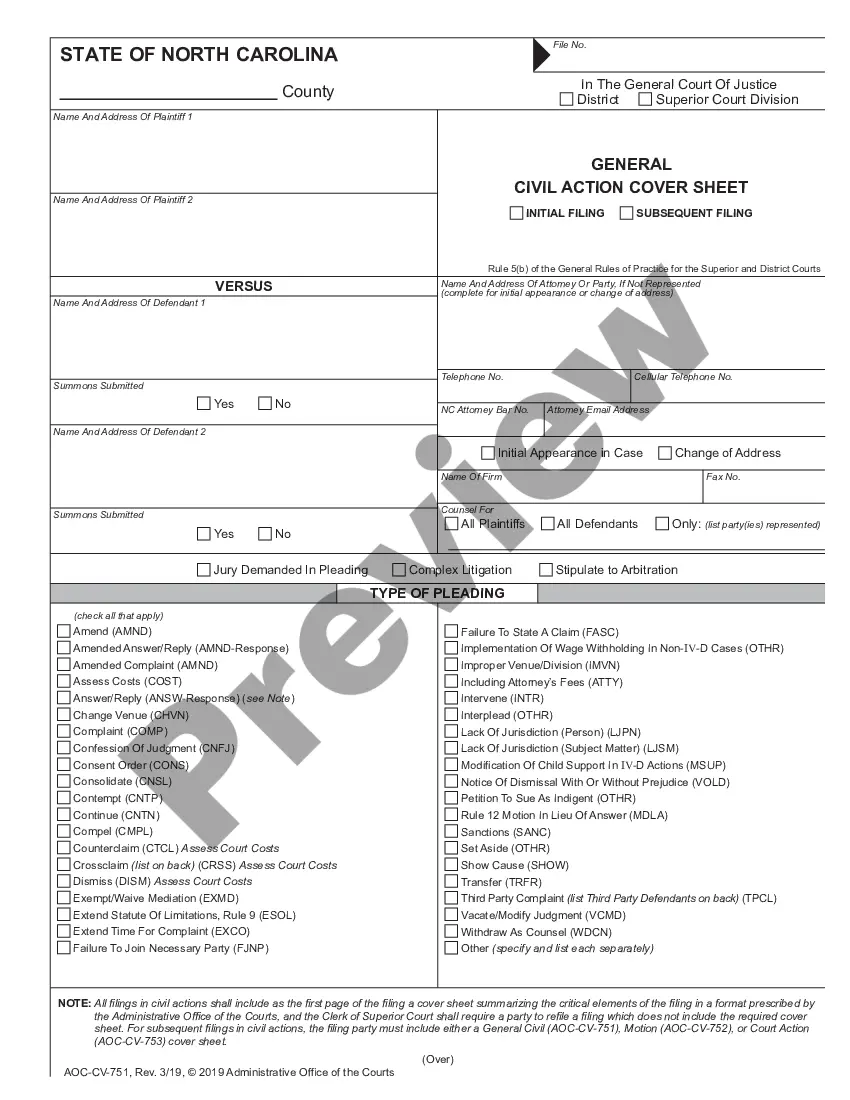
The Notice of Entry of Judgment (SC-130) is a court form that states the judge's decision. This form also tells you about your rights and lists the date the form was mailed to you. This date is very important. You have only 30 days from this date to file a motion to vacate the judgment or appeal the judge's decision.
The judgment becomes a matter of public record, and is indexed with the clerk of the court. It shows up on your credit report as well as on any background checks. The judgment is considered a lien against your property, including any real estate that you have, in the state in which the judgment is filed.

