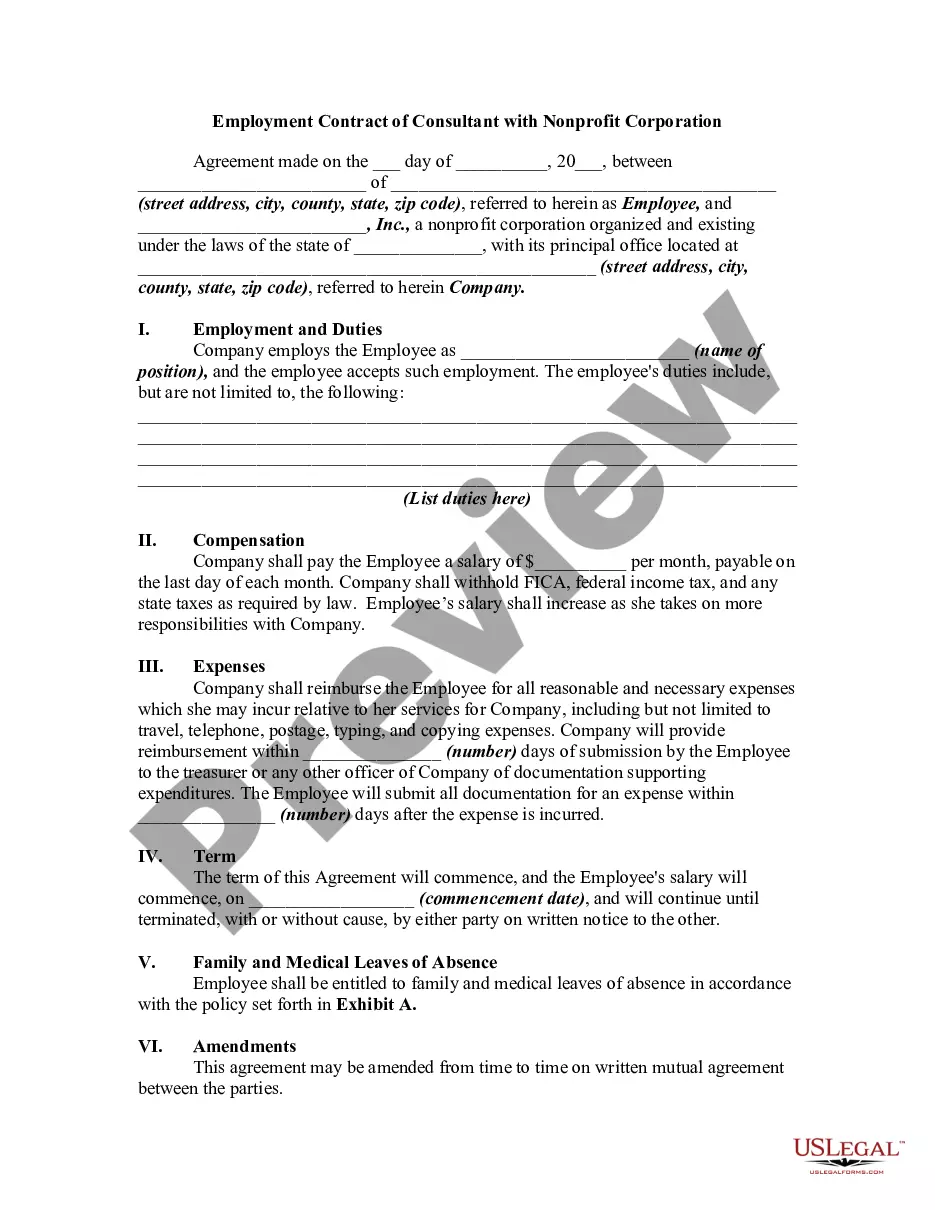
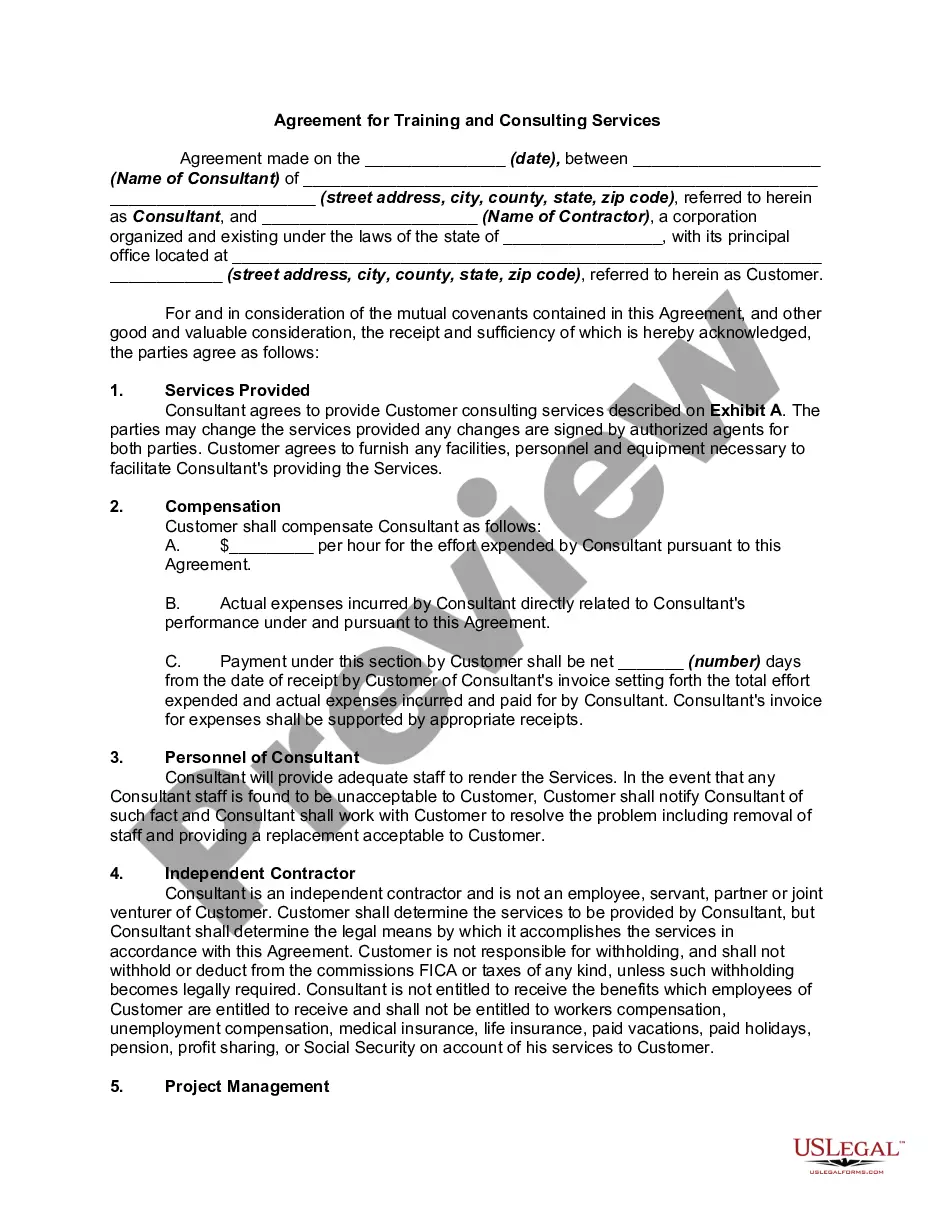
Consultant Work Contract For Accounting In Franklin
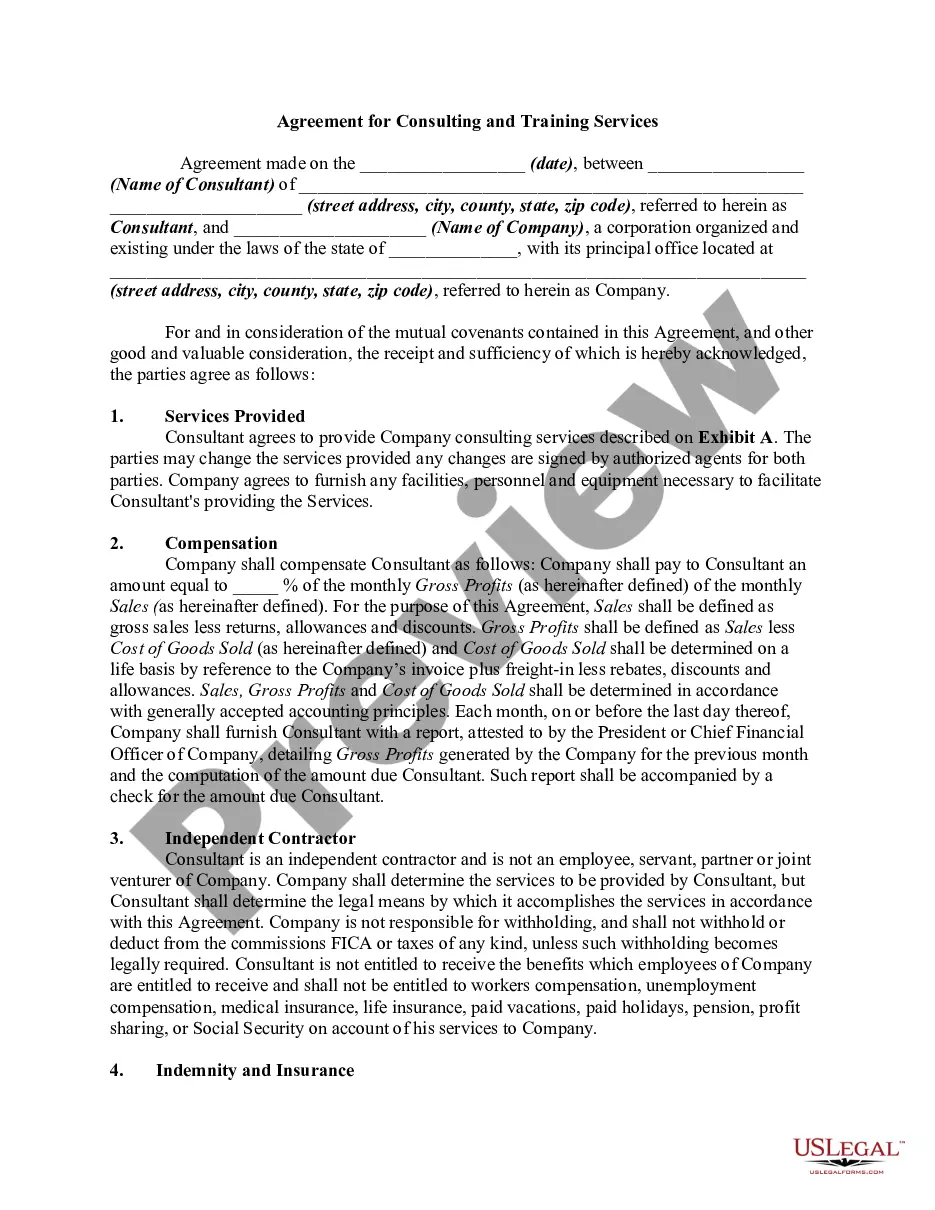
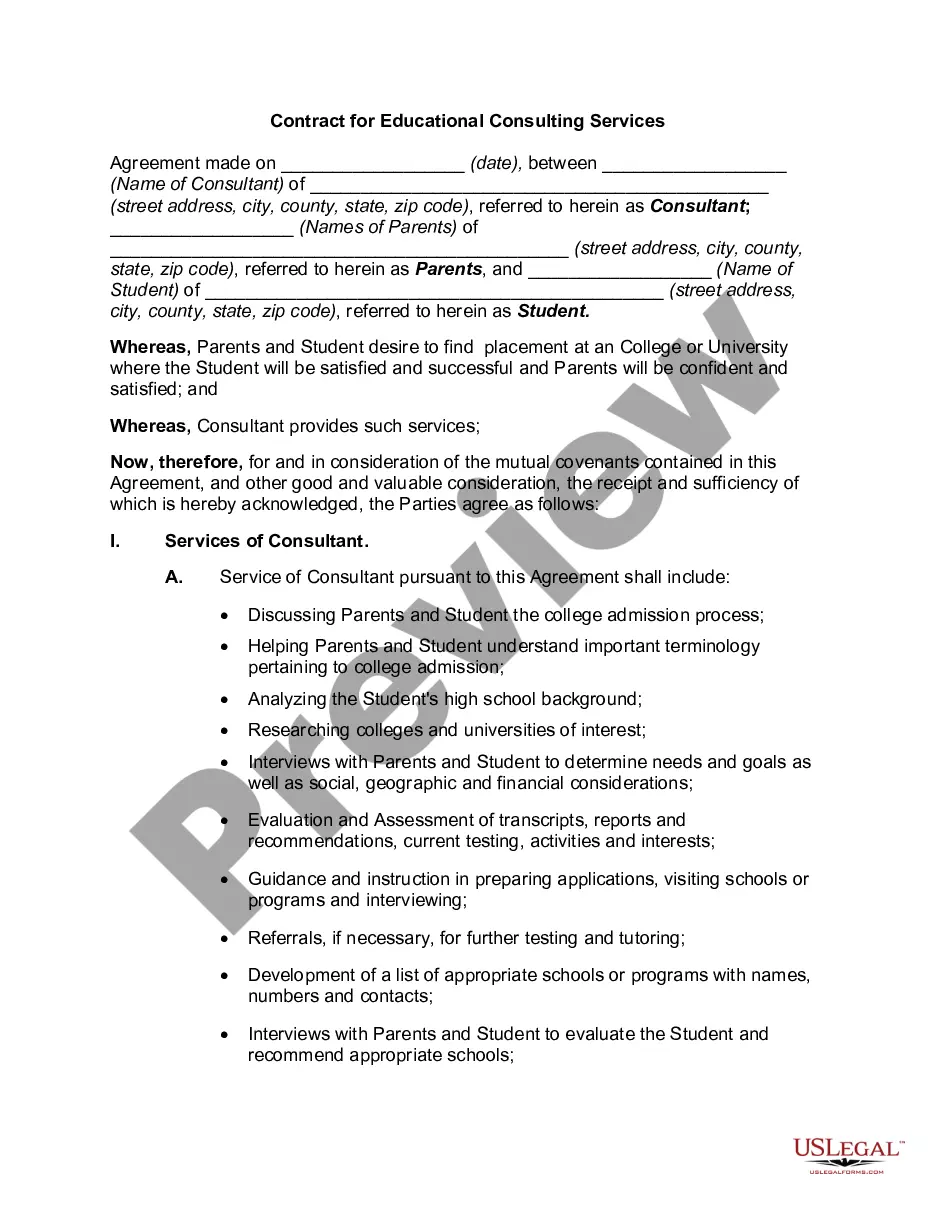
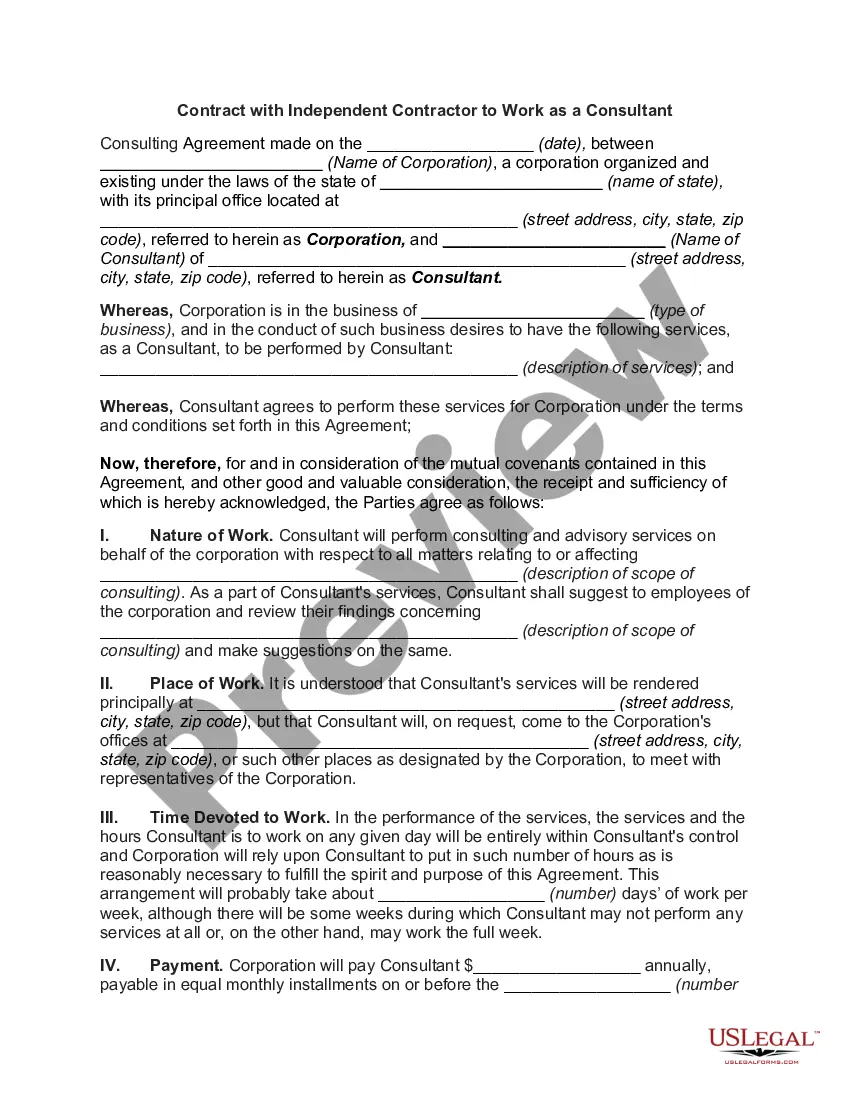
Description

Get your form ready online
Our built-in tools help you complete, sign, share, and store your documents in one place.
Make edits, fill in missing information, and update formatting in US Legal Forms—just like you would in MS Word.
Download a copy, print it, send it by email, or mail it via USPS—whatever works best for your next step.
Sign and collect signatures with our SignNow integration. Send to multiple recipients, set reminders, and more. Go Premium to unlock E-Sign.
If this form requires notarization, complete it online through a secure video call—no need to meet a notary in person or wait for an appointment.
We protect your documents and personal data by following strict security and privacy standards.

Make edits, fill in missing information, and update formatting in US Legal Forms—just like you would in MS Word.

Download a copy, print it, send it by email, or mail it via USPS—whatever works best for your next step.

Sign and collect signatures with our SignNow integration. Send to multiple recipients, set reminders, and more. Go Premium to unlock E-Sign.

If this form requires notarization, complete it online through a secure video call—no need to meet a notary in person or wait for an appointment.

We protect your documents and personal data by following strict security and privacy standards.
Looking for another form?








Form popularity
FAQ
A consulting contract should offer a detailed description of the duties you will perform and the deliverables you promise the client. The agreement may also explain how much work you will perform at the client's office and how often you will work remotely.
No, if you are an independent consultant or distributor for a direct sales or multi-level marketing company you are also required to report your income on Schedule C (Form 1040). As explained earlier, if you have net profits of at least $400 you'll also need to file Schedule SE.
Basic Elements of Consulting Contracts Identify who is entering into the contract (name of companies/organizations). Identify who you/your company will be working with specifically. Detail clear payment schedules. Include clauses for how each party can end the contract. Provide a clear scope of work.
Use these steps to help you get your first consulting contract: Consider your areas of expertise. In order to book a contract, you need to know what areas you can train in. Target companies in your area. Meet with the owner. Prove your knowledge. Get the contract. Ask for a referral and testimonial.
Here's a list of steps on how to become an accountant consultant: Earn an undergraduate degree. Gain relevant experience. Obtain a CPA certification. Network with professionals. Consider higher education.
But dig deeper, and you'll find CPAs doing some amazingly interesting work as consultants. Many CPAs working for consulting firms say they love the job because it takes them to some of the biggest, most successful companies in the world to work on their toughest business challenges.
It's fairly common for CPAs to become part-time or full-time consultants just prior to retirement, while others enjoy the benefits of greater flexibility and control over their schedules earlier in their careers. Another option is to consult on the side, or in between permanent jobs.
To break into management consulting, focus on obtaining a relevant degree, developing strong analytical and communication skills, and gaining practical experience through internships or entry-level roles. Networking is key, so leverage alumni connections and attend industry events.
It's fairly common for CPAs to become part-time or full-time consultants just prior to retirement, while others enjoy the benefits of greater flexibility and control over their schedules earlier in their careers. Another option is to consult on the side, or in between permanent jobs.
Master of Business Administration (MBA): - This is the most common degree for consultants. An MBA program typically covers a wide range of business topics, including strategy, finance, marketing, and operations, providing a strong foundation for consulting roles.