Consultant Work Contract For Accounting In Cook
Description

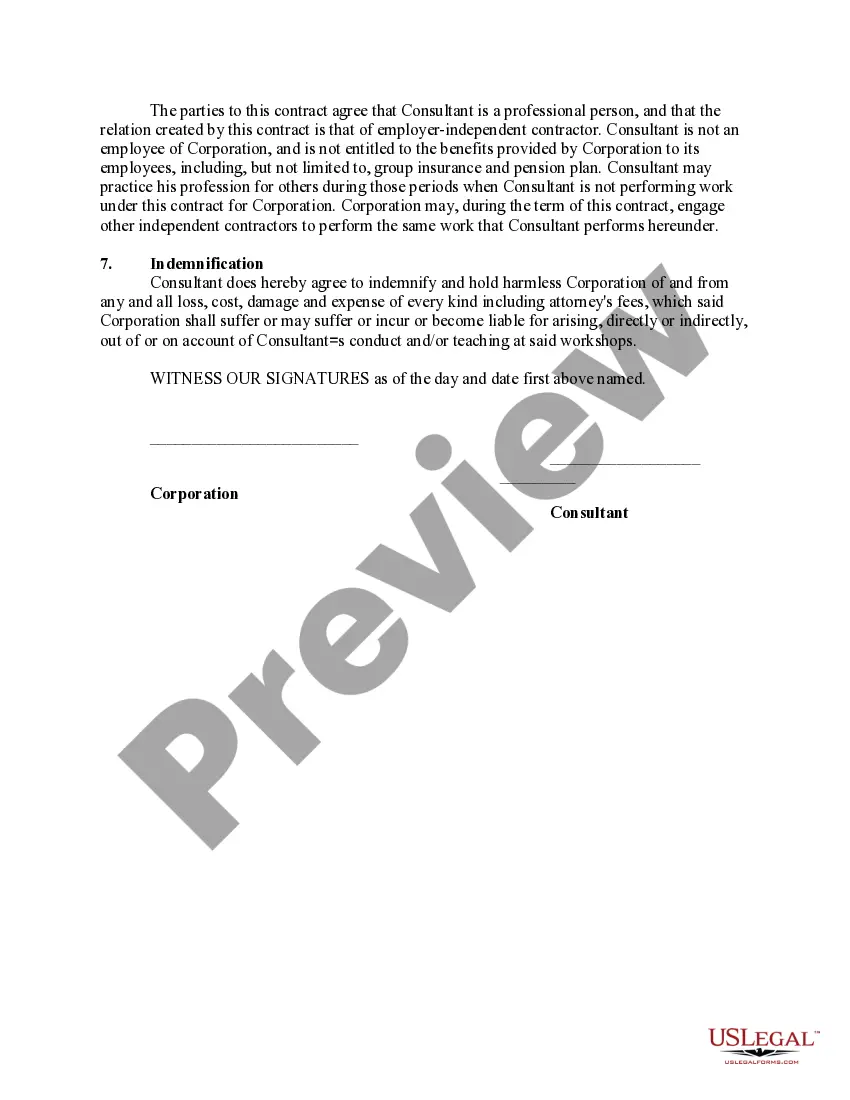
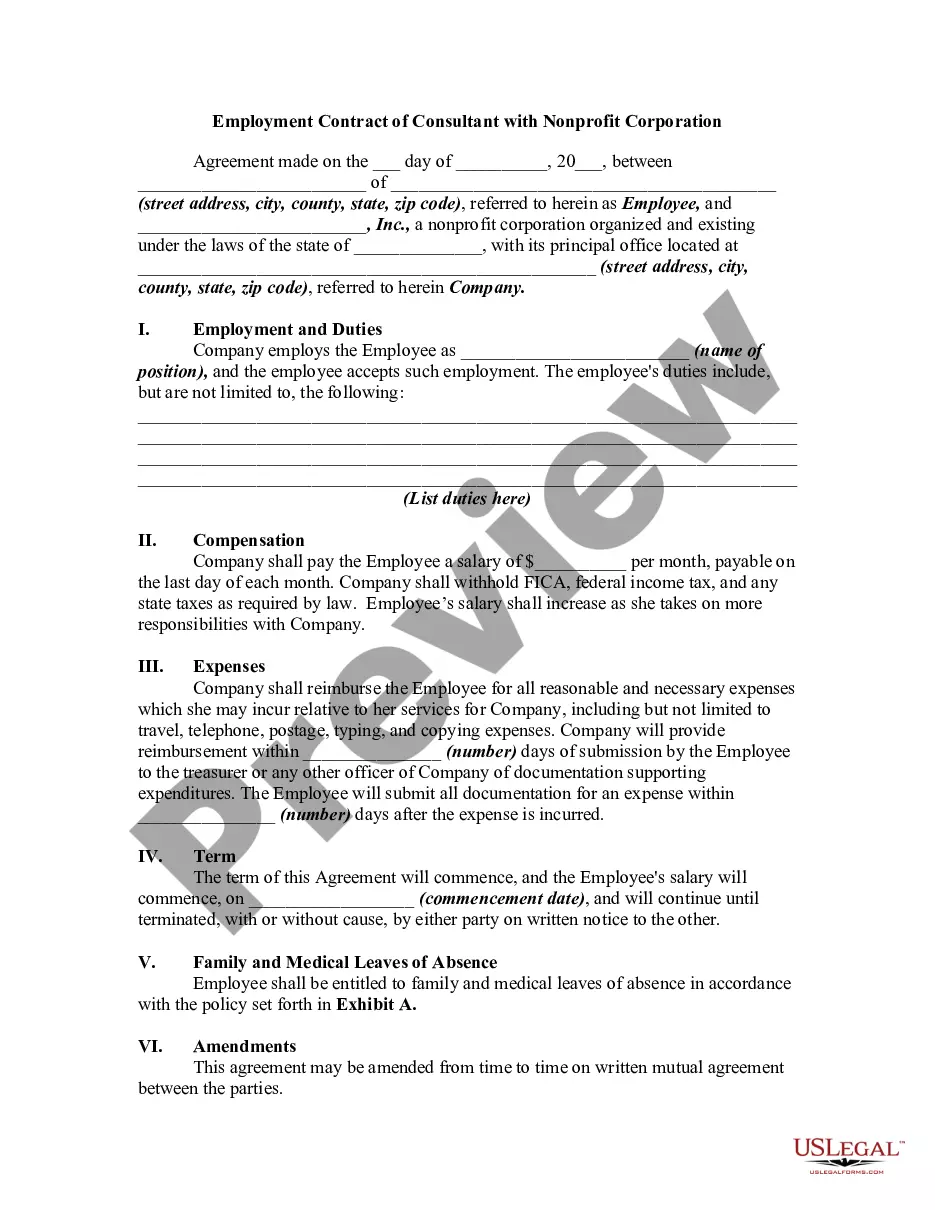
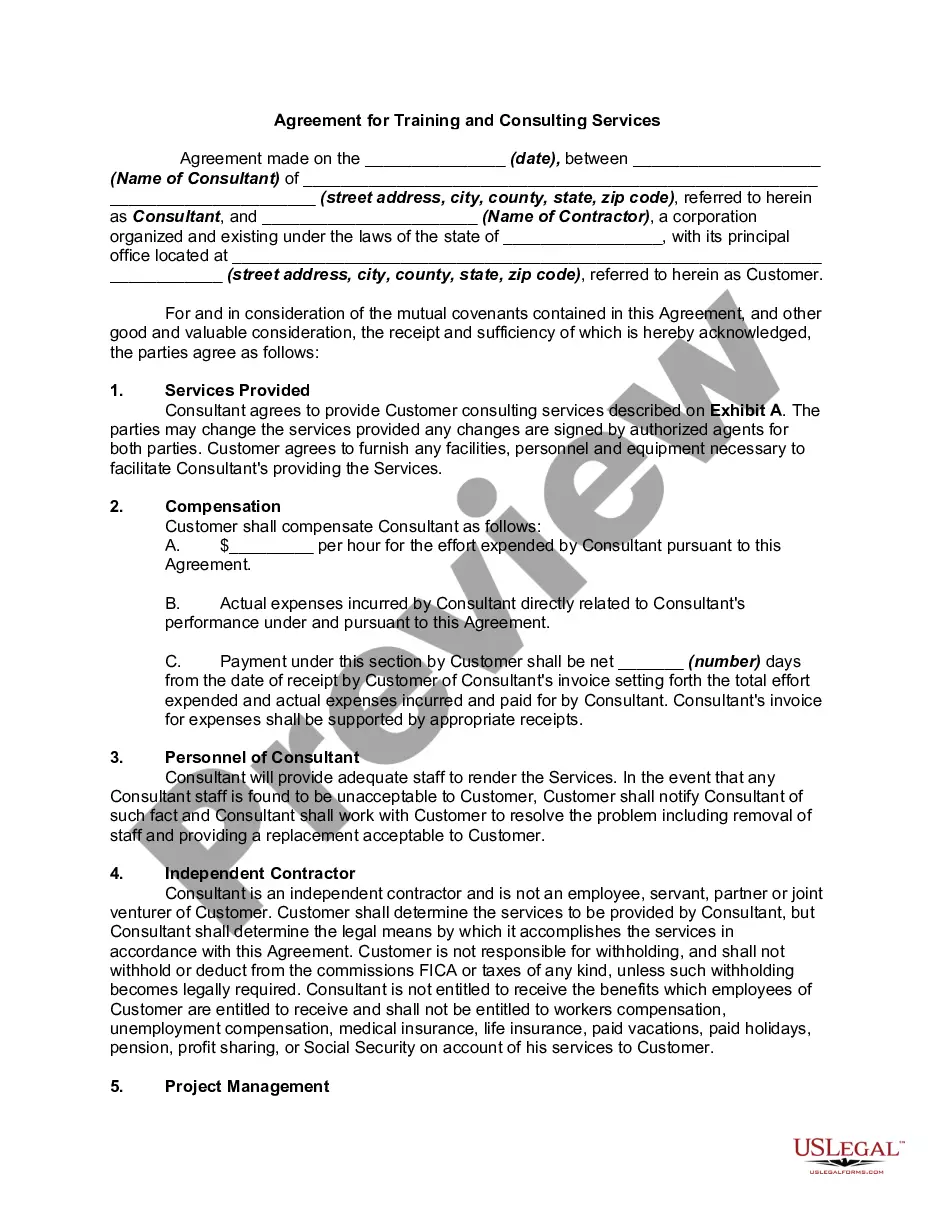
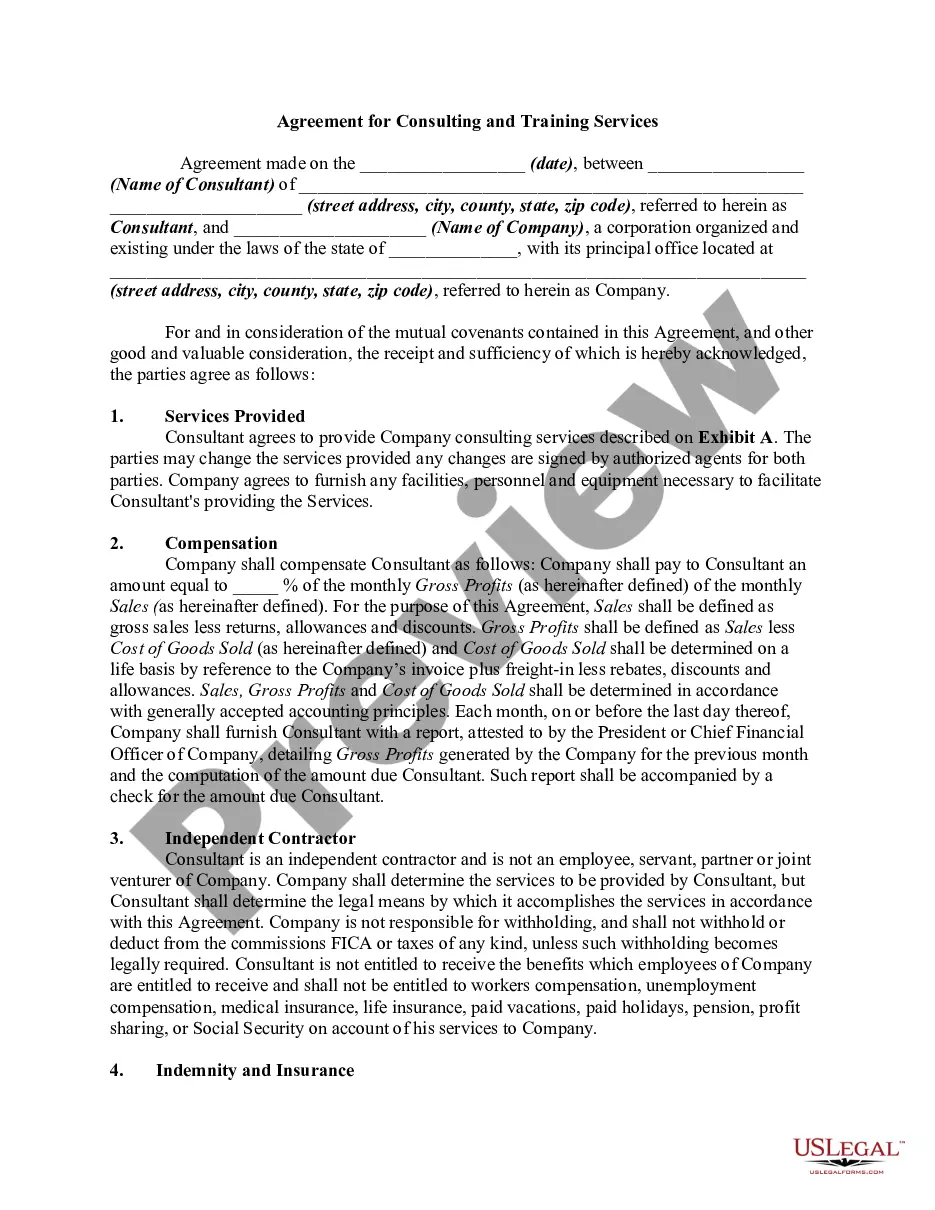
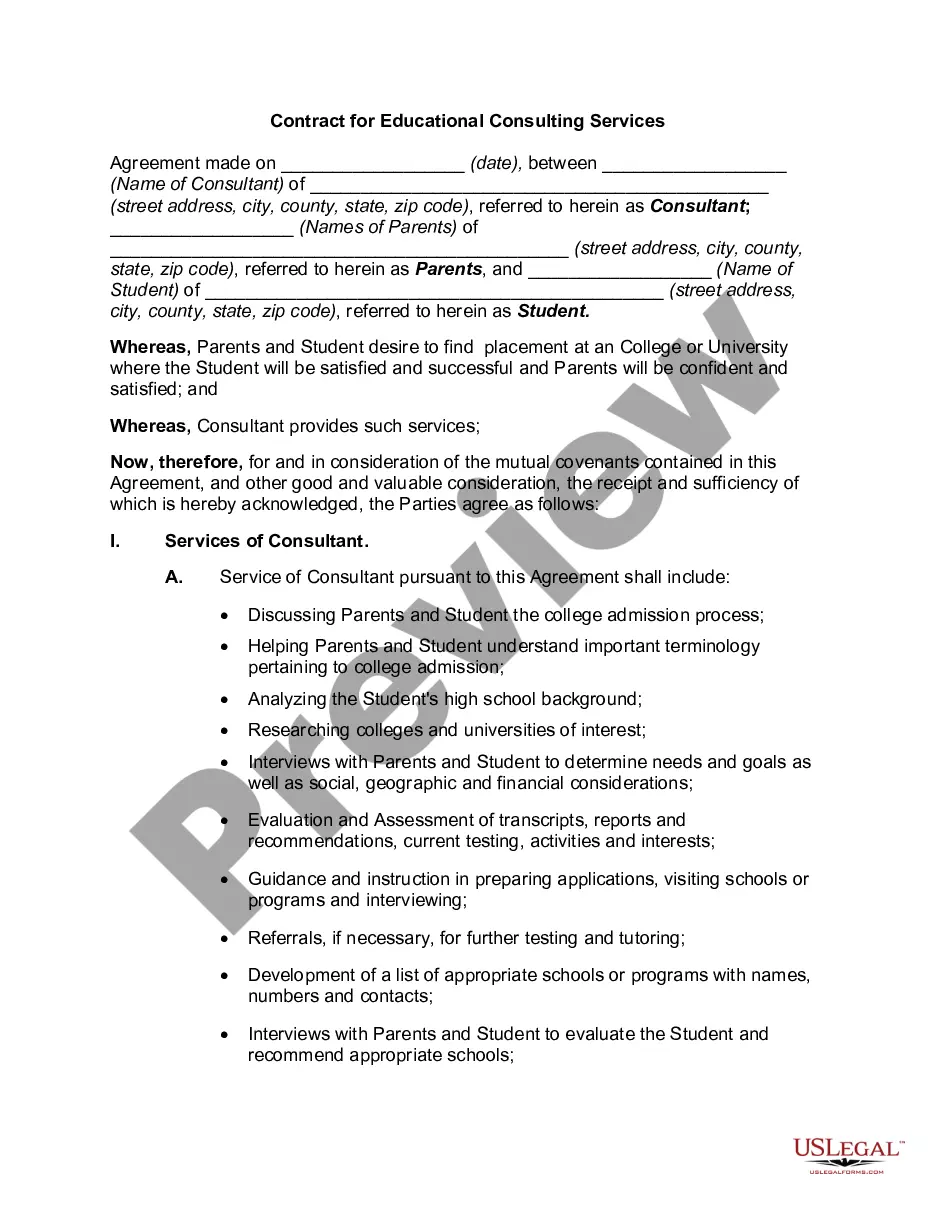
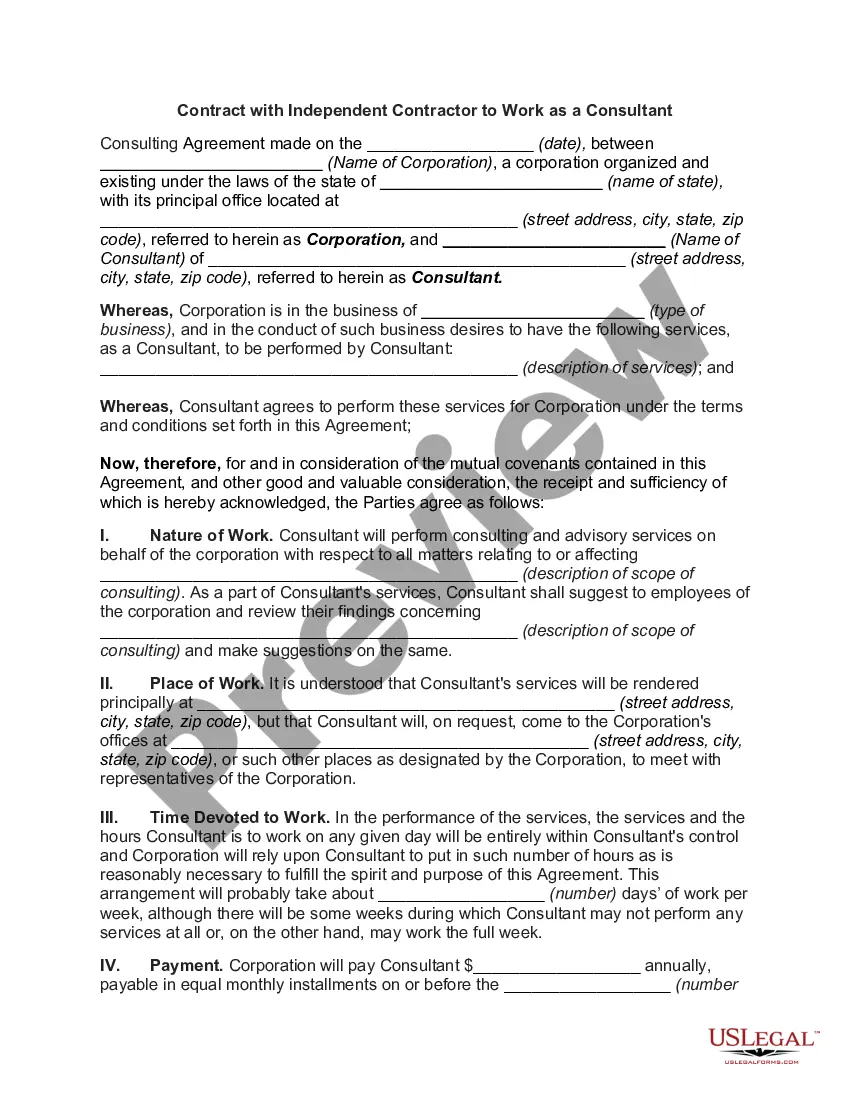
Get your form ready online
Our built-in tools help you complete, sign, share, and store your documents in one place.
Make edits, fill in missing information, and update formatting in US Legal Forms—just like you would in MS Word.
Download a copy, print it, send it by email, or mail it via USPS—whatever works best for your next step.
Sign and collect signatures with our SignNow integration. Send to multiple recipients, set reminders, and more. Go Premium to unlock E-Sign.
If this form requires notarization, complete it online through a secure video call—no need to meet a notary in person or wait for an appointment.
We protect your documents and personal data by following strict security and privacy standards.

Make edits, fill in missing information, and update formatting in US Legal Forms—just like you would in MS Word.

Download a copy, print it, send it by email, or mail it via USPS—whatever works best for your next step.

Sign and collect signatures with our SignNow integration. Send to multiple recipients, set reminders, and more. Go Premium to unlock E-Sign.

If this form requires notarization, complete it online through a secure video call—no need to meet a notary in person or wait for an appointment.

We protect your documents and personal data by following strict security and privacy standards.
Looking for another form?










Form popularity
FAQ
A consultant contract is a legal agreement between a consultant and a client, by means of which the client buys the services of the consultant. We supply templates covering both general consultancy services and web-related consultancy services. It is a type of services agreement.
Leverage your professional network, join industry-specific job boards, and attend relevant conferences and events. Utilize LinkedIn to showcase your expertise and connect with potential clients. Additionally, consider working with staffing agencies that specialize in contract placements.
Contracts come in various forms but require elements like Legality, Capacity, Offer, Consideration, Intention, Certainty, and Acceptance to be legally valid and enforceable. Missing any element can render the contract unenforceable.
Following is a discussion of the more important issues to be considered in every consulting agreement. Scope of Work, Compensation. Independent Contractor. Term and Termination. Rights and Data. Conflict of Interest, Non-Solicitation. Miscellaneous Provisions.
Here are six best practices to write a consulting contract that defines your project scope and protects both you and your business. Define Duties, Deliverables, and Roles. Prepare for Potential Risk. Specify Project Milestones and Engagement Time. Identify Expenses and Outline Payment Terms. Specify Product Ownership.
A consulting contract should offer a detailed description of the duties you will perform and the deliverables you promise the client. The agreement may also explain how much work you will perform at the client's office and how often you will work remotely.
Negotiates, signs, and reviews all contracts with vendors, consultants, and royalty agreements. Manages, supports, and coaches staff and consultants. Achieves short- and long-term objectives and goals…
Accounting consulting jobs may involve: Helping your business clients maintain efficient and accurate accounting practices. Providing your expertise to help clients understand the meaning behind their financial data and how those numbers affect their business.
Consulting fees can have a significant impact on the profitability of a business. They are typically considered to be non-operating expenses, meaning that they do not directly contribute to revenue. As such, they are reported as an expense on the income statement, and their presence can affect the bottom line.
Consultants typically set their business consultant fees one of three ways: Hourly rates. Project-based fees. Monthly retainers. Your knowledge and experience. Industry standards. The estimated time you'll spend on the project. Your overhead costs. Project size and complexity.
