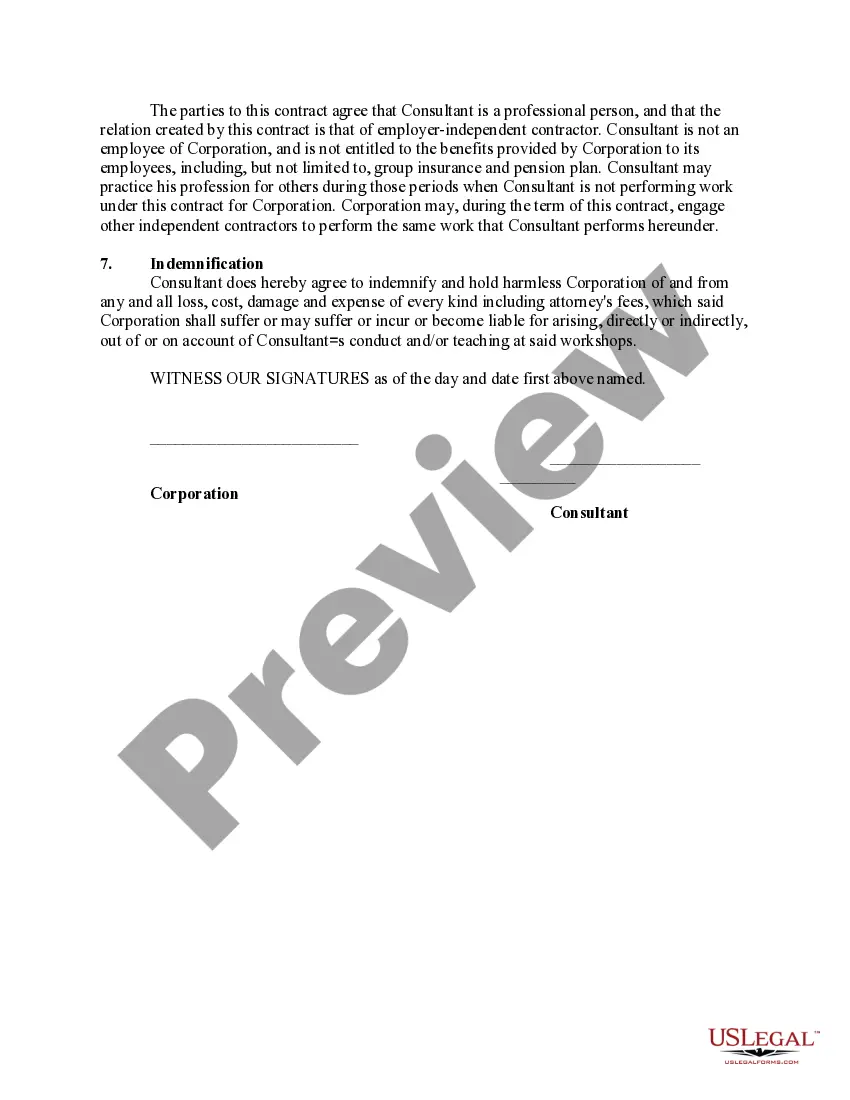
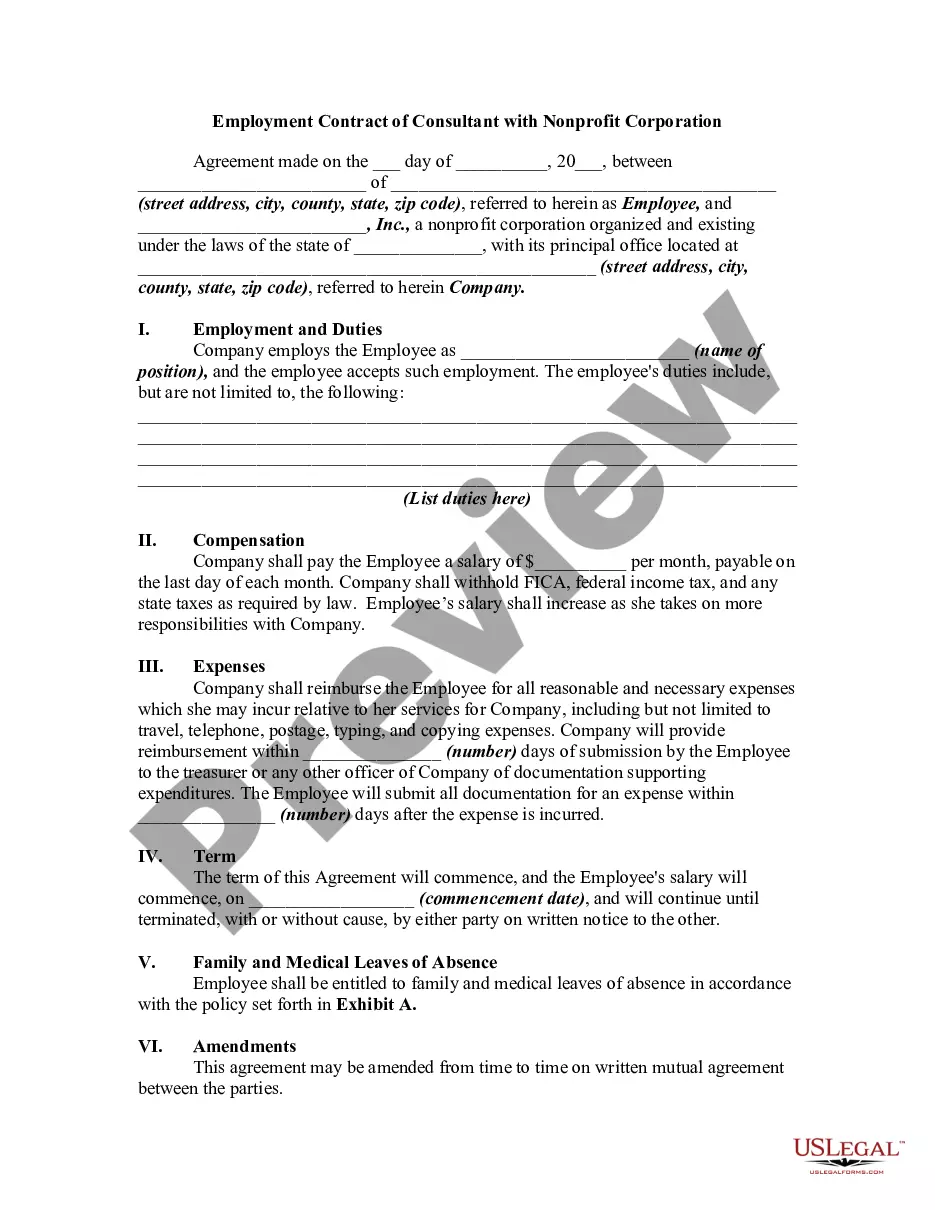
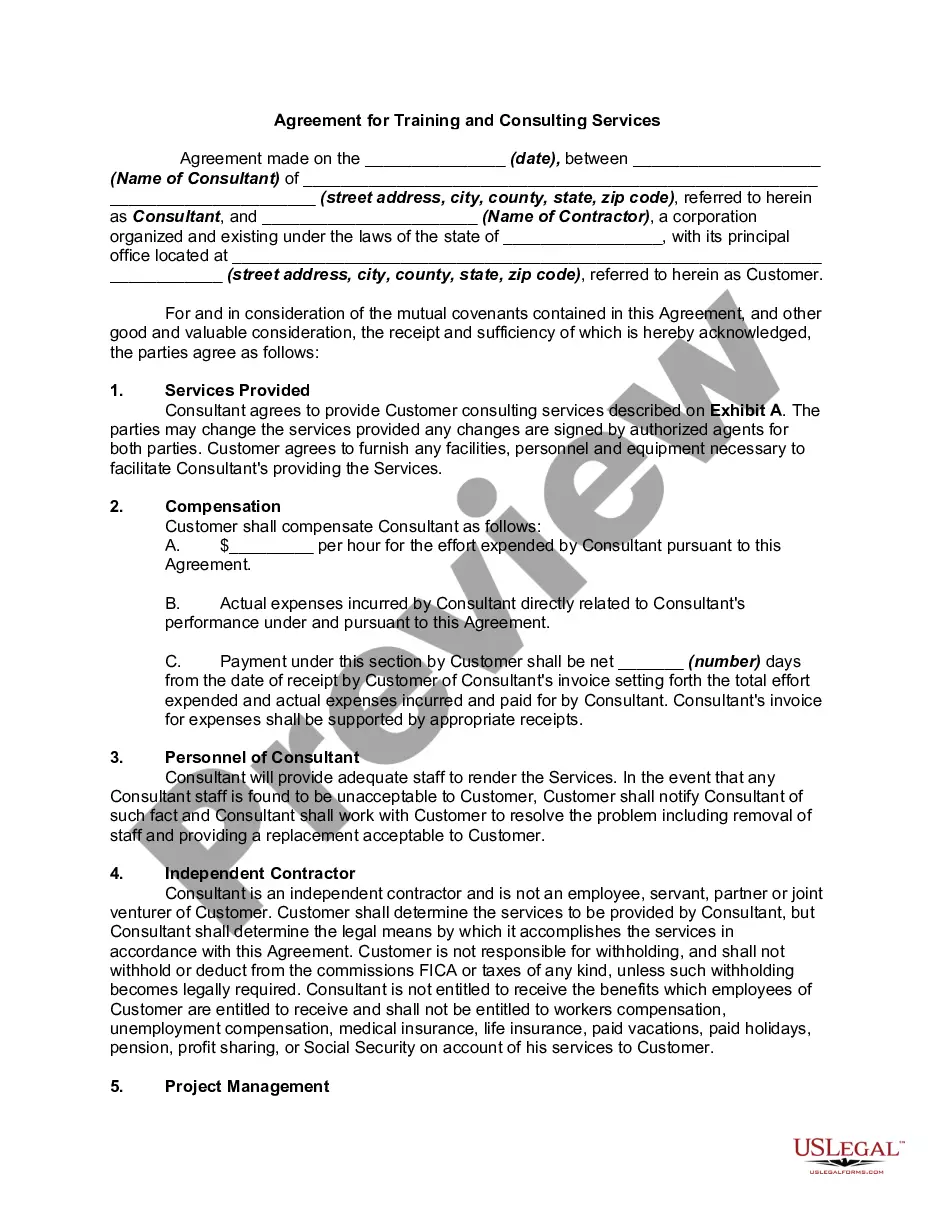
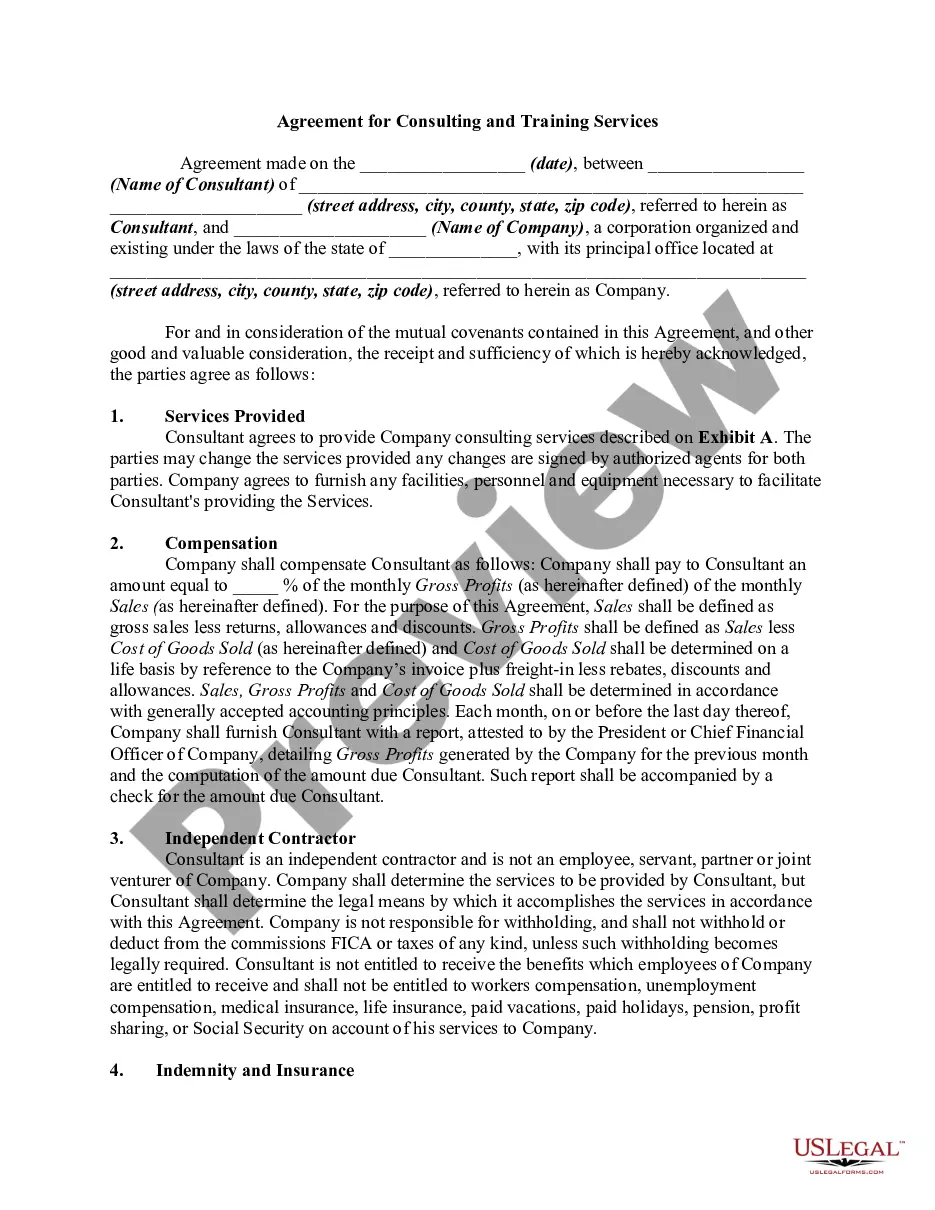
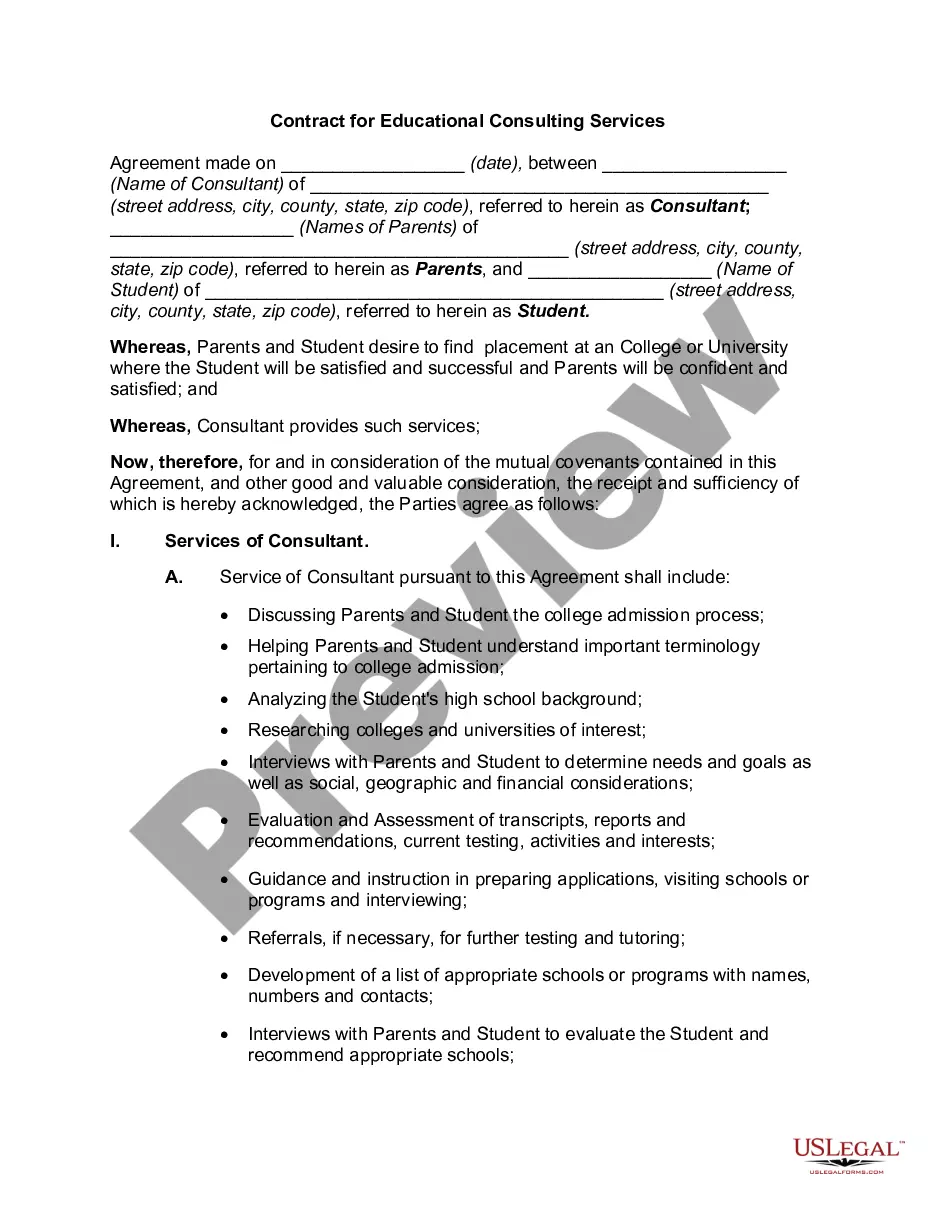
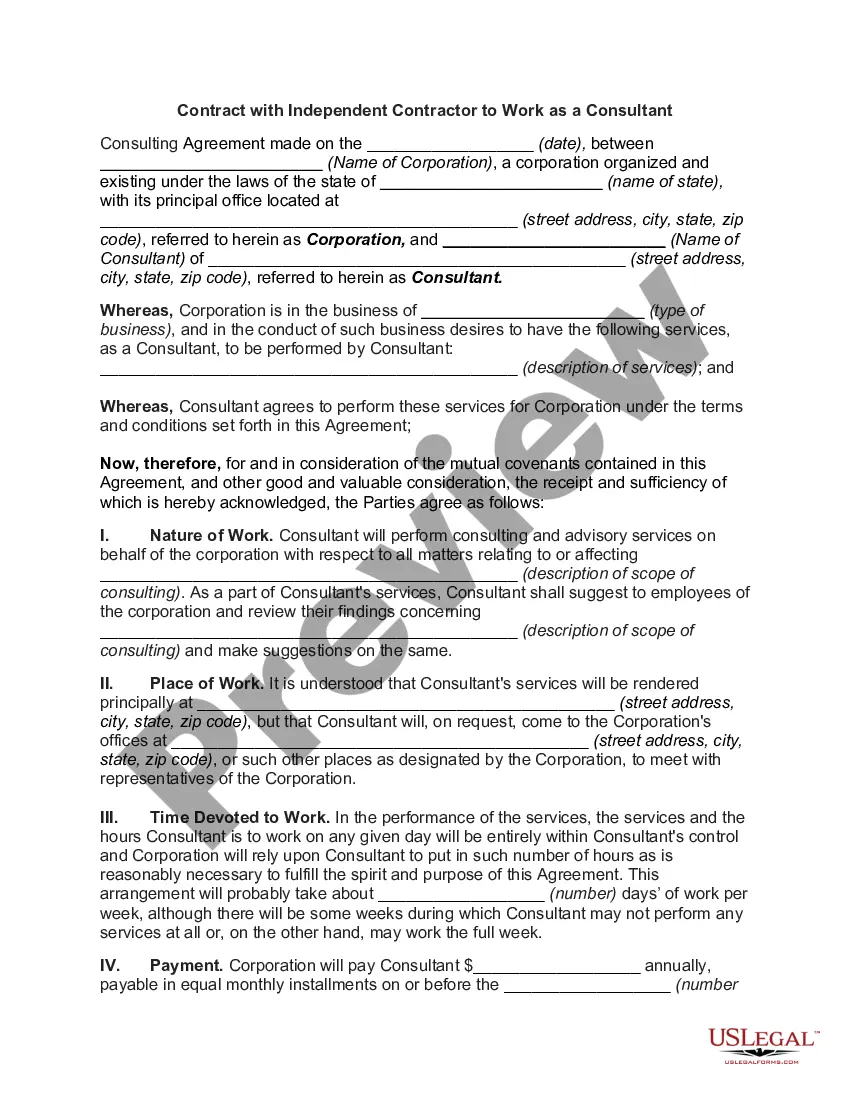
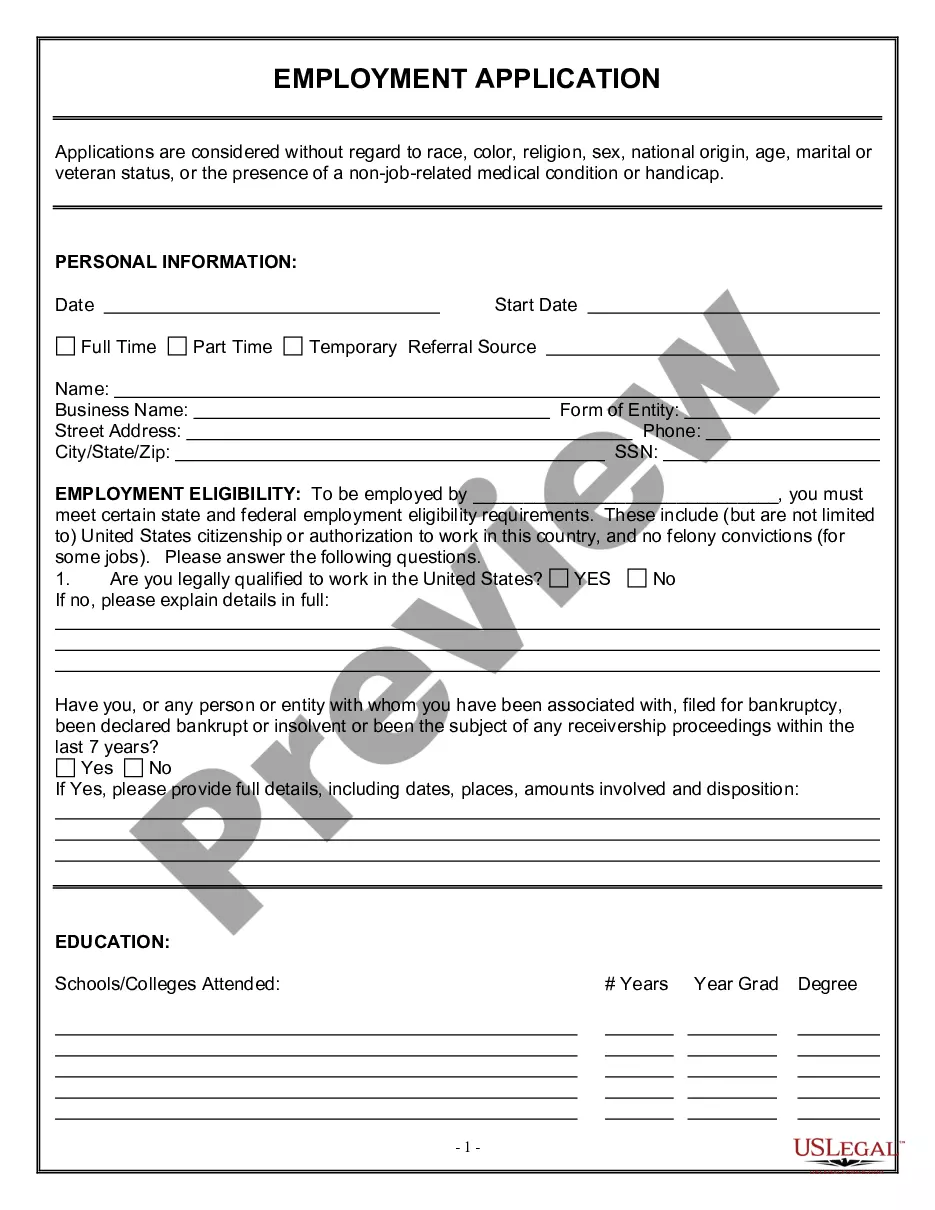
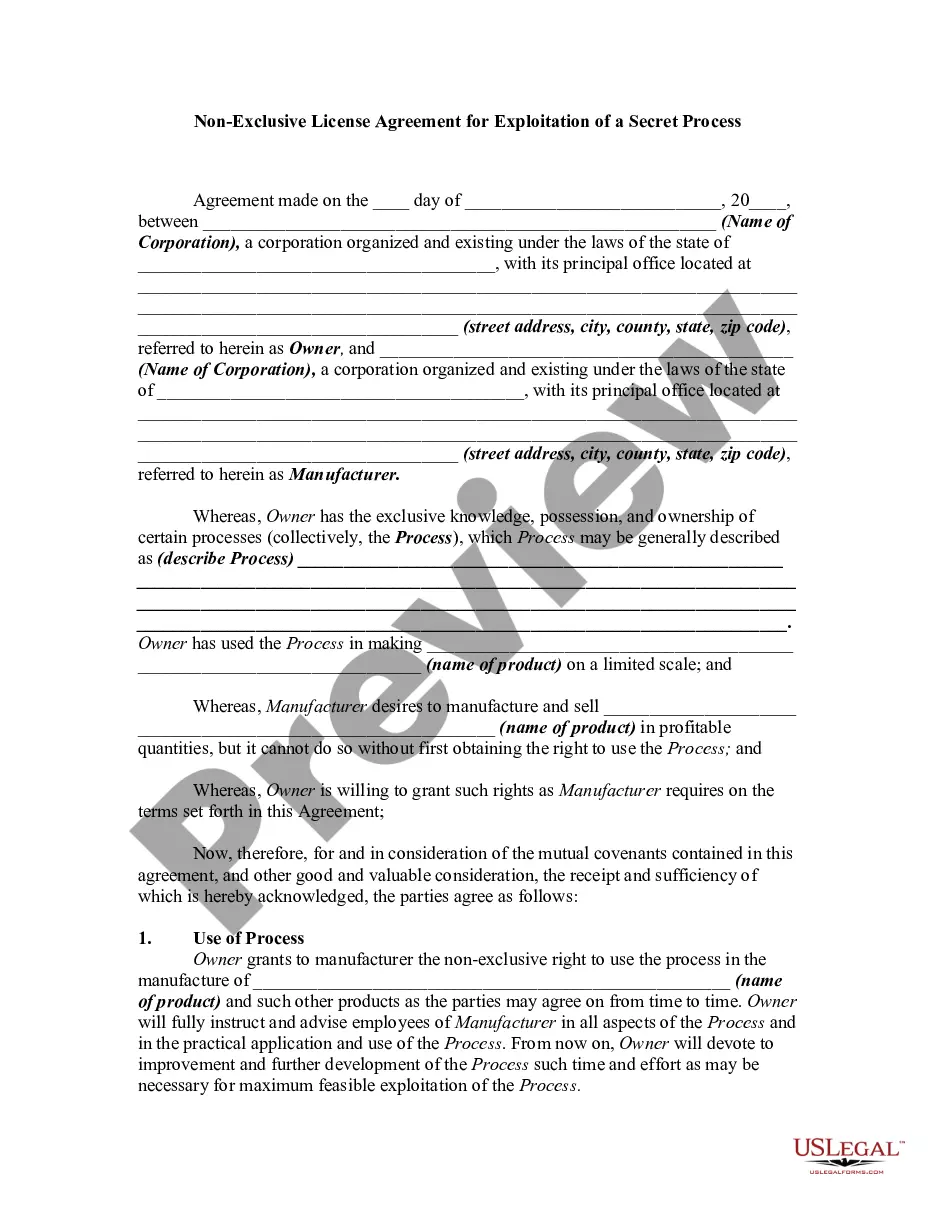
Consultant Work Contract For 1099 In California
Description

Get your form ready online
Our built-in tools help you complete, sign, share, and store your documents in one place.
Make edits, fill in missing information, and update formatting in US Legal Forms—just like you would in MS Word.
Download a copy, print it, send it by email, or mail it via USPS—whatever works best for your next step.
Sign and collect signatures with our SignNow integration. Send to multiple recipients, set reminders, and more. Go Premium to unlock E-Sign.
If this form requires notarization, complete it online through a secure video call—no need to meet a notary in person or wait for an appointment.
We protect your documents and personal data by following strict security and privacy standards.

Make edits, fill in missing information, and update formatting in US Legal Forms—just like you would in MS Word.

Download a copy, print it, send it by email, or mail it via USPS—whatever works best for your next step.

Sign and collect signatures with our SignNow integration. Send to multiple recipients, set reminders, and more. Go Premium to unlock E-Sign.

If this form requires notarization, complete it online through a secure video call—no need to meet a notary in person or wait for an appointment.

We protect your documents and personal data by following strict security and privacy standards.
Looking for another form?







Form popularity
FAQ
In California, if you report your income on a Form 1099, you are an independent contractor, while if you report it on a W-2 form, you are an employee. Payroll taxes are automatically withheld if you are a W-2 employee; meanwhile, if you are an independent contractor, you are responsible for paying them.
Independent contractors use 1099 forms. In California, if you report your income on a Form 1099, you are an independent contractor, while if you report it on a W-2 form, you are an employee.
Independent contractors, freelancers, and self-employed individuals often receive 1099 forms instead of W-2 forms, which are used for reporting employee wages. These forms are submitted to the Internal Revenue Service (IRS) and the California Employment Development Department (EDD) to ensure proper tax compliance.
California law requires that employers, including those in the construction industry, carry workers' compensation insurance, even if they have only one employee. The insurance exists for employees who get hurt or sick because of work.
While workers' compensation is rather comprehensive, some individuals are exempt from workers' comp in California. Under California Labor Code, Division 4, Part 1, Chapter 2, Section 3352, these workers include the following: Sole Proprietors and business owners (excluding roofers) Business owners.
Independent contractors use 1099 forms. In California, if you report your income on a Form 1099, you are an independent contractor, while if you report it on a W-2 form, you are an employee.
A company that hires an independent contractor is not responsible for tax withholdings, benefits, or workers' compensation coverage for the 1099 employee. The company is, however, responsible for paying the independent contractor for their services. An independent contractor can set their rates or fees.
Independent contractors don't need a license to operate in the state of California, but they may have other requirements based on where they build their business. Still others will vary based on the kind of work you do.
Benefits of Having Workers Compensation for 1099 Employees While 1099 employees are generally not covered by workers' compensation in California, there can still be potential benefits for independent contractors to obtain workers' compensation coverage voluntarily.
