Authority Letter For Collection Of Documents In Washington
Description




Get your form ready online
Our built-in tools help you complete, sign, share, and store your documents in one place.
Make edits, fill in missing information, and update formatting in US Legal Forms—just like you would in MS Word.
Download a copy, print it, send it by email, or mail it via USPS—whatever works best for your next step.
Sign and collect signatures with our SignNow integration. Send to multiple recipients, set reminders, and more. Go Premium to unlock E-Sign.
If this form requires notarization, complete it online through a secure video call—no need to meet a notary in person or wait for an appointment.
We protect your documents and personal data by following strict security and privacy standards.

Make edits, fill in missing information, and update formatting in US Legal Forms—just like you would in MS Word.

Download a copy, print it, send it by email, or mail it via USPS—whatever works best for your next step.

Sign and collect signatures with our SignNow integration. Send to multiple recipients, set reminders, and more. Go Premium to unlock E-Sign.

If this form requires notarization, complete it online through a secure video call—no need to meet a notary in person or wait for an appointment.

We protect your documents and personal data by following strict security and privacy standards.
Looking for another form?


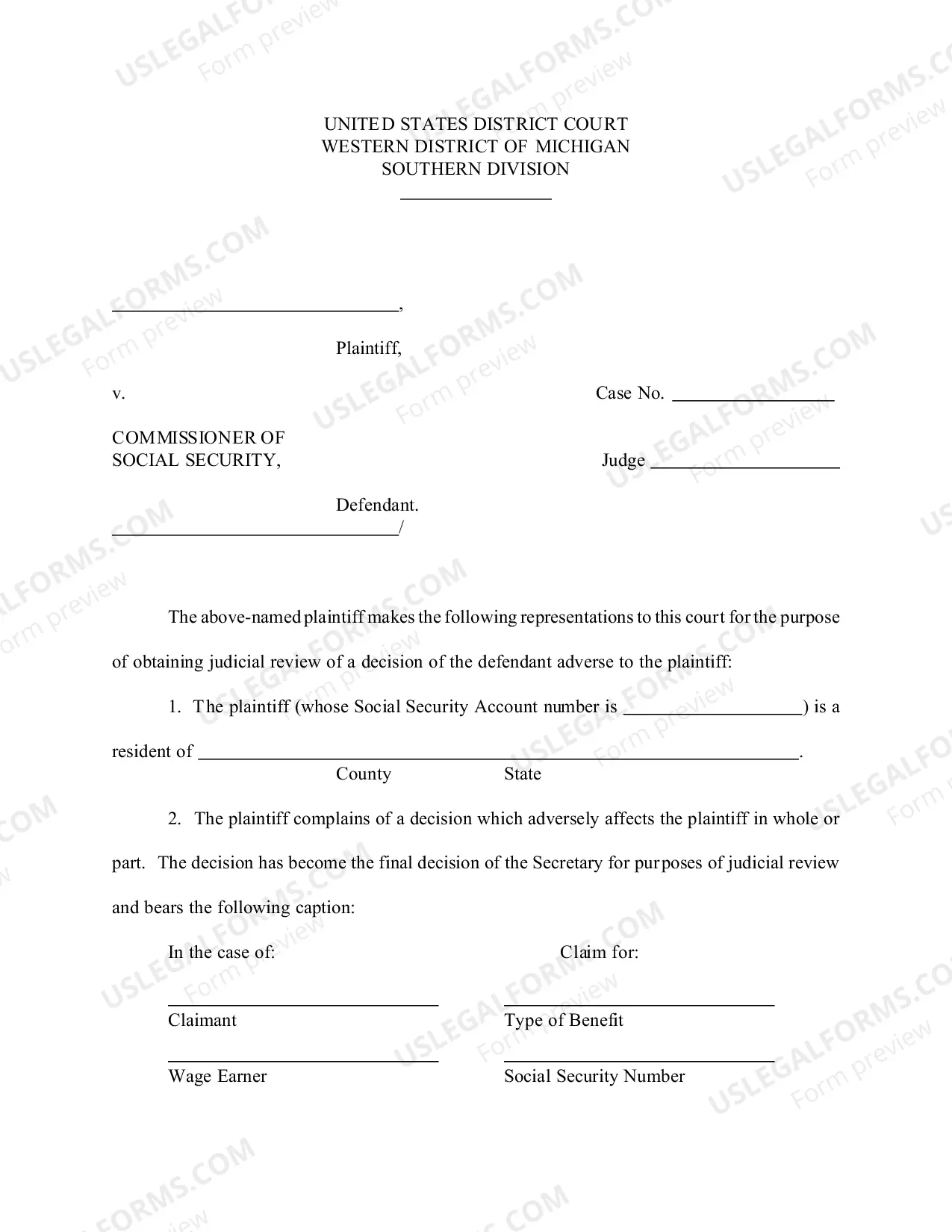





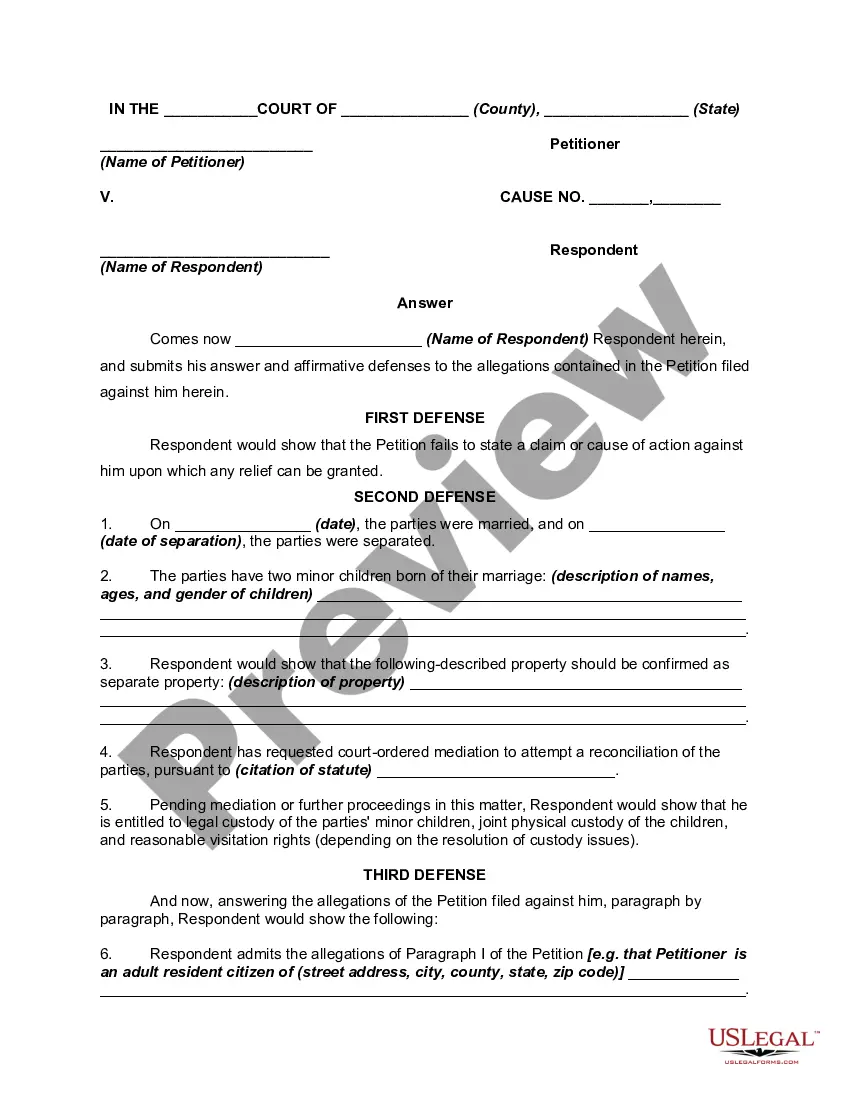

Form popularity
FAQ
The Washington Collection Agency Act and federal Fair Debt Collection Practices Act prohibit harassment, false or misleading statements and unfair practices by collection agencies. If you believe a collection agency has unreasonably harassed or misled you, you can sue it. You could win damages and lawyer fees.
Washington is a closed-border state. You must have a license before contacting debtors or soliciting clients in Washington.
The phrase in question is: “Please cease and desist all calls and contact with me, immediately.” These 11 words, when used correctly, can provide significant protection against aggressive debt collection practices.
The most common FDCPA violation involves a debt collector attempting to collect a debt that was discharged in a prior bankruptcy case.
File a complaint with the Washington State Attorney General You can also file a complaint on the Attorney General's website, or call one of the phone numbers below: Bellingham: 360-738-6185. Seattle: 206-464-6684.
The Fair Debt Collection Practices Act (FDCPA) (15 USC 1692 et seq.), which became effective in March 1978, was designed to eliminate abusive, deceptive, and unfair debt collection practices.
The Washington Collection Agency Act and federal Fair Debt Collection Practices Act prohibit harassment, false or misleading statements and unfair practices by collection agencies. If you believe a collection agency has unreasonably harassed or misled you, you can sue it. You could win damages and lawyer fees.
Documents such as vital records issued by a U.S. state will need an apostille from that state's secretary of state. Federal documents will need an apostille from the U.S. Department of State.
To obtain other public records from the Attorney General's Office, you may fill out the online request form, or email your request to publicrecords@atg.wa. Public Records Act requests to the AGO must be sent or submitted only to the public records officer in the Olympia main office.
You may also make a public records request by email, phone, post, or fax. To expedite our response, please be specific about the records you are requesting. We will also need information on how to contact you if we have questions and where to send the records.

