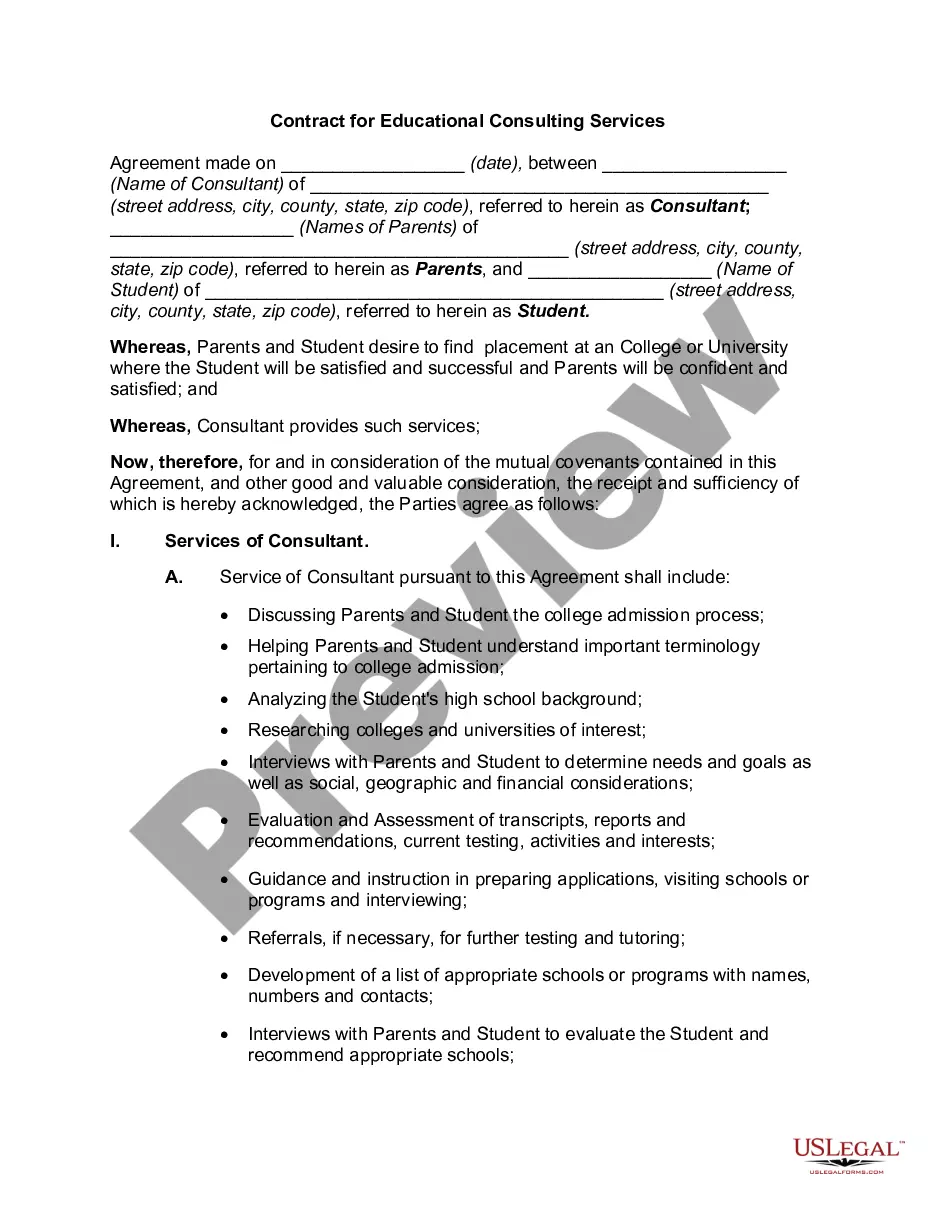
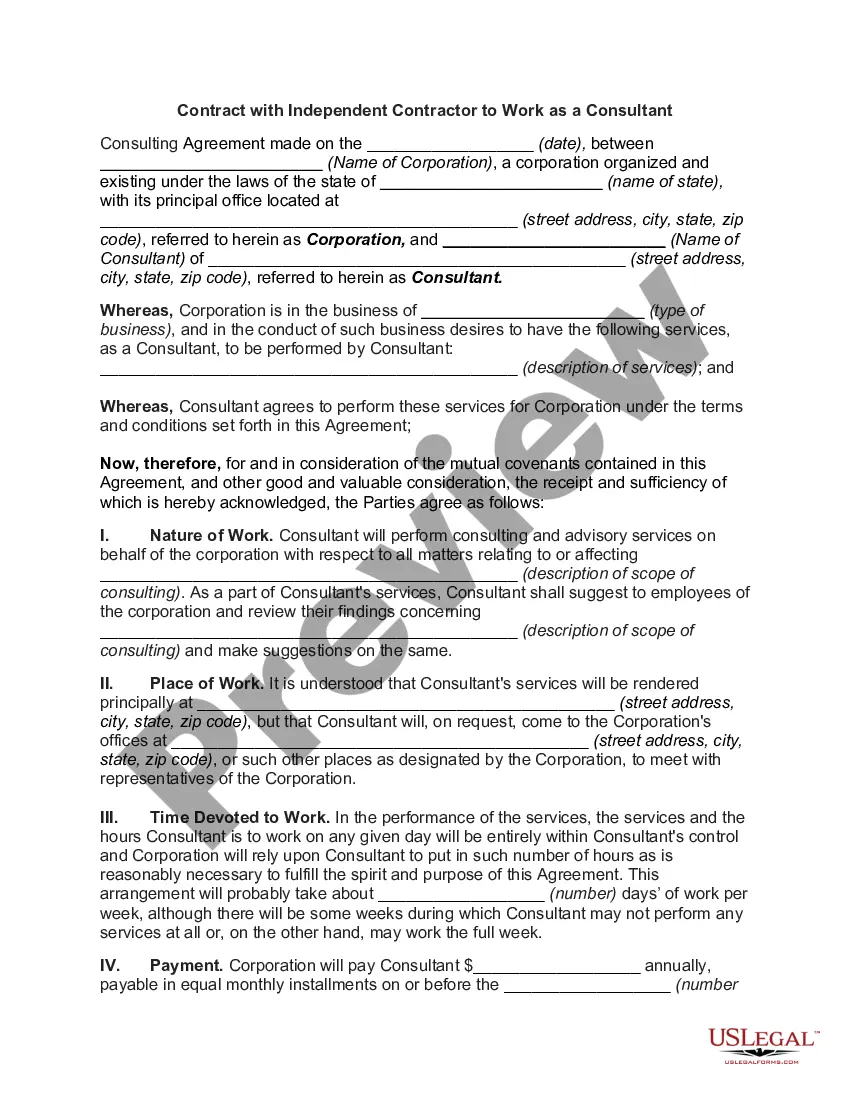
Consultant Work Contract For Union Members In Arizona
Description

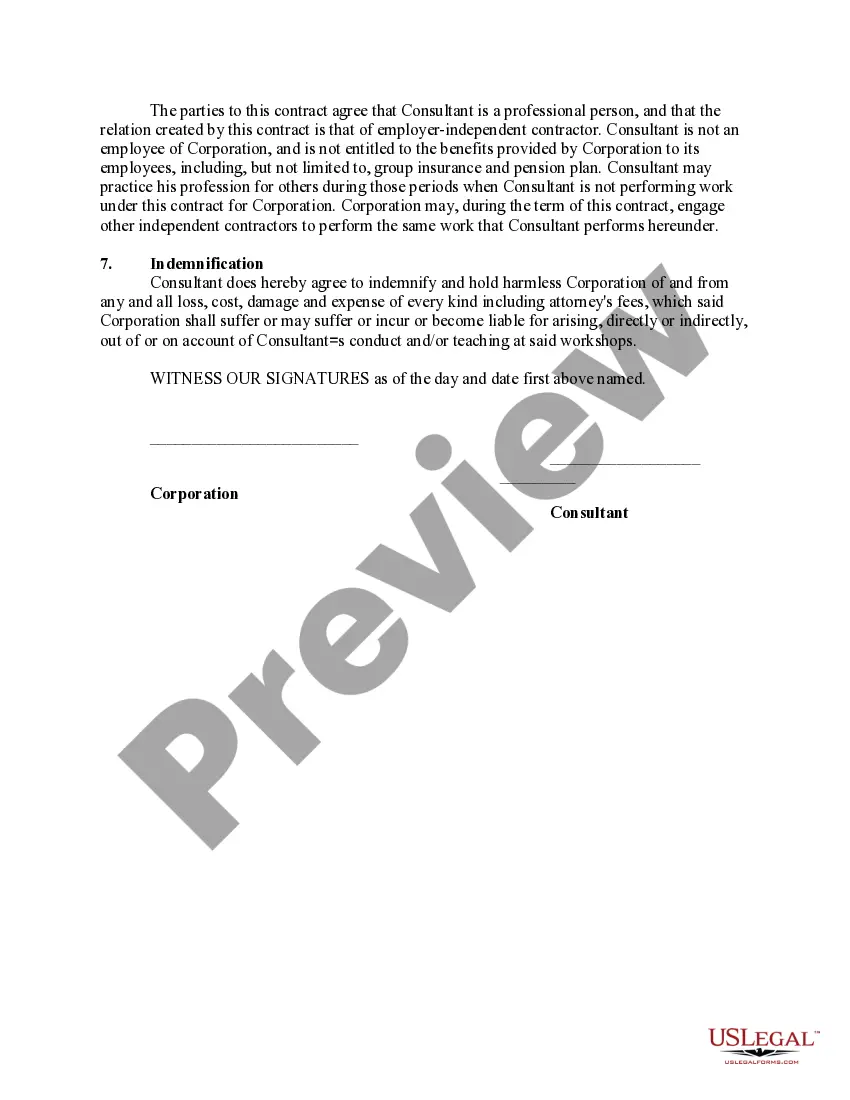
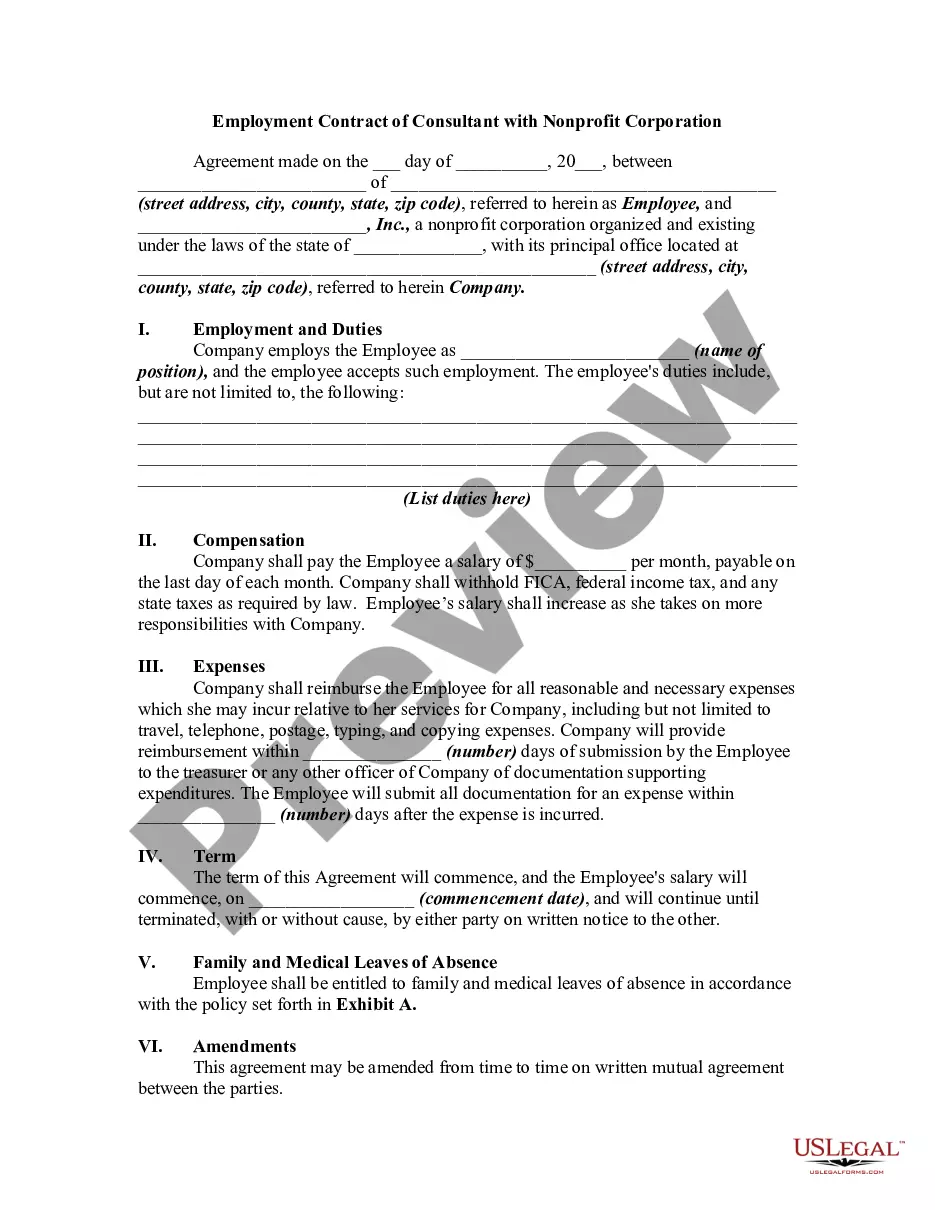
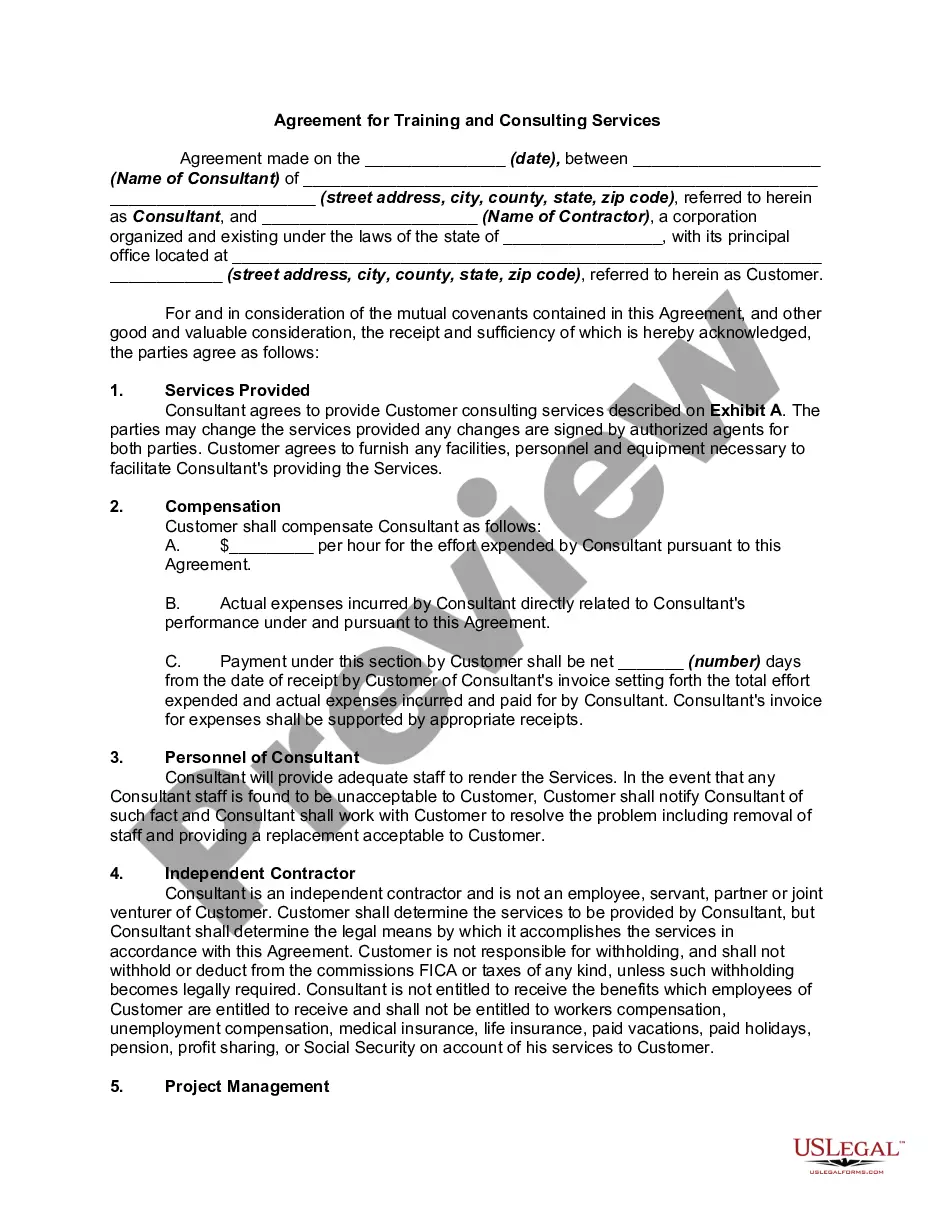
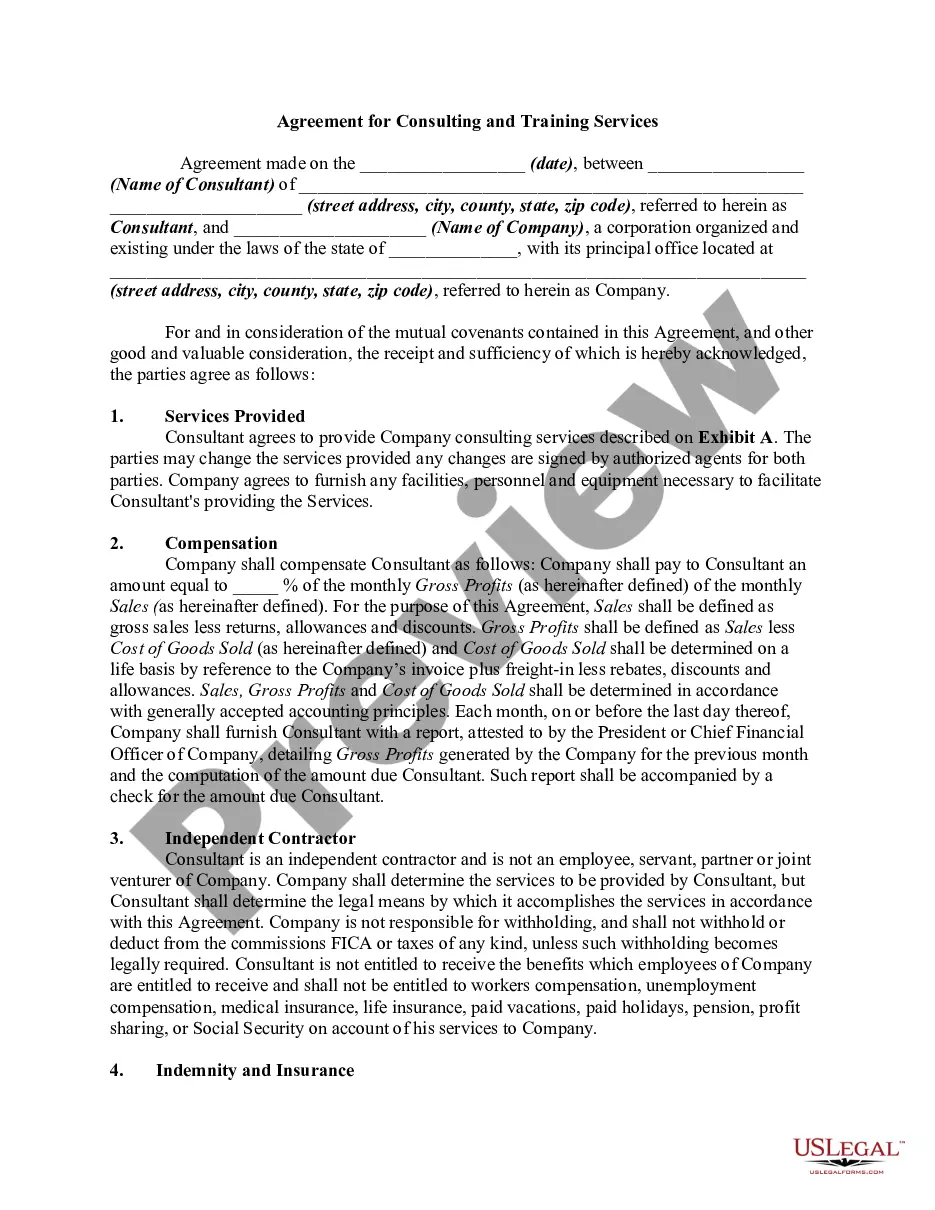
Get your form ready online
Our built-in tools help you complete, sign, share, and store your documents in one place.
Make edits, fill in missing information, and update formatting in US Legal Forms—just like you would in MS Word.
Download a copy, print it, send it by email, or mail it via USPS—whatever works best for your next step.
Sign and collect signatures with our SignNow integration. Send to multiple recipients, set reminders, and more. Go Premium to unlock E-Sign.
If this form requires notarization, complete it online through a secure video call—no need to meet a notary in person or wait for an appointment.
We protect your documents and personal data by following strict security and privacy standards.

Make edits, fill in missing information, and update formatting in US Legal Forms—just like you would in MS Word.

Download a copy, print it, send it by email, or mail it via USPS—whatever works best for your next step.

Sign and collect signatures with our SignNow integration. Send to multiple recipients, set reminders, and more. Go Premium to unlock E-Sign.

If this form requires notarization, complete it online through a secure video call—no need to meet a notary in person or wait for an appointment.

We protect your documents and personal data by following strict security and privacy standards.
Looking for another form?




Form popularity
FAQ
Under Arizona Statutes governing labor, employment contracts are enforceable, but they must be written and signed by both the employer and the employee. Arizona employment contracts can include a variety of terms and conditions, but the terms of the agreement cannot violate state statutes or public policy.
Collective bargaining is a process through which the union and employer exchange proposals, share ideas, mutually solve problems, and reach a written agreement.
Until contract approval, these records are generally confidential unless both the public agency and the bargaining unit agree to their release.
When it comes to contract negotiations, the top three stakeholders in an organization are the legal, procurement, and sales teams. The legal team holds the pen and writes the language within the contract. They're responsible for ensuring the contract meets all legal requirements.
Establishing the objectives of both parties Identify the interests of the employer and the union. Clarify what each party wants to achieve through collective bargaining. Compile a list of the priorities of each party. Listen to both parties and develop an understanding of their needs.
It depends on the union, the local and the company typically. As others mentioned the bargaining committee should be made up primarily of members from the shop. The E board of the local is usually part of that but not all of the committee. Staff reps and lawyers are there to support and sometimes lead at the table.
It depends on the union, the local and the company typically. As others mentioned the bargaining committee should be made up primarily of members from the shop. The E board of the local is usually part of that but not all of the committee.
Typically, a document that includes an offer, acceptance, and appropriate consideration will be considered legally binding. In most cases, a contract is binding in Arizona even if the parties signed it in another state.
Arizona generally recognizes arbitration agreements as enforceable and irrevocable contracts, absent legal or equitable reasons to justify their unenforceability, where the following elements are present: (1) a mutuality of obligation; (2) formal requirements such as writing and signature; (3) consideration by both ...
Yes, you can be fired without warning since Arizona is an “at-will employment” state per A.R.S. § 23-1501. However, this does not give your employer the authority to terminate your employment for any reason at all.
