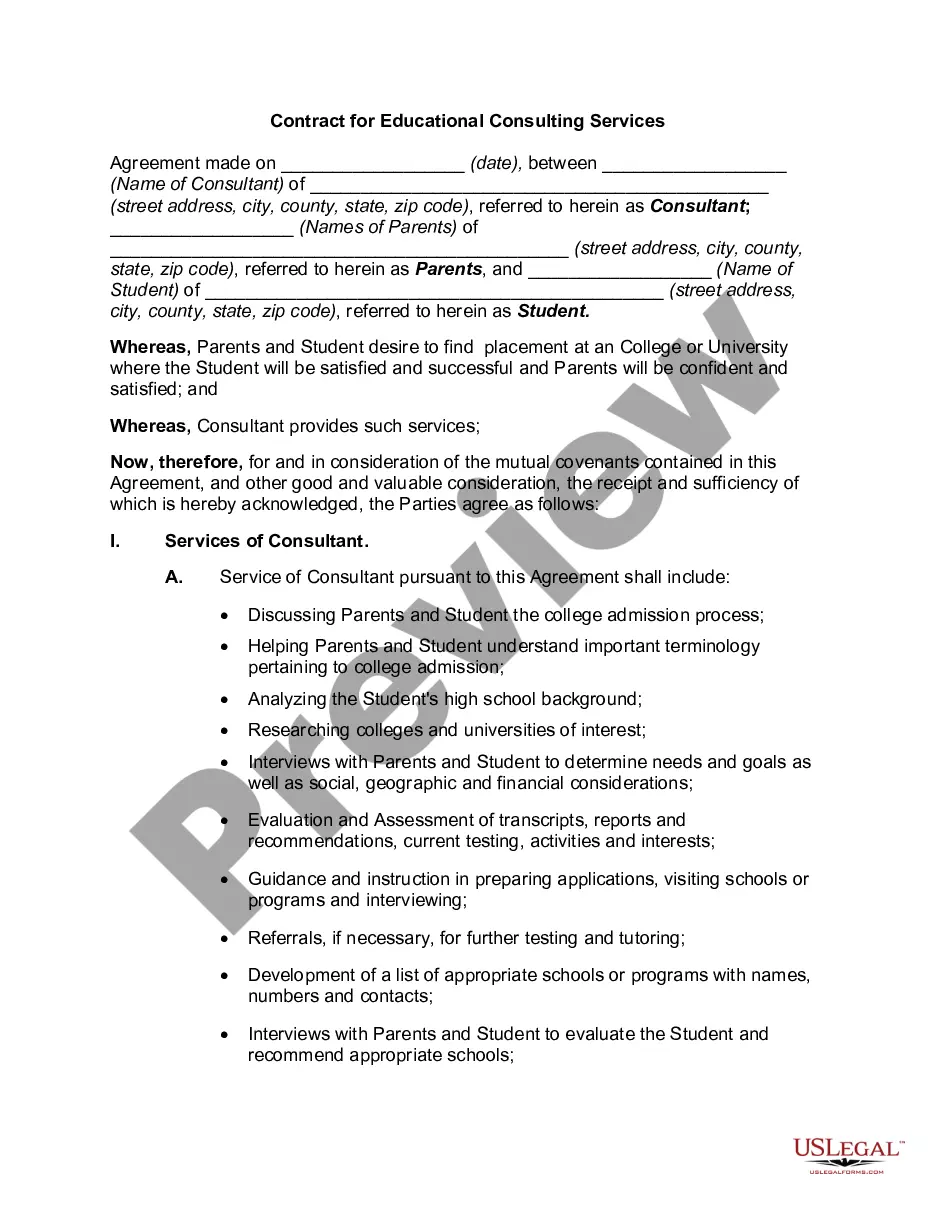
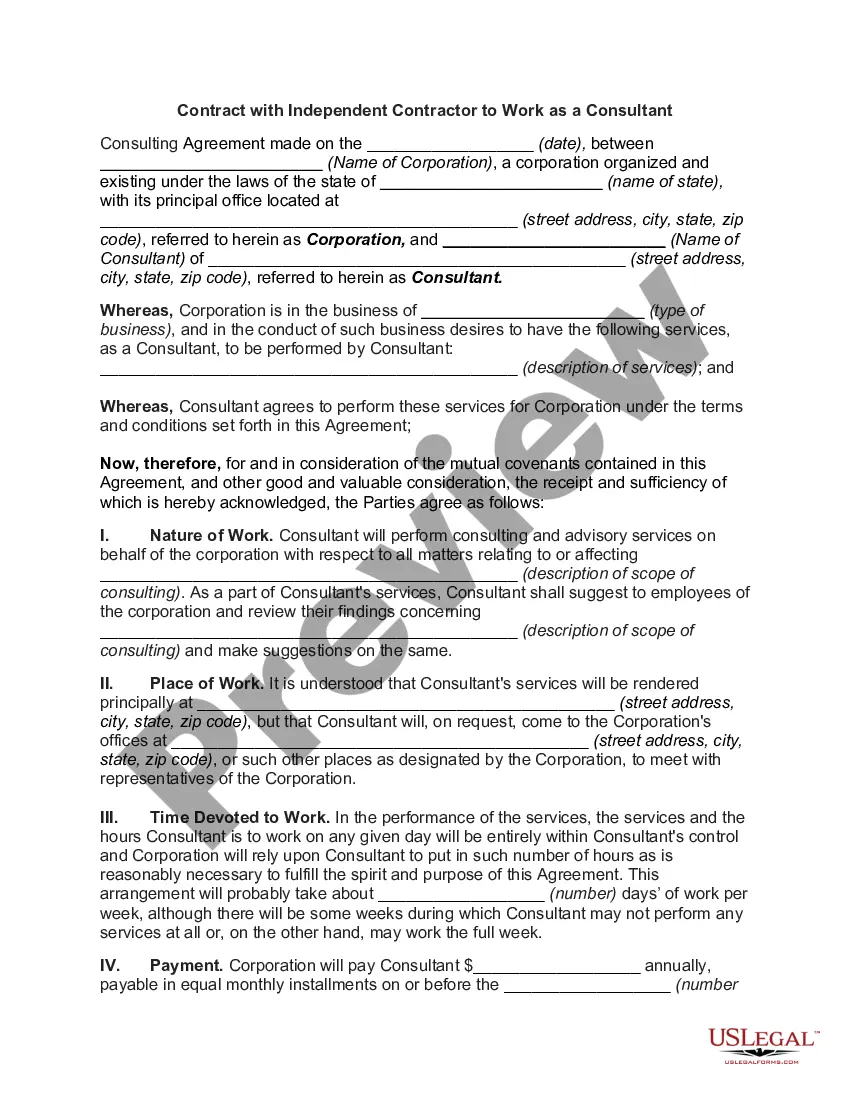
Consultant Contract Under Withdrawal In Arizona
Description

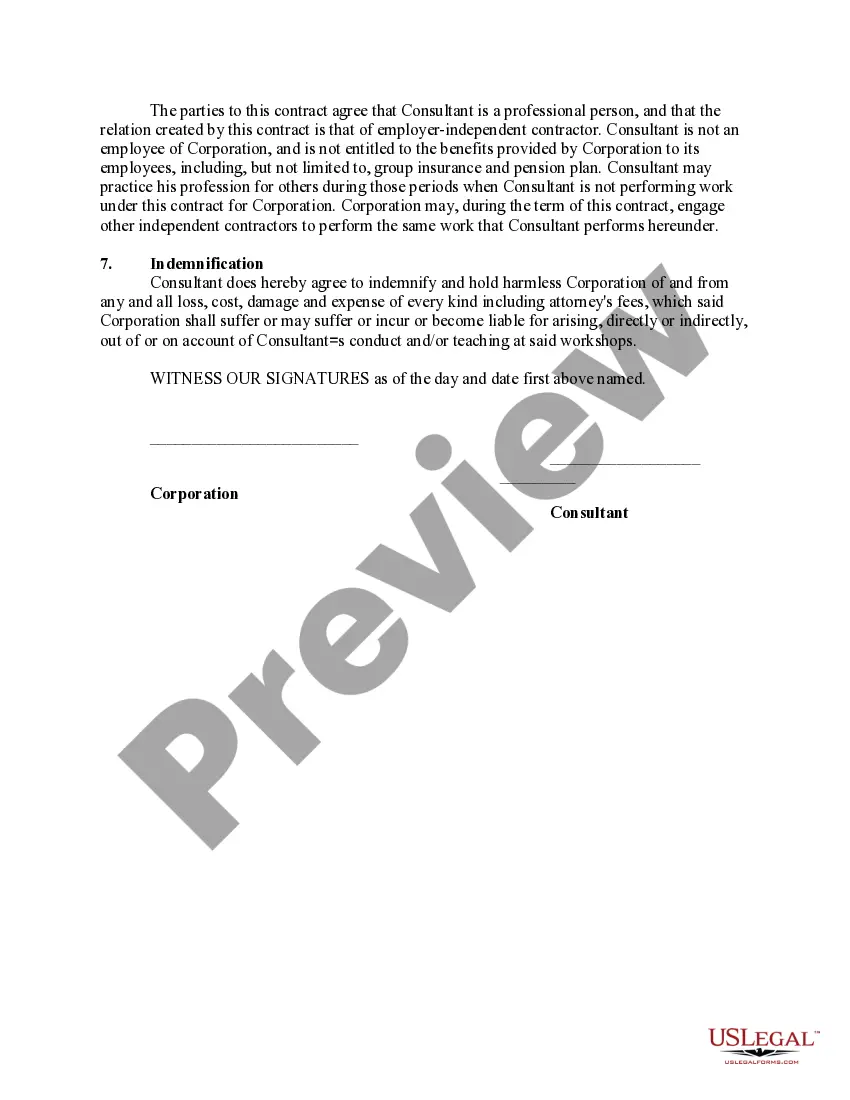
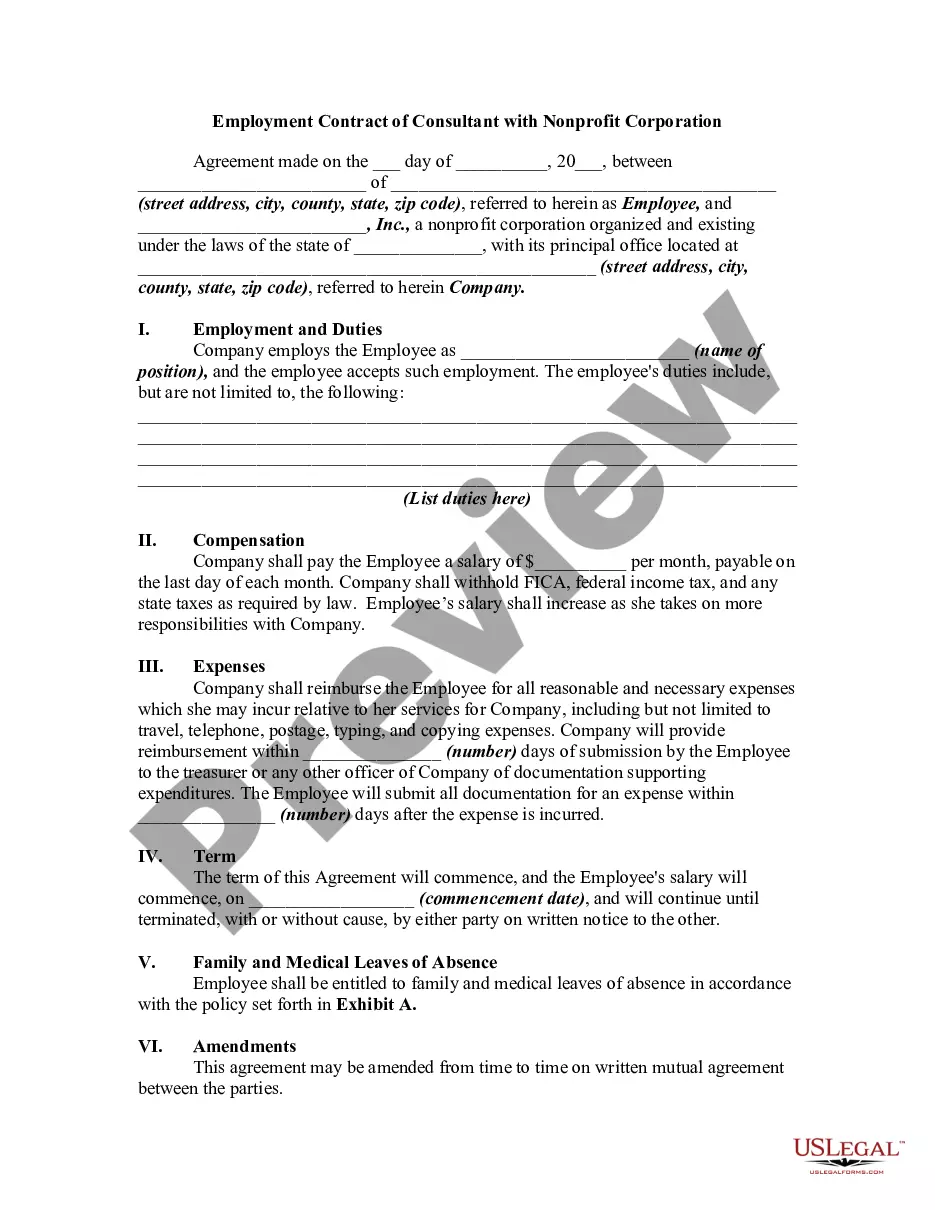
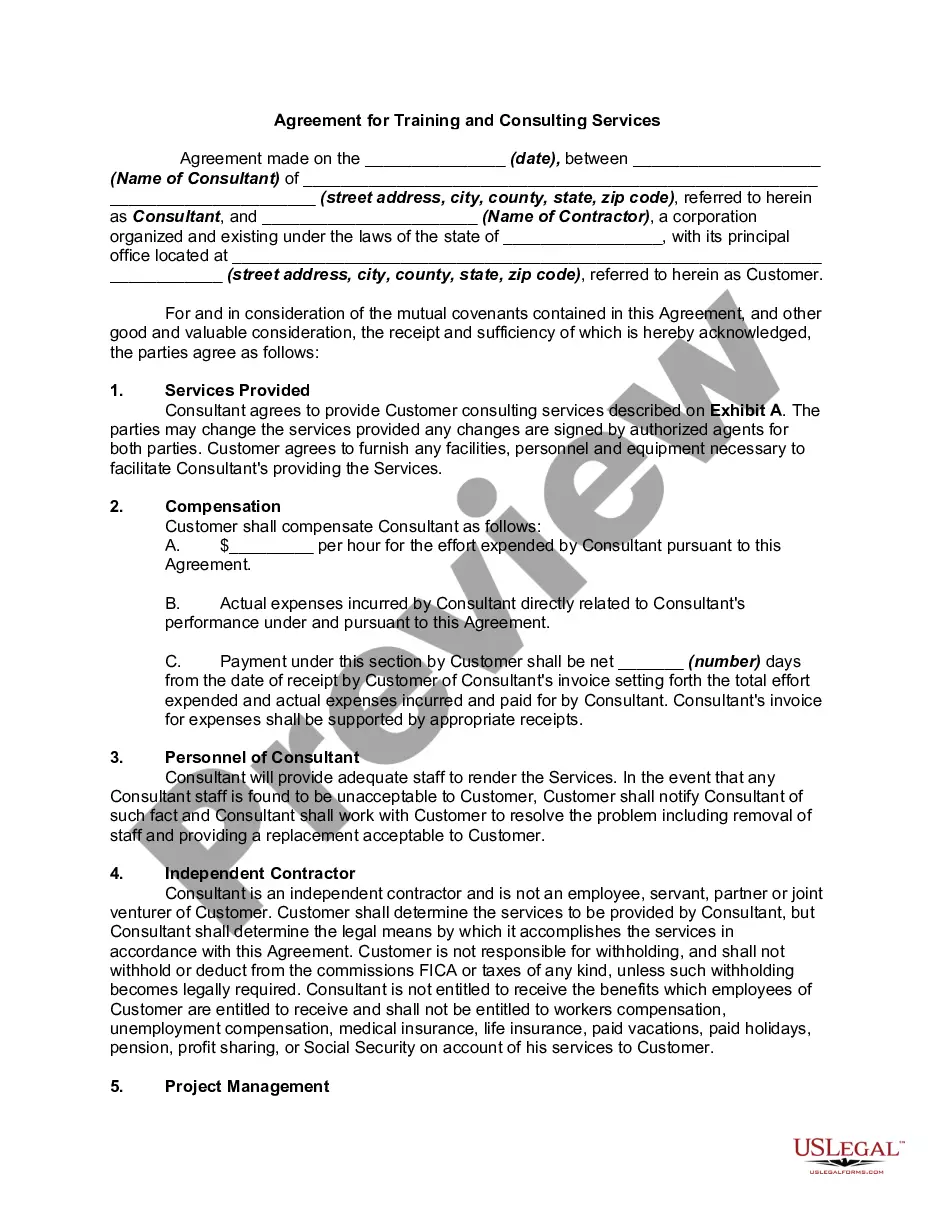
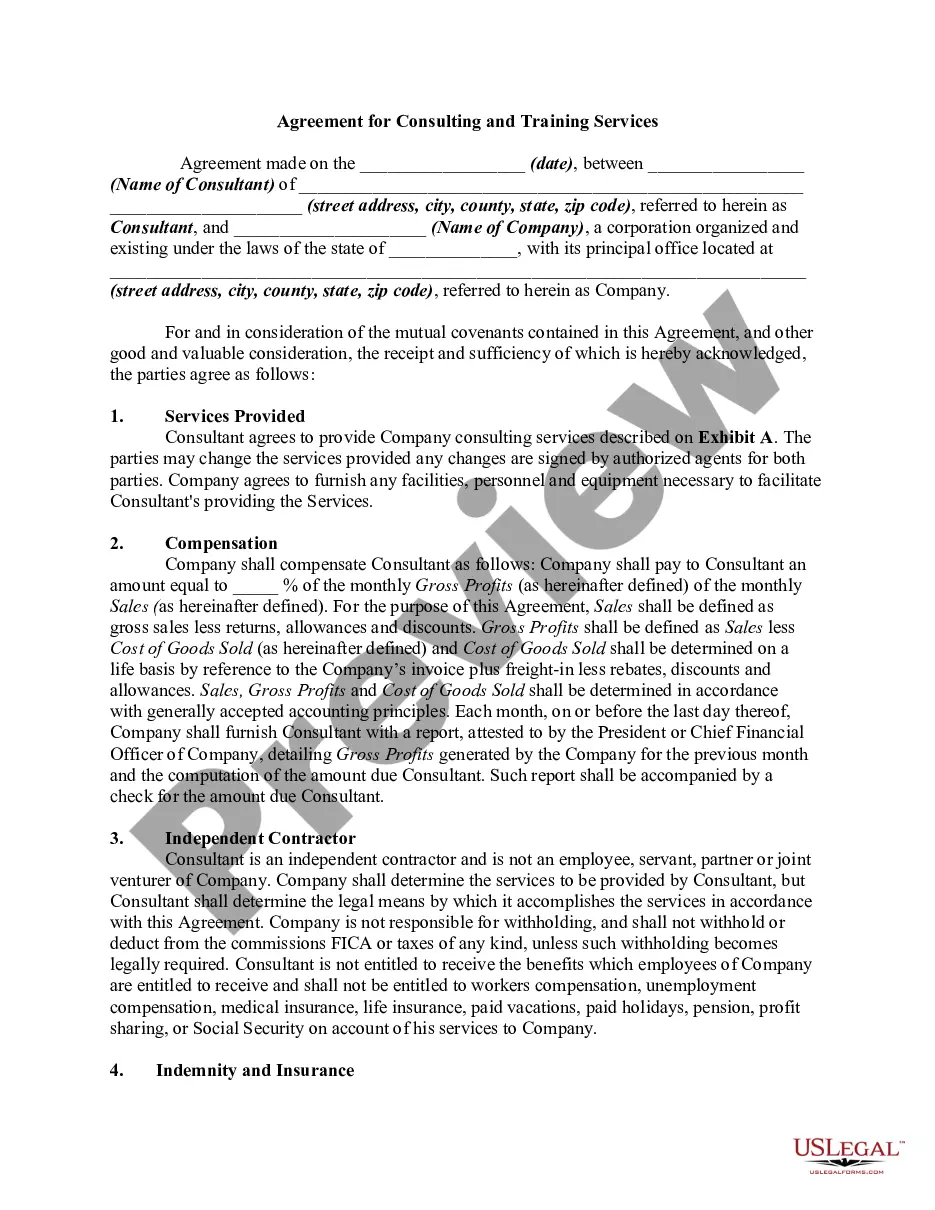
Get your form ready online
Our built-in tools help you complete, sign, share, and store your documents in one place.
Make edits, fill in missing information, and update formatting in US Legal Forms—just like you would in MS Word.
Download a copy, print it, send it by email, or mail it via USPS—whatever works best for your next step.
Sign and collect signatures with our SignNow integration. Send to multiple recipients, set reminders, and more. Go Premium to unlock E-Sign.
If this form requires notarization, complete it online through a secure video call—no need to meet a notary in person or wait for an appointment.
We protect your documents and personal data by following strict security and privacy standards.

Make edits, fill in missing information, and update formatting in US Legal Forms—just like you would in MS Word.

Download a copy, print it, send it by email, or mail it via USPS—whatever works best for your next step.

Sign and collect signatures with our SignNow integration. Send to multiple recipients, set reminders, and more. Go Premium to unlock E-Sign.

If this form requires notarization, complete it online through a secure video call—no need to meet a notary in person or wait for an appointment.

We protect your documents and personal data by following strict security and privacy standards.
Looking for another form?





Form popularity
FAQ
No, a license is non-transferable, with the possible exception of a corporation or limited liability company.
Contractors must be properly licensed before submitting bids. To whom is the license issued? A license may be issued to a sole proprietorship (individual), a partnership, limited liability company or a corporation.
No. A business license may be required by a city to do business in that city. This requirement varies depending on the city in which you are conducting business. The state does not require or issue business licenses.
Their study found that the ten states with the most burdensome licensing regulations were: Missouri. Louisiana. Arizona. Wisconsin. Florida. Nevada. Alabama. Tennesse.
California has reciprocal contractor license agreements with just three states: Arizona, Louisiana, and Nevada (learn more about California's requirements).
After passing the licensing exams, out of state contractors coming to Arizona will need to: Register a company name with the Registrar of Contractors (ROC) and Arizona Corporation Commission (ACC) Apply for a federal employer identification number.
Termination of a consulting contract should only be done when its becomes difficult for both parties to proceed with it or either party grossly violate its terms & conditions. In such case, either party may serve termination notice to the other contracting party and finally terminate it.
To write a simple contract, title it clearly, identify all parties and specify terms (services or payments). Include an offer, acceptance, consideration, and intent. Add a signature and date for enforceability. Written contracts reduce disputes and offer better legal security than verbal ones.
Follow these five steps to take to do to set yourself up for future contract opportunities. Consider Your Options and Plan Ahead. While it's natural to worry, it's better to plan out your options. Keep Potential Clients Informed. Use Your Network. Build Your Own Opportunities. Always Be Proactive.
Here are six best practices to write a consulting contract that defines your project scope and protects both you and your business. Define Duties, Deliverables, and Roles. Prepare for Potential Risk. Specify Project Milestones and Engagement Time. Identify Expenses and Outline Payment Terms. Specify Product Ownership.
