Consultant Contract Under Foreign Trade In Alameda
Description


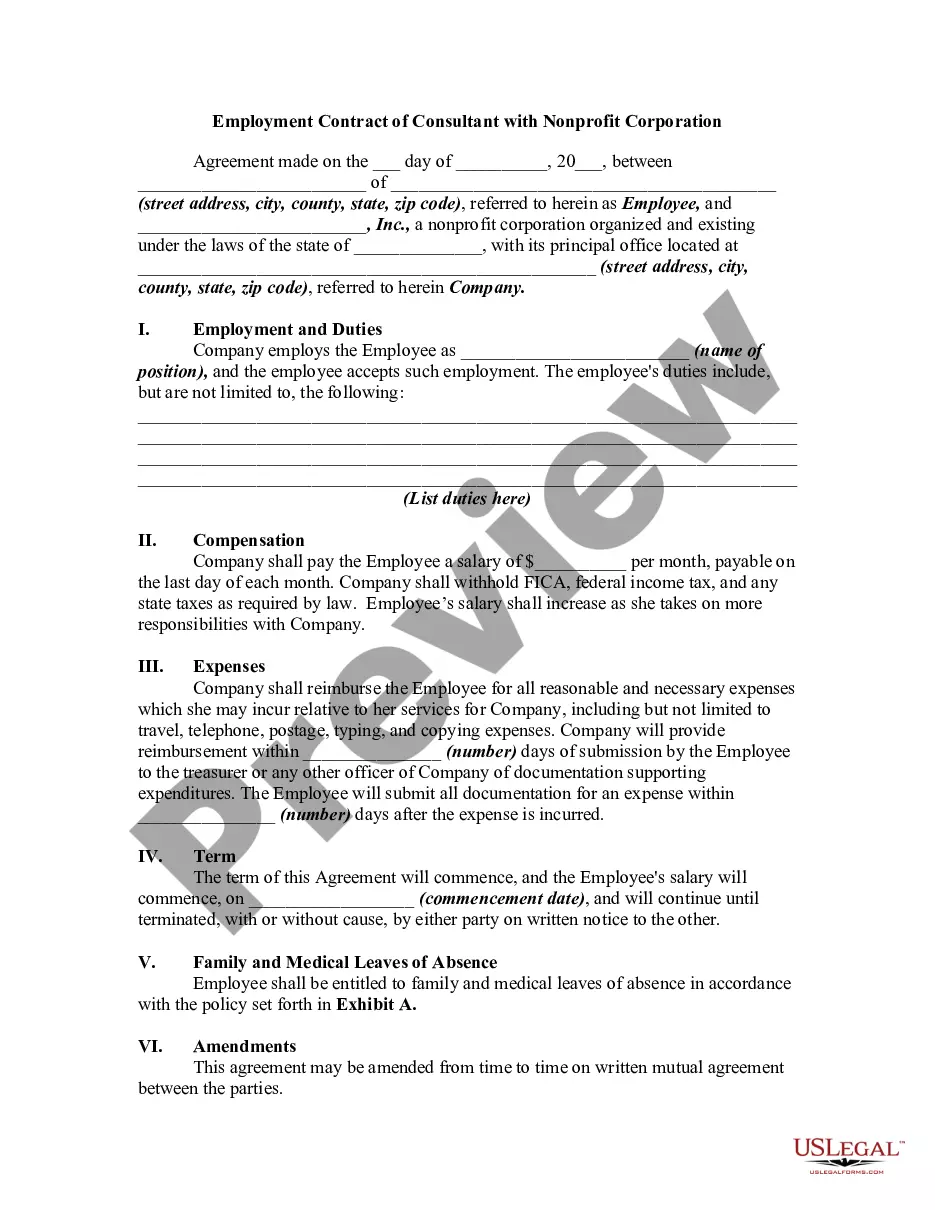
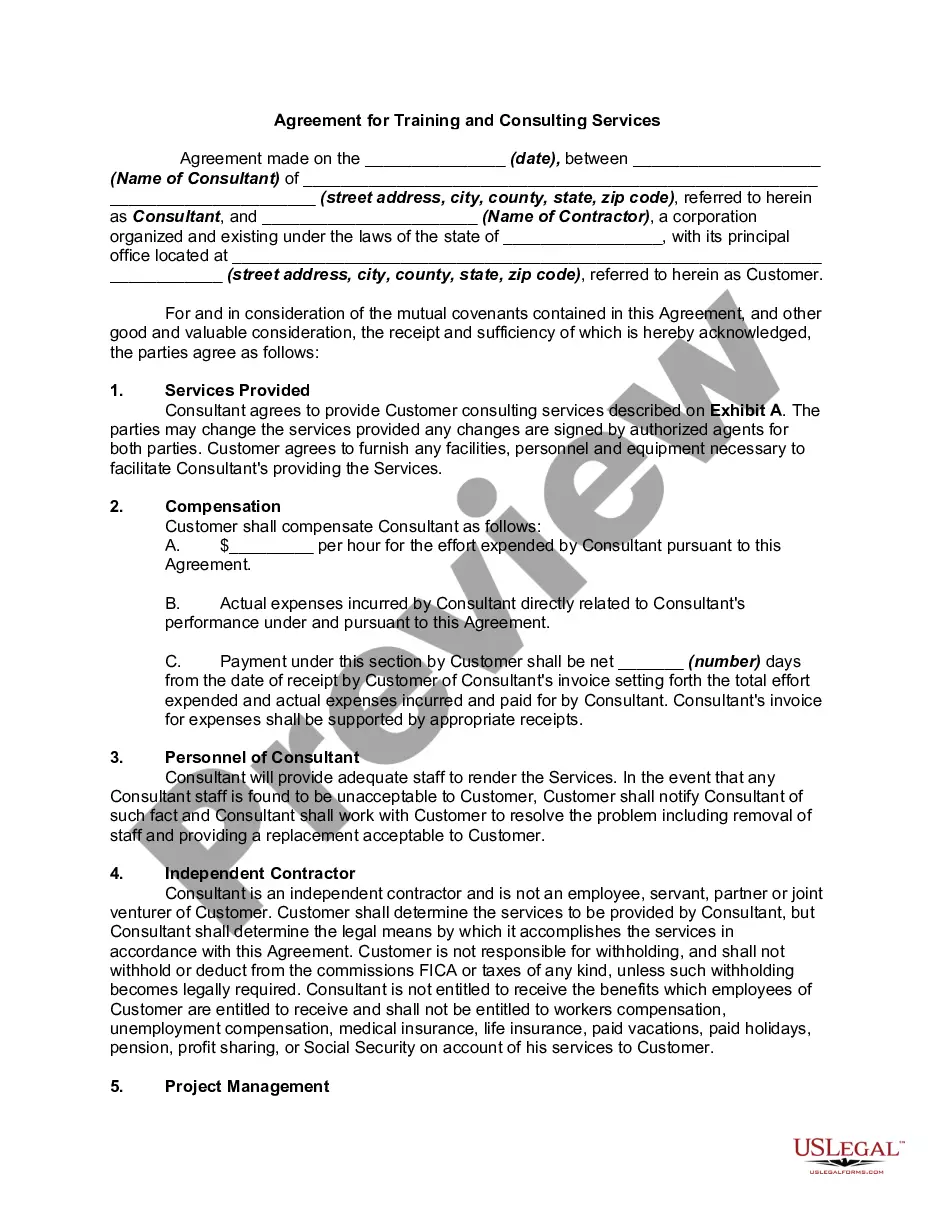
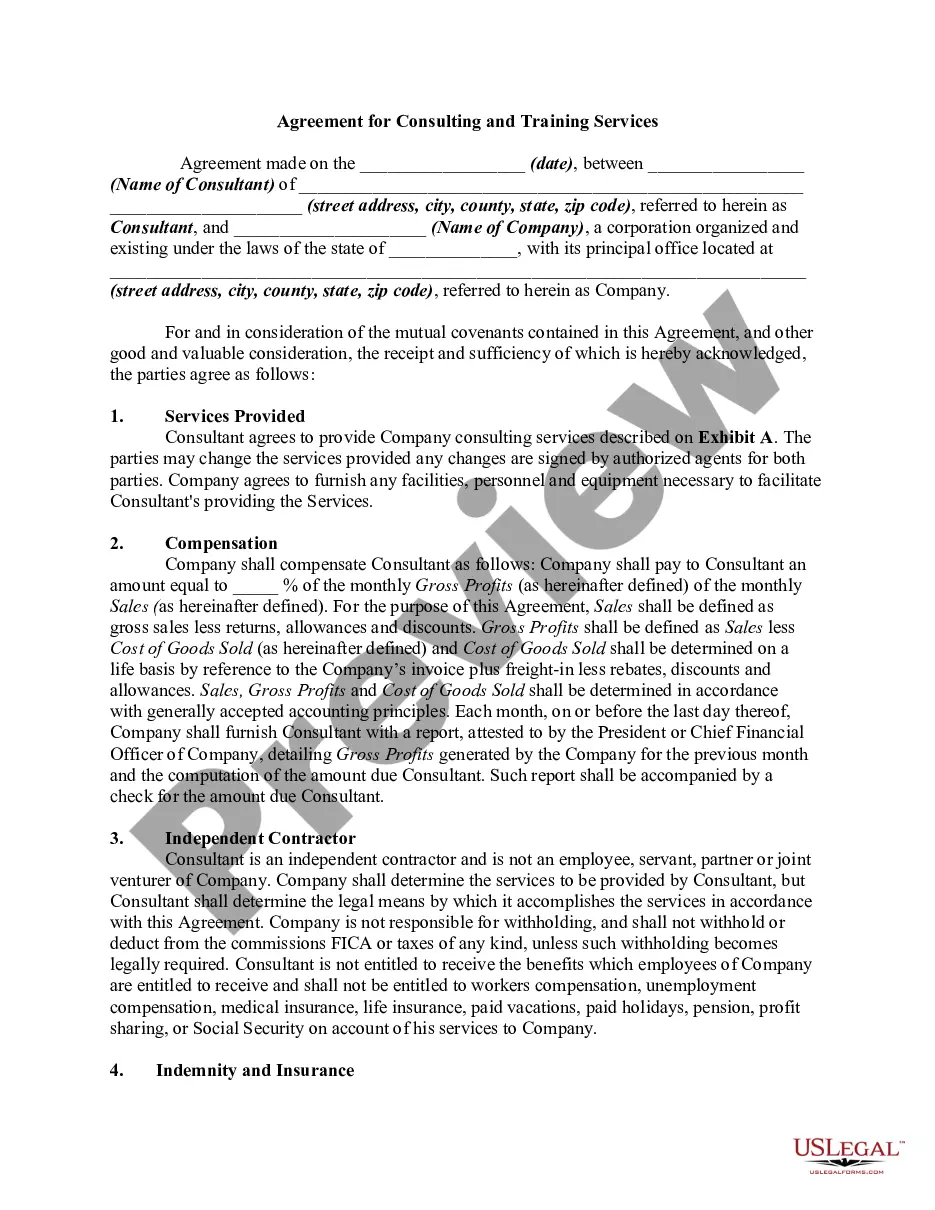
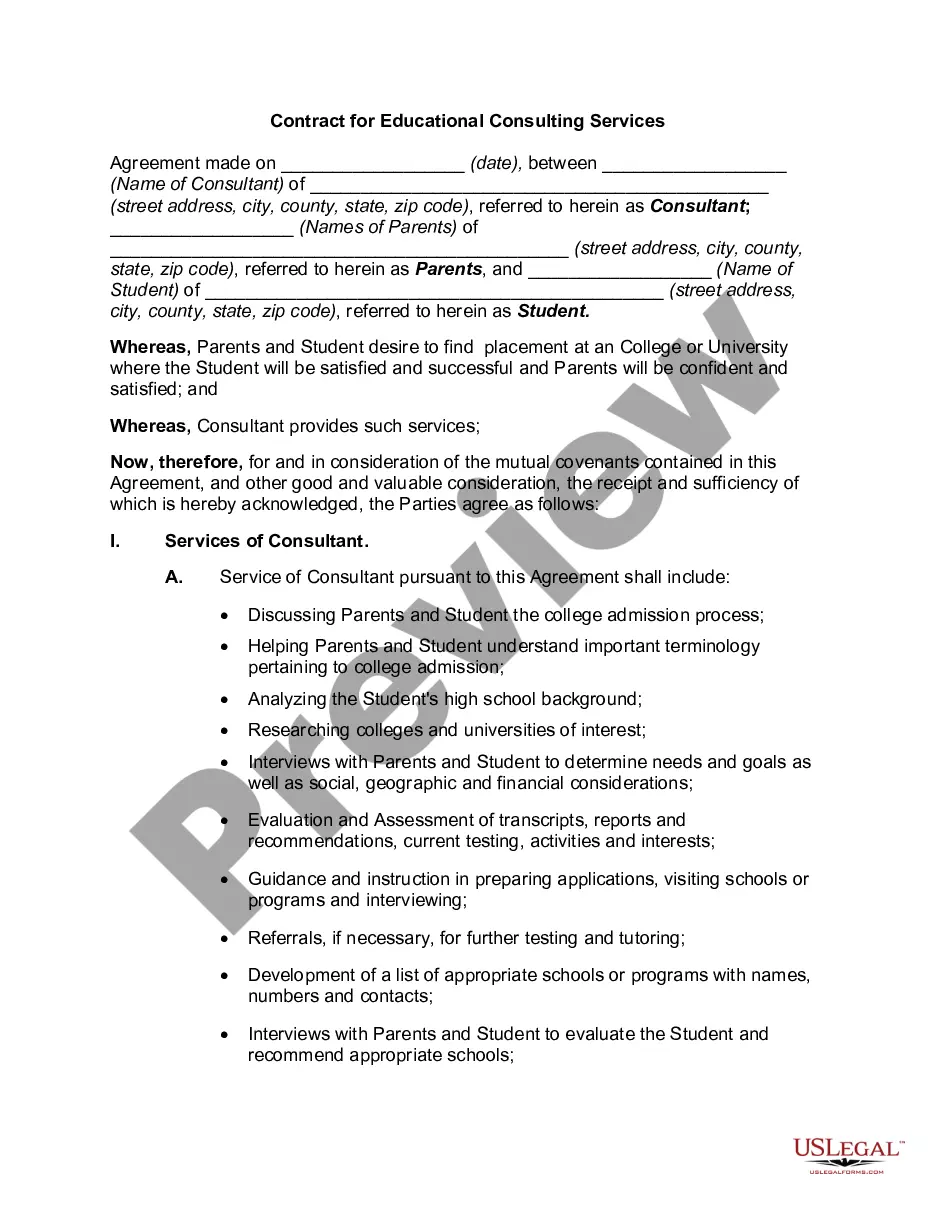
Get your form ready online
Our built-in tools help you complete, sign, share, and store your documents in one place.
Make edits, fill in missing information, and update formatting in US Legal Forms—just like you would in MS Word.
Download a copy, print it, send it by email, or mail it via USPS—whatever works best for your next step.
Sign and collect signatures with our SignNow integration. Send to multiple recipients, set reminders, and more. Go Premium to unlock E-Sign.
If this form requires notarization, complete it online through a secure video call—no need to meet a notary in person or wait for an appointment.
We protect your documents and personal data by following strict security and privacy standards.

Make edits, fill in missing information, and update formatting in US Legal Forms—just like you would in MS Word.

Download a copy, print it, send it by email, or mail it via USPS—whatever works best for your next step.

Sign and collect signatures with our SignNow integration. Send to multiple recipients, set reminders, and more. Go Premium to unlock E-Sign.

If this form requires notarization, complete it online through a secure video call—no need to meet a notary in person or wait for an appointment.

We protect your documents and personal data by following strict security and privacy standards.
Looking for another form?








Form popularity
FAQ
A Foreign Trade Consultant is responsible for advising companies on international trade regulations, market entry strategies, and foreign market opportunities.
Trade contributes to global efficiency. When a country opens up to trade, capital and labor shift toward industries in which they are used more efficiently. That movement provides society a higher level of economic welfare.
A trade consultant helps their client get all the answers they need regarding their upcoming shipment. They help their clients navigate the complicated world of imports and export trade compliance, and ensure their clients are compliant with local rules and regulations every step of the way.
In international trade, creating contracts that are clear, secure, and legally binding is key to safeguarding the interests of the involved parties (exporter-seller and importer-buyers). Essentially, this agreement sets out the rights and obligations of the parties and the remedies for breach.
Advises international clients on foreign markets and fluctuations. Maintains current knowledge and close following of major commodity markets including crude oil, petroleum and natural gas products, agricultural products, and precious metals. Recommends products based on international currency and commodity markets.
International trade specialists research opportunities and find trends in global commerce so they can help companies make informed decisions on how to conduct trade operations. This requires trade specialists to stay abreast of new tariffs, import and export laws, customs rules, and supply chain changes.
Getting hired by the consulting industry can be particularly challenging for several reasons: High Competition: The consulting field attracts a large number of applicants, including graduates from top universities and professionals with diverse backgrounds. This results in a highly competitive hiring process.
Here are six best practices to write a consulting contract that defines your project scope and protects both you and your business. Define Duties, Deliverables, and Roles. Prepare for Potential Risk. Specify Project Milestones and Engagement Time. Identify Expenses and Outline Payment Terms. Specify Product Ownership.
Follow these five steps to take to do to set yourself up for future contract opportunities. Consider Your Options and Plan Ahead. While it's natural to worry, it's better to plan out your options. Keep Potential Clients Informed. Use Your Network. Build Your Own Opportunities. Always Be Proactive.
How to get your first clients as a consultant Create an effective online presence. Prepare your introduction pitch. Start with the people you know. Create partnerships. Use social media. Job postings. Offer valuable content. Cold pitching.
