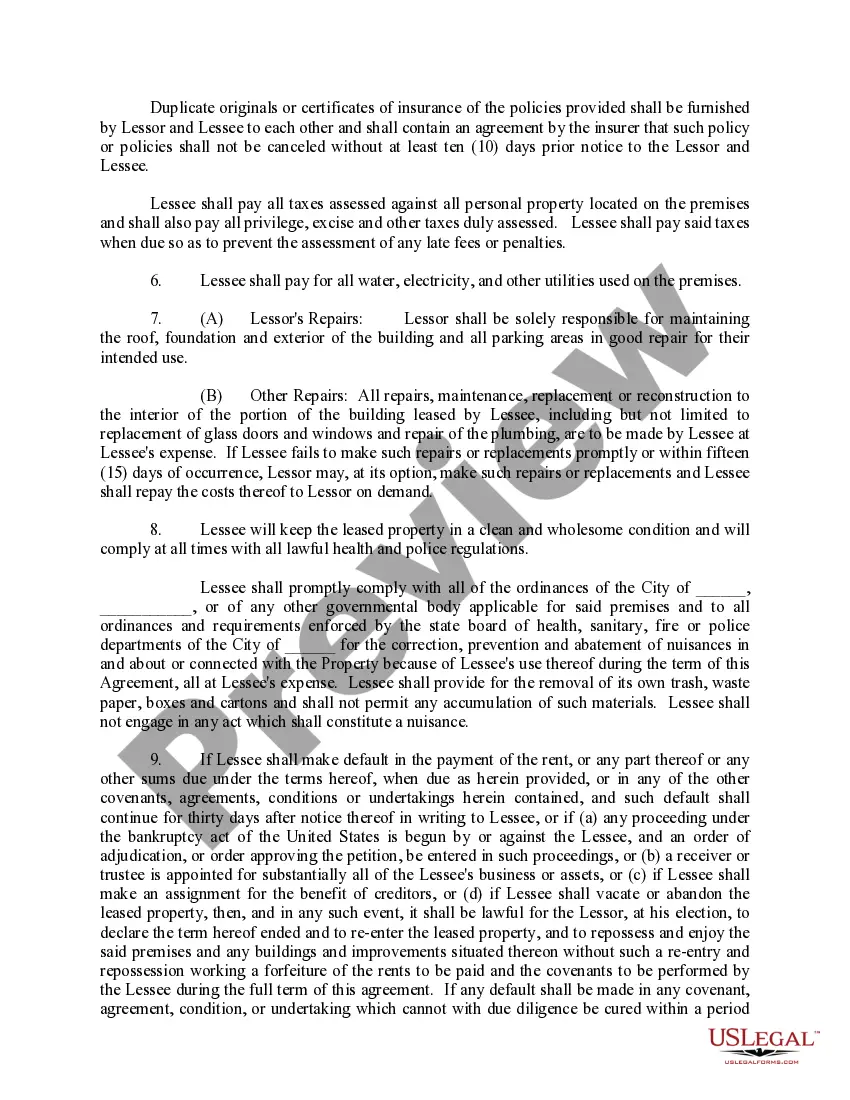
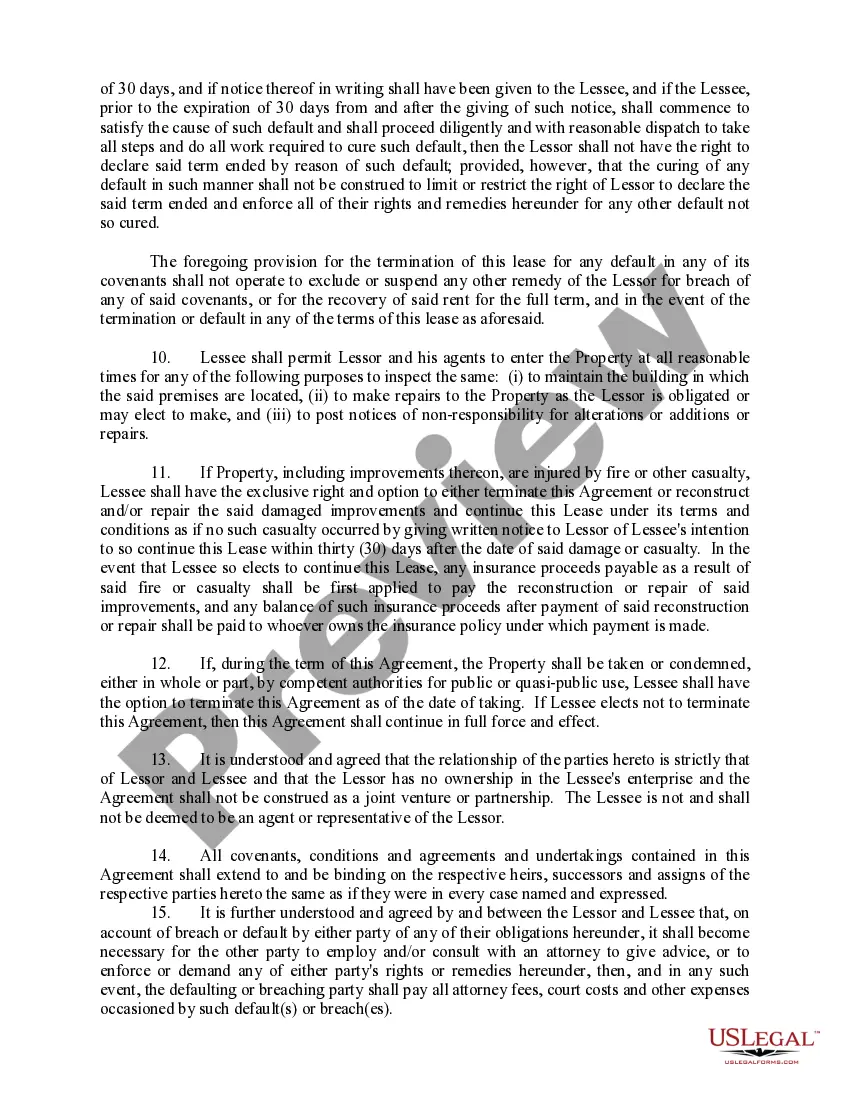
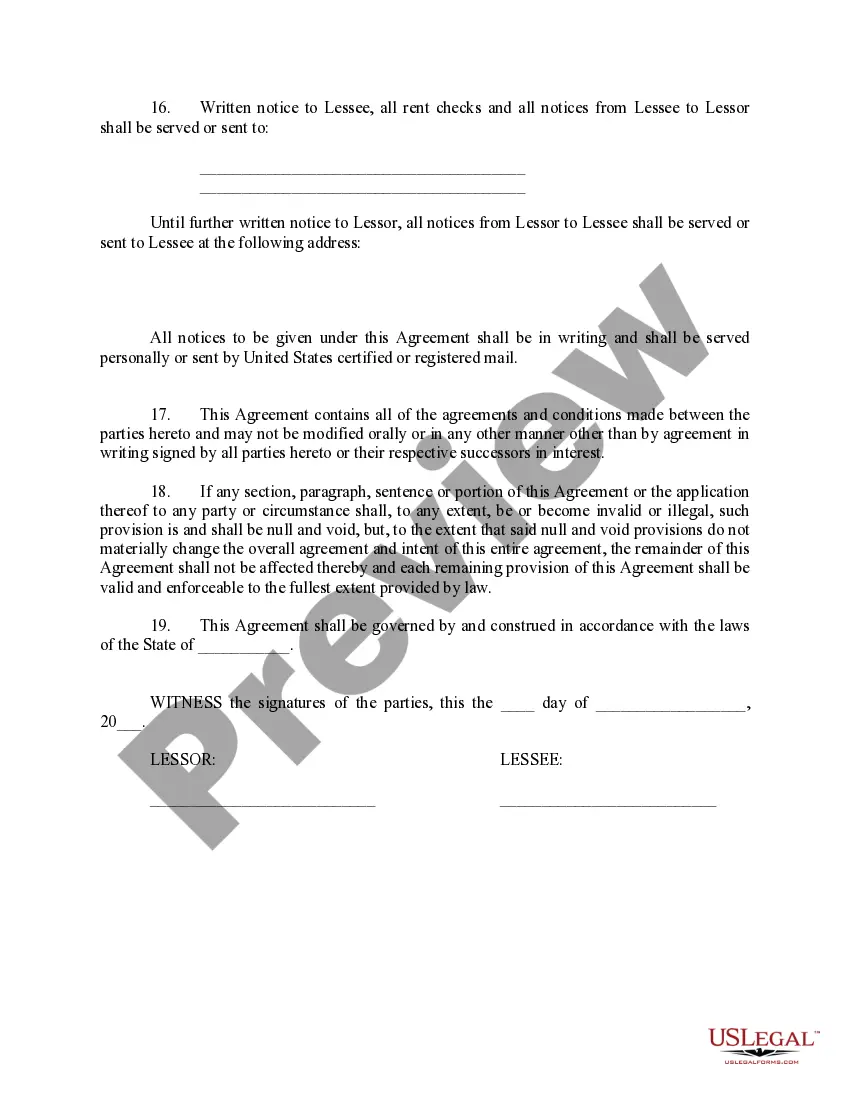
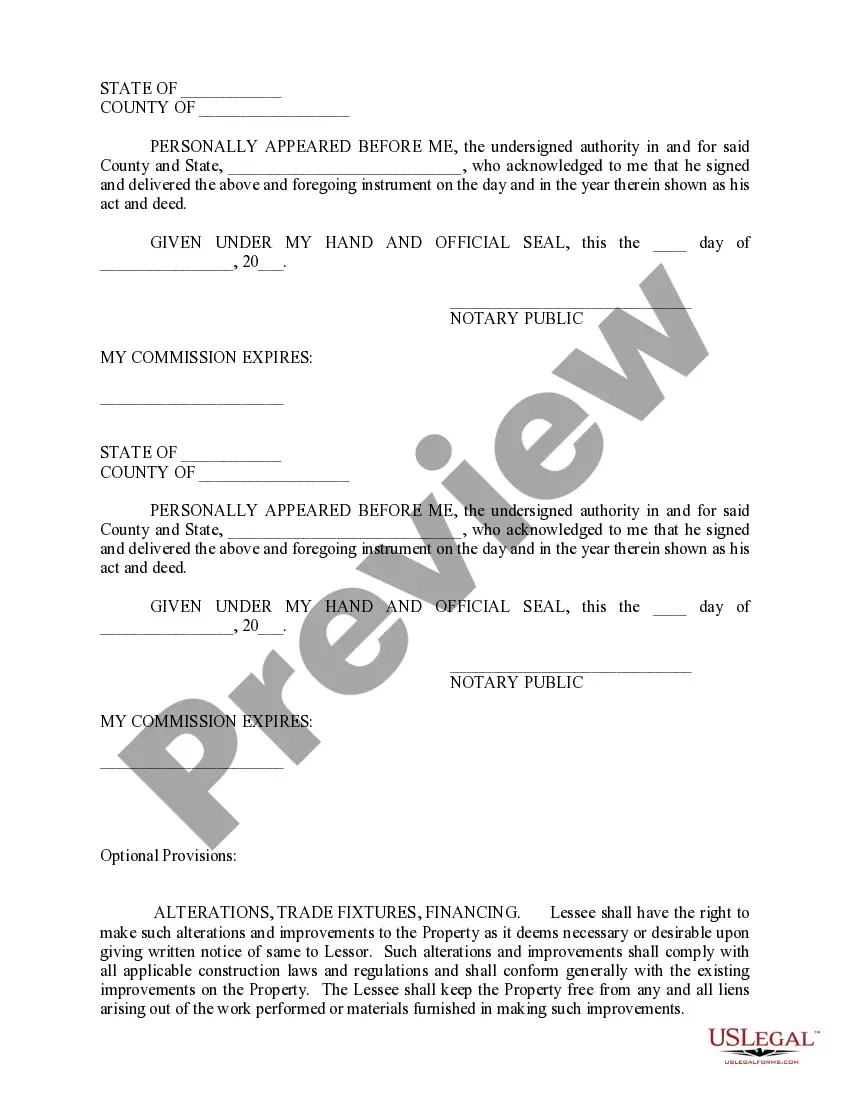
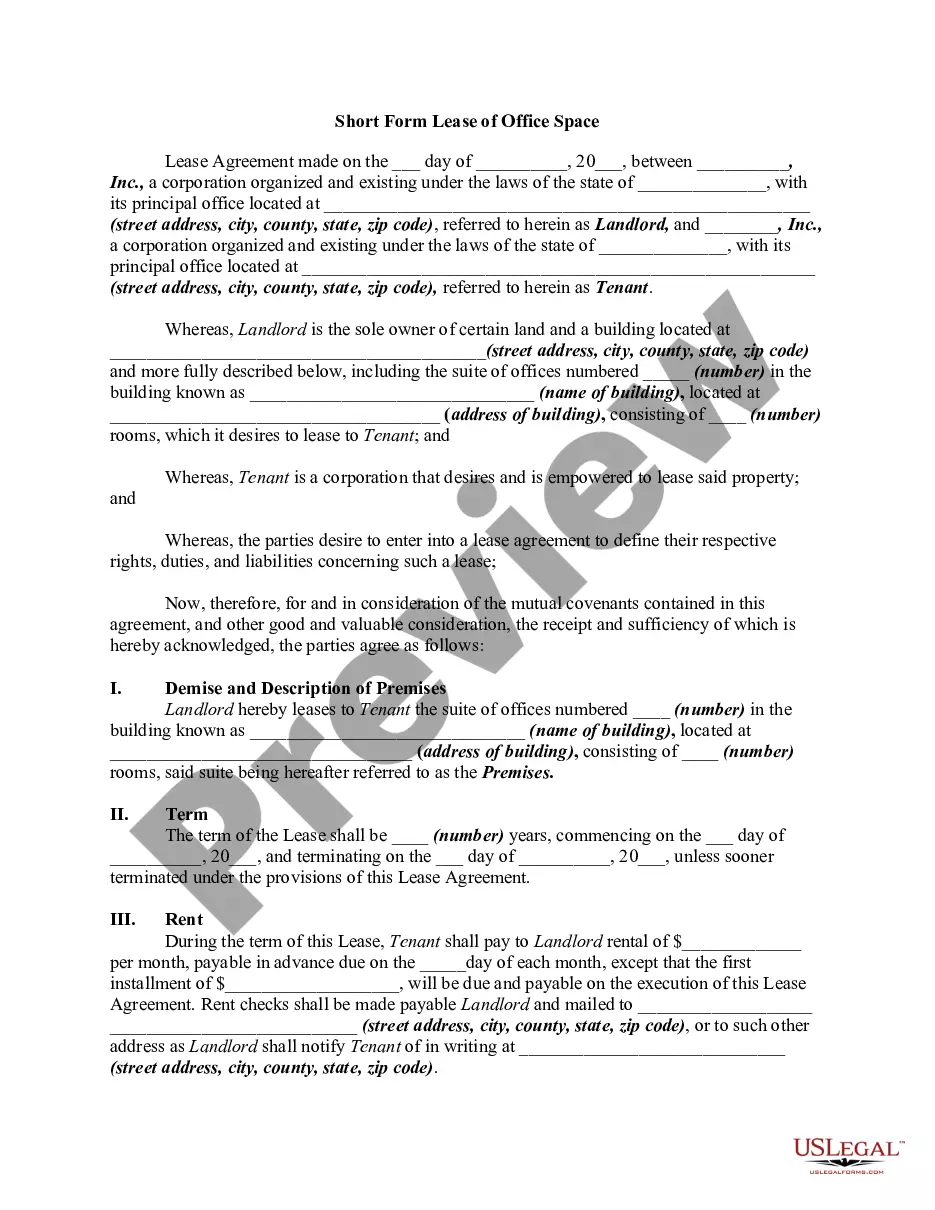
Commercial Lease Agreement Application For Lease In Santa Clara
Description


Get your form ready online
Our built-in tools help you complete, sign, share, and store your documents in one place.
Make edits, fill in missing information, and update formatting in US Legal Forms—just like you would in MS Word.
Download a copy, print it, send it by email, or mail it via USPS—whatever works best for your next step.
Sign and collect signatures with our SignNow integration. Send to multiple recipients, set reminders, and more. Go Premium to unlock E-Sign.
If this form requires notarization, complete it online through a secure video call—no need to meet a notary in person or wait for an appointment.
We protect your documents and personal data by following strict security and privacy standards.

Make edits, fill in missing information, and update formatting in US Legal Forms—just like you would in MS Word.

Download a copy, print it, send it by email, or mail it via USPS—whatever works best for your next step.

Sign and collect signatures with our SignNow integration. Send to multiple recipients, set reminders, and more. Go Premium to unlock E-Sign.

If this form requires notarization, complete it online through a secure video call—no need to meet a notary in person or wait for an appointment.

We protect your documents and personal data by following strict security and privacy standards.
Looking for another form?








Form popularity
FAQ
Common Documents Requiring Notarization Revocable Living Trust. Amendment to Revocable Trust. Transfer Deeds to transfer real estate. Any document to be recorded. Sworn Statement. Parental Consent for Travel. Grant Deed/Quitclaim Deed. Interspousal Transfer Deed.
How to write a California lease agreement Identify the parties involved. Clearly state the names and contact information of both the landlord and the prospective tenant. Define the rental property. Specify the lease term. Outline rent and payment terms. Include important provisions. Comply with legal requirements.
Yes, state laws significantly influence lease notarization requirements. Some states, like California and Texas, require notarization for leases exceeding one year, while others, such as Florida, do not require it unless specified.
In general, business contracts do not need to be notarized unless there are circumstances inherent in the transaction that might lead one party or the other to be concerned about the identity and/or authority of the other party to enter into the transaction.
In some states, notarization isn't necessary for leases shorter than one year. For example, California does not require notarization for standard residential leases, while Ohio may require it for some lease types.
Verbal and Written Agreements California's Statute of Frauds requires a lease to be in writing if it either: 1. has a term longer than one year; or 2. has a term less than one year which expires more than one year after the agreement is reached.
The standard lease agreement in California, whether for residential or commercial property, is a legal contract between the property owner and the prospective tenant. It outlines the terms under which the tenant can occupy and use the rental property.
What are the most important steps for drafting a commercial lease agreement? Identify the parties and the property. Determine the rent and the term. Negotiate the improvements and the maintenance. Allocate the taxes and the insurance. Include the clauses and the contingencies. Review and sign the agreement.
Negotiating a commercial lease can take anywhere from one day to a year or more. It all comes down to how close the parties are in terms of expectations at the beginning. Additionally, if neither party is willing to give much leeway, the process can take time. However, the average length is about three to nine months.
Leases must be for a minimum period of five years unless the tenant waives that minimum period. A commercial lease can be for any term negotiated between the parties. tenants are entitled to receive a disclosure statement which sets out key information about the lease.
