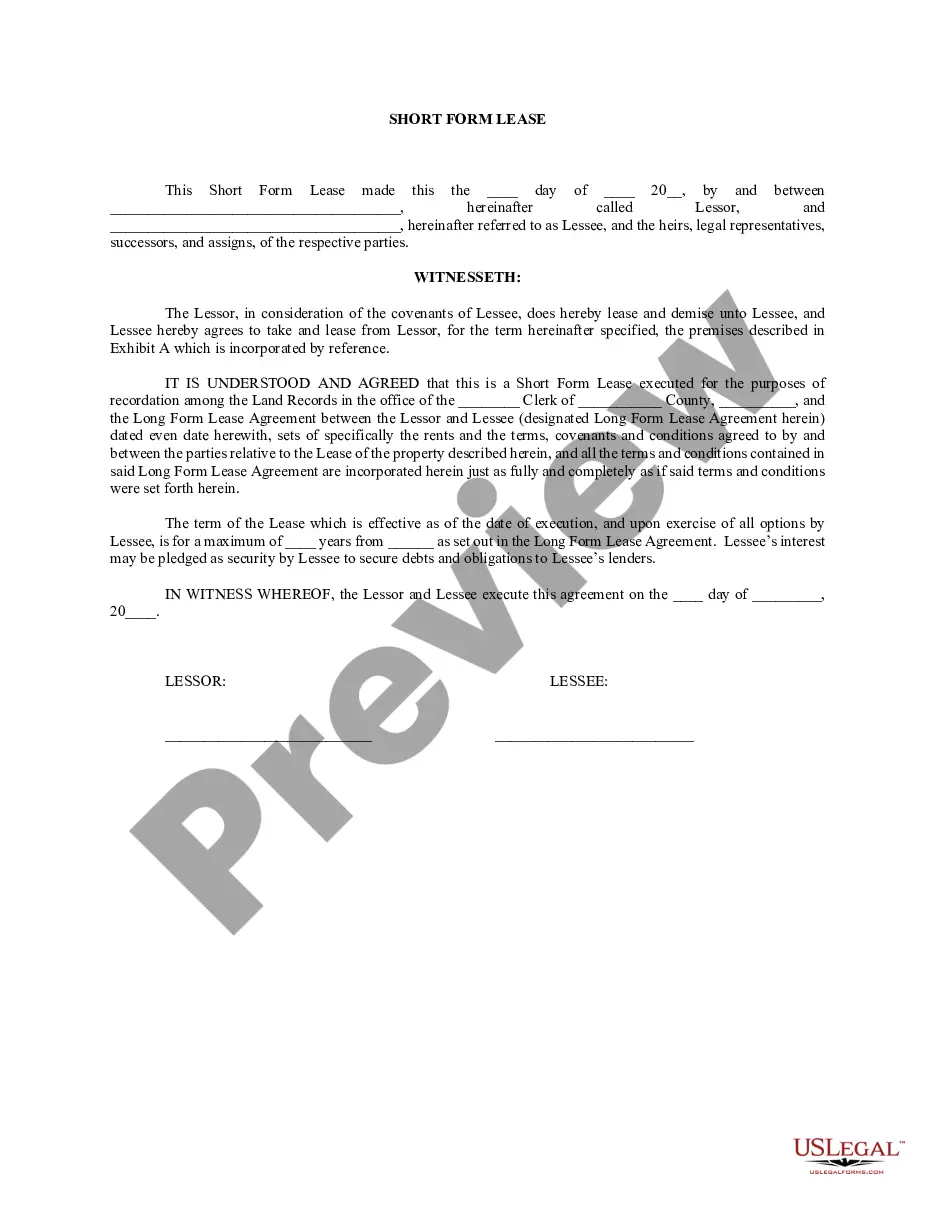
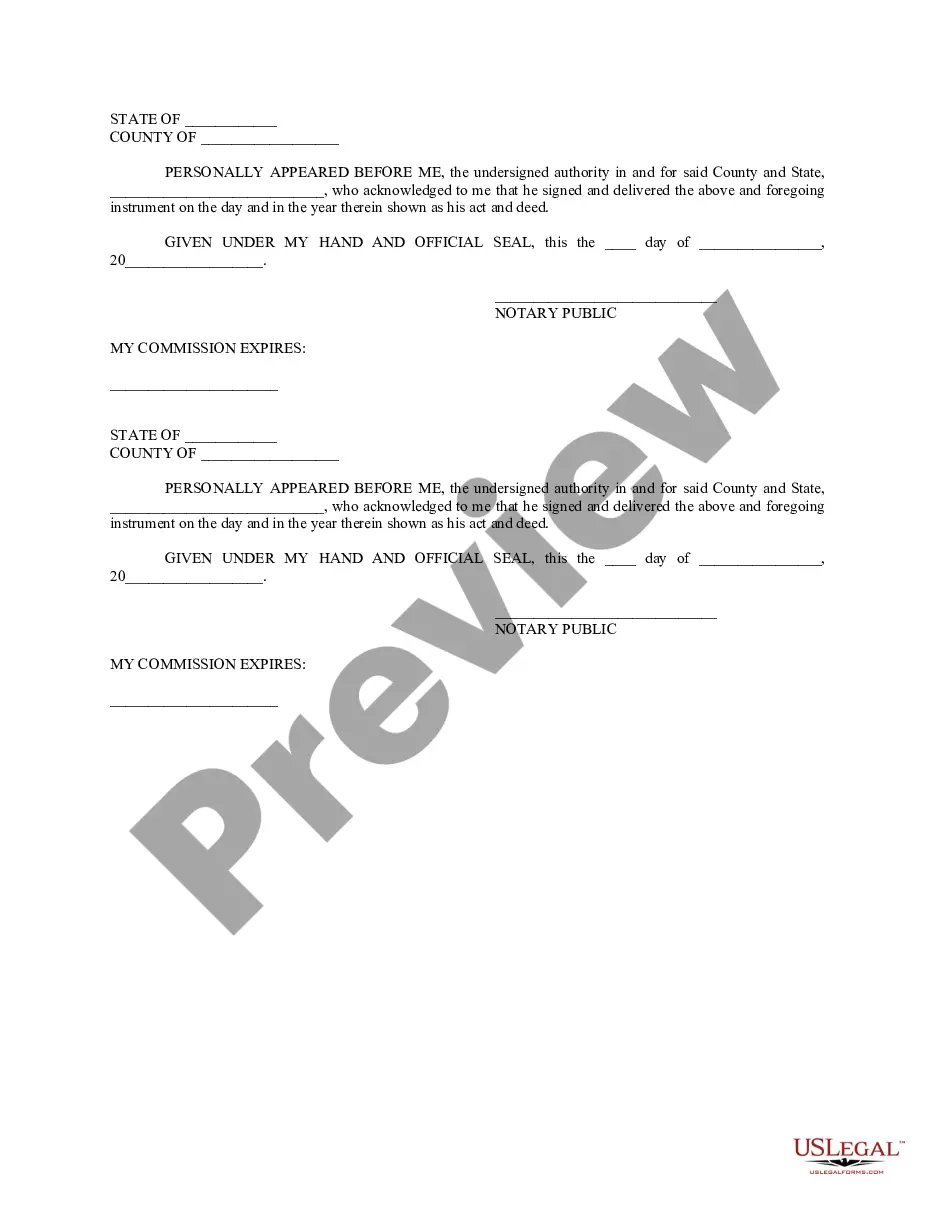
Long Term Lease For In Cook
Description
Get your form ready online
Our built-in tools help you complete, sign, share, and store your documents in one place.
Make edits, fill in missing information, and update formatting in US Legal Forms—just like you would in MS Word.
Download a copy, print it, send it by email, or mail it via USPS—whatever works best for your next step.
Sign and collect signatures with our SignNow integration. Send to multiple recipients, set reminders, and more. Go Premium to unlock E-Sign.
If this form requires notarization, complete it online through a secure video call—no need to meet a notary in person or wait for an appointment.
We protect your documents and personal data by following strict security and privacy standards.

Make edits, fill in missing information, and update formatting in US Legal Forms—just like you would in MS Word.

Download a copy, print it, send it by email, or mail it via USPS—whatever works best for your next step.

Sign and collect signatures with our SignNow integration. Send to multiple recipients, set reminders, and more. Go Premium to unlock E-Sign.

If this form requires notarization, complete it online through a secure video call—no need to meet a notary in person or wait for an appointment.

We protect your documents and personal data by following strict security and privacy standards.
Looking for another form?









Form popularity
FAQ
Negotiating a Longer Lease Perhaps you can offer a slightly longer lease with a move-in date that works for them. Focus on Mutually Beneficial Terms: While a longer lease benefits the landlord with stability, you can still negotiate for perks.
In most standard Illinois residential leases, tenants are required to provide 30 days' written notice to legally terminate early. The notice period commences at the start of the next rental period after notice is given. Inform your landlord in writing as soon as possible once you decide to leave.
Key Features of Long-Term Leases These leases typically extend beyond 5 years and can last up to 25 years or more. While these often require more front-end legal work, they offer tenants more certainty.
In the law of several US states, a 99-year lease will always be the longest possible contract for realty by statute, but many states have enacted shorter terms and some allow infinite terms.
Once we have gathered our information (i.e., we know the lease term, the lease payment, and the discount rate), we simply discount the liability over the lease term, using the discount rate. We then record the lease liability, or the resulting amount, on the balance sheet. Then, we record the lease asset.
A leasehold agreement will outline the length of the lease – It usually starts off at 125 years or 1000 years. Essentially, this means you rent your property on a 125 or 1000 year contract. Unlike a normal rental property, you own this lease and have the right to sell it to someone else.
If you own your flat, you can extend your lease by law if you meet certain conditions: it must be a 'long lease' – a lease with an original term of more than 21 years when it was first granted. your landlord is not a charity providing a flat for you as part of their work. it is not a business or commercial lease.
What is a Journal Entry for Lease? A journal entry for a lease records the financial transactions related to the leasing of an asset. This involves documenting the initial recognition of lease obligations and assets, as well as ongoing payments and expenses.
In order to record the lease liability on the balance sheet, we need to know these 3 factors: Determine the lease term. Verify the lease payment. Know the discount rate that will be used to discount the lease liability.