Closure Any Property For Division In Phoenix
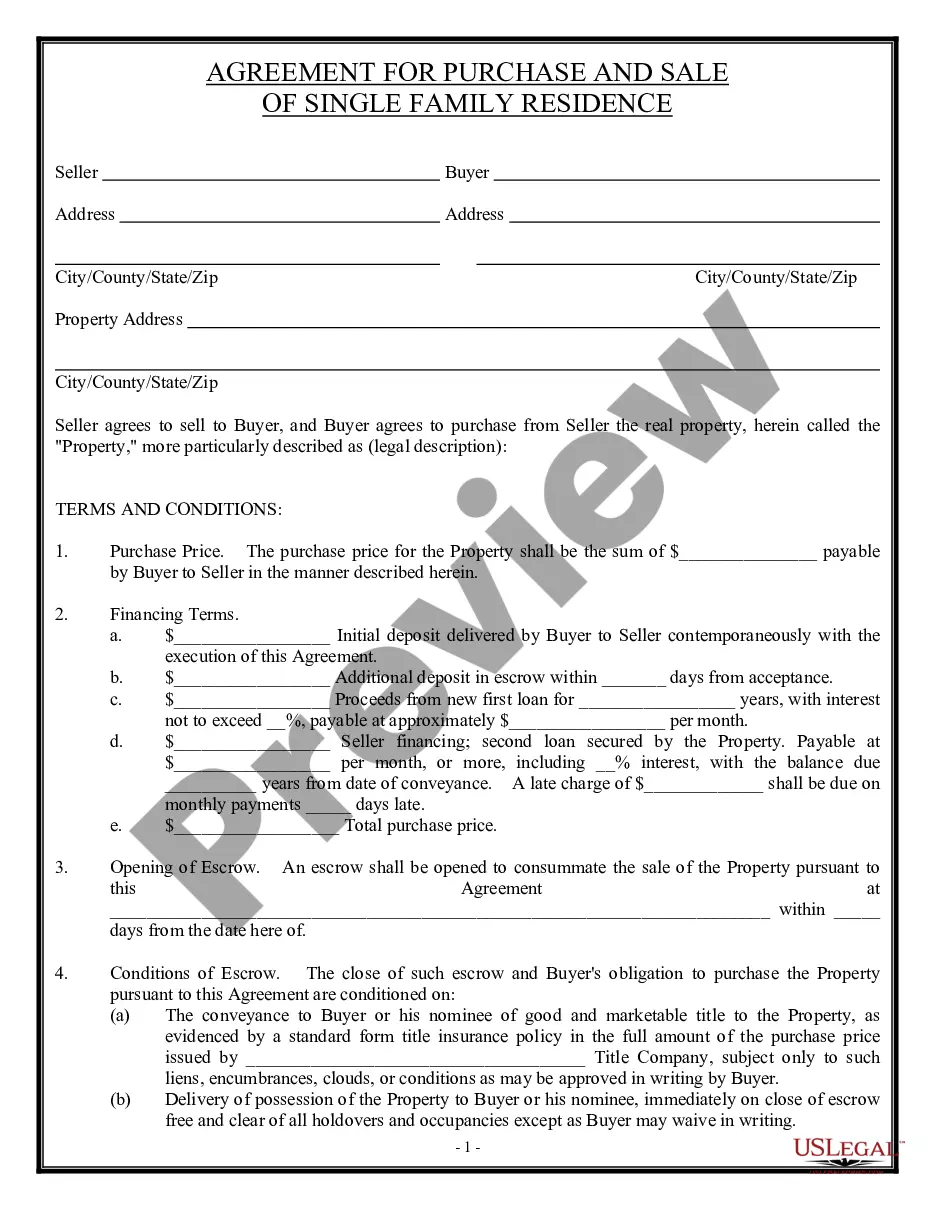
Description

Get your form ready online
Our built-in tools help you complete, sign, share, and store your documents in one place.
Make edits, fill in missing information, and update formatting in US Legal Forms—just like you would in MS Word.
Download a copy, print it, send it by email, or mail it via USPS—whatever works best for your next step.
Sign and collect signatures with our SignNow integration. Send to multiple recipients, set reminders, and more. Go Premium to unlock E-Sign.
If this form requires notarization, complete it online through a secure video call—no need to meet a notary in person or wait for an appointment.
We protect your documents and personal data by following strict security and privacy standards.

Make edits, fill in missing information, and update formatting in US Legal Forms—just like you would in MS Word.

Download a copy, print it, send it by email, or mail it via USPS—whatever works best for your next step.

Sign and collect signatures with our SignNow integration. Send to multiple recipients, set reminders, and more. Go Premium to unlock E-Sign.

If this form requires notarization, complete it online through a secure video call—no need to meet a notary in person or wait for an appointment.

We protect your documents and personal data by following strict security and privacy standards.
Looking for another form?










Form popularity
FAQ
Each former spouse begins life after divorce with all his or her separate property and half what they once owned together. Arizona is a 50/50 property law state when it comes to divorce. Community property division must be equitable, but seldom will shares be absolutely equal.
The presumption of community property, can, in part, be overcome if the challenging party can prove by clear and convincing evidence that the property at issue was acquired as a gift.
Arizona is a 50/50 property law state when it comes to divorce. Community property division must be equitable, but seldom will shares be absolutely equal. In part, this is because the family law judge has considerable discretion over property awards.
While some divorces in Arizona could result in a 50/50 split of assets, each case is different and will have its own unique outcome. What is a wife entitled to in a divorce in Arizona? In Arizona, all marital property is usually divided equally during a divorce.
Although Arizona laws do not allow child custody decisions to control who is awarded the house when both parents want to keep the house after an Arizona divorce, the reality is a judge is more likely to award the home to the parent who has a majority of time with the children in his or her care.
In community property states, spouses must generally equally split the property they accumulated together during the marriage when they divorce. In Arizona, assets, and debts a couple acquires during the marriage are generally considered community property and owned equally by both spouses.
All property acquired by either husband or wife during the marriage is the community property of the husband and wife except for property that is: 1. Acquired by gift, devise or descent.
The majority of states adhere to equitable distribution principles, but Arizona is not one of them.
Under state law, Arizona courts will grant a divorce in a covenant marriage in eight specific circumstances: A spouse has committed adultery. A spouse has committed a felony and received a life sentence or the death penalty. A spouse has abandoned the marital home for at least one year and refuses to return.