Closing Property Title Form Texas In Philadelphia
Description

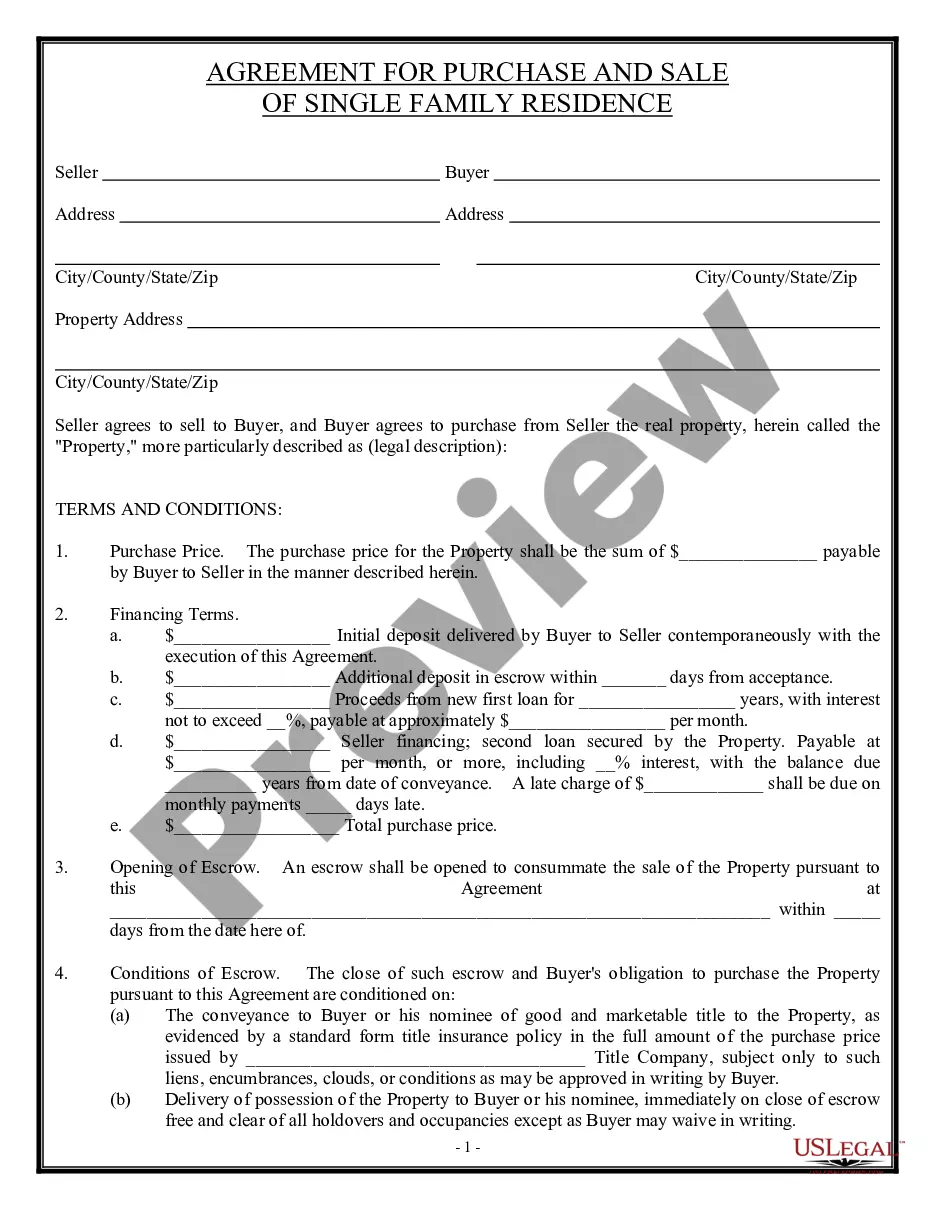
Get your form ready online
Our built-in tools help you complete, sign, share, and store your documents in one place.
Make edits, fill in missing information, and update formatting in US Legal Forms—just like you would in MS Word.
Download a copy, print it, send it by email, or mail it via USPS—whatever works best for your next step.
Sign and collect signatures with our SignNow integration. Send to multiple recipients, set reminders, and more. Go Premium to unlock E-Sign.
If this form requires notarization, complete it online through a secure video call—no need to meet a notary in person or wait for an appointment.
We protect your documents and personal data by following strict security and privacy standards.

Make edits, fill in missing information, and update formatting in US Legal Forms—just like you would in MS Word.

Download a copy, print it, send it by email, or mail it via USPS—whatever works best for your next step.

Sign and collect signatures with our SignNow integration. Send to multiple recipients, set reminders, and more. Go Premium to unlock E-Sign.

If this form requires notarization, complete it online through a secure video call—no need to meet a notary in person or wait for an appointment.

We protect your documents and personal data by following strict security and privacy standards.
Looking for another form?







Form popularity
FAQ
Do Both Parties Have to be Present to Transfer a Car in Texas? If the seller or person gifting the car properly signed the title, they do not have to be present at the DMV to transfer the title. However, the person receiving the vehicle must present the Application for Texas Title in person at the DMV.
To add, remove, or change a name on a deed, have a lawyer, title company, or other real estate professional prepare the deed. Then, record the new deed with the Department of Records. Note: We recommend that you do not prepare a deed on your own. We also recommend that you get title insurance.
Here are the steps to follow when transferring property ownership in Texas legally: Step 1: Prepare the Deed. The first step is to prepare the deed, but what's the difference between a title vs. Step 2: Sign the Deed. Step 3: Record the Deed. Step 4: Update Property Records.
Here are the steps to follow when transferring property ownership in Texas legally: Step 1: Prepare the Deed. The first step is to prepare the deed, but what's the difference between a title vs. Step 2: Sign the Deed. Step 3: Record the Deed. Step 4: Update Property Records.
Transferring property in Pennsylvania involves the following process: Determine the deed option you are using. Download and fill out the appropriate forms. Fill out the realty transfer tax forms. Sign the deed in front of a notary public. File the transfer with the office of the Recorder of Deeds.
This can only be done by recording a new deed showing the change. Many people think they can simply come into the office and change the present deed on record. However, once a paper is recorded, it cannot be changed. The new deed can be prepared by your attorney, title insurance company or a real estate office.
– Quitclaim Deed: This deed transfers the grantor's interest in the property without any warranties or guarantees. It is often used for transfers between family members where the grantor may not want to warrant the current status of title.
For the deed to be legally binding, it must be: Signed by the grantor (person transferring the property) Signed in front of or acknowledged by a notary public. Recorded in the Recorder of Deeds office in the county where the real estate property is located.
Deed Transfers in Pennsylvania Determine the deed option you are using. Download and fill out the appropriate forms. Fill out the realty transfer tax forms. Sign the deed in front of a notary public. File the transfer with the office of the Recorder of Deeds.
