Sell Closure Property With Example In Ohio
Description

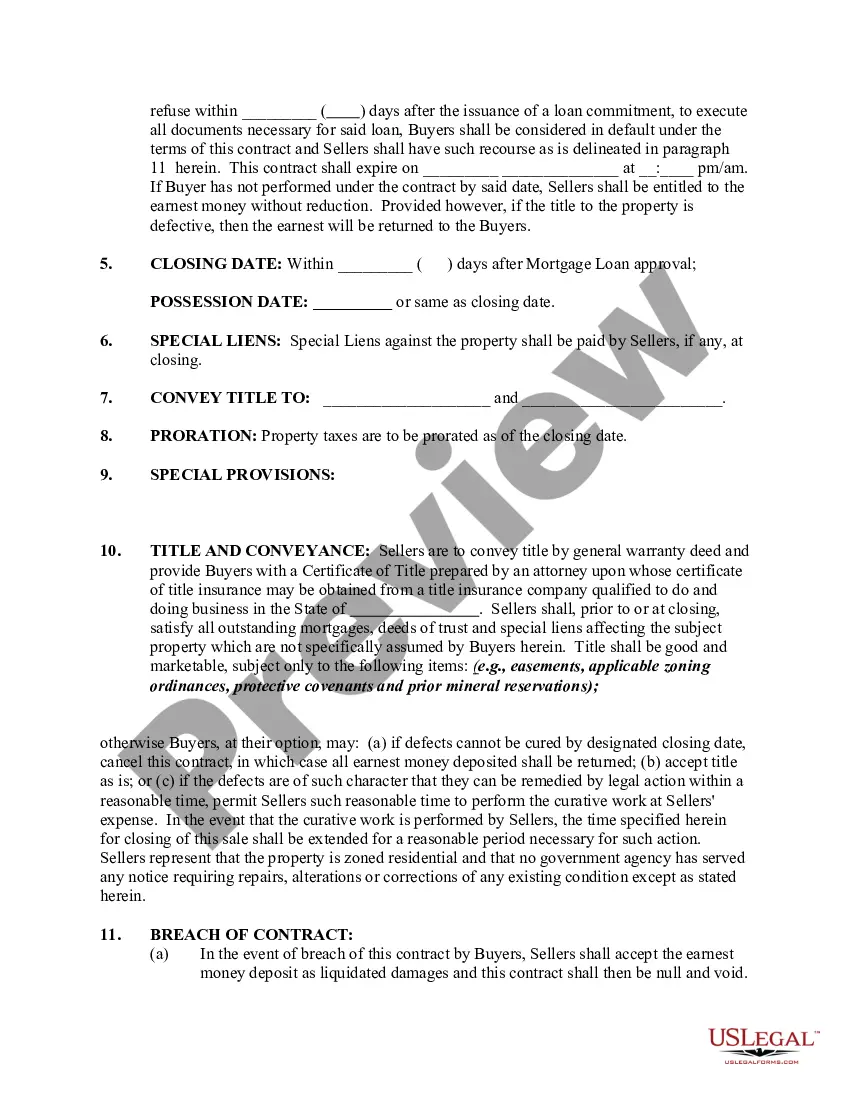
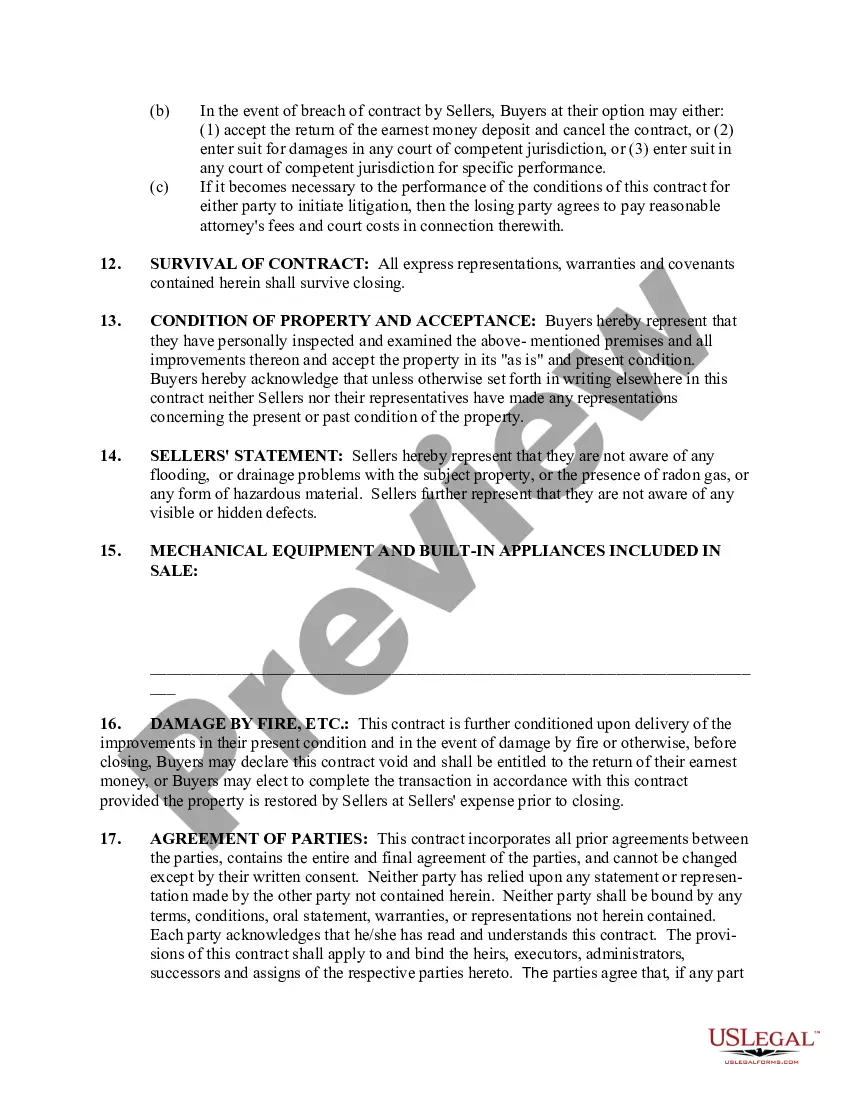
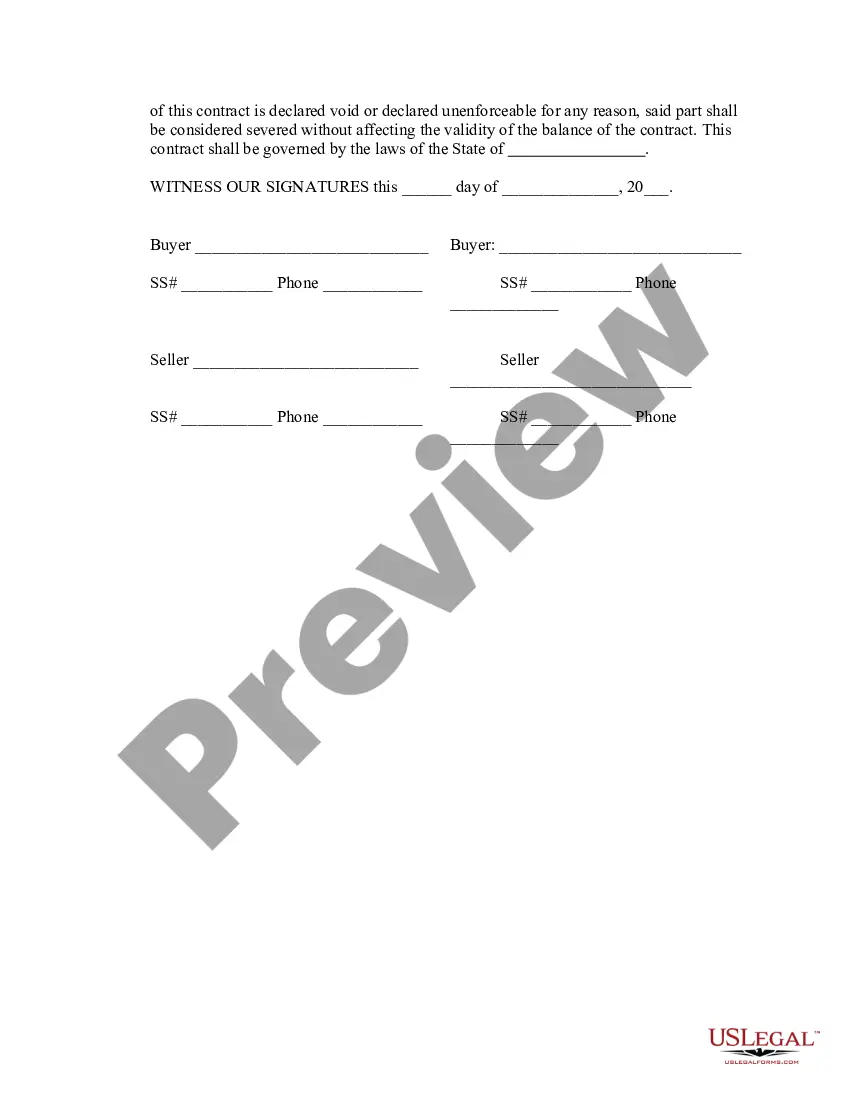
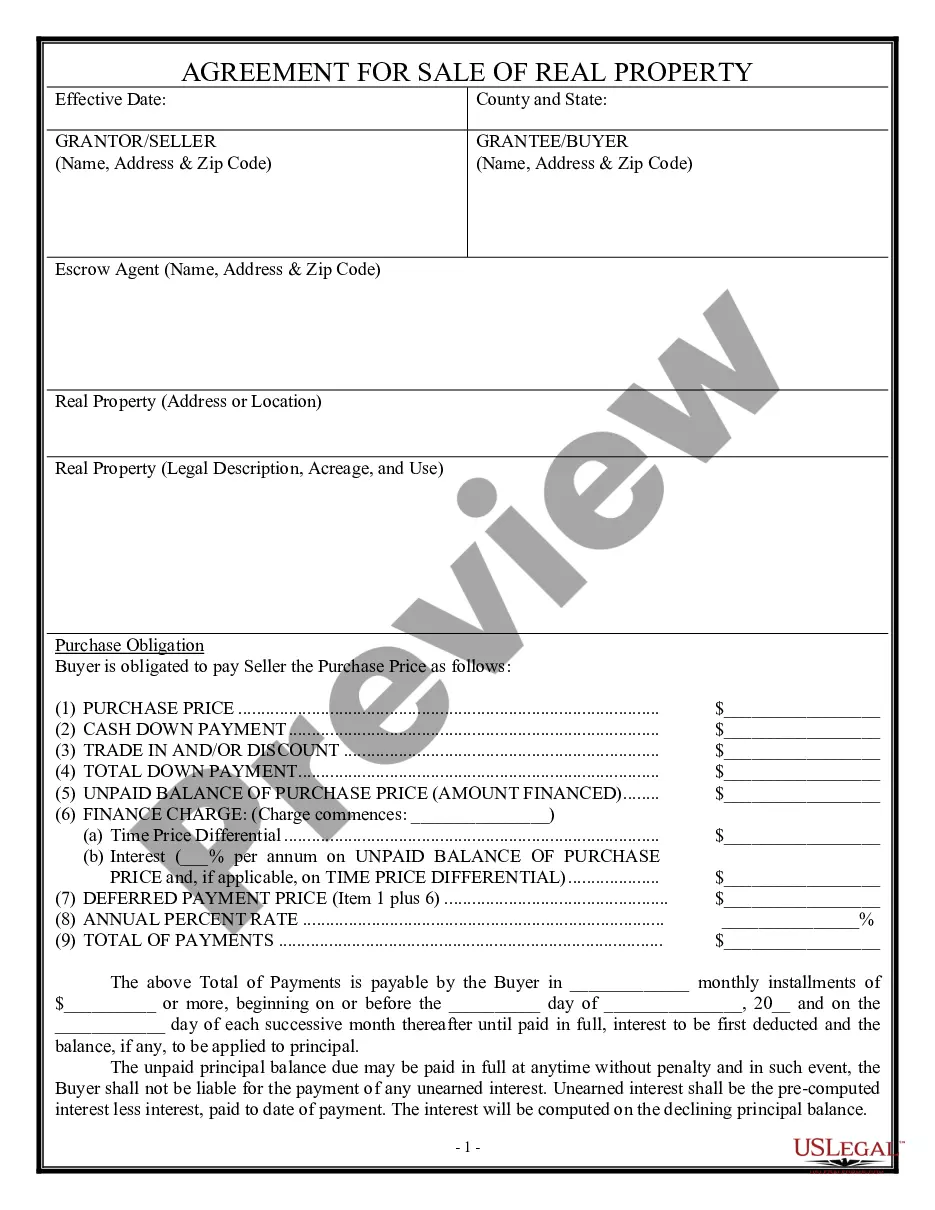
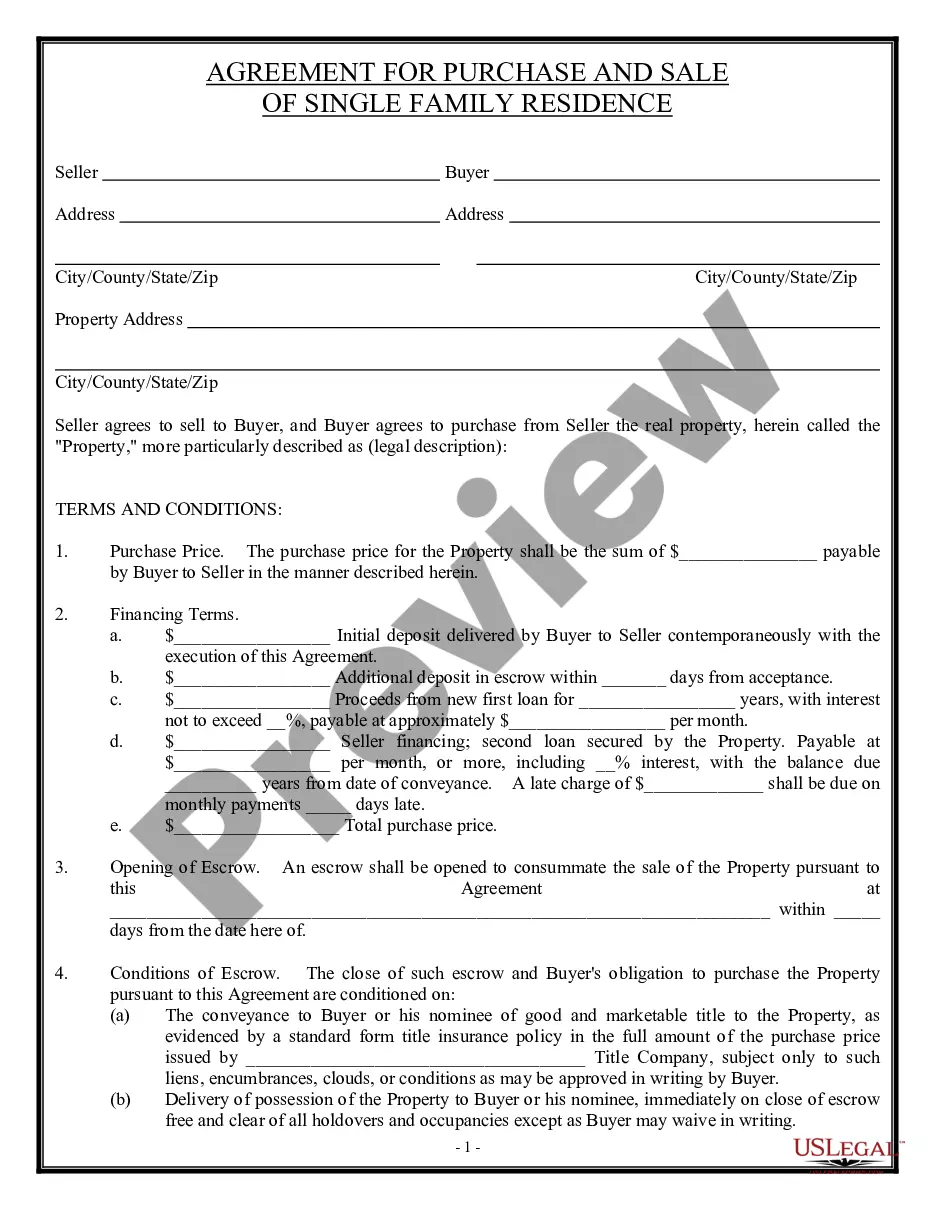
Get your form ready online
Our built-in tools help you complete, sign, share, and store your documents in one place.
Make edits, fill in missing information, and update formatting in US Legal Forms—just like you would in MS Word.
Download a copy, print it, send it by email, or mail it via USPS—whatever works best for your next step.
Sign and collect signatures with our SignNow integration. Send to multiple recipients, set reminders, and more. Go Premium to unlock E-Sign.
If this form requires notarization, complete it online through a secure video call—no need to meet a notary in person or wait for an appointment.
We protect your documents and personal data by following strict security and privacy standards.

Make edits, fill in missing information, and update formatting in US Legal Forms—just like you would in MS Word.

Download a copy, print it, send it by email, or mail it via USPS—whatever works best for your next step.

Sign and collect signatures with our SignNow integration. Send to multiple recipients, set reminders, and more. Go Premium to unlock E-Sign.

If this form requires notarization, complete it online through a secure video call—no need to meet a notary in person or wait for an appointment.

We protect your documents and personal data by following strict security and privacy standards.
Looking for another form?






Form popularity
FAQ
Ohio law requires sellers to disclose any known material defects, including mold presence. Honesty and transparency about mold issues are legal obligations that build foundational trust with potential buyers and are crucial to avoid legal repercussions.
Do you have to report a death in your home while selling real estate in Ohio? Ohio has no requirement for disclosure of death for property. The state does not consider death , suicide or homicide as material issues and there does not require disclosure.
The seller gives the buyer a credit for the tax proration, which represents the taxes that would be due on the day of closing if the county sent a bill for taxes that day.
Sellers do not usually need to be present at an Ohio closing. Normally, the buyers will sign the final documents at the office of their title company or escrow agent (though much of the signing can also be done virtually) and pick up the keys.
However, Ohio disclosure law requires sellers to only disclose items they are aware of. You will not need an inspection to complete the form, only your knowledge of the property. This includes things like neighborhood nuisances, safety hazards, water damage, and anything that has needed repairs.
Ohio's Home Solicitation Sales Act (starting at Ohio Revised Code (ORC) Section 1345.21) gives consumers three days to cancel sales made in their homes or outside the seller's regular place of business.
Homeowners over the age of 65: Must not have a total household income over $38,600/year if applying in 2024, or $40,000 if applying in 2025, which includes the Ohio adjusted gross income of the owner and the owner's spouse. Must be age 65 by December 31 of the calendar year for which the exemption is sought.
