Closing Property Title Format In Ohio
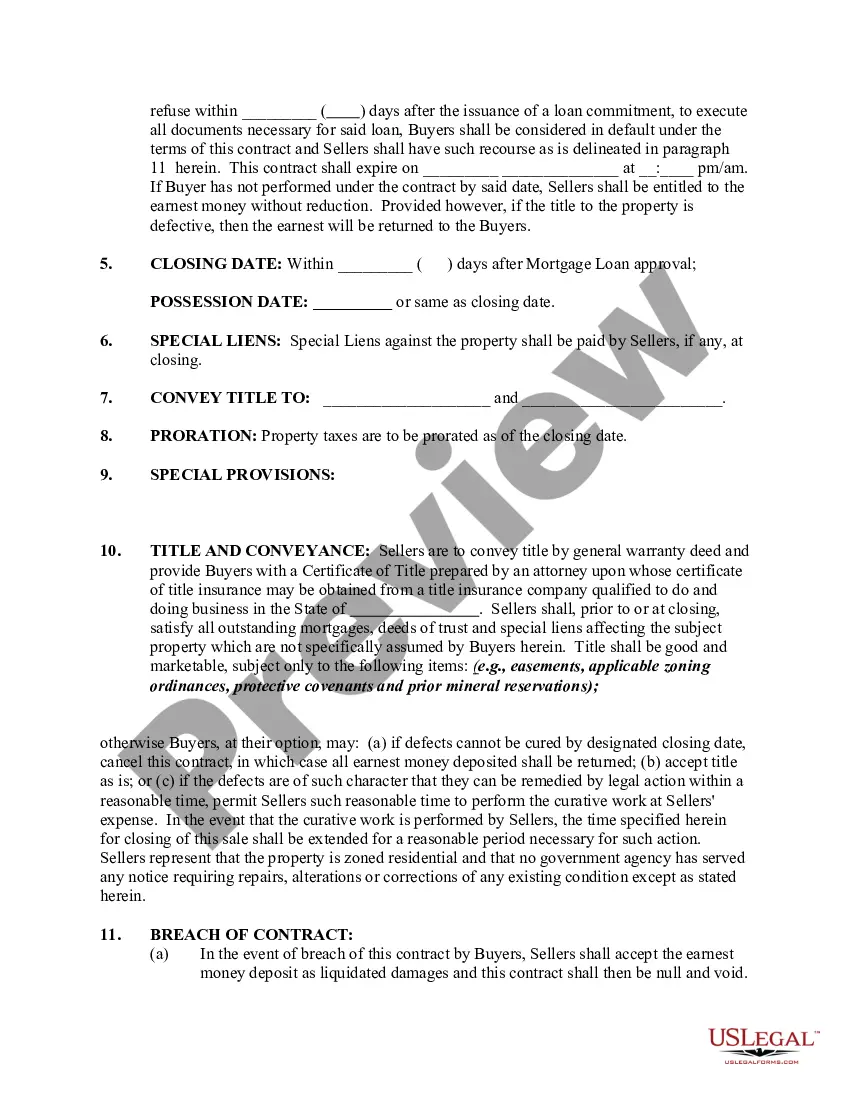
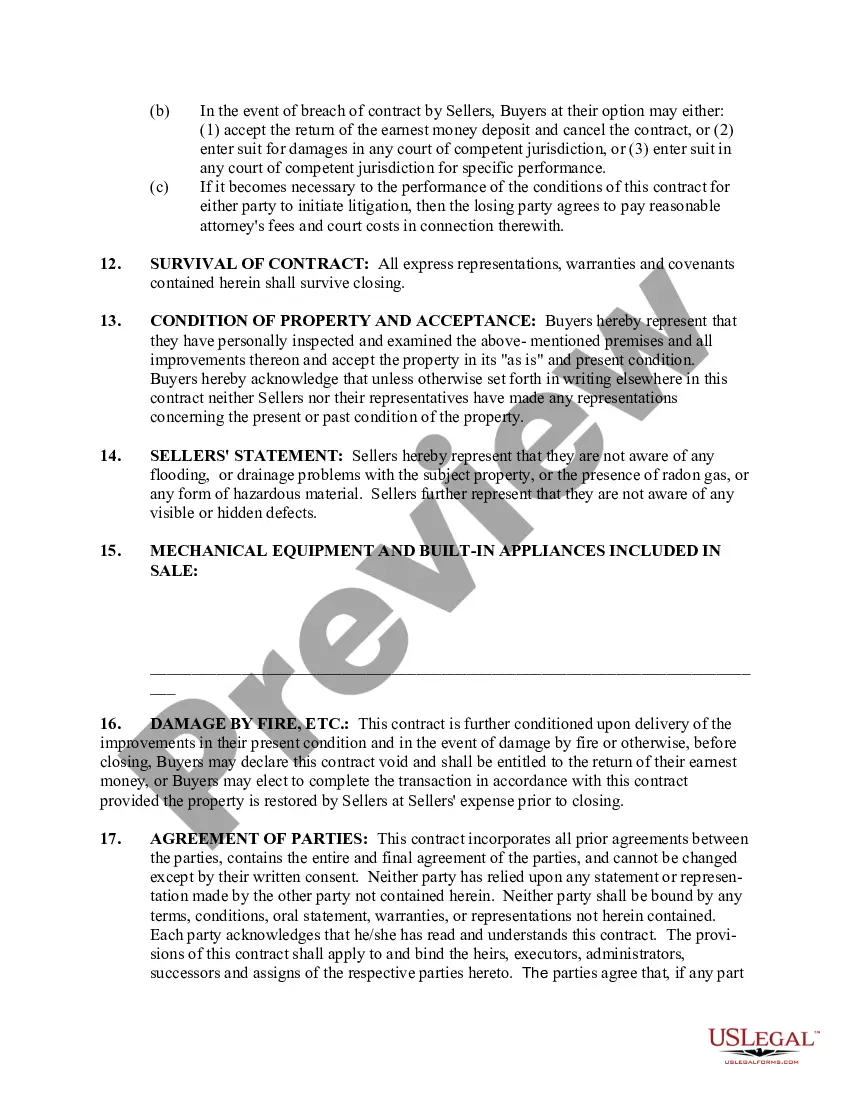
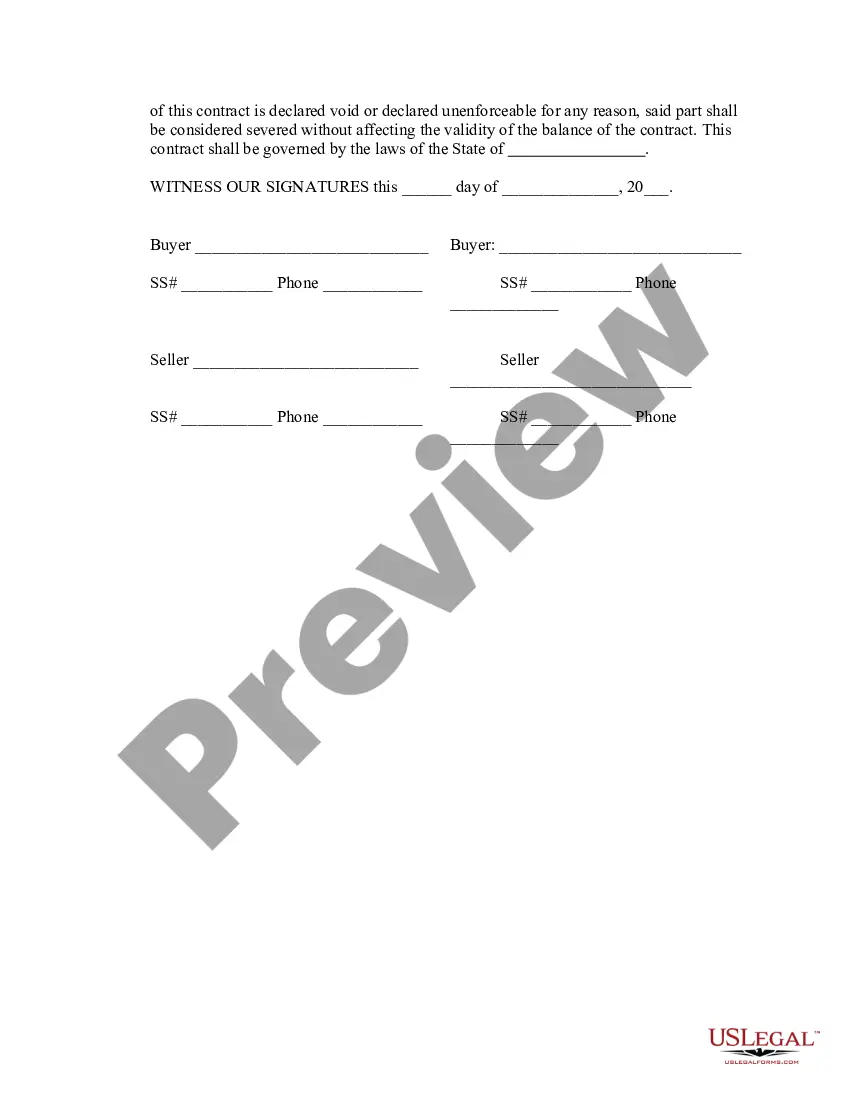
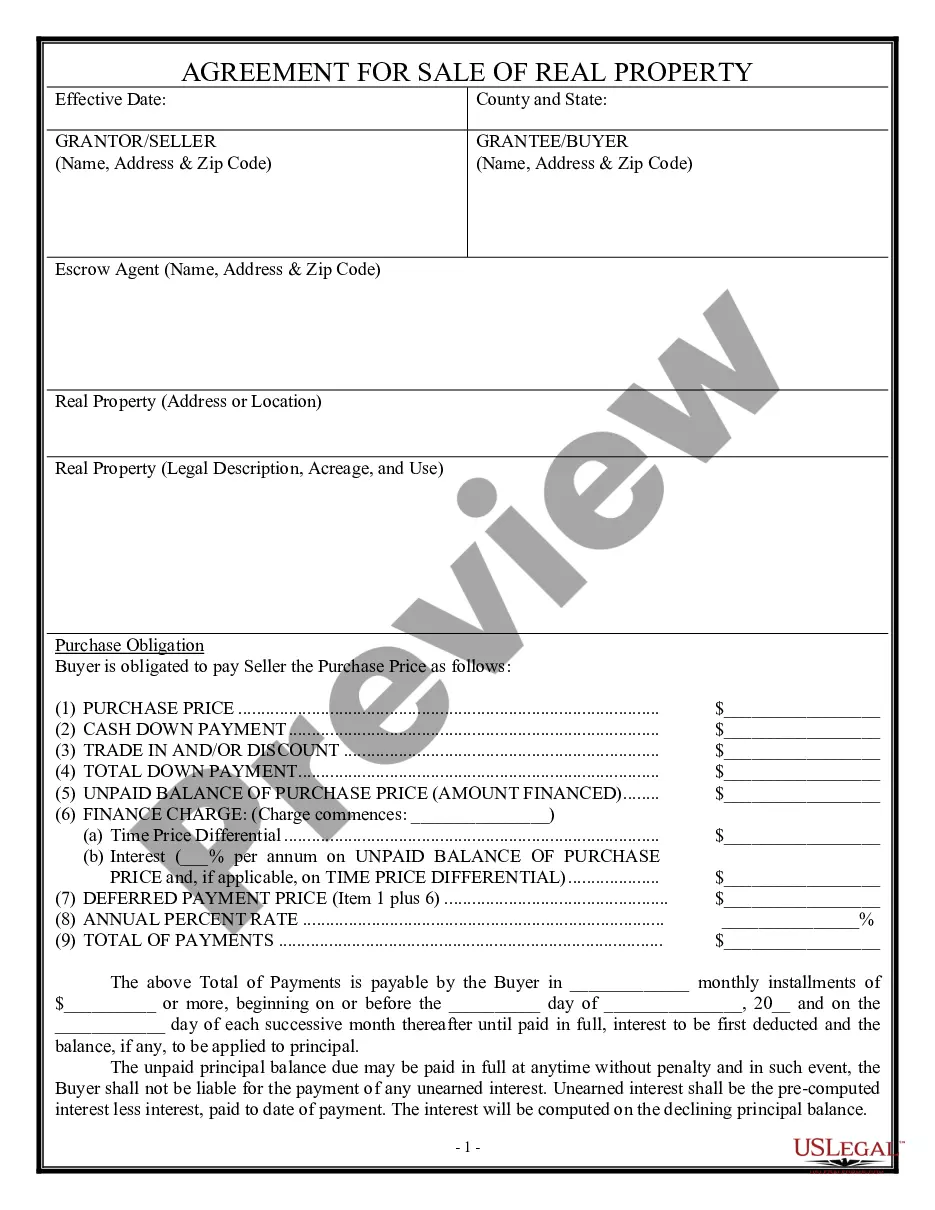
Description

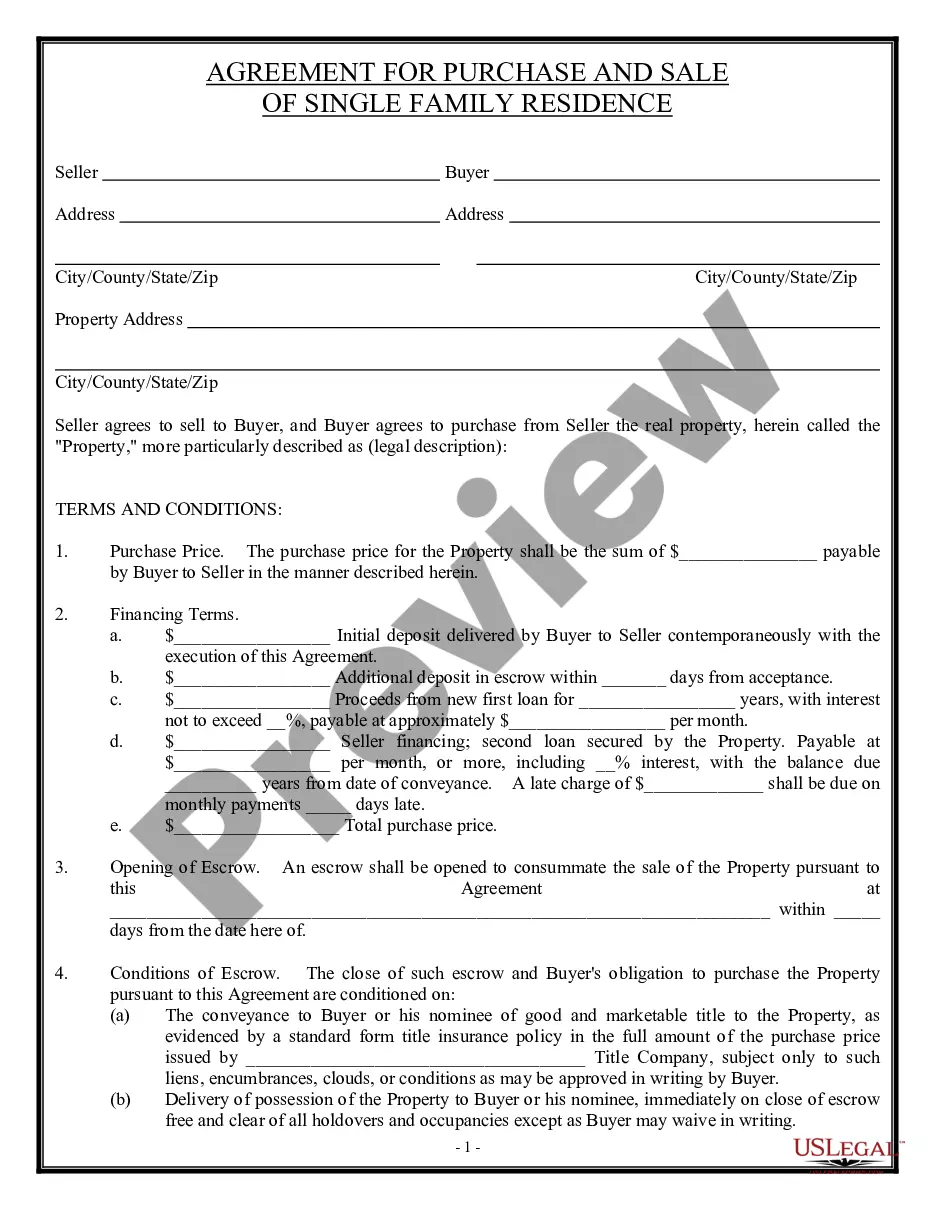
Get your form ready online
Our built-in tools help you complete, sign, share, and store your documents in one place.
Make edits, fill in missing information, and update formatting in US Legal Forms—just like you would in MS Word.
Download a copy, print it, send it by email, or mail it via USPS—whatever works best for your next step.
Sign and collect signatures with our SignNow integration. Send to multiple recipients, set reminders, and more. Go Premium to unlock E-Sign.
If this form requires notarization, complete it online through a secure video call—no need to meet a notary in person or wait for an appointment.
We protect your documents and personal data by following strict security and privacy standards.

Make edits, fill in missing information, and update formatting in US Legal Forms—just like you would in MS Word.

Download a copy, print it, send it by email, or mail it via USPS—whatever works best for your next step.

Sign and collect signatures with our SignNow integration. Send to multiple recipients, set reminders, and more. Go Premium to unlock E-Sign.

If this form requires notarization, complete it online through a secure video call—no need to meet a notary in person or wait for an appointment.

We protect your documents and personal data by following strict security and privacy standards.
Looking for another form?





Form popularity
FAQ
A seller who cannot appear may complete a BMV Power of Attorney form, authorizing another party to sign on their behalf before the notary. If presented with a title that has already been signed by the seller, and the seller is not present, you cannot proceed.
Sellers do not usually need to be present at an Ohio closing. Normally, the buyers will sign the final documents at the office of their title company or escrow agent (though much of the signing can also be done virtually) and pick up the keys.
The most common way to transfer ownership is through a general warranty deed. To complete the process, you'll need to identify both the current and the new owner, along with a legal property description.
There are two types of closings that dominate the field: the escrow closing and the roundtable closing.
The most common way to transfer ownership is through a general warranty deed. To complete the process, you'll need to identify both the current and the new owner, along with a legal property description.
States that require attorney involvement or where attorney involvement is customary: Connecticut, Delaware, Georgia, Massachusetts, South Carolina, Vermont and West Virginia. In Illinois, North New Jersey, New York, North Carolina and Ohio, attorney involvement in a real estate closing may be customary.
