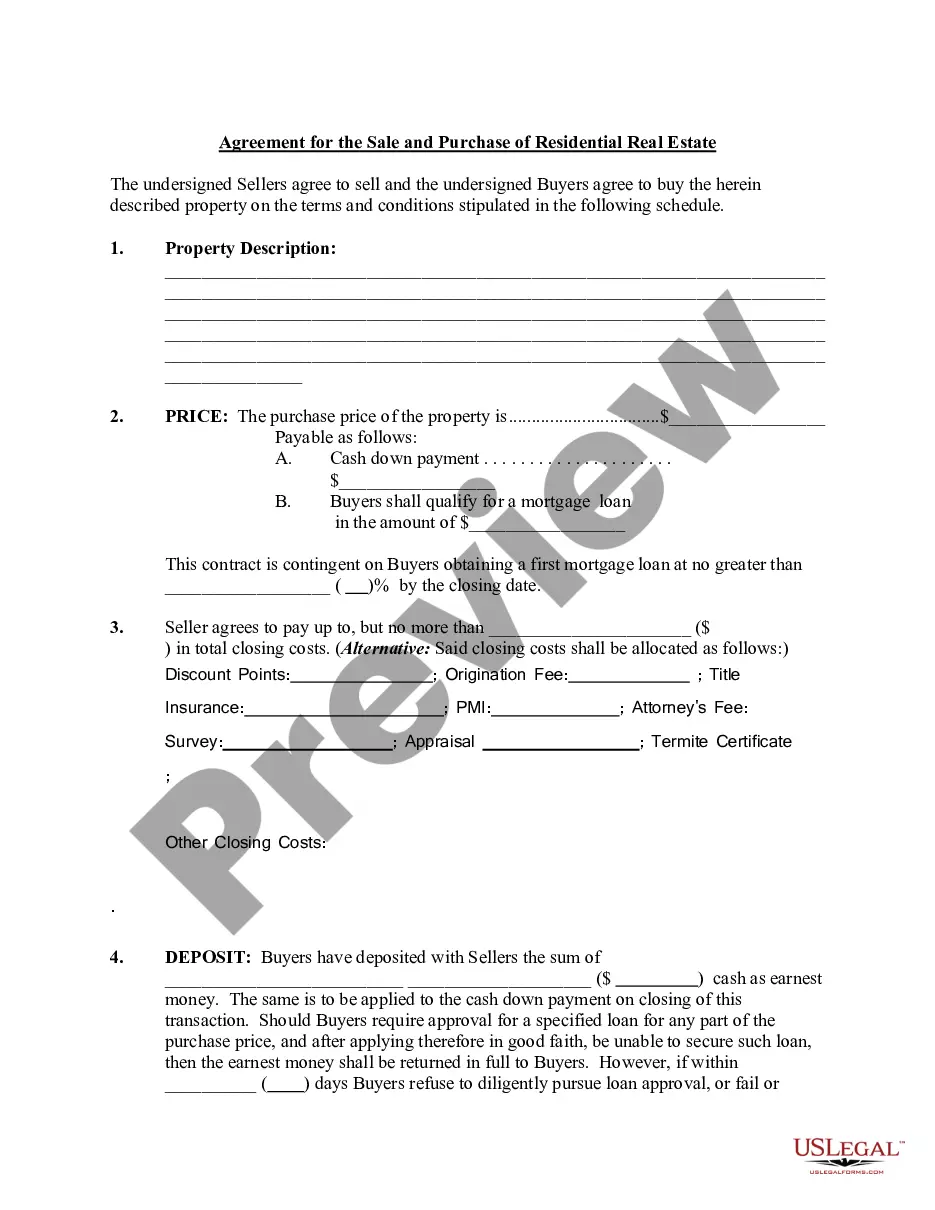
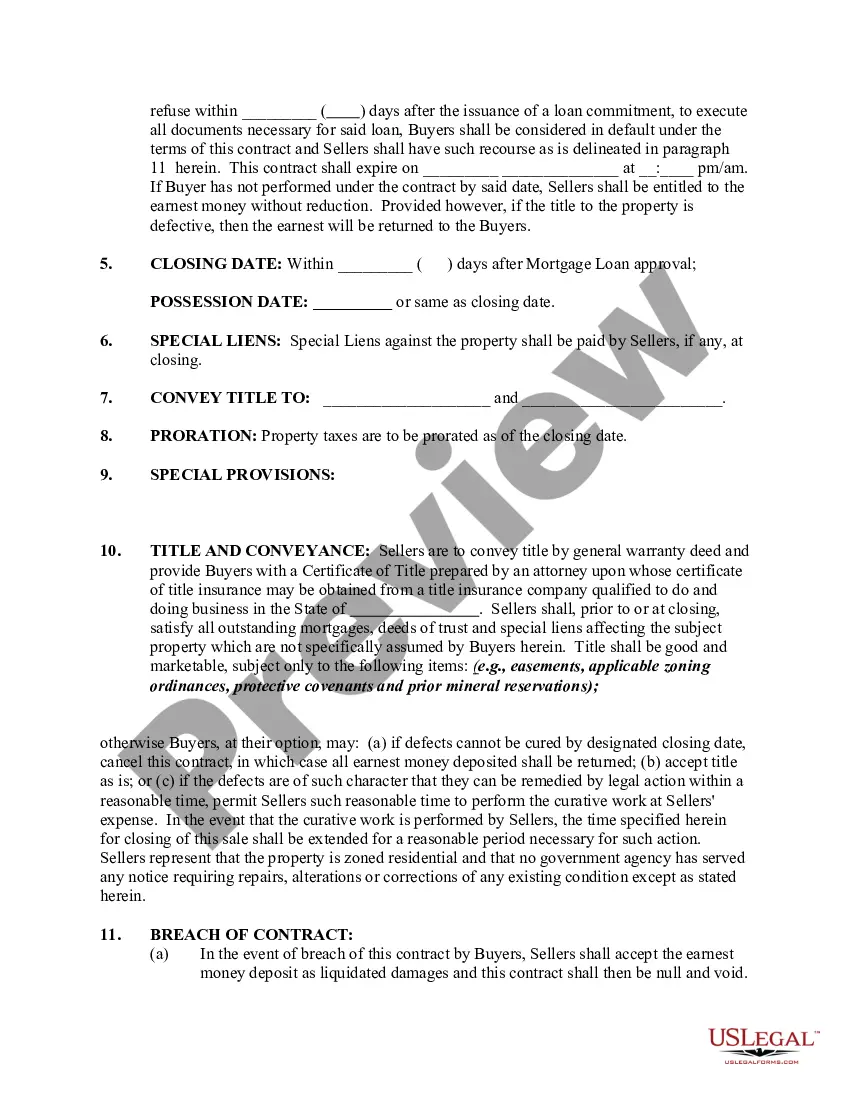
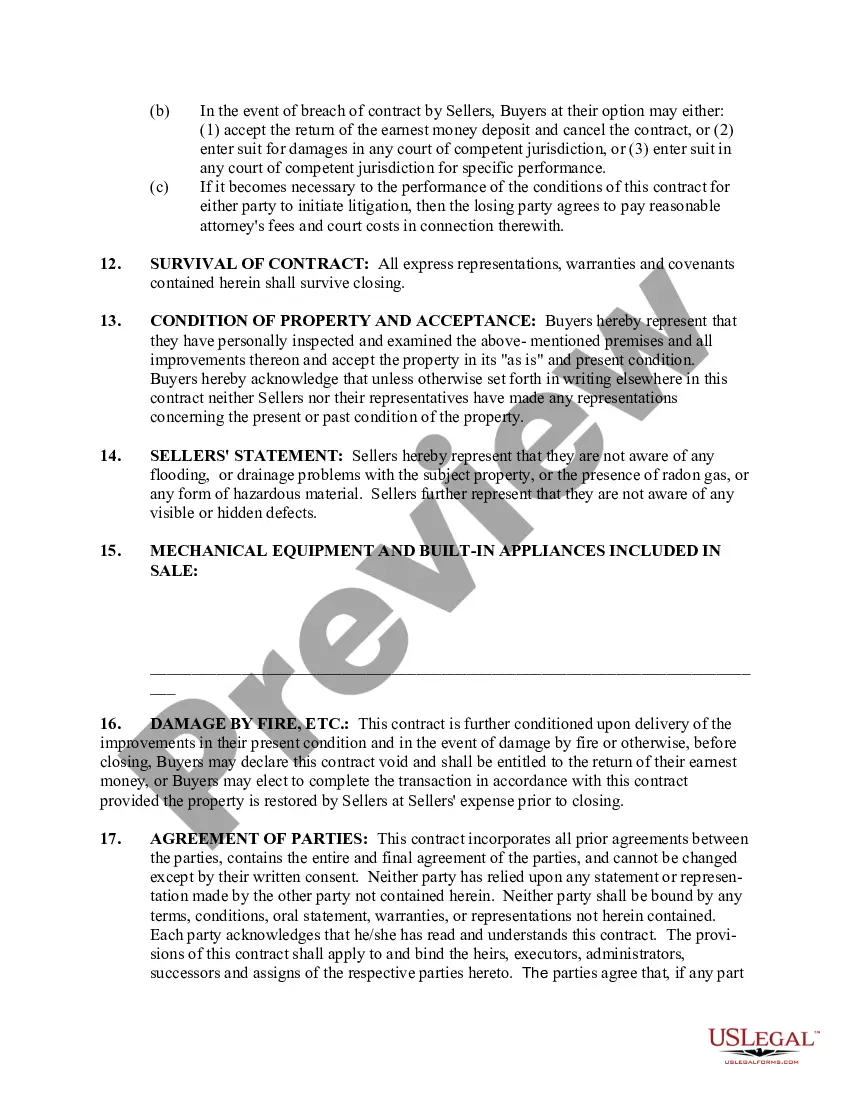
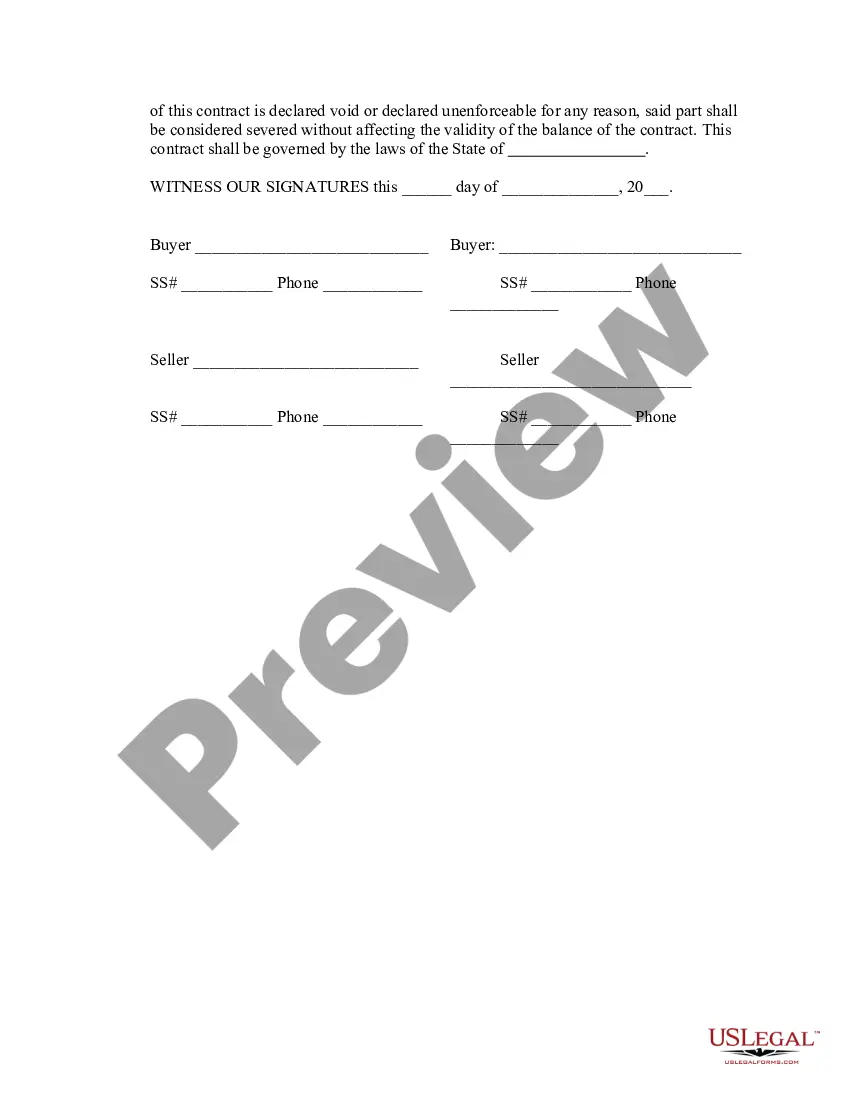
House For Sale By Owner Forms Without In North Carolina
Description
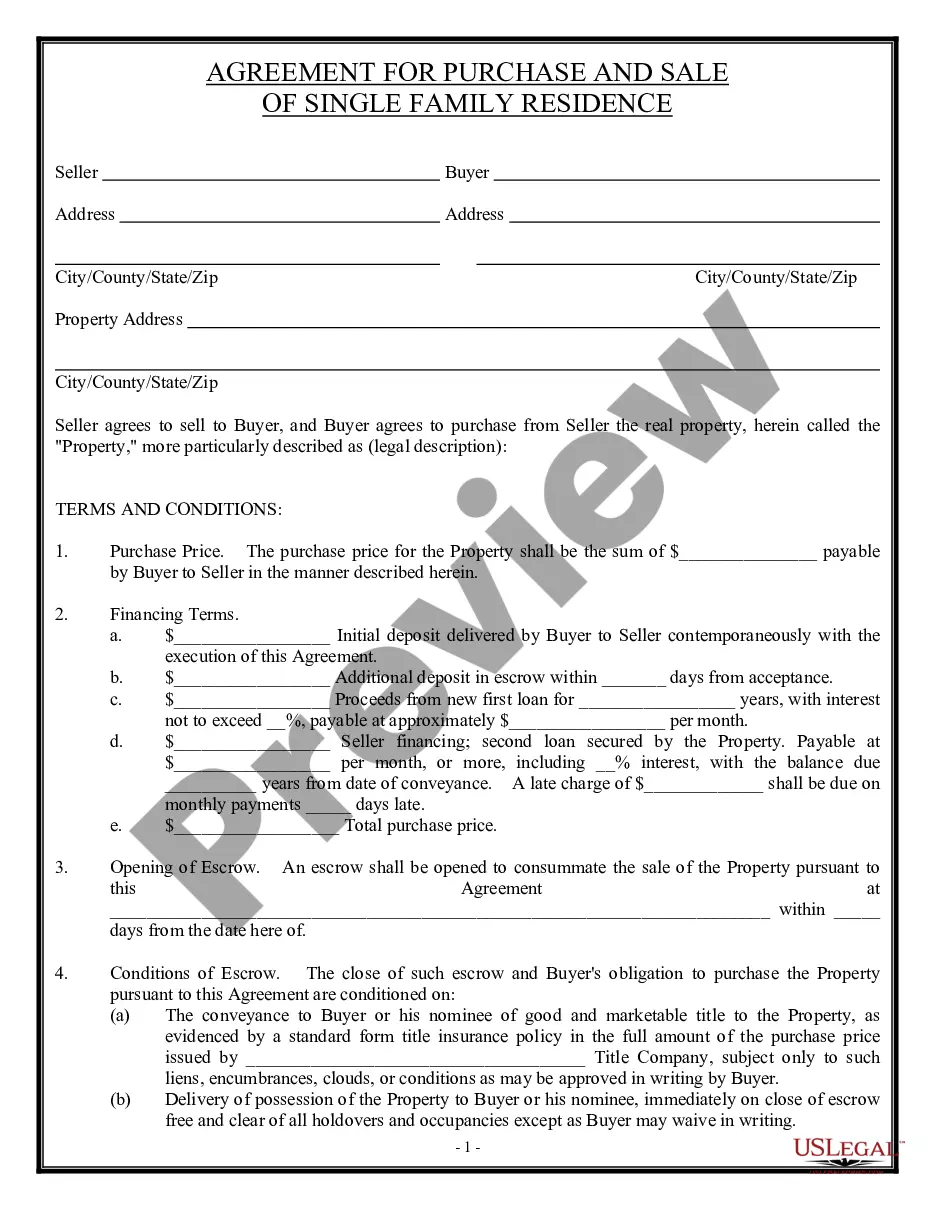
Get your form ready online
Our built-in tools help you complete, sign, share, and store your documents in one place.
Make edits, fill in missing information, and update formatting in US Legal Forms—just like you would in MS Word.
Download a copy, print it, send it by email, or mail it via USPS—whatever works best for your next step.
Sign and collect signatures with our SignNow integration. Send to multiple recipients, set reminders, and more. Go Premium to unlock E-Sign.
If this form requires notarization, complete it online through a secure video call—no need to meet a notary in person or wait for an appointment.
We protect your documents and personal data by following strict security and privacy standards.

Make edits, fill in missing information, and update formatting in US Legal Forms—just like you would in MS Word.

Download a copy, print it, send it by email, or mail it via USPS—whatever works best for your next step.

Sign and collect signatures with our SignNow integration. Send to multiple recipients, set reminders, and more. Go Premium to unlock E-Sign.

If this form requires notarization, complete it online through a secure video call—no need to meet a notary in person or wait for an appointment.

We protect your documents and personal data by following strict security and privacy standards.
Looking for another form?

Form popularity
FAQ
Valid legal reason necessary A seller will need a valid legal reason, such as a material breach of contract by the buyer, which might include failing to meet financial contingencies or other significant violations of the contract terms. But, this could still lead to legal repercussions.
North Carolina is one of a few states that requires a licensed real estate attorney to process real estate transactions, including closings. As mentioned, their physical presence at the actual closing isn't mandatory.
When you sell property, everyone on the deed must sign the deed to transfer title. In the case of properties that you owned before you married, North Carolina law still requires your current spouse to sign the deed to relinquish any martial interest they may have acquired by becoming your spouse.
Here are the basic steps to take if you decide to buy a home without using a Realtor: Set your budget. Get preapproved. Find the right home. Review the seller's disclosure. Make an offer. Get an appraisal and inspection. Negotiate. Close on your new home.
A: Generally, the buyer pays the attorney fees at closing in North Carolina. In many cases, the closing attorney may represent both the buyer and the seller during the transaction.
Yes. North Carolina is one of many states that requires a real estate attorney to manage a real estate closing. Their main role is to make sure all the documentation is in order before the deal is finalized, but it's smart to hire one earlier in the process.
Unlike some states that allow title companies to facilitate home sales, residential property sales in North Carolina must be processed by a residential real estate attorney. In addition to the buyer, seller, and their attorneys, real estate agents and either an escrow or settlement agent may be involved in the closing.