Closing Any Property For Sale In New York
Description
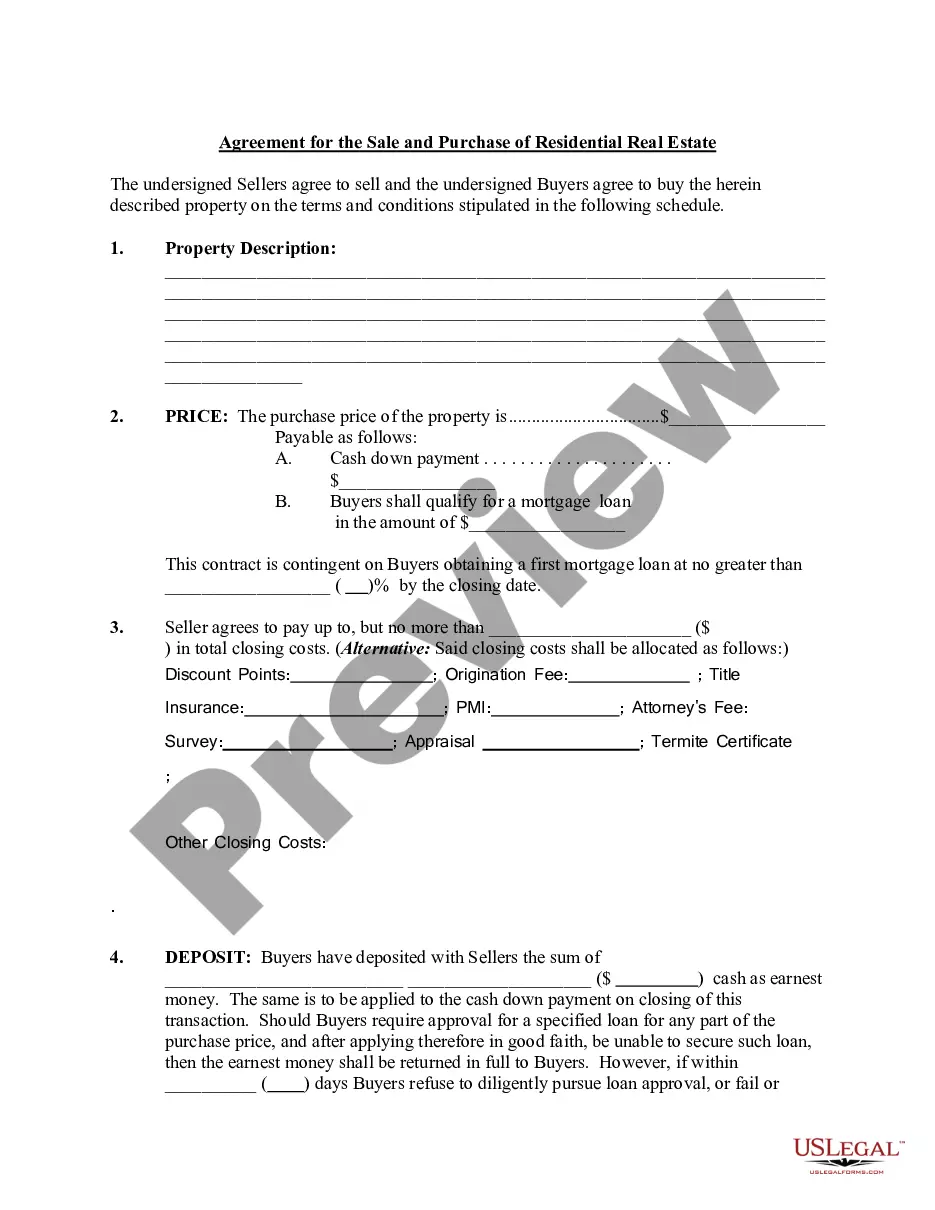
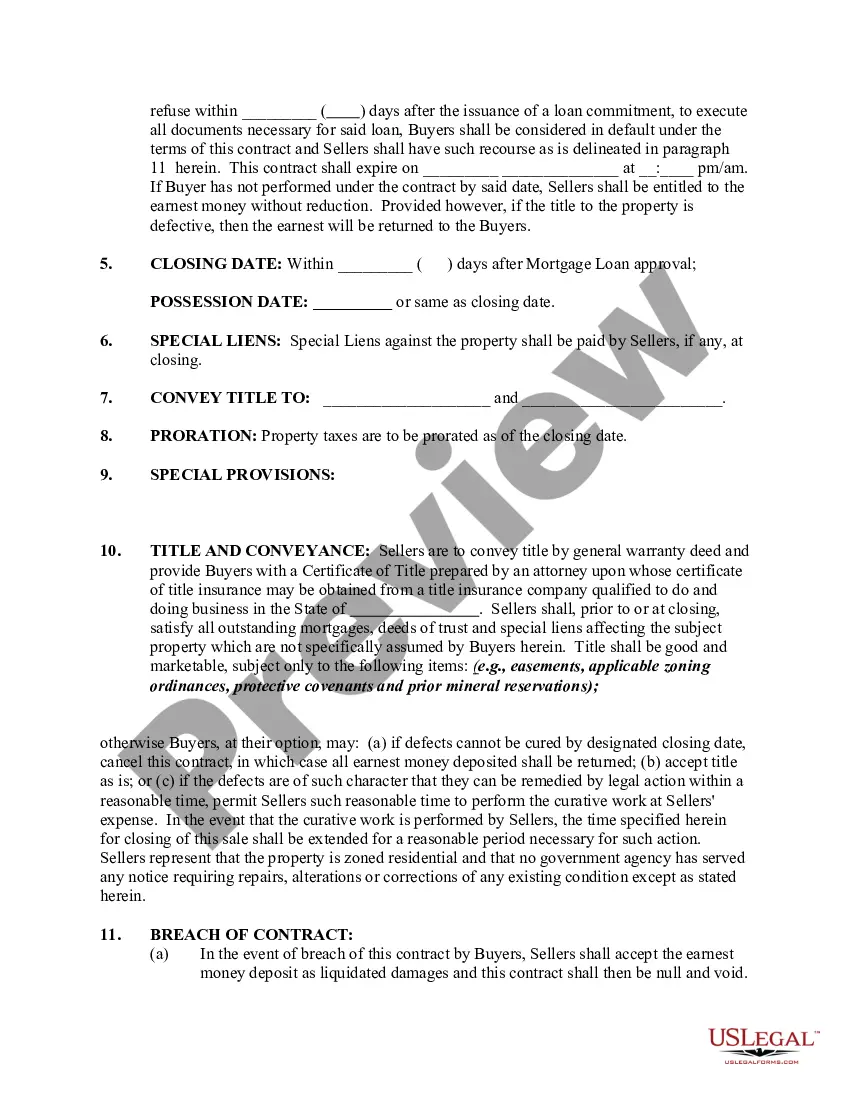
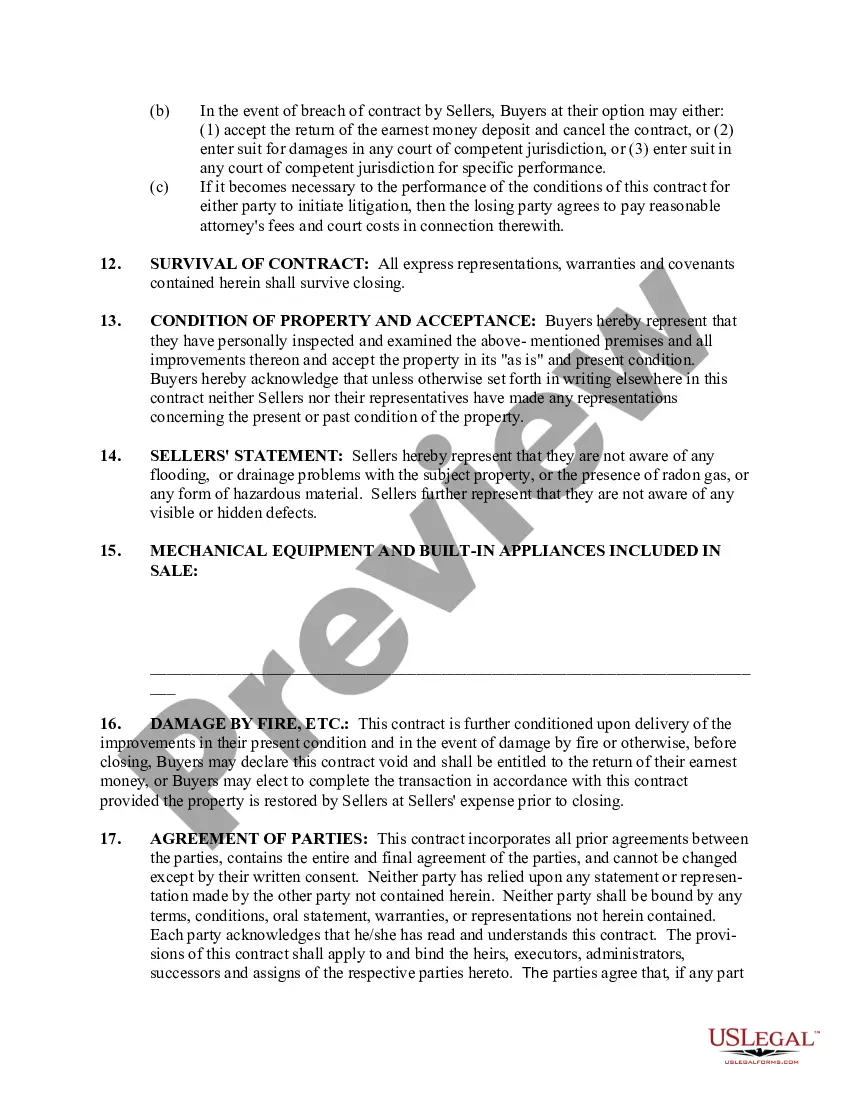
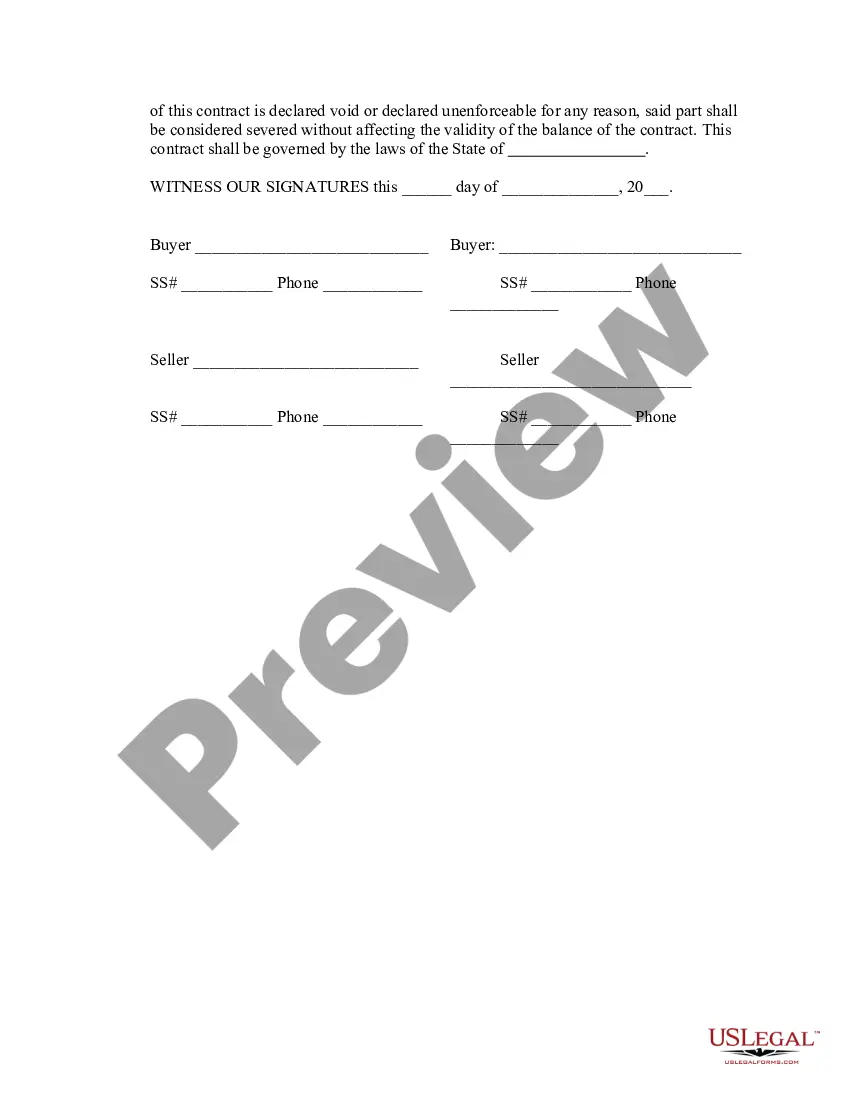
Get your form ready online
Our built-in tools help you complete, sign, share, and store your documents in one place.
Make edits, fill in missing information, and update formatting in US Legal Forms—just like you would in MS Word.
Download a copy, print it, send it by email, or mail it via USPS—whatever works best for your next step.
Sign and collect signatures with our SignNow integration. Send to multiple recipients, set reminders, and more. Go Premium to unlock E-Sign.
If this form requires notarization, complete it online through a secure video call—no need to meet a notary in person or wait for an appointment.
We protect your documents and personal data by following strict security and privacy standards.

Make edits, fill in missing information, and update formatting in US Legal Forms—just like you would in MS Word.

Download a copy, print it, send it by email, or mail it via USPS—whatever works best for your next step.

Sign and collect signatures with our SignNow integration. Send to multiple recipients, set reminders, and more. Go Premium to unlock E-Sign.

If this form requires notarization, complete it online through a secure video call—no need to meet a notary in person or wait for an appointment.

We protect your documents and personal data by following strict security and privacy standards.
Looking for another form?

Form popularity
FAQ
On closing day the seller will need to bring: Keys, codes, and remotes to the home. 2 forms of identification including a driver's license or passport. Certified funds (cashier's check) or wiring instructions for closing costs and repair credits. A personal checkbook for incidentals.
How to buy a house for sale by owner: 7 steps to follow Get preapproved by a mortgage lender. Consider a buyer's agent. Find a home. Make an offer. Apply for a mortgage. Get a home inspection. Close on the home.
How to Close on a House For Sale By Owner Accepting an Offer to Closing To-Do List. Hire an Attorney (If You Need One) ... Order Title and Arrange for Escrow. Prepare for the Appraisal and Inspection. Negotiate Repairs. Get Your Paperwork in Order. Close with Confidence. Tie up Loose Ends.
Closing agents, who aid in the selling of a property to a buyer, prepare closing statements. Real estate attorneys, title firms, and escrow officers often act as closing agents.
The closing process involves four specific steps: Step 1: Close revenue accounts to Income Summary. Income Summary is a temporary account used during the closing process. Step 2: Close expense accounts to Income Summary. Step 3: Close Income Summary to Retained Earnings. Step 4: Close dividends to Retained Earnings.
A real estate transaction closing in which the transaction parties, their counsel, a representative of the title insurance company, and any other necessary parties convene in person to execute and exchange the closing documents and transfer closing funds.
What Are the Steps to Financial Close? Identify transactions and record them in a journal. Post to the general ledger. Prepare an unadjusted trial balance. Reconcile debits and credits. Create adjusting journal entries. Run an adjusted trial balance and financial statements. Close the books and generate financial reports.
As for the seller goes, they actually are not required to be present at the closing. They can sign what's called a 'power of attorney', and their attorney can actually sign documents on their behalf in their absence.
The closing process typically begins with reviewing and reconciling accounts to identify discrepancies and errors. Adjusting entries are then recorded to account for accruals, deferrals, depreciation, and other adjustments necessary to reflect the correct financial position.