Closure Any Property With Example In Michigan
Description

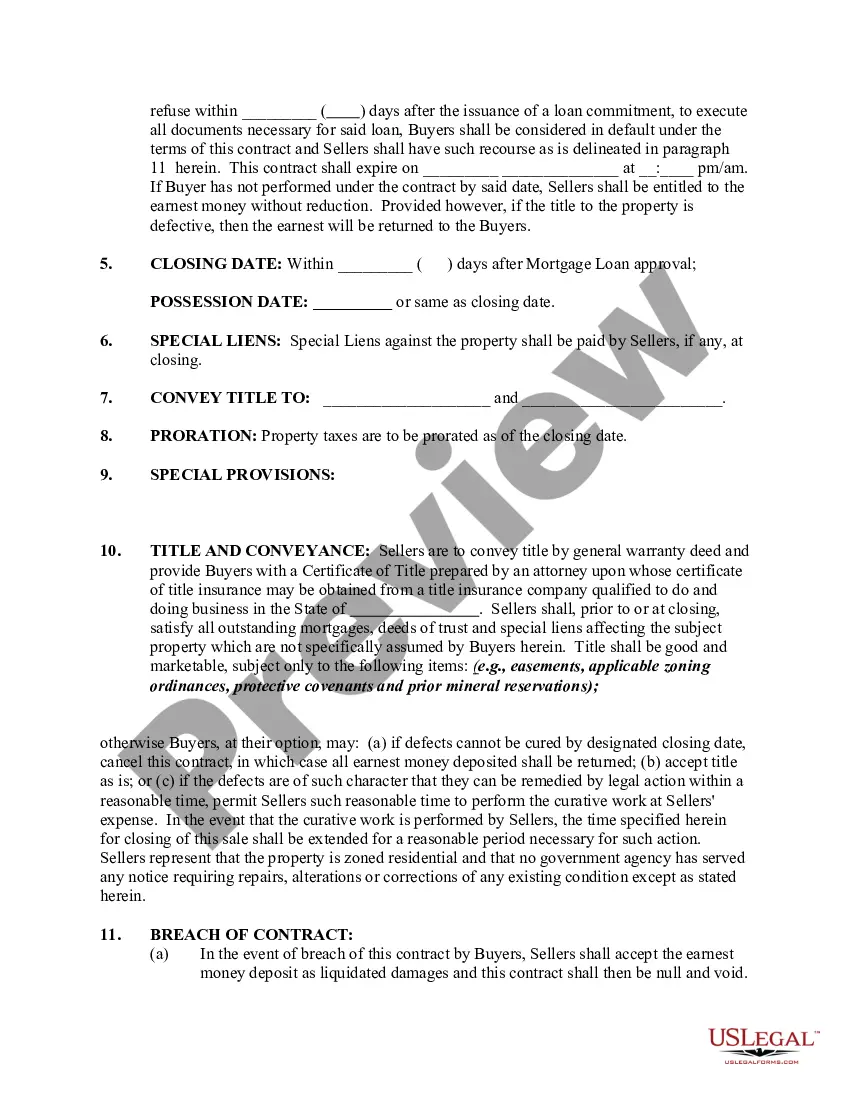
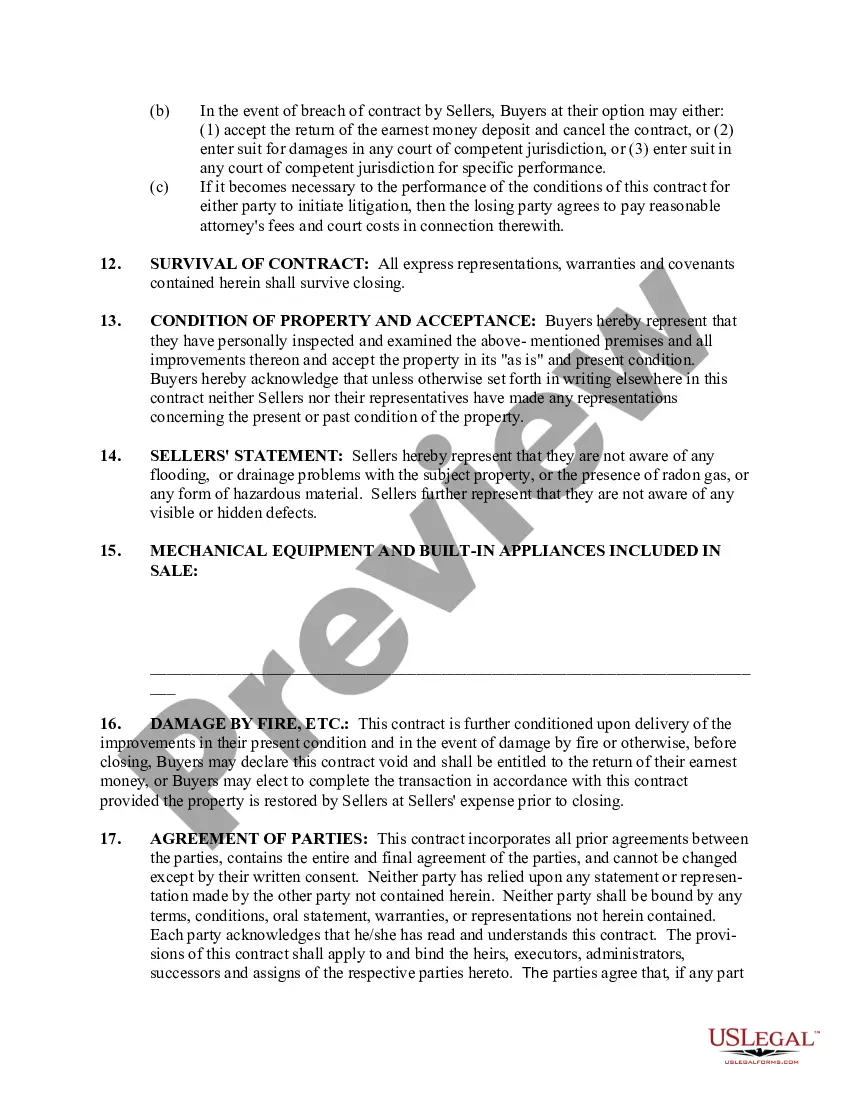
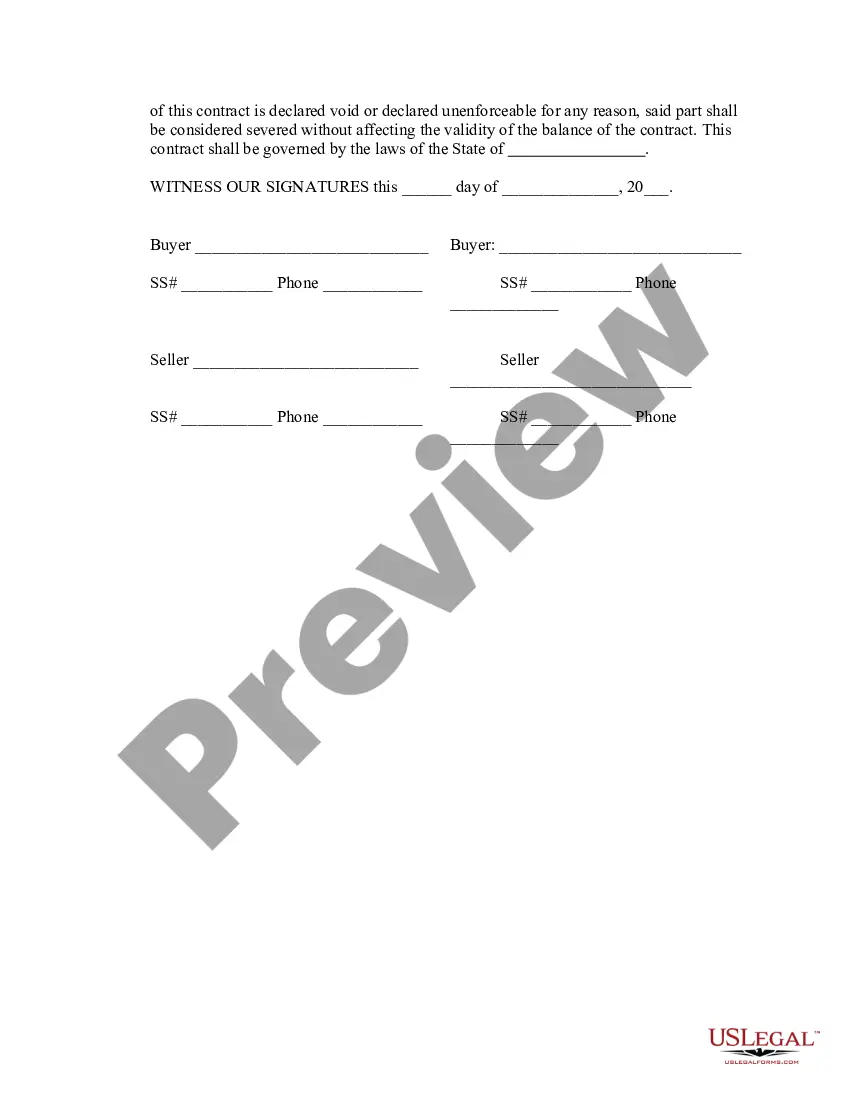
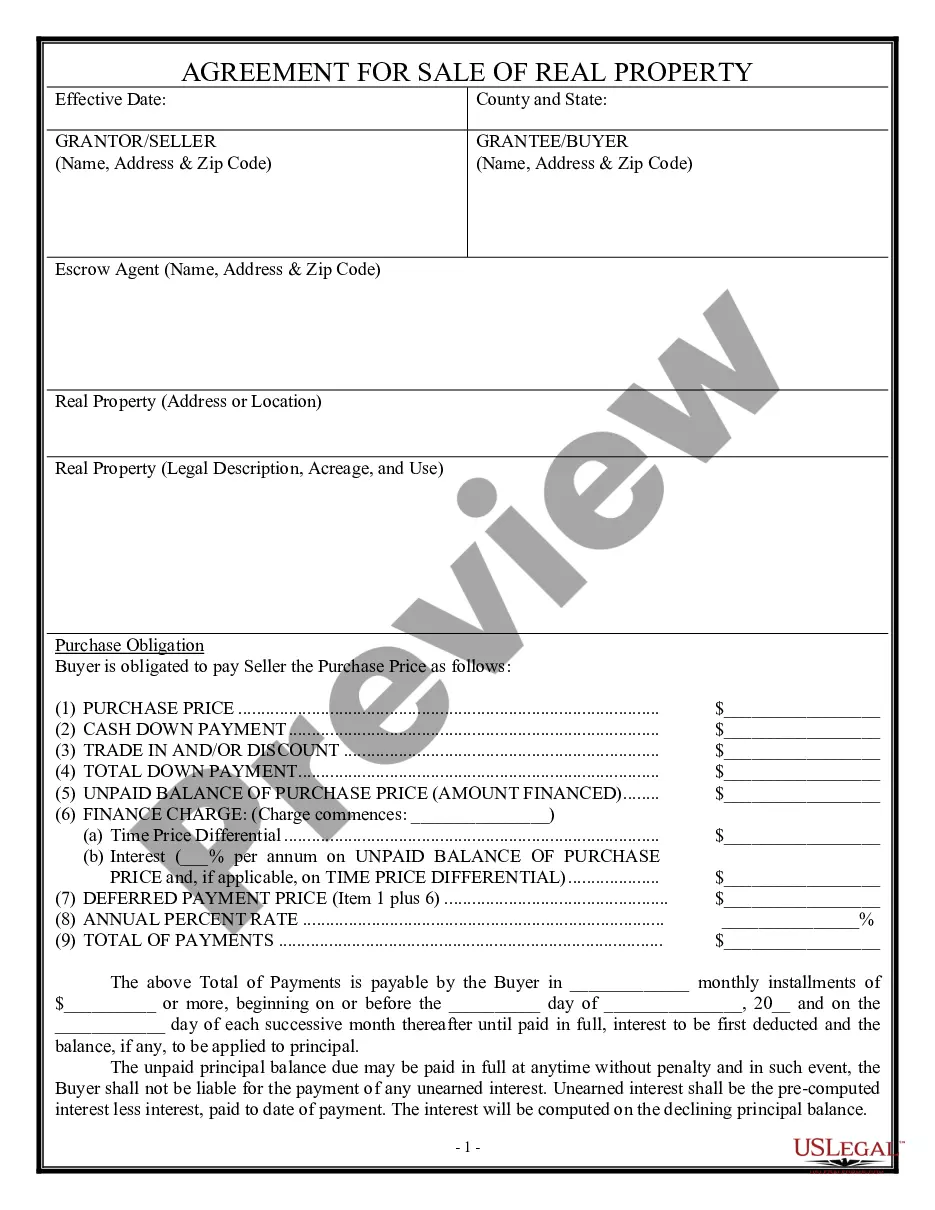
Get your form ready online
Our built-in tools help you complete, sign, share, and store your documents in one place.
Make edits, fill in missing information, and update formatting in US Legal Forms—just like you would in MS Word.
Download a copy, print it, send it by email, or mail it via USPS—whatever works best for your next step.
Sign and collect signatures with our SignNow integration. Send to multiple recipients, set reminders, and more. Go Premium to unlock E-Sign.
If this form requires notarization, complete it online through a secure video call—no need to meet a notary in person or wait for an appointment.
We protect your documents and personal data by following strict security and privacy standards.

Make edits, fill in missing information, and update formatting in US Legal Forms—just like you would in MS Word.

Download a copy, print it, send it by email, or mail it via USPS—whatever works best for your next step.

Sign and collect signatures with our SignNow integration. Send to multiple recipients, set reminders, and more. Go Premium to unlock E-Sign.

If this form requires notarization, complete it online through a secure video call—no need to meet a notary in person or wait for an appointment.

We protect your documents and personal data by following strict security and privacy standards.
Looking for another form?






Form popularity
FAQ
What is a title state in real estate closings? StateAttorney State or Title State? Michigan Title state Minnesota Title state Mississippi Attorney state Missouri Title state47 more rows •
When an estate is under unsupervised administration, it can be closed with a Petition for Complete Estate Settlement . Or you can use the Sworn Statement to Close Unsupervised Administration to close the estate. But you will also need to file a Certificate of Completion .
In Michigan, a buyer and seller are not required to hire a real estate attorney. However, many people hire real estate attorneys to answer questions and ensure that the transaction goes smoothly.
If you have gotten behind on your property taxes and/or are facing a forfeiture auction or sale, you can immediately and legally stop the sale by filing a Chapter 13 reorganization plan. This is a legal means of creating structured repayment terms with your creditors.
In Michigan, a buyer and seller are not required to hire a real estate attorney.
When is Property considered abandoned/unclaimed? There is no activity within the specified dormancy period (3 years for most property types).
Estate OVER $24,000: If a Wayne County resident has died leaving property in their name only and the property is over $24,000, the closest relative or person named in the will may file a petition to have the estate probated.
(g) That, if the estate is not settled within 1 year after the personal representative's appointment, within 28 days after the anniversary of the appointment, the personal representative must file with the court and send to each interested person a notice that the estate remains under administration and must specify ...
Motor Vehicles. If a decedent dies with no probate assets (i.e., owns nothing in their name alone) except for one or more motor vehicles whose total value is not more than $60,000, title to the vehicles can be transferred by the Secretary of State without opening an estate in the Probate Court.
In Michigan, you can make a living trust to avoid probate for virtually any asset you own—real estate, bank accounts, vehicles, and so on. You need to create a trust document (similar to a will), naming someone to take over as trustee after your death (called a "successor trustee").
