Closing Any Property Without Permission In Mecklenburg
Description

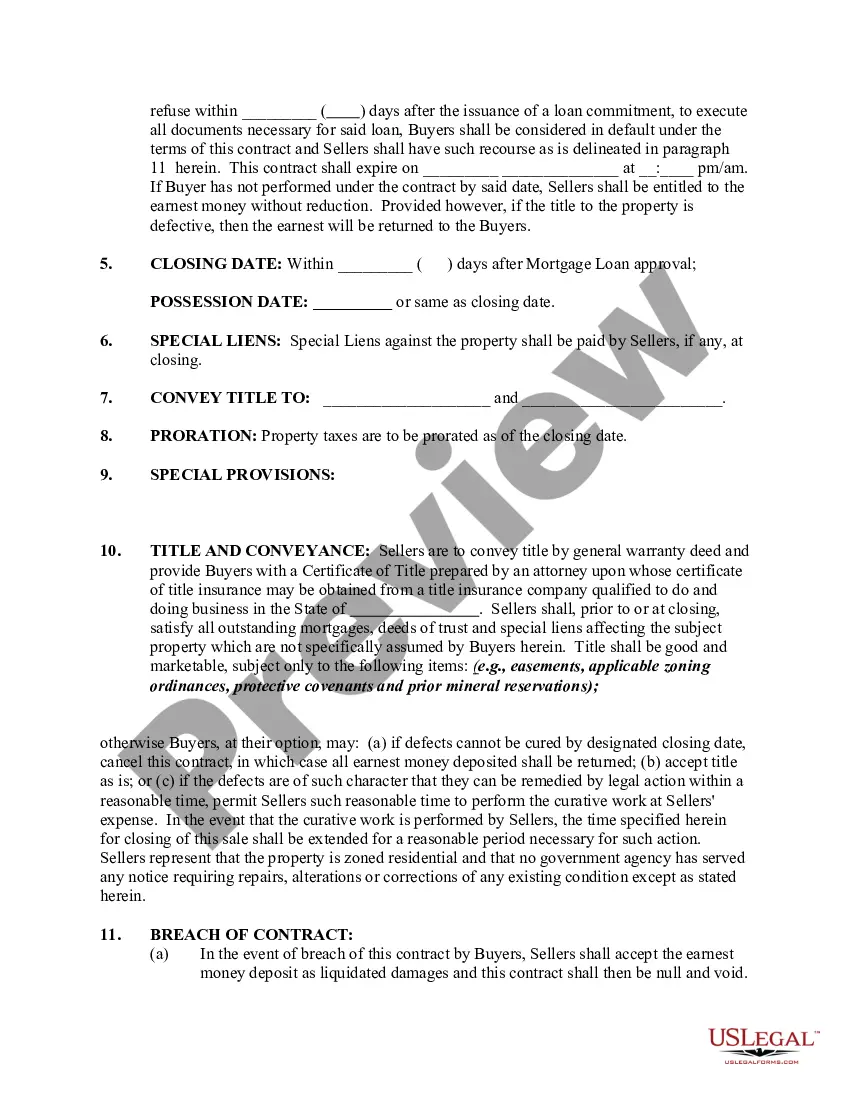
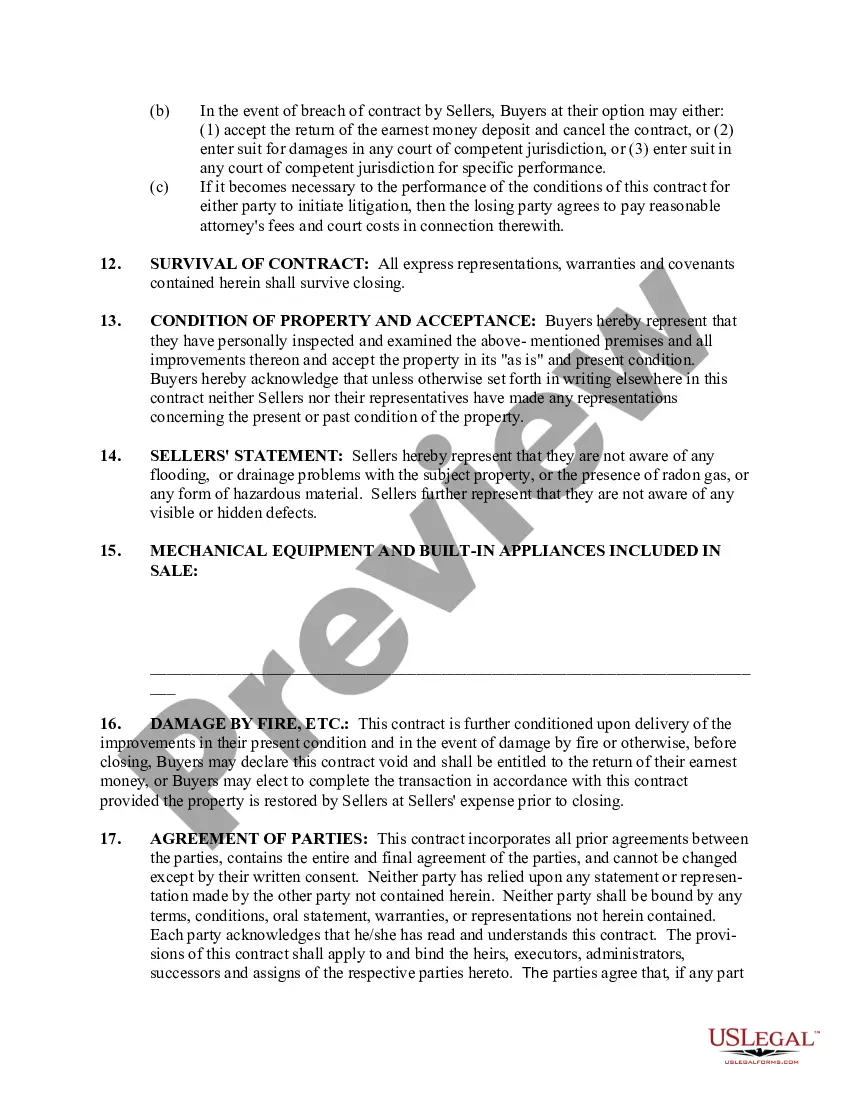
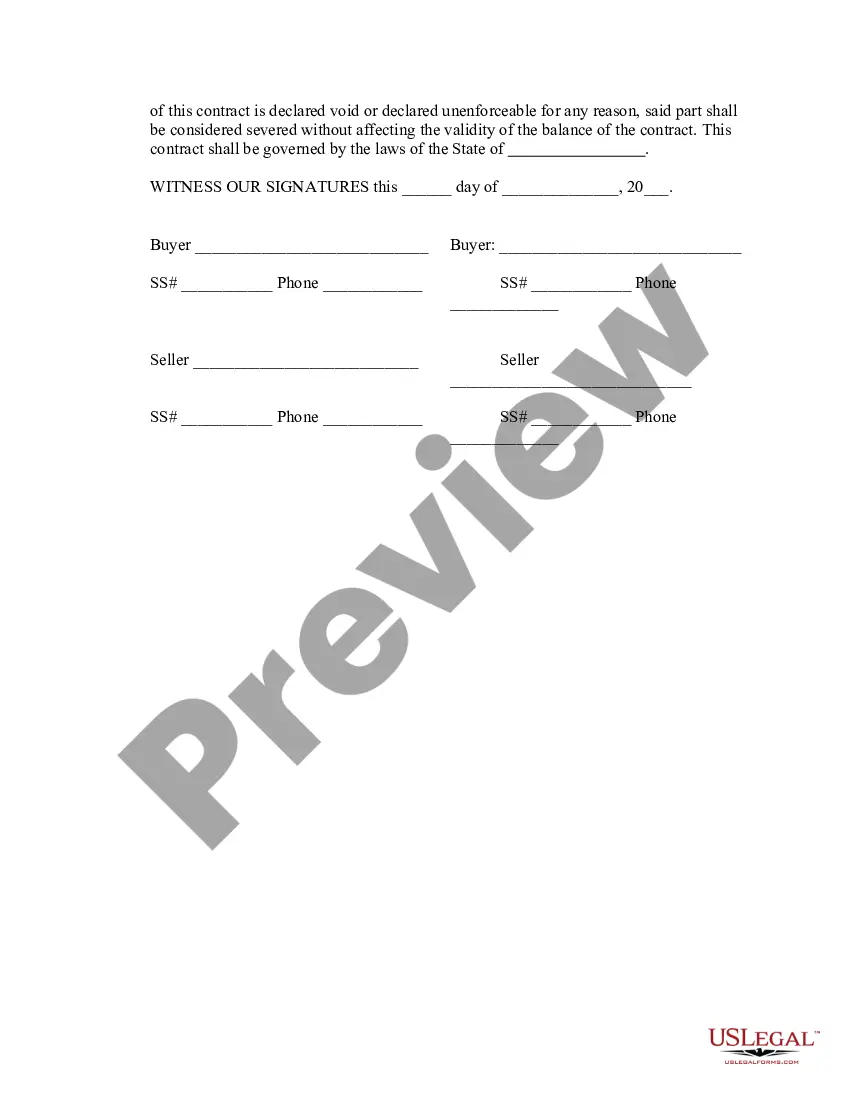
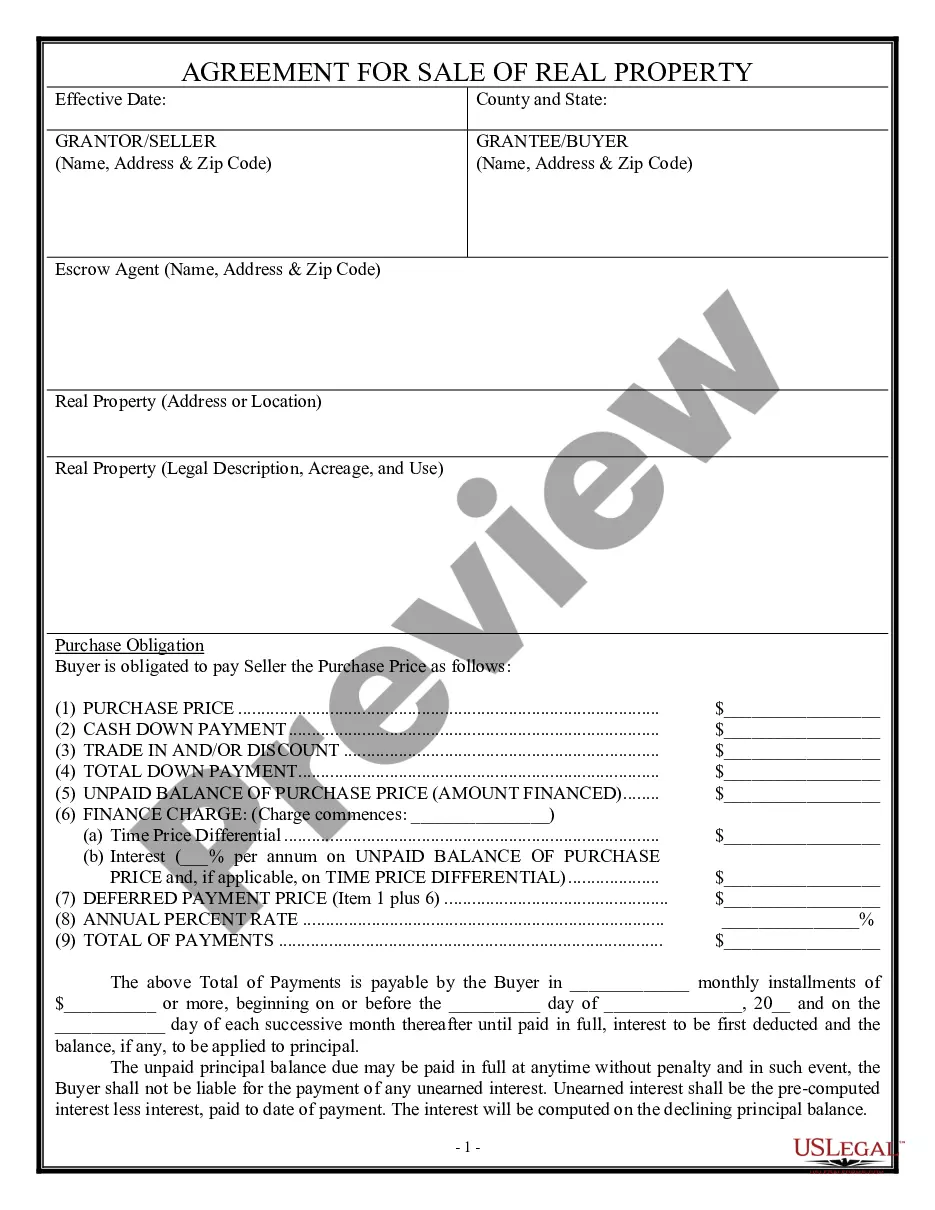
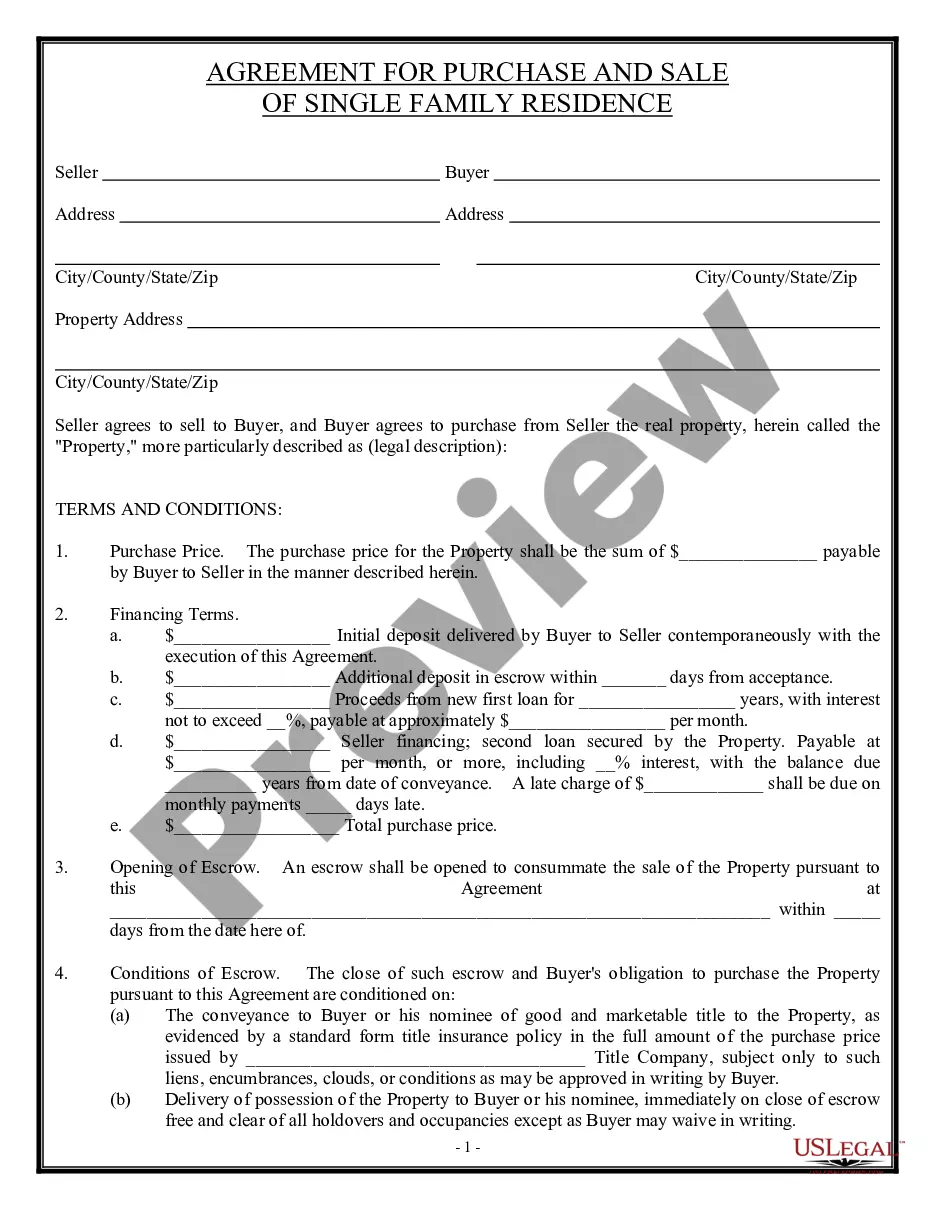
Get your form ready online
Our built-in tools help you complete, sign, share, and store your documents in one place.
Make edits, fill in missing information, and update formatting in US Legal Forms—just like you would in MS Word.
Download a copy, print it, send it by email, or mail it via USPS—whatever works best for your next step.
Sign and collect signatures with our SignNow integration. Send to multiple recipients, set reminders, and more. Go Premium to unlock E-Sign.
If this form requires notarization, complete it online through a secure video call—no need to meet a notary in person or wait for an appointment.
We protect your documents and personal data by following strict security and privacy standards.

Make edits, fill in missing information, and update formatting in US Legal Forms—just like you would in MS Word.

Download a copy, print it, send it by email, or mail it via USPS—whatever works best for your next step.

Sign and collect signatures with our SignNow integration. Send to multiple recipients, set reminders, and more. Go Premium to unlock E-Sign.

If this form requires notarization, complete it online through a secure video call—no need to meet a notary in person or wait for an appointment.

We protect your documents and personal data by following strict security and privacy standards.
Looking for another form?






Form popularity
FAQ
Landlords cannot force tenants out of their homes without going to court, for instance, by changing the locks, turning off utilities or removing the doors. Landlords may send tenants “eviction notices” warning tenants that they plan to file for eviction unless the tenant moves out first.
If there is no written lease, or if the lease does not contain a notice provision, then North Carolina law allows you to terminate a year-to-year tenancy by giving notice to the landlord at least one month before the end of the year; a month-to-month tenancy by giving notice at least seven days before the end of the ...
The Landlord and Tenant Branch is eviction court, and you do not have to be a landlord to file a case to evict someone. You do not have to use the Landlord and Tenant Branch, but it is usually the fastest way to get a judgment to remove a person from your property.
You would have to give him a 30 day written notice to vacate. If he doesn't move in the 30 days, you would have to proceed through a fomal eviction in the court. This is a guide to NC landlord tenant law. This is covered under NC General Statutes Chapter 42.
A power of sale foreclosure is a contractual right under the terms of a deed of trust which gives the trustee the power to sell the real property on behalf of the lender if the borrower defaults. The procedure for power of sale foreclosure is contained in Article 2A in Chapter 45 of the North Carolina General Statutes.
If The Decedent Is Not Married This value includes all movable assets—for example, vehicles, jewelry, and livestock. Intangible assets, such as stocks, bonds, and bank accounts, also form part of the decedent's personal property.
(b) The surviving spouse may elect to take a life estate in the usual dwelling house occupied by the surviving spouse at the time of the death of the deceased spouse if the dwelling house was owned by the deceased spouse at the time of the deceased spouse's death, together with the outbuildings, improvements and ...
What does lifetime rights to property mean in NC? The life tenant has the right to possess and use the property for their life or (more rarely) the life of another specified person.
For instance, your will may indicate one beneficiary should inherit a particular property, while the TOD deed names someone else. The TOD deed takes precedence in that case, overriding what's in your will.
If the decedent has none of these relatives, assets generally are distributed to family members in the following order of priority: 1) parents; 2) siblings and the children, grandchildren, etc., of deceased siblings; 3) grandparents; 4) aunts and uncles and, if deceased, their descendants.
