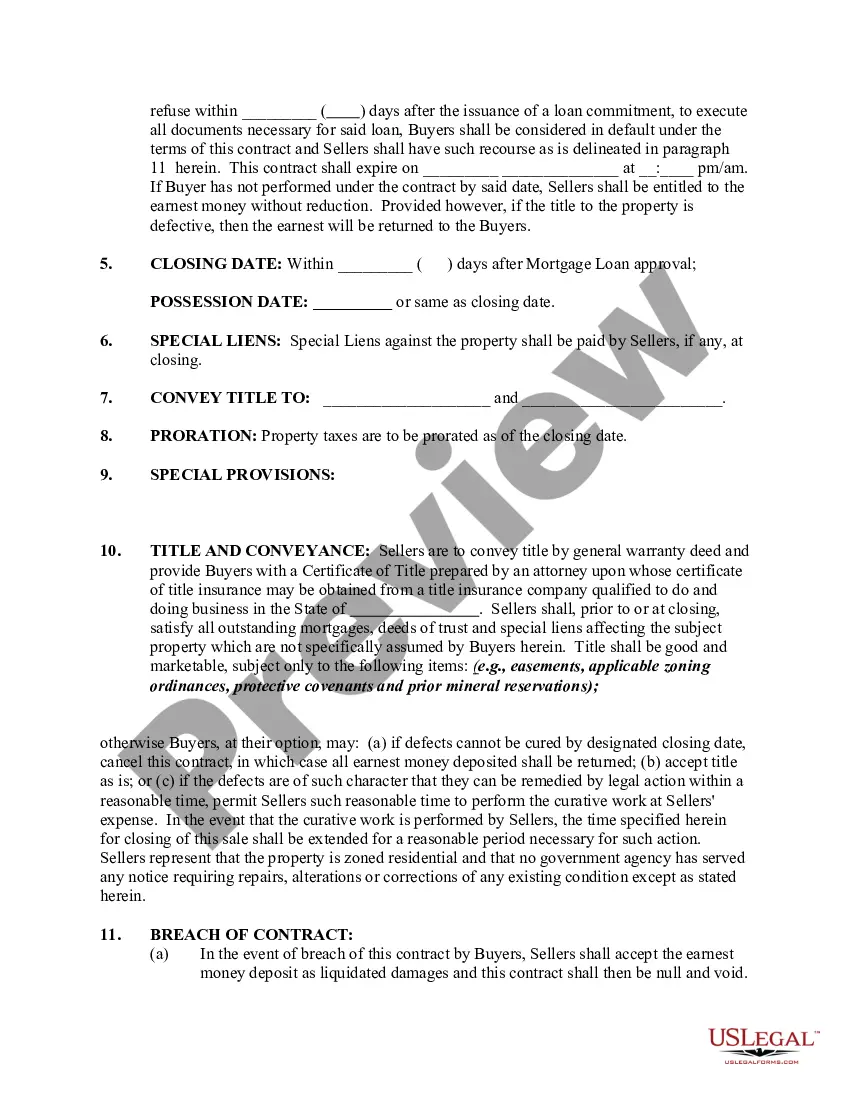
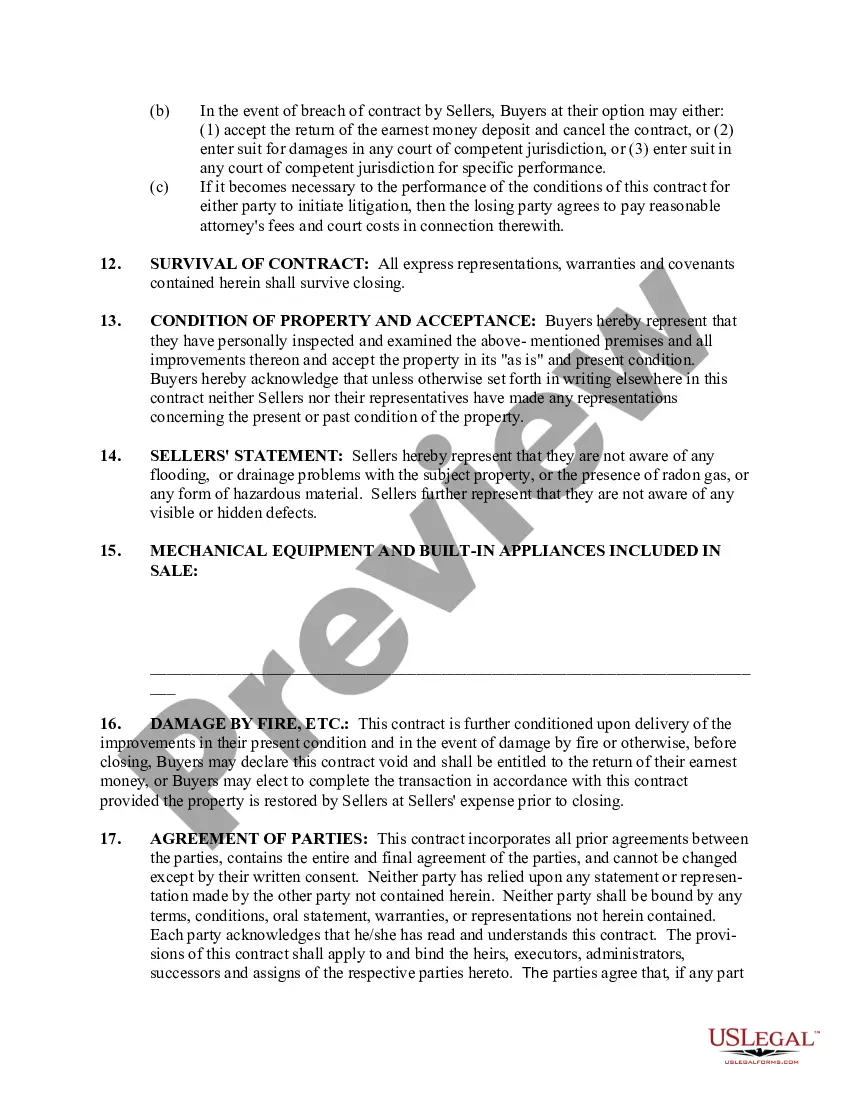
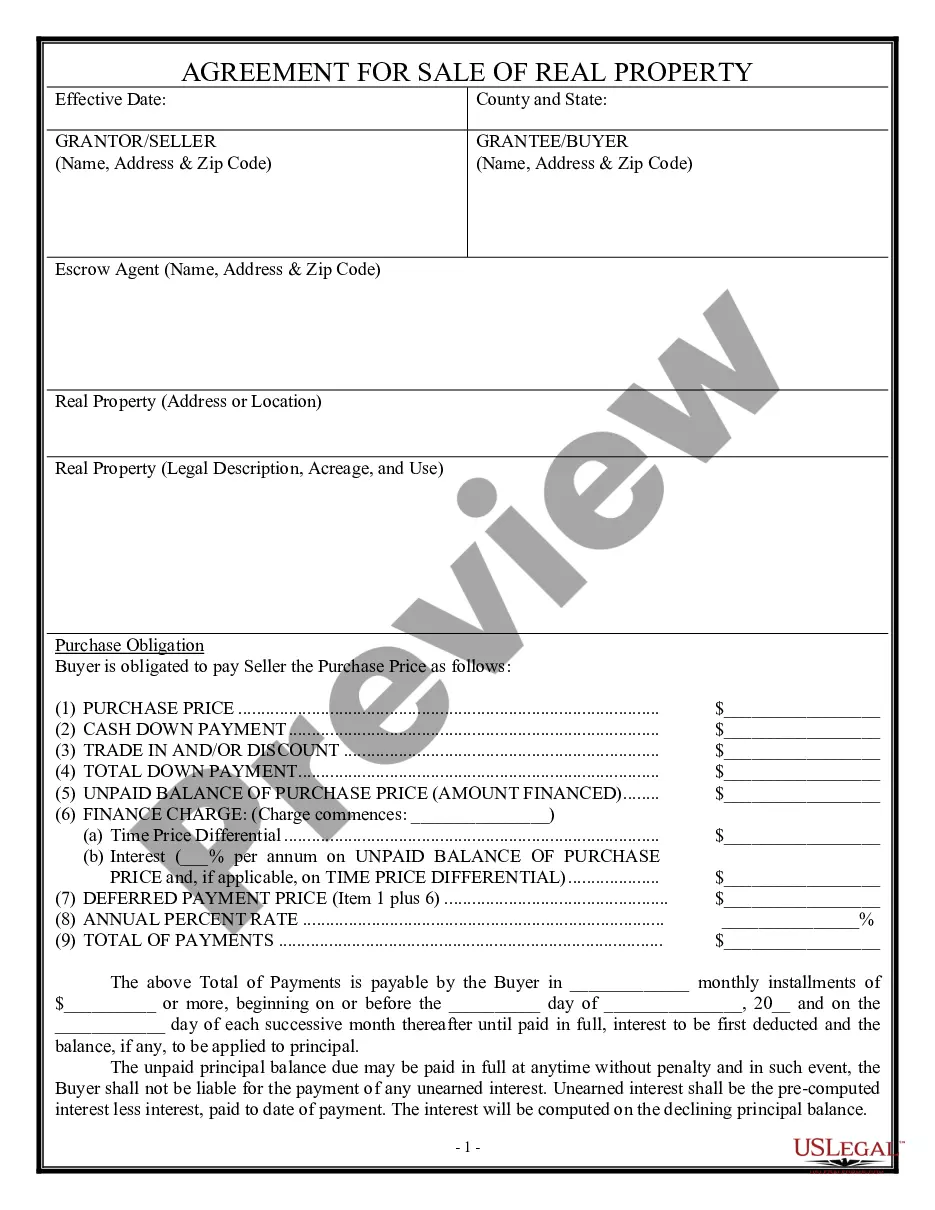
Closing Property Title Format In Houston
Description

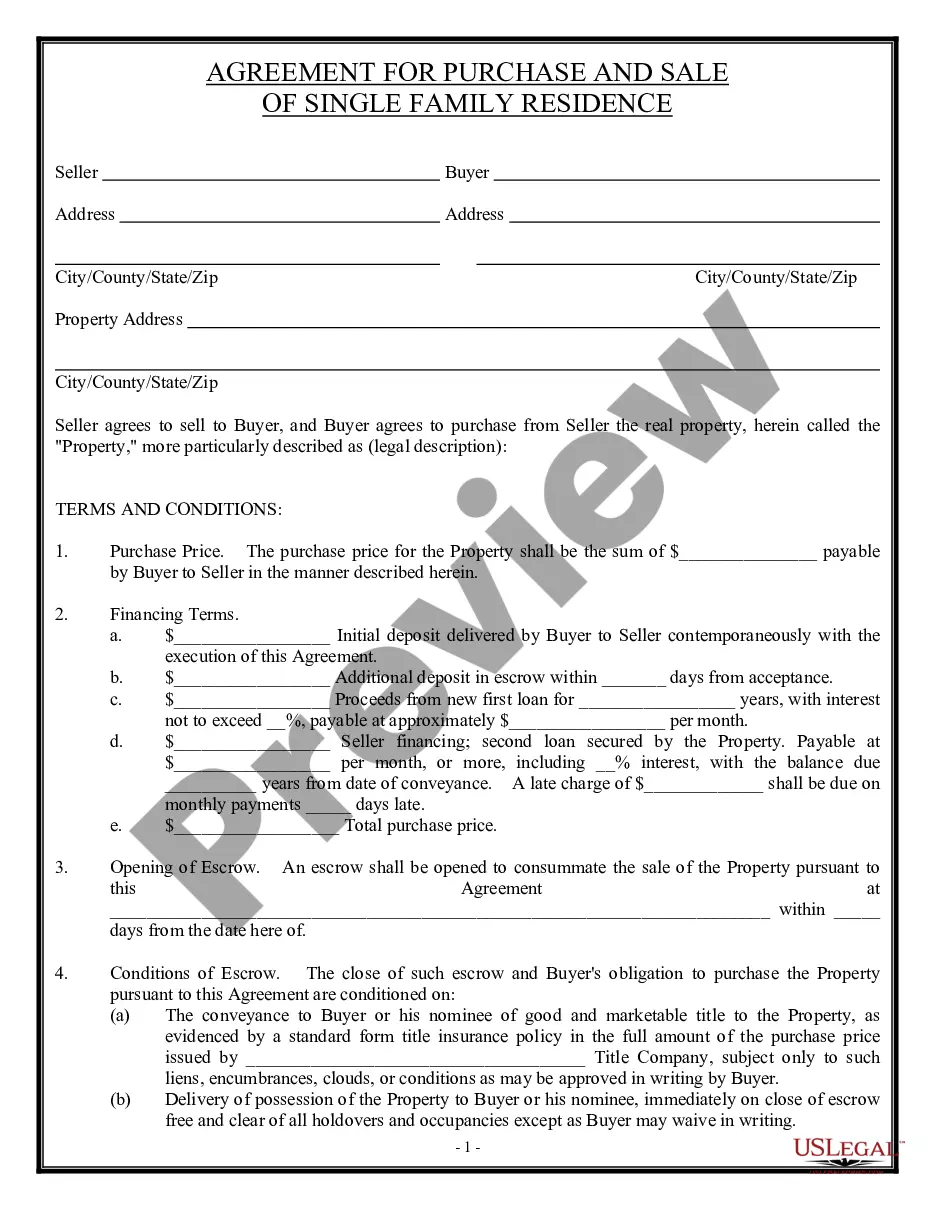
Get your form ready online
Our built-in tools help you complete, sign, share, and store your documents in one place.
Make edits, fill in missing information, and update formatting in US Legal Forms—just like you would in MS Word.
Download a copy, print it, send it by email, or mail it via USPS—whatever works best for your next step.
Sign and collect signatures with our SignNow integration. Send to multiple recipients, set reminders, and more. Go Premium to unlock E-Sign.
If this form requires notarization, complete it online through a secure video call—no need to meet a notary in person or wait for an appointment.
We protect your documents and personal data by following strict security and privacy standards.

Make edits, fill in missing information, and update formatting in US Legal Forms—just like you would in MS Word.

Download a copy, print it, send it by email, or mail it via USPS—whatever works best for your next step.

Sign and collect signatures with our SignNow integration. Send to multiple recipients, set reminders, and more. Go Premium to unlock E-Sign.

If this form requires notarization, complete it online through a secure video call—no need to meet a notary in person or wait for an appointment.

We protect your documents and personal data by following strict security and privacy standards.
Looking for another form?





Form popularity
FAQ
Typically, the seller signs the closing documents first, before the buyer even arrives at the office where the closing is taking place. Buyers have to sign a LOT more documents than the seller and it is not necessary for the seller to sit and watch the buyer sign their papers.
In most cases, you'll meet with your real estate agent and a title company representative — the seller and their agent don't have to be there. The title company representative will guide you through the process and ensure that all the necessary documents are signed correctly — they take care of the filing.
You may choose any title company you want; you don't have to use a company selected by a real estate agent, builder, or lender. Section 9 of the Real Estate Settlement Procedures Act (RESPA) prohibits sellers from conditioning the home sale on the use of a specific title insurance company.
A deed is an official written document declaring a person's legal ownership of a property, while a title is a legal concept that refers to ownership rights. Here's a way to remember the difference: You can own a physical copy of a book, but you can't hold the book's title in your hand.
Under the theory of adverse possession, you can claim ownership of property that belongs to someone else. Under Texas law, your possession of the property must be exclusive, open, continuous, and without the permission of the property owner for 3-10 years, depending on the circumstances.
Once a deed has been recorded by the County Clerk's Office, copies of the deed may be requested if the original deed has been misplaced. Plain copies can be found by using the Official Public Records Search and selecting "Land Records". A certified copy may be purchased through request either in person or by mail.
Deed or official record: Original deed, warranty deed or deed of trust to the property. A utility bill dated between April 2022 and present, must also be included. Mortgage documentation: Mortgage statement, mortgage promissory note or the closing disclosure form.
In Texas, you record your deed with the County Clerk in the county where the property exists. If the property is in more than one county, record it in each. It is important to record your deed. In Texas, the property is legally transferred when the grantee accepts the signed deed.
Texas does not require that a deed be recorded in the county clerk's real property records in order to be valid. The only requirement is that it is executed and delivered to the grantee, which then makes the transfer fully effective.
Here are the steps to follow when transferring property ownership in Texas legally: Step 1: Prepare the Deed. The first step is to prepare the deed, but what's the difference between a title vs. Step 2: Sign the Deed. Step 3: Record the Deed. Step 4: Update Property Records.
