Closing Property Title Form Texas In Harris
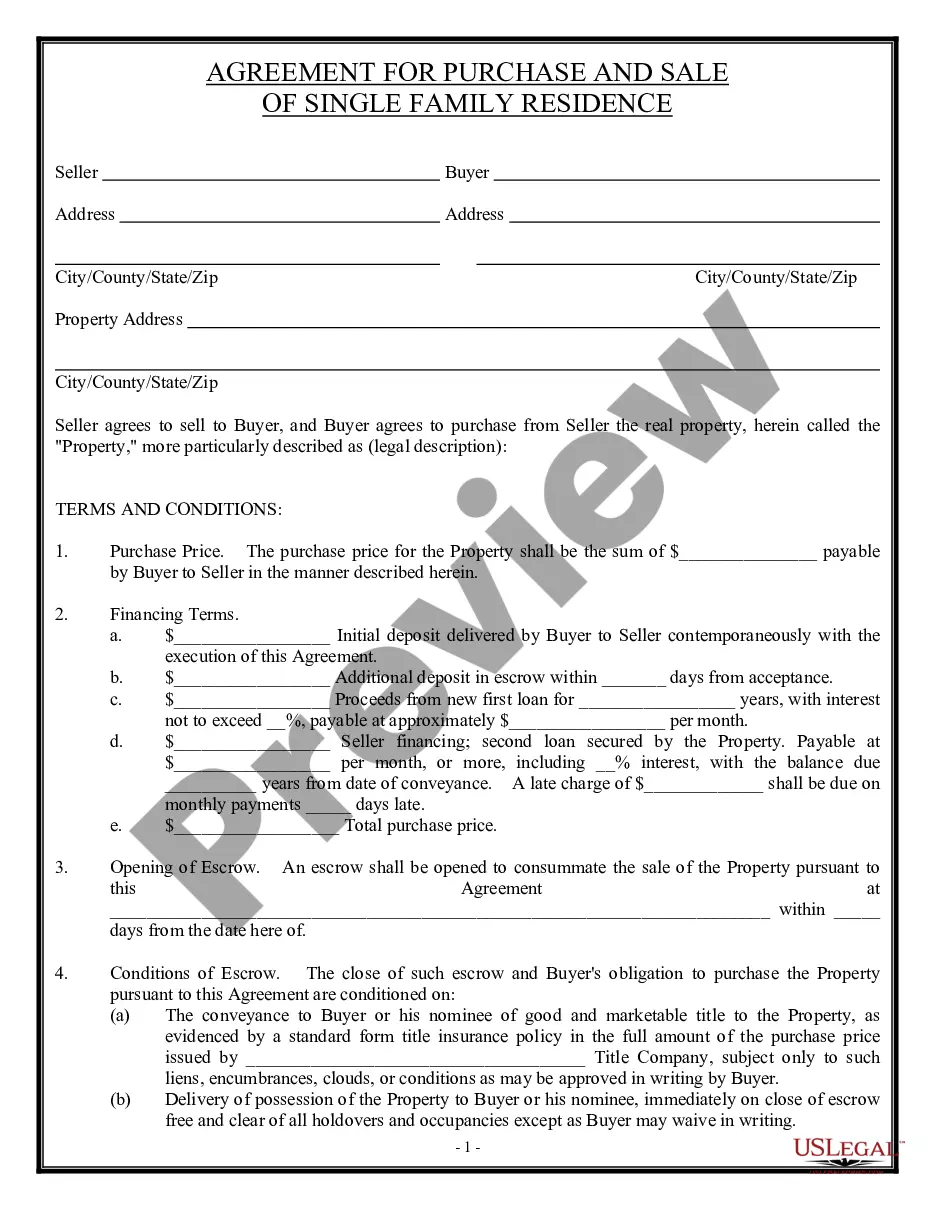
Description

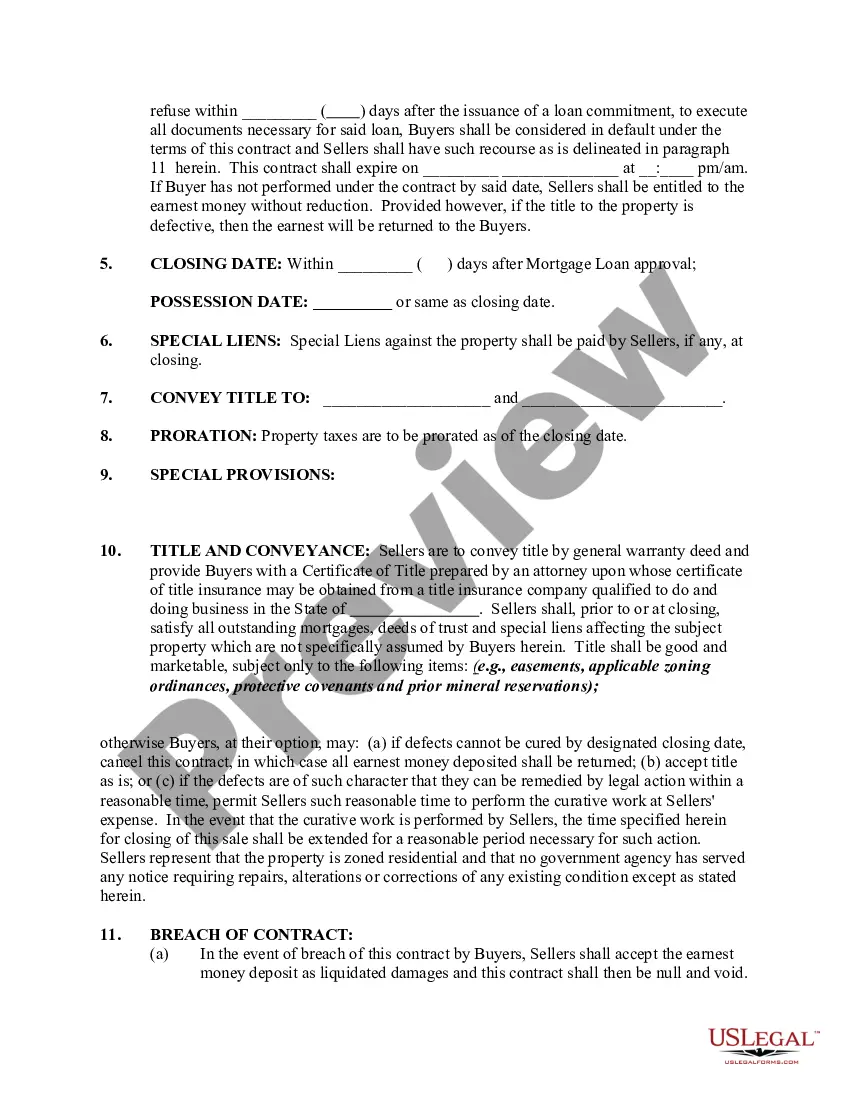
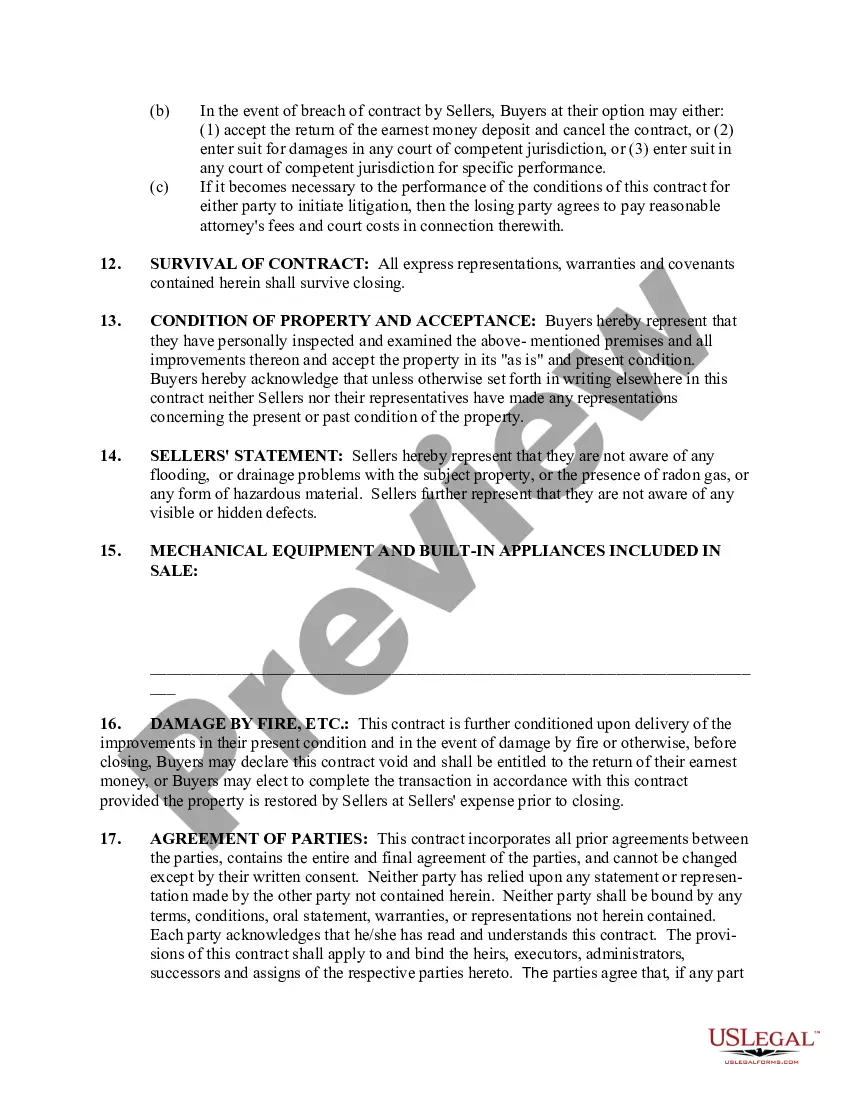
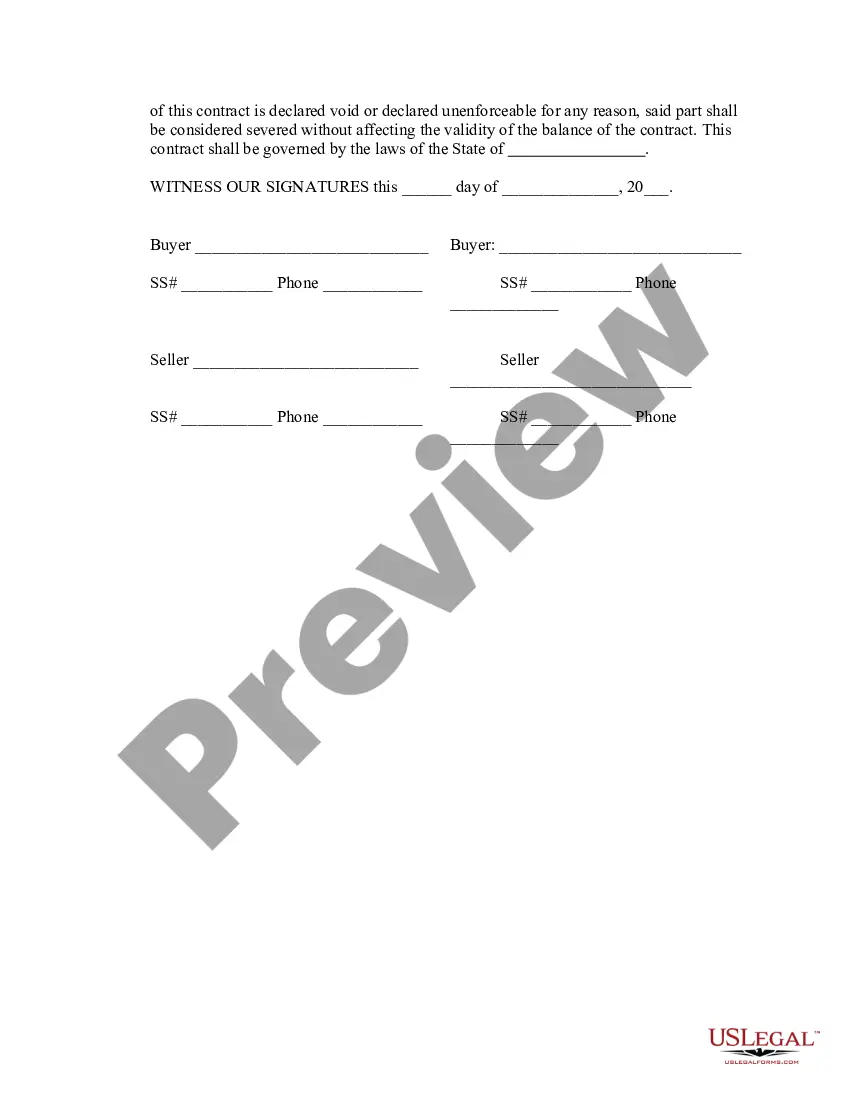
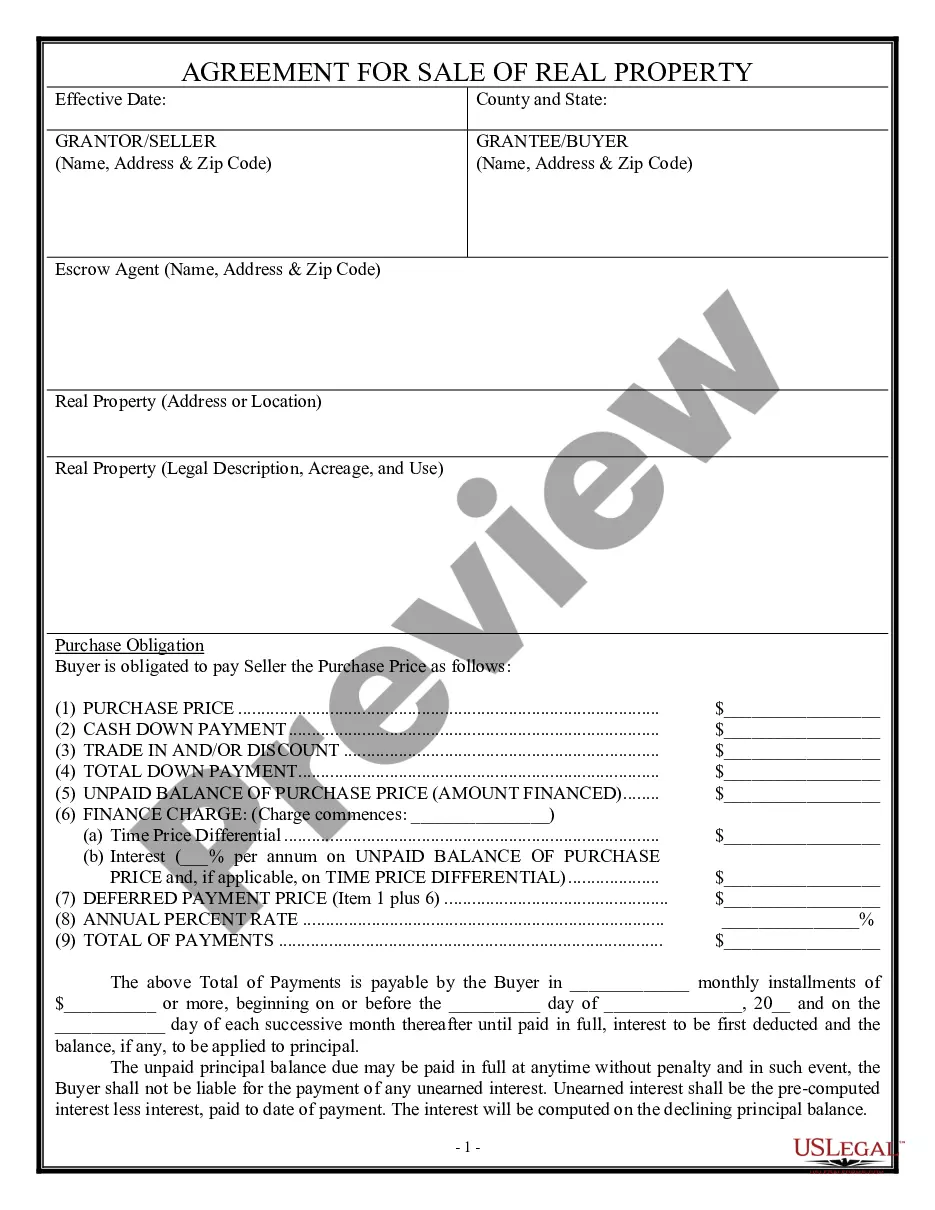
Get your form ready online
Our built-in tools help you complete, sign, share, and store your documents in one place.
Make edits, fill in missing information, and update formatting in US Legal Forms—just like you would in MS Word.
Download a copy, print it, send it by email, or mail it via USPS—whatever works best for your next step.
Sign and collect signatures with our SignNow integration. Send to multiple recipients, set reminders, and more. Go Premium to unlock E-Sign.
If this form requires notarization, complete it online through a secure video call—no need to meet a notary in person or wait for an appointment.
We protect your documents and personal data by following strict security and privacy standards.

Make edits, fill in missing information, and update formatting in US Legal Forms—just like you would in MS Word.

Download a copy, print it, send it by email, or mail it via USPS—whatever works best for your next step.

Sign and collect signatures with our SignNow integration. Send to multiple recipients, set reminders, and more. Go Premium to unlock E-Sign.

If this form requires notarization, complete it online through a secure video call—no need to meet a notary in person or wait for an appointment.

We protect your documents and personal data by following strict security and privacy standards.
Looking for another form?


Form popularity
FAQ
What documents are needed for a title transfer in Harris County? To complete a title transfer in Harris County, you need the current vehicle title, a completed Texas Title Application (Form 130-U), identification, an odometer disclosure statement (for vehicles under ten years old), and proof of insurance.
To transfer a car title in Harris County, gather required documents such as the current vehicle title, a bill of sale, and an odometer disclosure statement. Complete Form 130-U, ensure proof of insurance, and check emissions inspection requirements.
Here are the steps to follow when transferring property ownership in Texas legally: Step 1: Prepare the Deed. The first step is to prepare the deed, but what's the difference between a title vs. Step 2: Sign the Deed. Step 3: Record the Deed. Step 4: Update Property Records.
Transfers of real property must be in writing and notarized. Deeds should be recorded in the county where the property is located. To ensure a legal change to the property title, you'll want the services of an attorney. A qualified attorney will prepare and file the real estate transfer deed.
If you wish, a copy may be obtained in person at the Harris County Clerk's Office located downtown in the Harris County Civil Courthouse, 201 Caroline, 3rd Floor, Monday through Friday from a.m. to p.m. If your property is not located in Harris County and you would like to obtain a copy of the recorded deed ...
The most common proof of ownership we receive is a deed. While it is common for deeds to be recorded in the County Clerk's office public records, there is no requirement.
A deed is an official written document declaring a person's legal ownership of a property, while a title is a legal concept that refers to ownership rights. Here's a way to remember the difference: You can own a physical copy of a book, but you can't hold the book's title in your hand.
Request paper copies of documents without the unofficial watermark in person at any Annex Location. by email to: Use our contact form and select 'Public Records' by mail to: Teneshia Hudspeth, Harris County Clerk. Attn: Public Records Department. P.O. Box 1525. Houston, TX. 77251. For Questions Call (713) 274-6390.
To prove title to real property, you'll need to file certain documents with the county's clerk office. This must be done in the county where the property is located. It will help establish the chain of title, allow you to sell the property, etc. The county cannot add your name to the deed or issue a new deed.
