Sell Closure Property For Addition In Dallas
Description

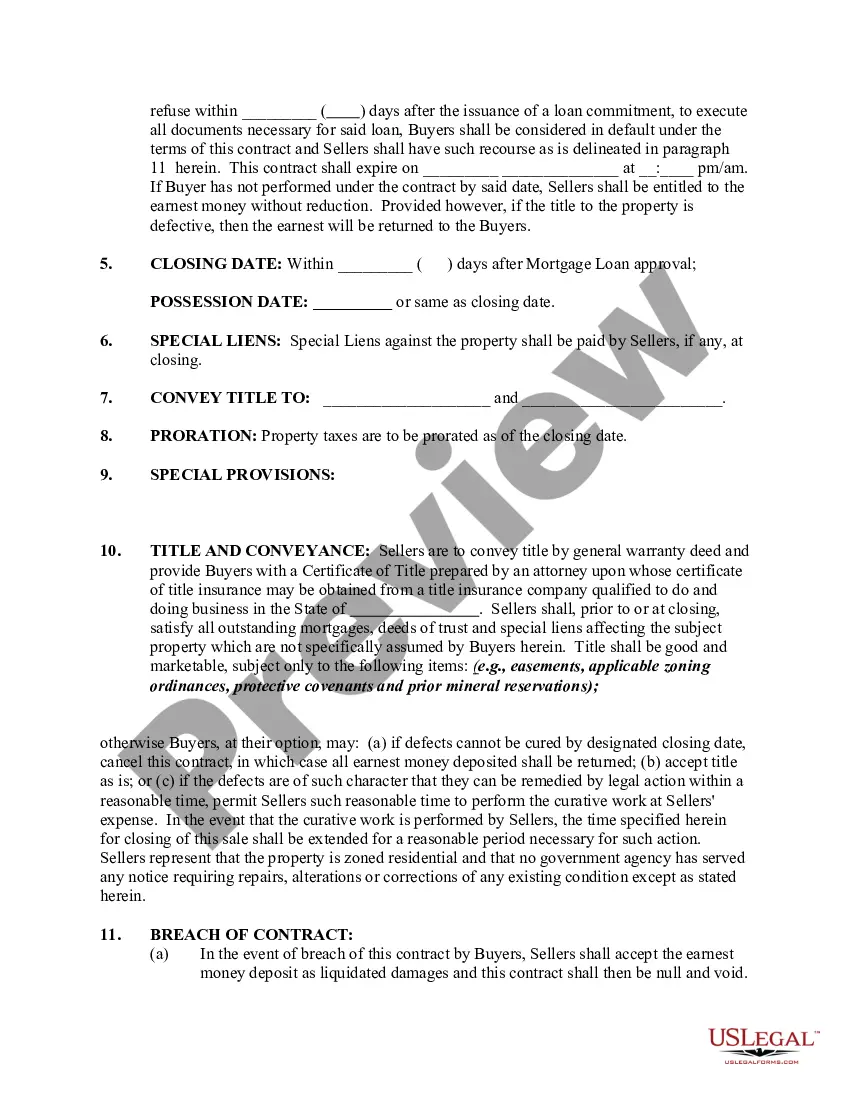
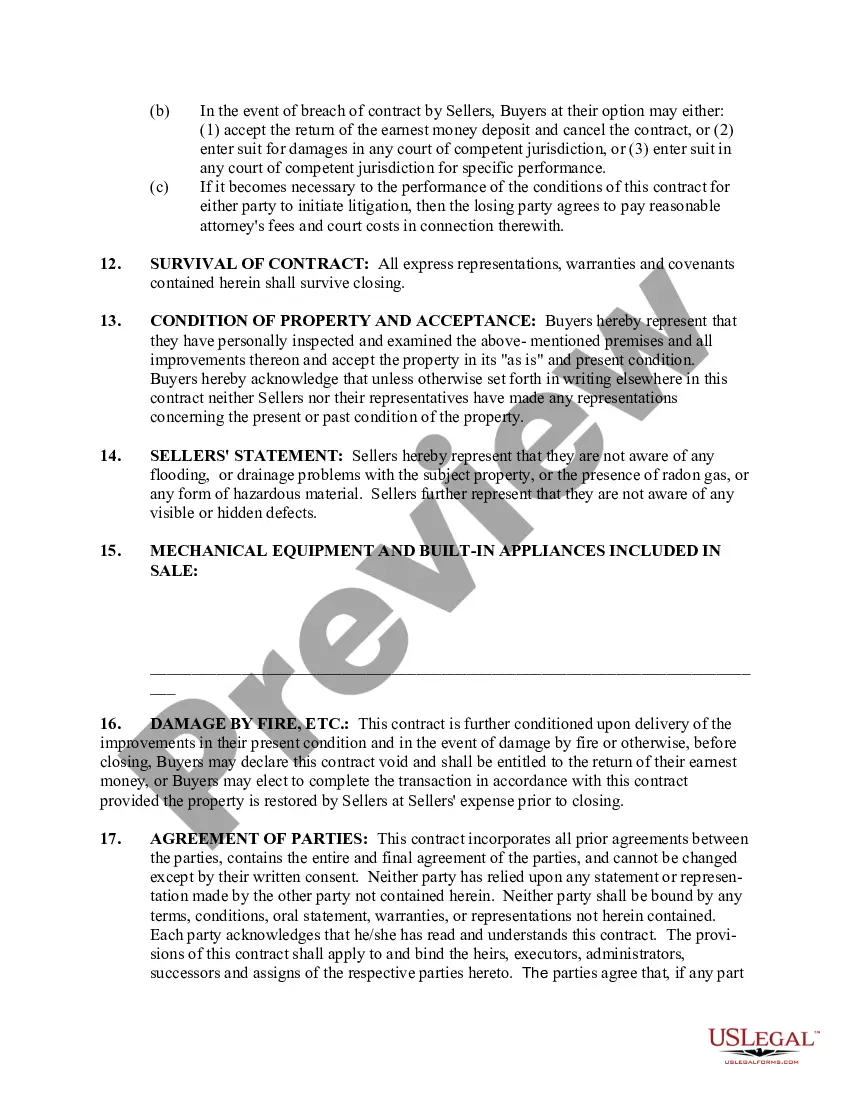
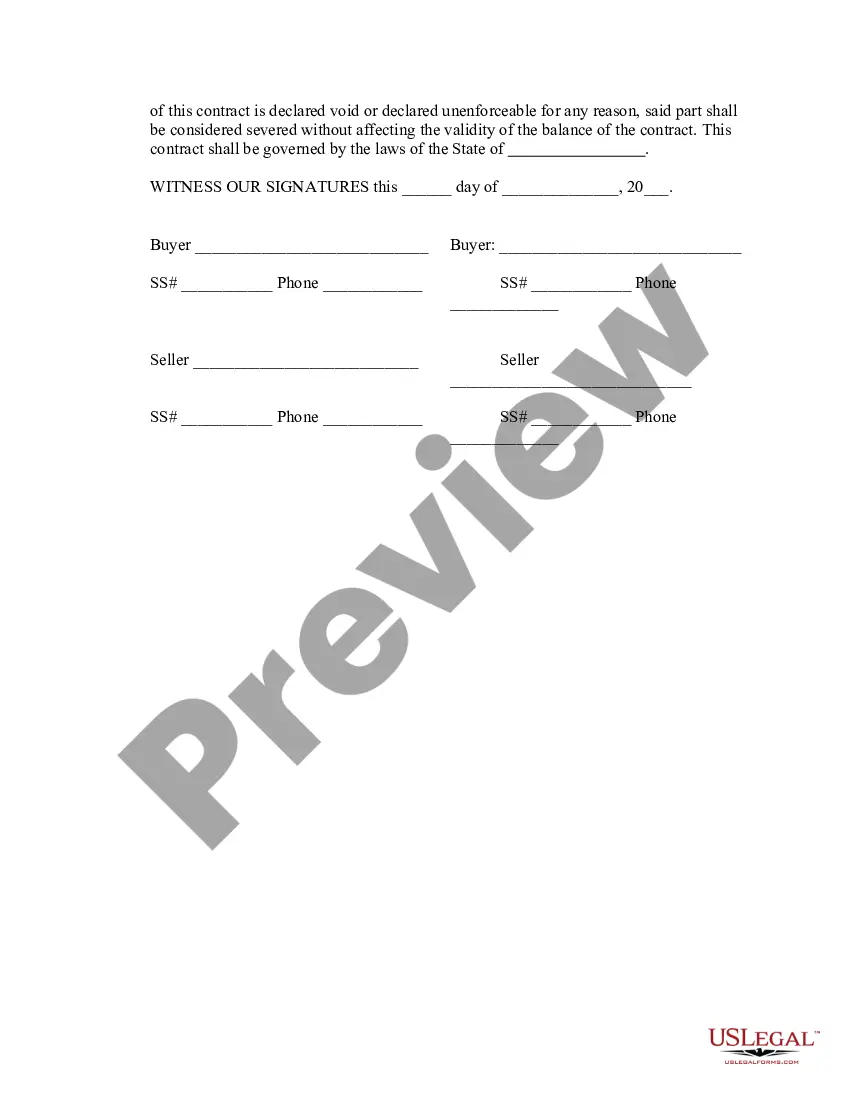
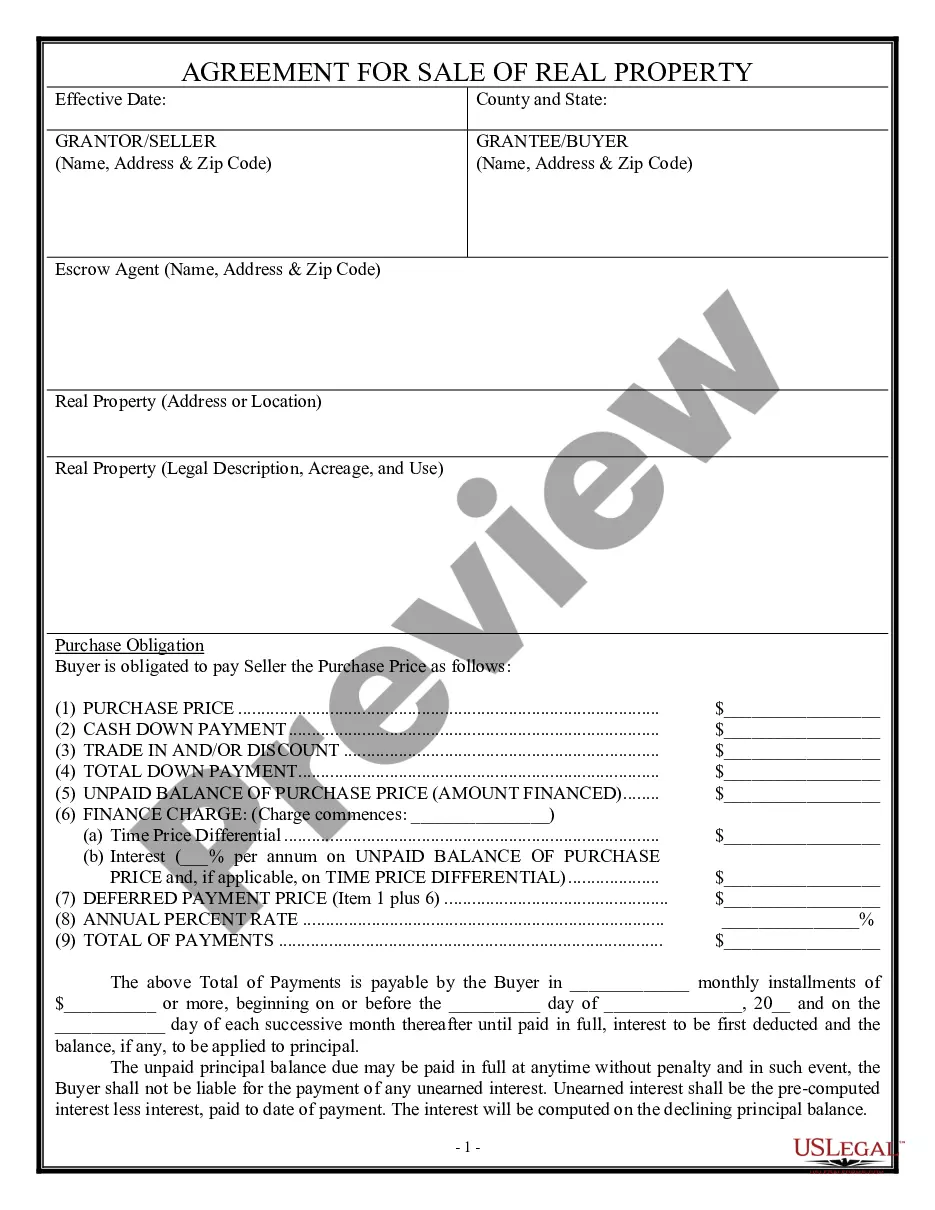
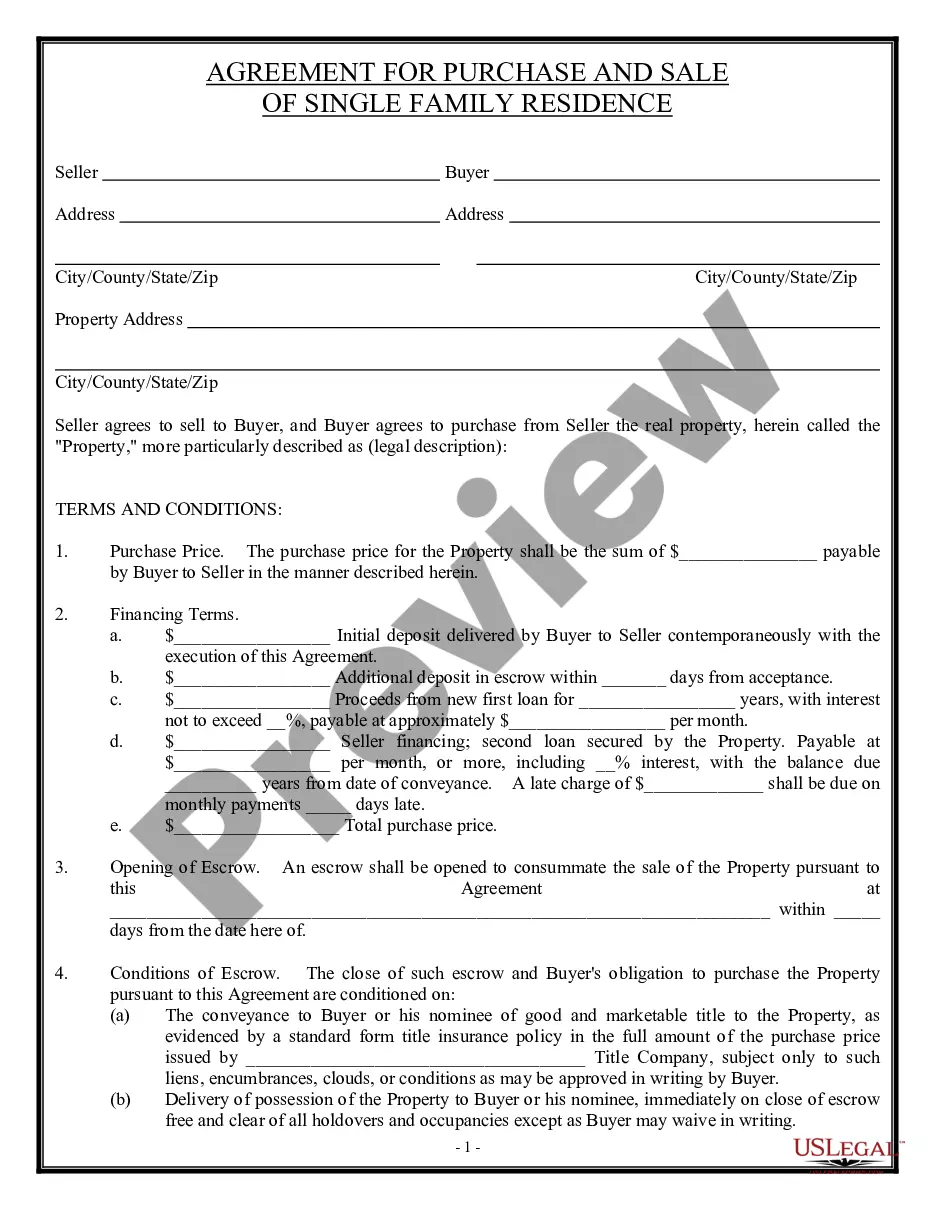
Get your form ready online
Our built-in tools help you complete, sign, share, and store your documents in one place.
Make edits, fill in missing information, and update formatting in US Legal Forms—just like you would in MS Word.
Download a copy, print it, send it by email, or mail it via USPS—whatever works best for your next step.
Sign and collect signatures with our SignNow integration. Send to multiple recipients, set reminders, and more. Go Premium to unlock E-Sign.
If this form requires notarization, complete it online through a secure video call—no need to meet a notary in person or wait for an appointment.
We protect your documents and personal data by following strict security and privacy standards.

Make edits, fill in missing information, and update formatting in US Legal Forms—just like you would in MS Word.

Download a copy, print it, send it by email, or mail it via USPS—whatever works best for your next step.

Sign and collect signatures with our SignNow integration. Send to multiple recipients, set reminders, and more. Go Premium to unlock E-Sign.

If this form requires notarization, complete it online through a secure video call—no need to meet a notary in person or wait for an appointment.

We protect your documents and personal data by following strict security and privacy standards.
Looking for another form?








Form popularity
FAQ
Successfully protesting your home's assessed value will lower property tax bills. It also can secure long-lasting savings because the DCAD cannot ignore the lower value when assessing your home in future years. You can also protest that DCAD improperly denied any qualified exemptions.
Collect evidence such as comparable sales data, photos of property damage or needed repairs, and estimates from contractors. If you bought or refinanced your home recently, that paperwork can also be powerful evidence of actual market value. Appraisal district employees often understand the process isn't perfect.
When you successfully challenge your property's assessed value, you can lower your tax liability. Many homeowners find discrepancies in their property appraisal that, when corrected, reduce their tax bill. The potential savings often justify the effort and time spent on a property tax protest.
If you have any questions, email propertytax@dallascounty, or call our Customer Care Center at 214-653-7811.
Collect Evidence: Gather evidence that supports your argument that the property's value is inflated. This could include data relating to recent property sales issues, the condition of your property, or other economic factors impacting property values.
How to Protest Property Taxes in Dallas County File a Notice of Protest Form (Form 50-132) online, by mail, or in person by the deadline. Prepare evidence to support your lower value. If possible, resolve with an informal hearing with an appraiser. If necessary, attend an ARB hearing.
To contest your property taxes in Dallas County, you will need to do the following: File a Notice of Protest Form (Form 50-132) online, by mail, or in person by the deadline. Prepare evidence to support your lower value. If possible, resolve with an informal hearing with an appraiser.
If you are dissatisfied with your property's appraised value or if errors exist in the appraisal records regarding your property, you should file Form 50-132, Property Owner's Notice of Protest (PDF) with the ARB.
To qualify for the general residence homestead exemption, a home must meet the definition of a residence homestead and an individual must have an ownership interest in the property and use the property as the individual's principal residence.
