House For Sale By Owner Forms Foreclosure In Collin
Description

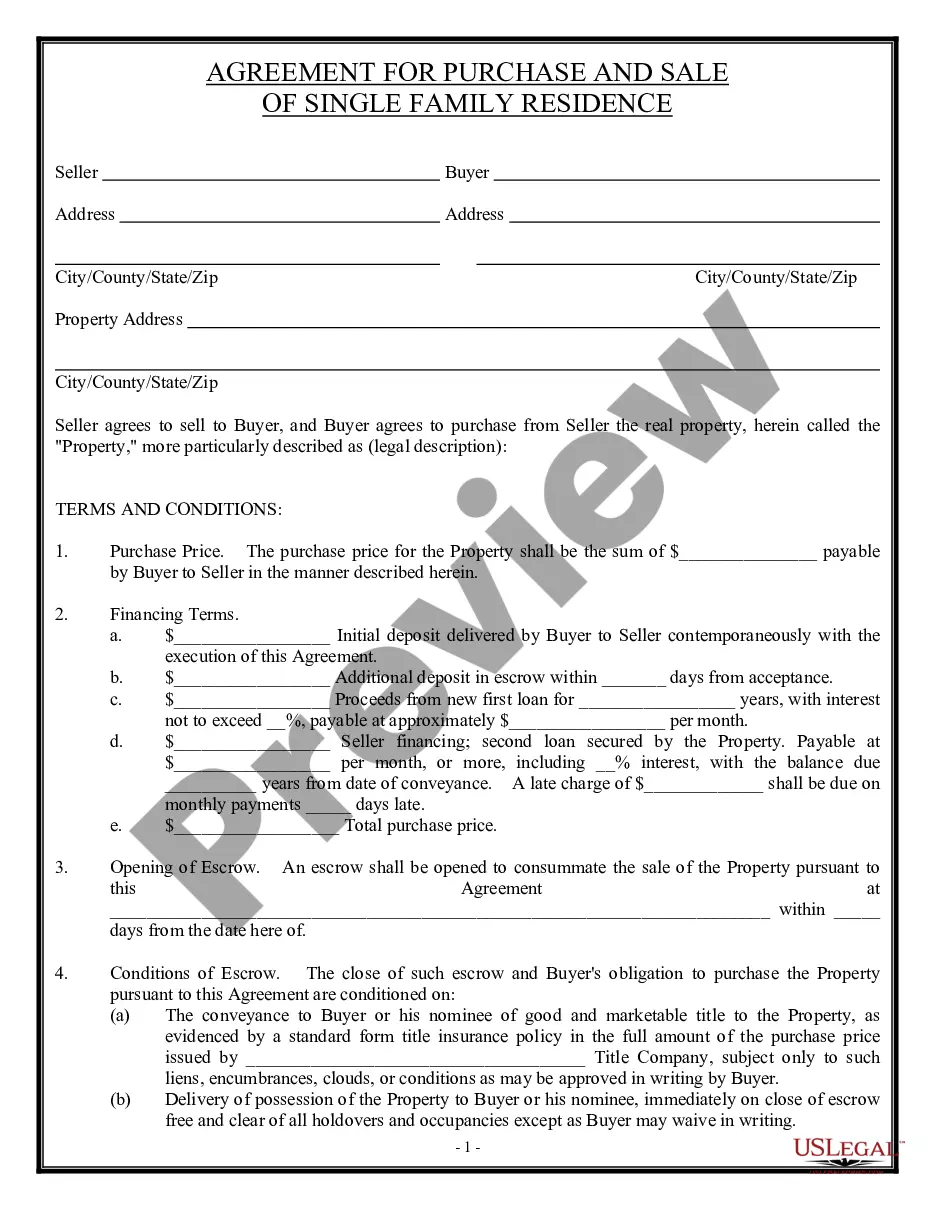
Get your form ready online
Our built-in tools help you complete, sign, share, and store your documents in one place.
Make edits, fill in missing information, and update formatting in US Legal Forms—just like you would in MS Word.
Download a copy, print it, send it by email, or mail it via USPS—whatever works best for your next step.
Sign and collect signatures with our SignNow integration. Send to multiple recipients, set reminders, and more. Go Premium to unlock E-Sign.
If this form requires notarization, complete it online through a secure video call—no need to meet a notary in person or wait for an appointment.
We protect your documents and personal data by following strict security and privacy standards.

Make edits, fill in missing information, and update formatting in US Legal Forms—just like you would in MS Word.

Download a copy, print it, send it by email, or mail it via USPS—whatever works best for your next step.

Sign and collect signatures with our SignNow integration. Send to multiple recipients, set reminders, and more. Go Premium to unlock E-Sign.

If this form requires notarization, complete it online through a secure video call—no need to meet a notary in person or wait for an appointment.

We protect your documents and personal data by following strict security and privacy standards.
Looking for another form?






Form popularity
FAQ
Most foreclosures are non-judicial types. This means court approval isn't required and speeds up the process. Many Texas foreclosures take 160 days. This is much faster than the national average of 922 days in foreclosure for the second quarter of 2021.
Fortunately, if you are facing foreclosure, you can still sell your house and ease the painful impact foreclosure will have on your family.
In order to qualify for a non-judicial foreclosure, the lienholder must have a deed of trust with a "power of sale" clause, giving them the authority to sell the property. These foreclosures are governed by Section 51.002 of the Texas Property Code as well as the contractual documents.
In Texas, owner financing is regulated by several laws, including the Texas Property Code, the Texas Finance Code, and federal regulations, such as the Dodd-Frank Wall Street Reform and Consumer Protection Act. To comply with these regulations, sellers must follow specific guidelines when offering owner financing.
It's important to note that while 160 days is the average in Texas, the process can be faster or slower than this depending on the policies of the lender, whether the homeowner attempts to stop foreclosure and what type of foreclosure happens.
In Texas, the types of foreclosure include expedited, judicial, and non-judicial. Most foreclosures are non-judicial types. This means court approval isn't required and speeds up the process. Many Texas foreclosures take 160 days.
A Deed in Lieu of Foreclosure is a complex document and should be prepared by a lawyer. This is a formal legal document used to surrender real estate property from the Buyer back to the Lender or Seller.
Foreclosure sales are held at the county courthouse on the first Tuesday of each month. Anyone may bid. After the auction, you do not have a right to buy back your property from the new owner unless it is being sold by a government entity, a tax lender, or for nonpayment of homeowner's association fees.
Mortgage or Deed of Trust? StateMortgage StateDeed of Trust State South Carolina ✅ ❌ South Dakota ✅ ✅ Tennessee ❌ ✅ Texas ❌ ✅47 more rows •