Sell Closing Property Without Consent In Clark
Description

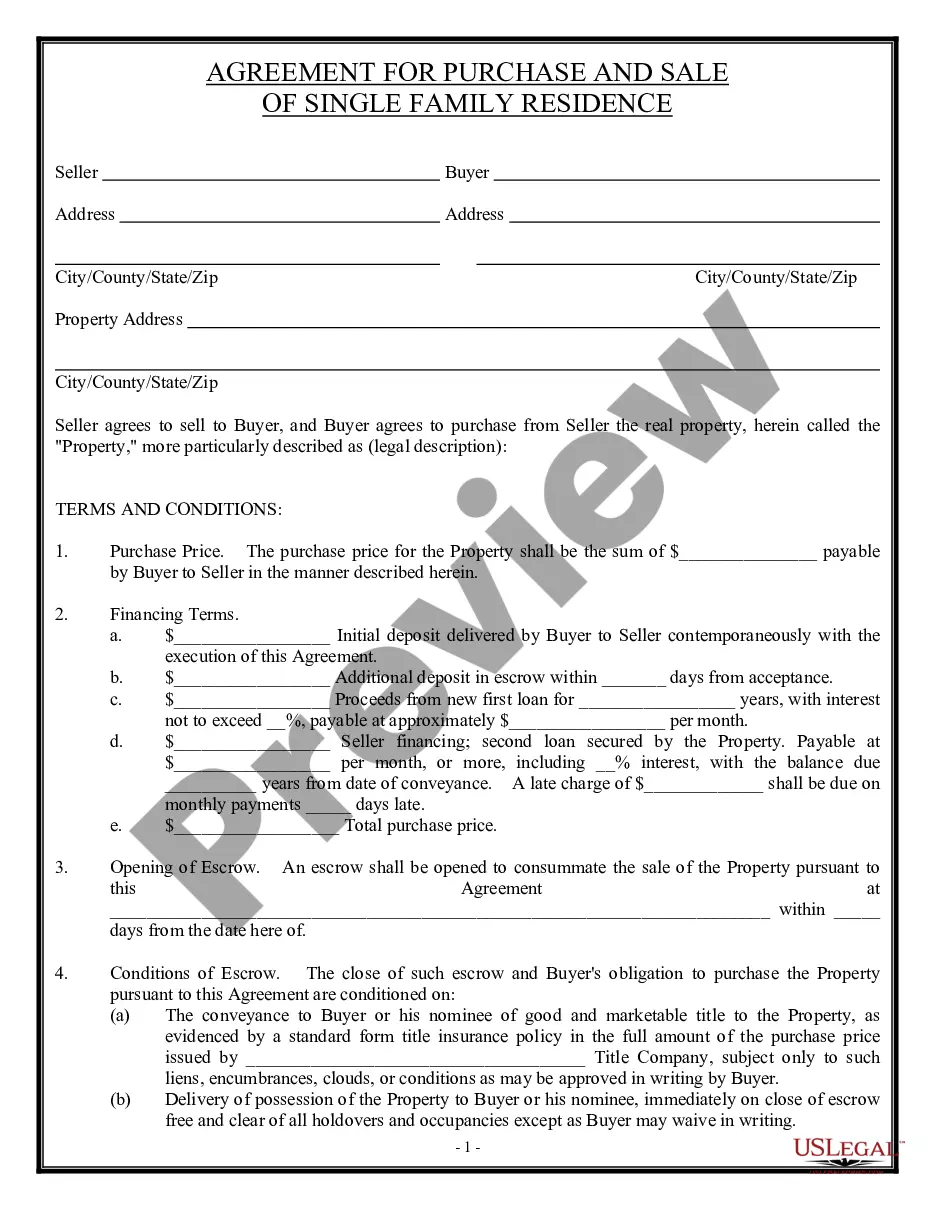
Get your form ready online
Our built-in tools help you complete, sign, share, and store your documents in one place.
Make edits, fill in missing information, and update formatting in US Legal Forms—just like you would in MS Word.
Download a copy, print it, send it by email, or mail it via USPS—whatever works best for your next step.
Sign and collect signatures with our SignNow integration. Send to multiple recipients, set reminders, and more. Go Premium to unlock E-Sign.
If this form requires notarization, complete it online through a secure video call—no need to meet a notary in person or wait for an appointment.
We protect your documents and personal data by following strict security and privacy standards.

Make edits, fill in missing information, and update formatting in US Legal Forms—just like you would in MS Word.

Download a copy, print it, send it by email, or mail it via USPS—whatever works best for your next step.

Sign and collect signatures with our SignNow integration. Send to multiple recipients, set reminders, and more. Go Premium to unlock E-Sign.

If this form requires notarization, complete it online through a secure video call—no need to meet a notary in person or wait for an appointment.

We protect your documents and personal data by following strict security and privacy standards.
Looking for another form?


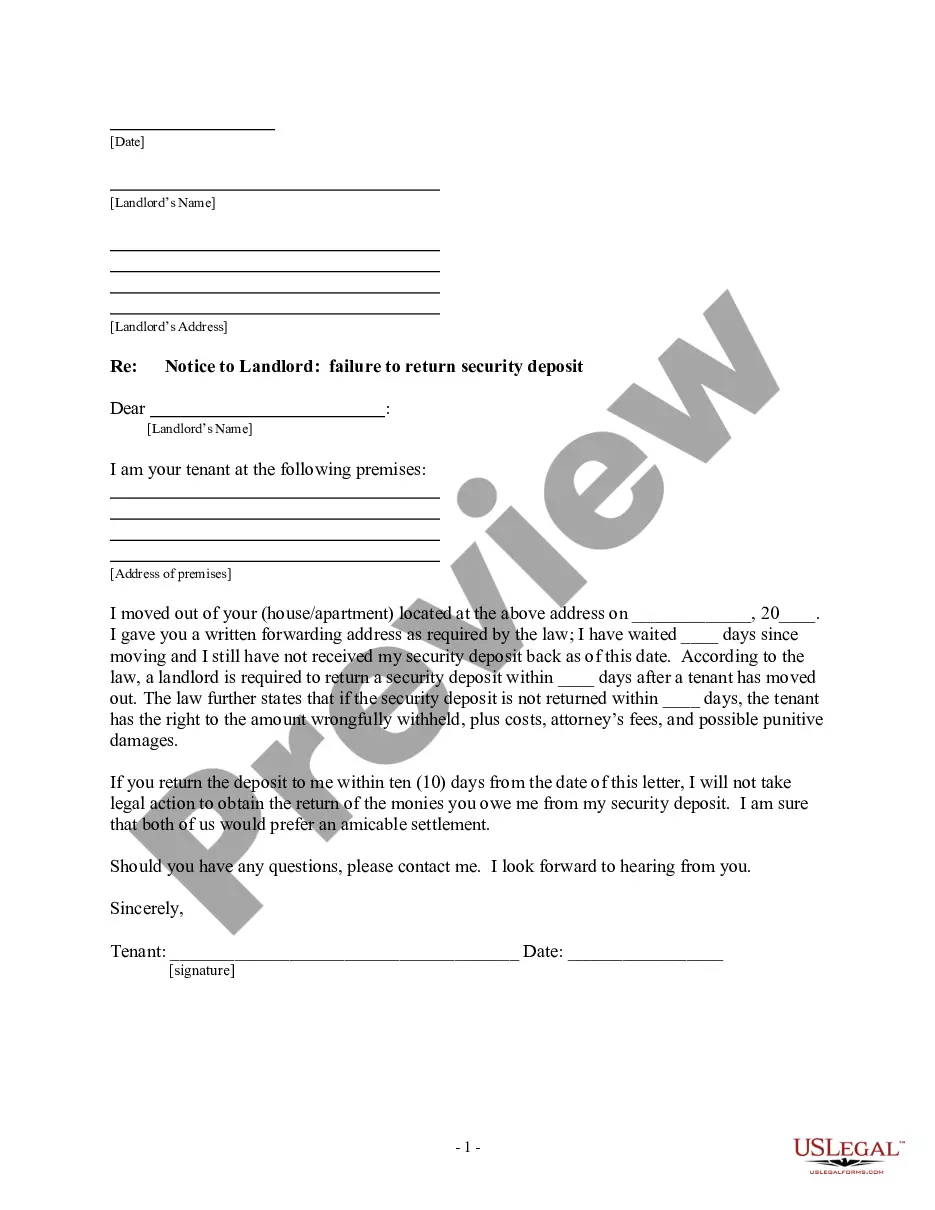
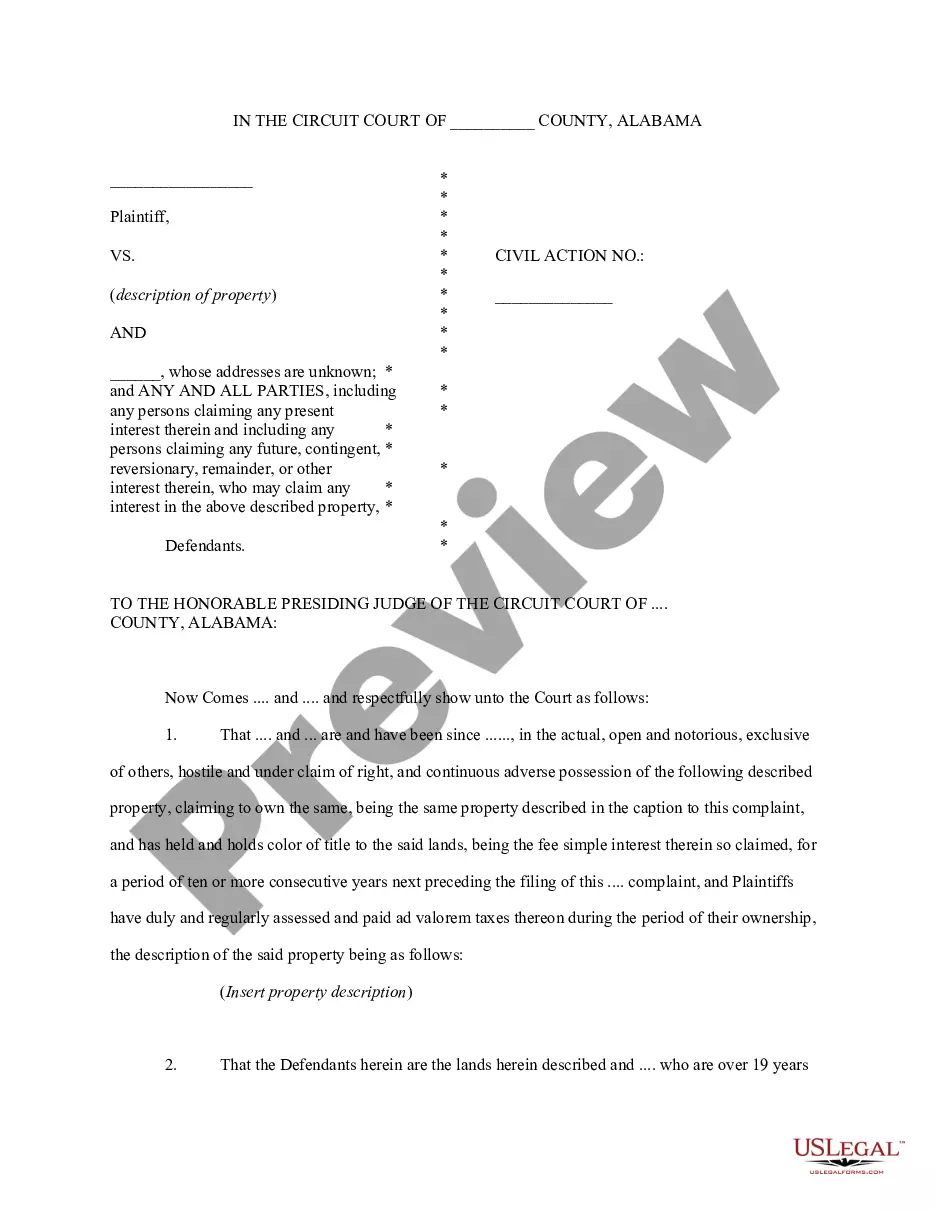




Form popularity
FAQ
If a buyer chooses not to close at this late stage, they're more likely to face consequences. If the buyer has no contingencies left to void the contract, and still decides not to sign, the buyer is likely in default of the contract,” says Rodgers. “This could mean loss of deposit, but it could even go beyond that.”
Failure by one of the parties to perform on the closing date will constitute a material breach of the contract and may result in the forfeiture of the down payment.
In general, once a seller has signed closing papers and the transaction has officially closed, they cannot back out of the sale without facing potential legal consequences. However, there are a few exceptions and considerations:
In summary, the father may not legally sell the entire property without the children's consent if the property is part of the estate of the deceased mother. Any sale done without the agreement of all heirs can be contested in court and possibly declared void.
If a person other than the owner attempts to sell the property, the transaction is considered illegal. This type of sale falls under fraudulent transactions and can be nullified under Philippine law. Even if the buyer was unaware that the seller was not the legitimate owner, the sale would still be void.
In short yes, they can back out of a contract at anytime. However, depending on the reason or time, they could be in default of the contract and open themself up to legal damages.
The sale, mortgage, or disposal of conjugal properties in the Philippines cannot be done unilaterally. Both spouses must give their consent before any such transactions can be validly executed.
If, however, the buyer cannot complete for any reason, the seller can retain the buyer's deposit and resell the property. The seller can then claim for any losses he may have suffered due to the failure to complete.
Under the Civil Code of the Philippines, trespass occurs when someone unlawfully enters or occupies another's property. In your case, if someone changed the boundaries of your land without permission, this may constitute trespass.
