Closing Property Title With Deed In Arizona
Description

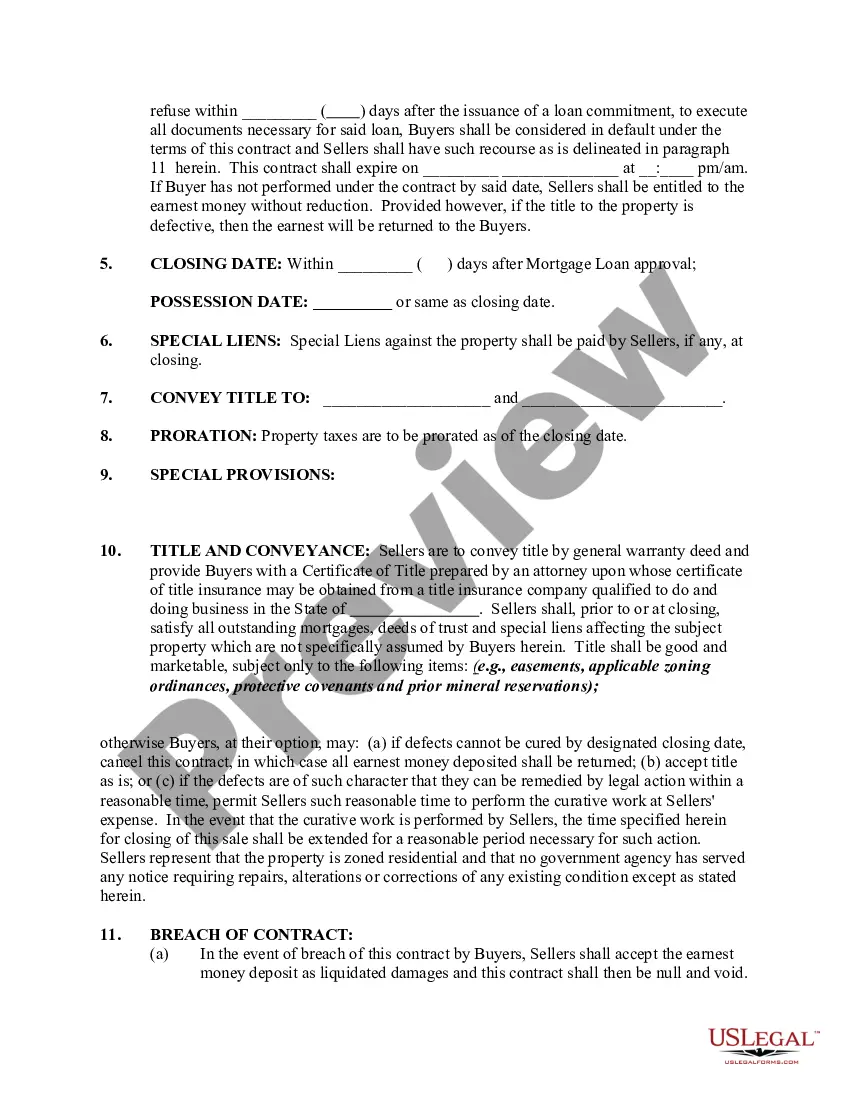
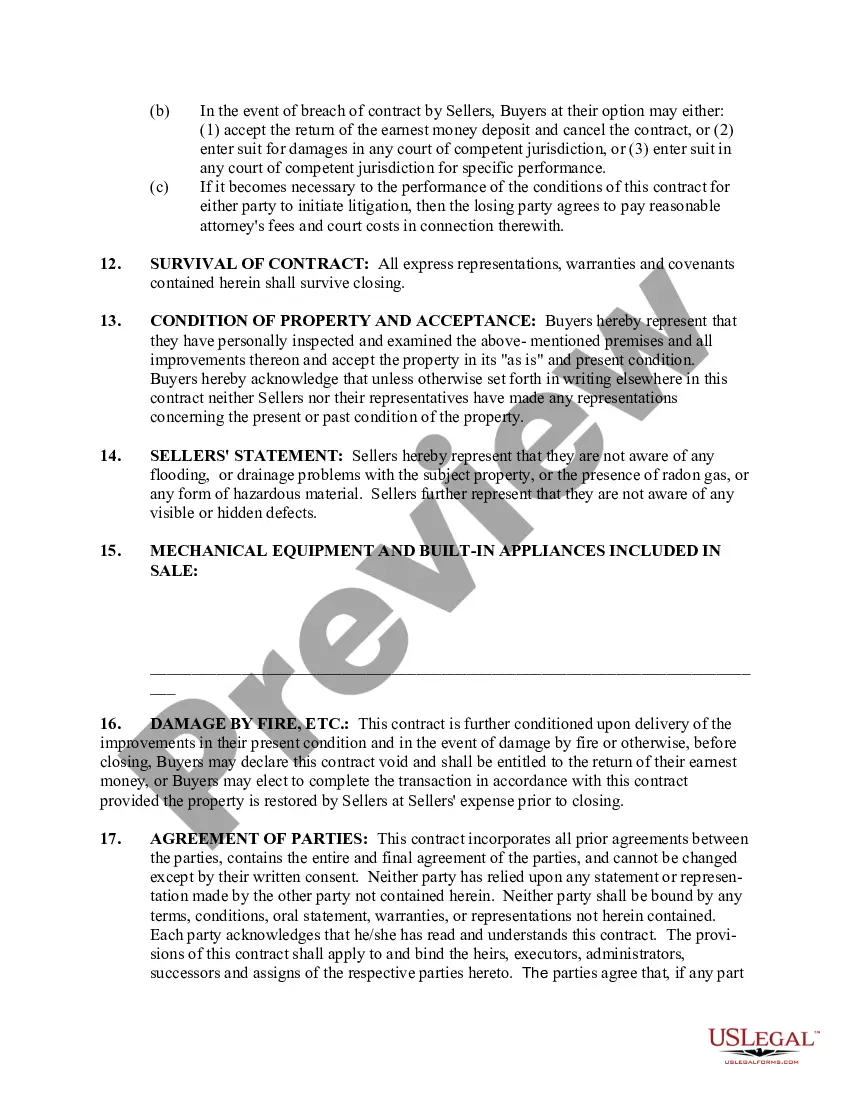
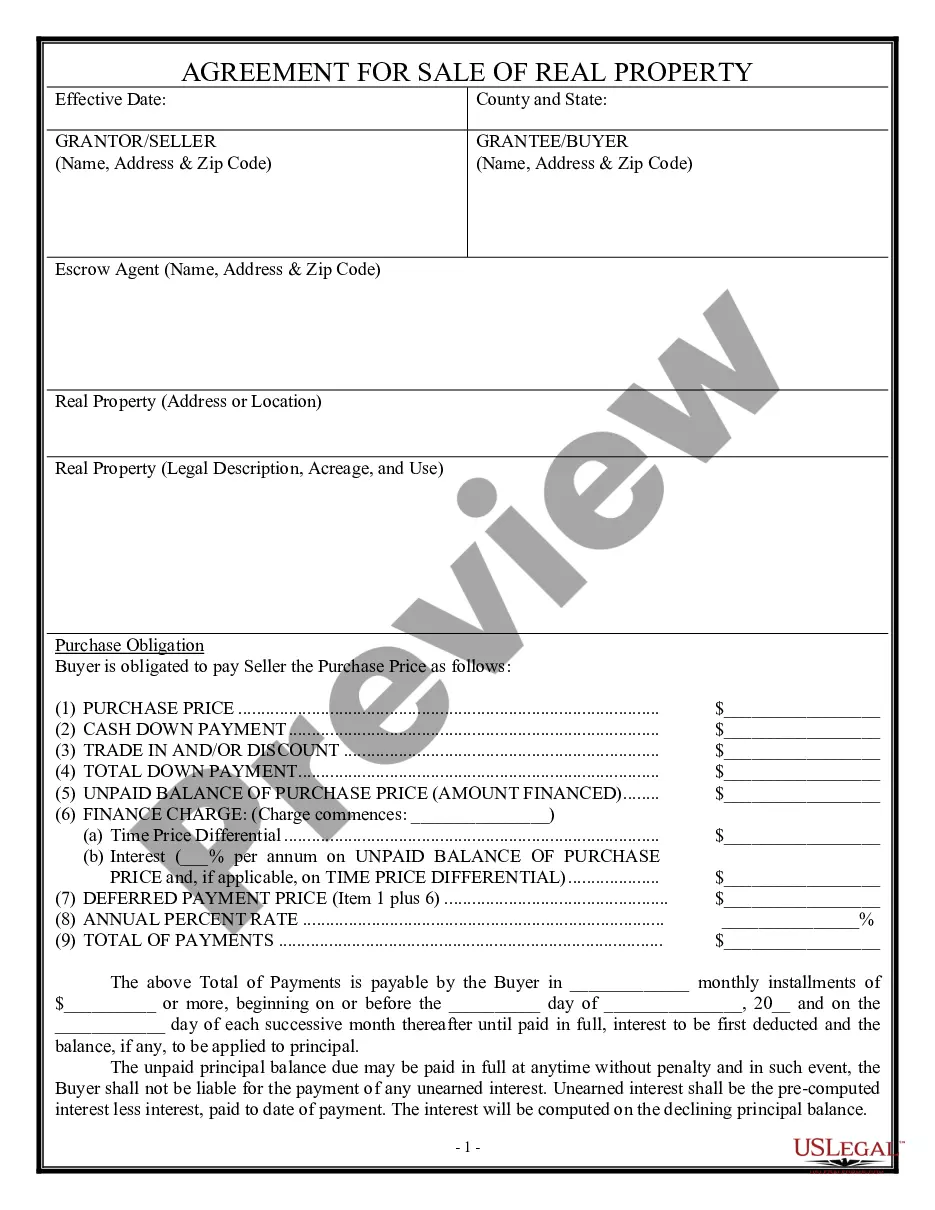
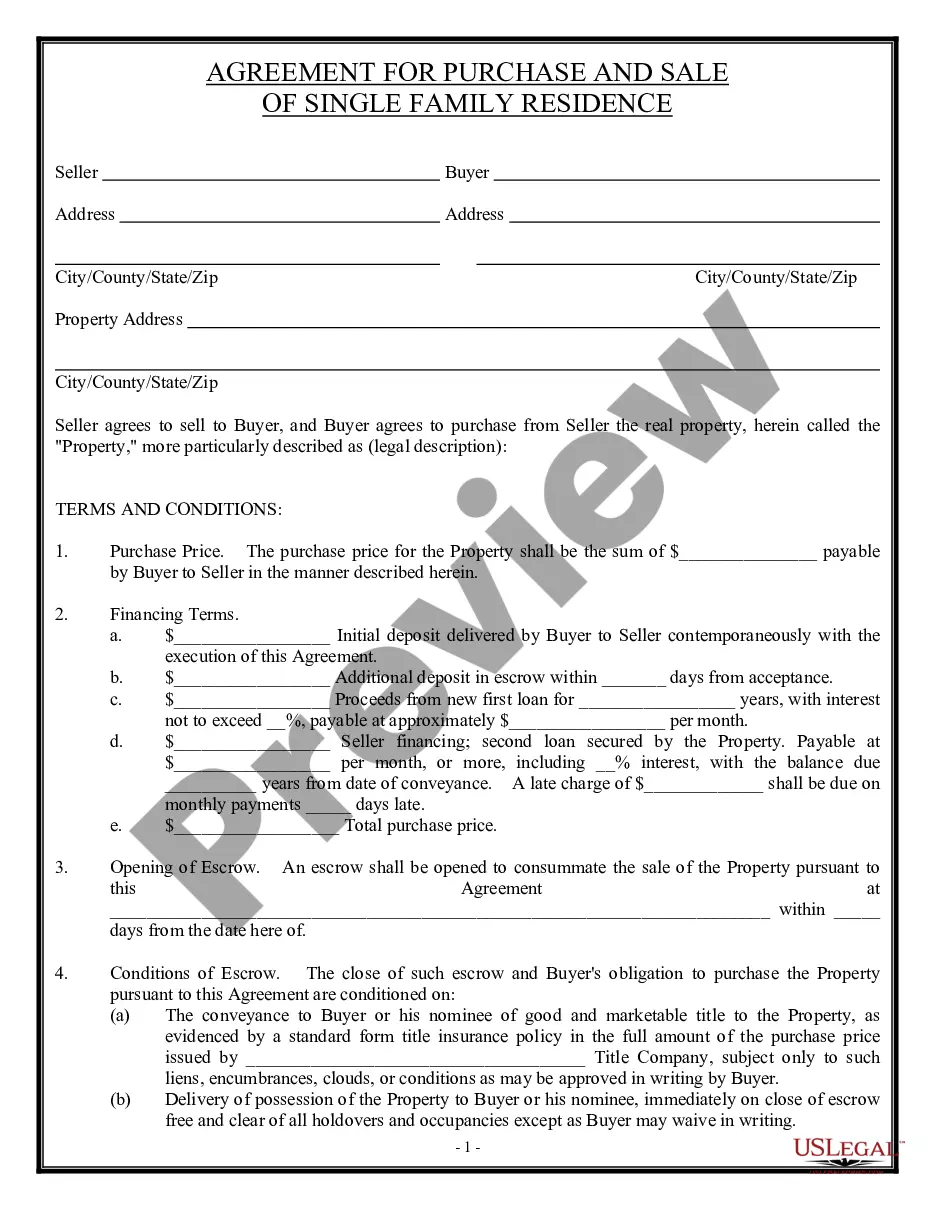
Get your form ready online
Our built-in tools help you complete, sign, share, and store your documents in one place.
Make edits, fill in missing information, and update formatting in US Legal Forms—just like you would in MS Word.
Download a copy, print it, send it by email, or mail it via USPS—whatever works best for your next step.
Sign and collect signatures with our SignNow integration. Send to multiple recipients, set reminders, and more. Go Premium to unlock E-Sign.
If this form requires notarization, complete it online through a secure video call—no need to meet a notary in person or wait for an appointment.
We protect your documents and personal data by following strict security and privacy standards.

Make edits, fill in missing information, and update formatting in US Legal Forms—just like you would in MS Word.

Download a copy, print it, send it by email, or mail it via USPS—whatever works best for your next step.

Sign and collect signatures with our SignNow integration. Send to multiple recipients, set reminders, and more. Go Premium to unlock E-Sign.

If this form requires notarization, complete it online through a secure video call—no need to meet a notary in person or wait for an appointment.

We protect your documents and personal data by following strict security and privacy standards.
Looking for another form?








Form popularity
FAQ
First, search by your address or parcel number to locate your property. The current deed will be located under the "Deed Number" under the section "Owner Information". Once you locate your document, you may view an unofficial copy online. Select the colored box under the section "Pages" to view your document.
Documents evidencing a transfer of title of real property must include a complete legal description and be accompanied by an "Affidavit of Property Value," as set forth in A.R.S. 11-1133 .
Documents recorded with the Maricopa County Recorder's Office are available and searchable through the Maricopa County Recorded Document Search. To locate a copy of your deed, search using your last name and first name. If you know when you recorded your document, you can use the dates to narrow your search.
Several steps happen during the escrow process in California that include the home appraisal, inspection, mortgage underwriting, title search, and document preparation.
In Arizona, deeds need to be signed, sealed and delivered to be valid. A deed is signed only by the grantor(s), not the grantee. A deed does not have to be recorded to be valid, but recording is very common.
When closing on a home, you should receive a copy of your house deed when the title is transferred to you. You can also request an additional copy at any time through your County Recorder's office or Register of Deeds office (the official name may vary by location).
Once you create a beneficiary deed, it needs to be recorded with the county recorder in the county where the property is located. Upon death, the death certificate of the deceased must be recorded with the same county recorder.
When closing on a home, you should receive a copy of your house deed when the title is transferred to you. You can also request an additional copy at any time through your County Recorder's office or Register of Deeds office (the official name may vary by location).
Transferring a Title and Registration A completed, signed Title and Registration Application. A signed vehicle title. A lien release, if applicable. All applicable title and registration fees. Any other documents that apply (e.g, original or certified copy of power of attorney, personal representative papers, etc.)
– Quitclaim Deed: This deed transfers the grantor's interest in the property without any warranties or guarantees. It is often used for transfers between family members where the grantor may not want to warrant the current status of title.
