Boat Contract With Nike In Nassau
Description
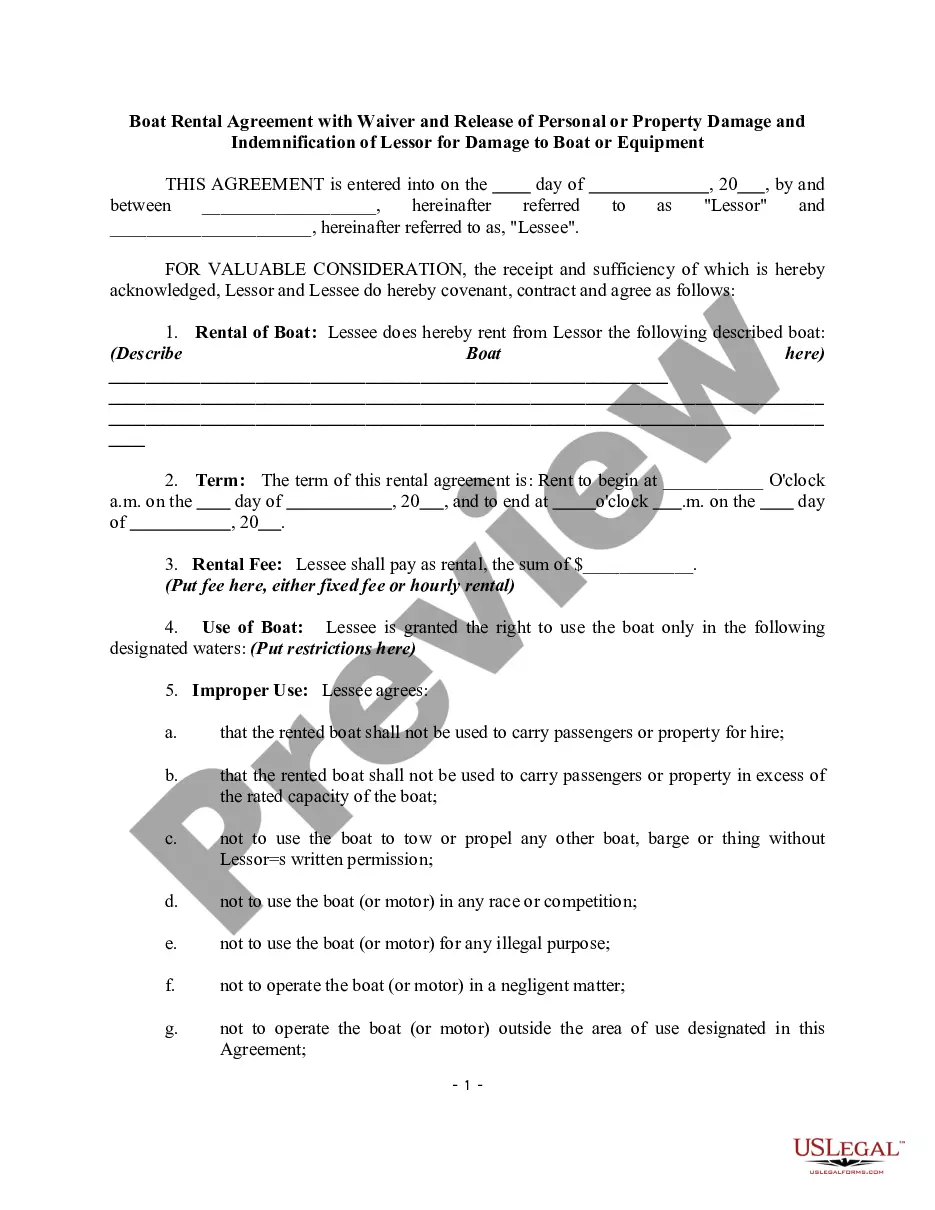
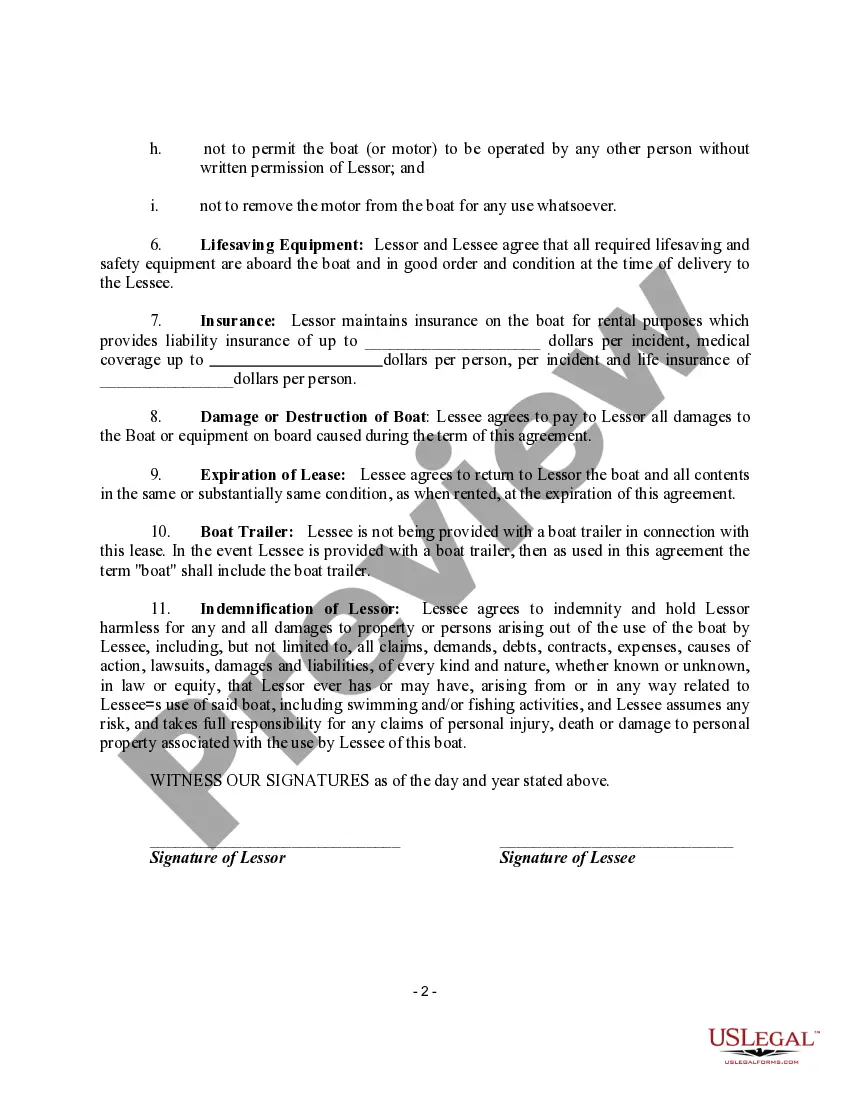
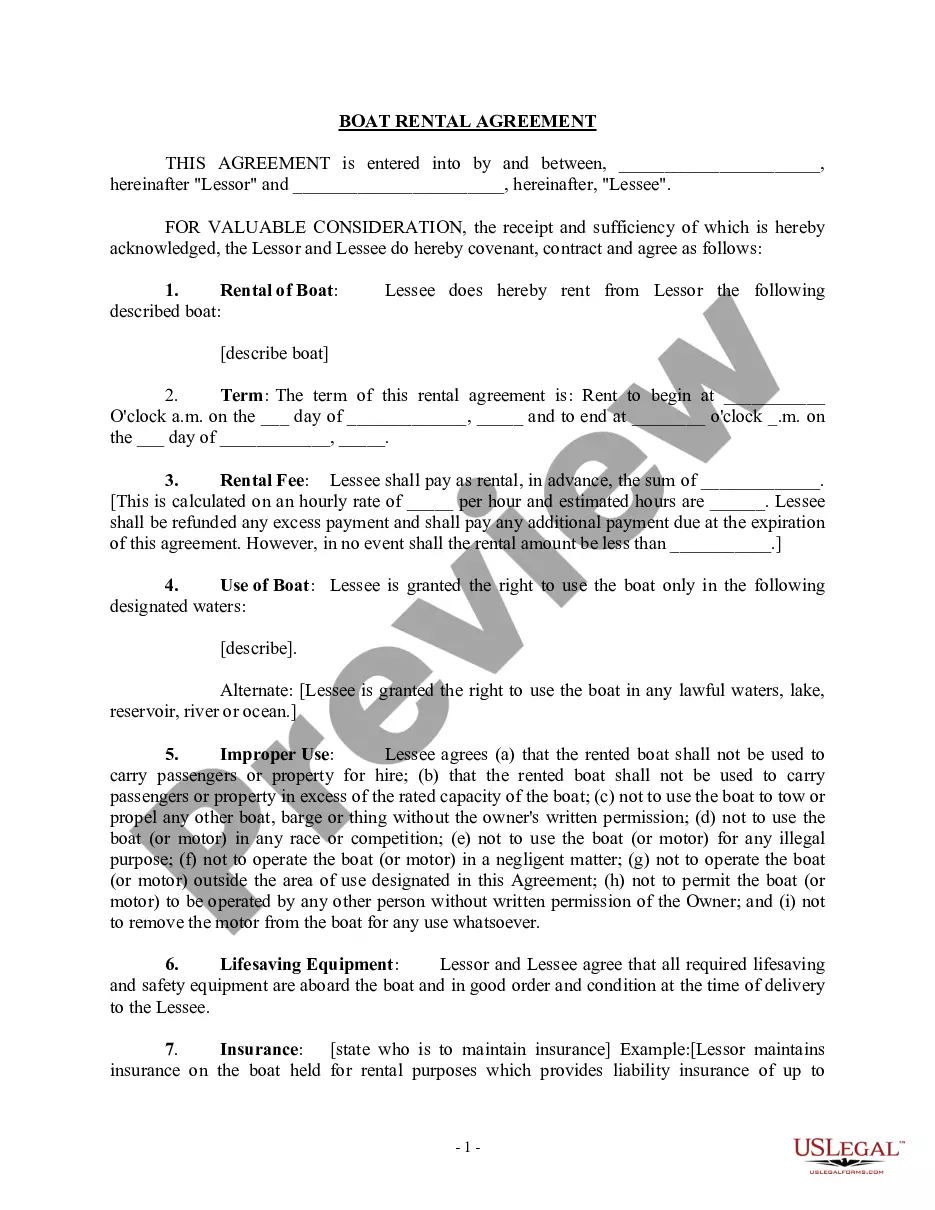
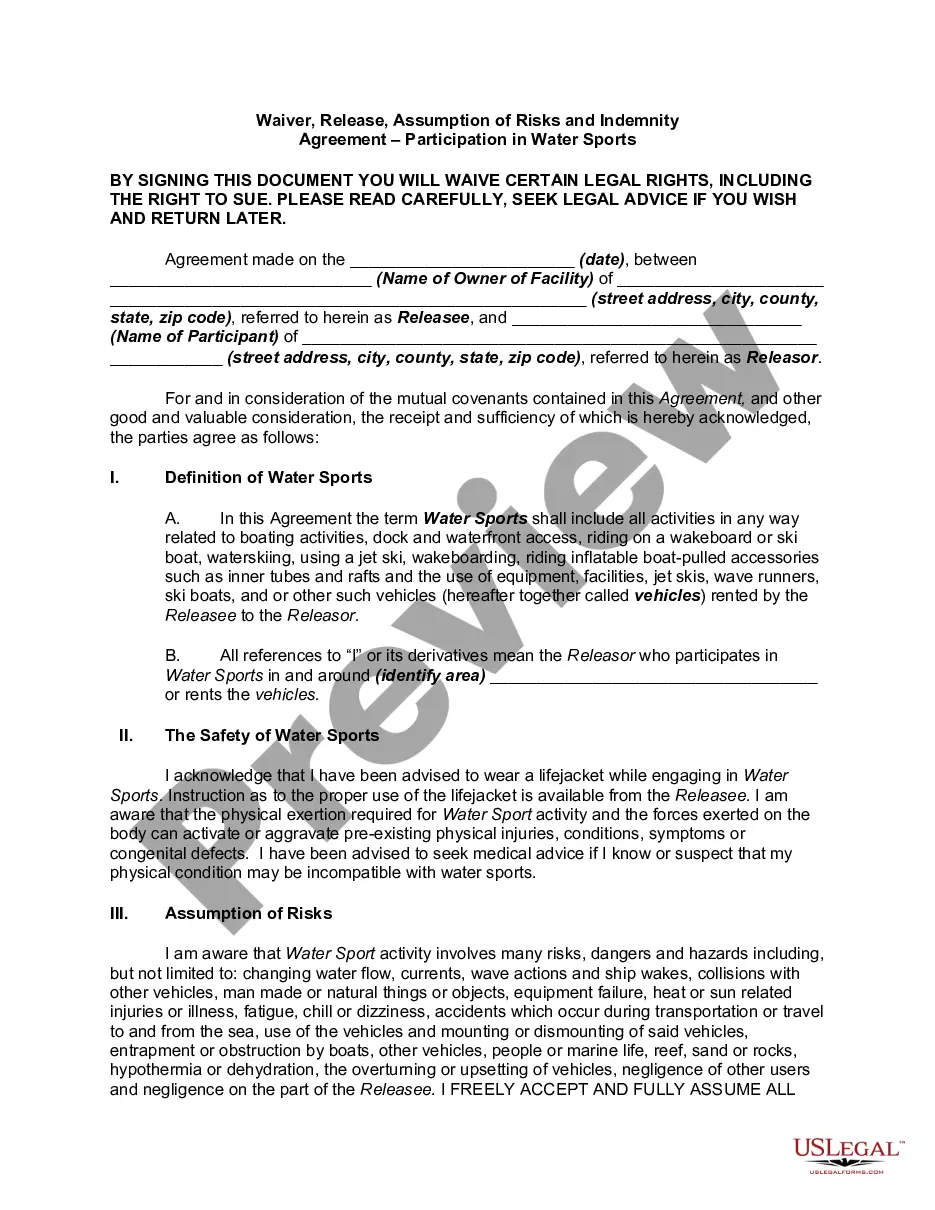
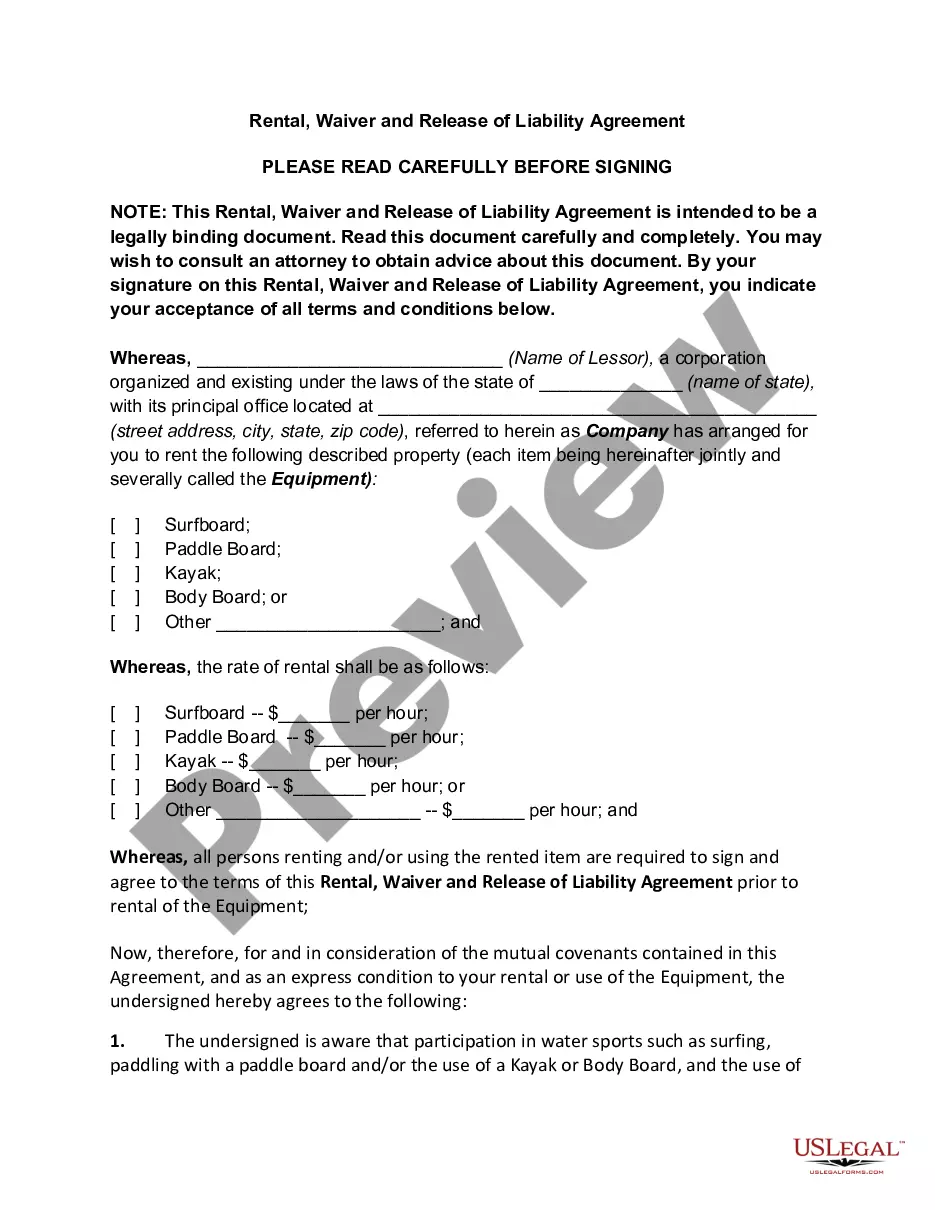
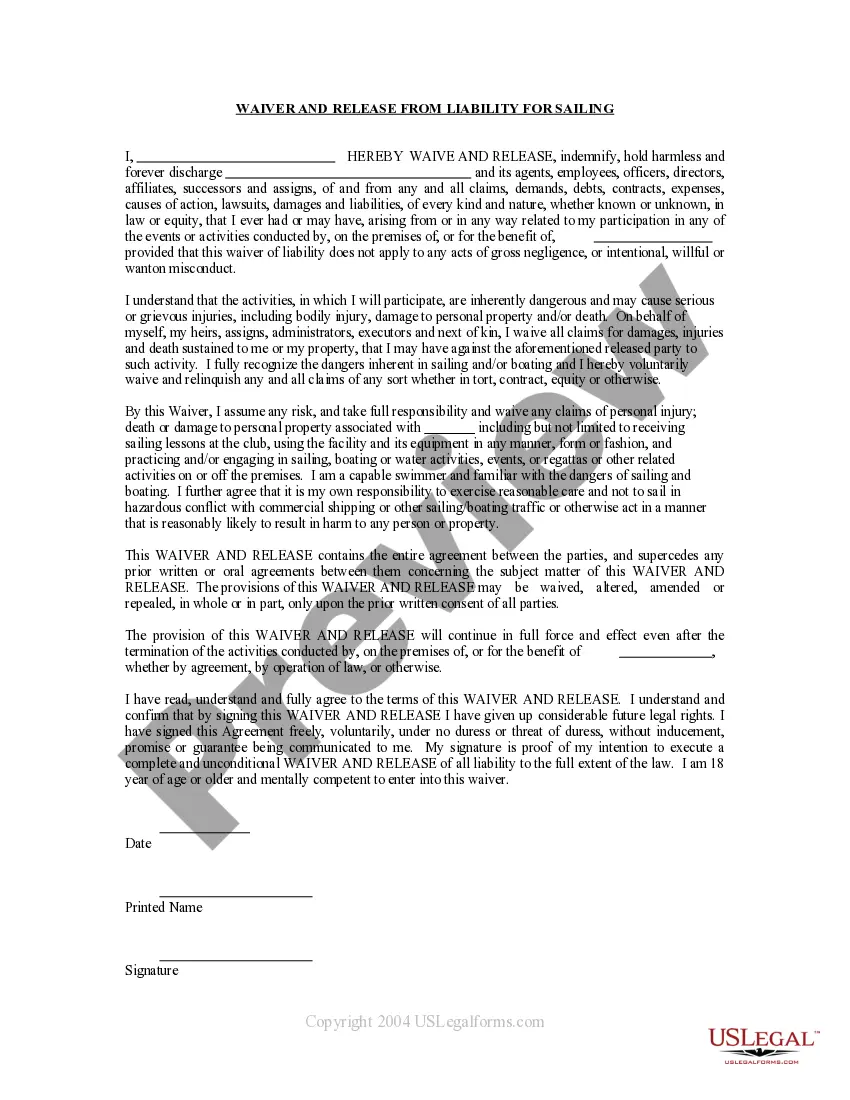
Get your form ready online
Our built-in tools help you complete, sign, share, and store your documents in one place.
Make edits, fill in missing information, and update formatting in US Legal Forms—just like you would in MS Word.
Download a copy, print it, send it by email, or mail it via USPS—whatever works best for your next step.
Sign and collect signatures with our SignNow integration. Send to multiple recipients, set reminders, and more. Go Premium to unlock E-Sign.
If this form requires notarization, complete it online through a secure video call—no need to meet a notary in person or wait for an appointment.
We protect your documents and personal data by following strict security and privacy standards.

Make edits, fill in missing information, and update formatting in US Legal Forms—just like you would in MS Word.

Download a copy, print it, send it by email, or mail it via USPS—whatever works best for your next step.

Sign and collect signatures with our SignNow integration. Send to multiple recipients, set reminders, and more. Go Premium to unlock E-Sign.

If this form requires notarization, complete it online through a secure video call—no need to meet a notary in person or wait for an appointment.

We protect your documents and personal data by following strict security and privacy standards.
Looking for another form?









Form popularity
FAQ
The company's supply chain strategy is to almost entirely outsource production to countries where wages and costs are significantly lower than in Western countries. This has enabled Nike's success from the beginning and allowed the company to focus its energy on product development, marketing, and distribution.
Key Takeaways Nike is the largest seller of athletic apparel and footwear, generating nearly $37.5 billion in sales. Most of its products are sourced from China, Vietnam, Indonesia, and Thailand. Major suppliers include Pou Chen, PT Pan Brothers, Fulgent Sun International, Delta Galil, and Eagle Nice.
Around 103 strategic suppliers now produce 80% of Nike's products across key manufacturing hubs in countries like Vietnam, China, and Indonesia. This strategic approach ensures no single factory dominates production, maintaining flexibility and resilience in the supply chain.
Nike has contracted with more than 700 shops around the world and has offices located in 45 countries outside the United States. Most of the factories are located in Asia, including Indonesia, China, Taiwan, India, Thailand, Vietnam, Pakistan, Philippines, and Malaysia.
Nike has manufacturing locations across various countries, especially in Asia. This includes Indonesia, the Philippines, Japan and Vietnam. They also have manufacturing sites in other countries, including in Italy. However, most of its sites are found in China.
From a sleepy little town in Oregon, Nike has grown into the world's largest athletic footwear and apparel company. We started with a shoe and a t-shirt. Today we're a diversified and complex global organization: We sell our products in 170 countries.
Most Nike shoes are made in Vietnam, China, and Indonesia today. While design and innovation happen in the United States, materials are sourced worldwide, and thousands are employed in factories around the globe. This global approach has helped Nike become an athletic footwear and apparel leader.