Rental Agreement with multiple roommates
What is this form?
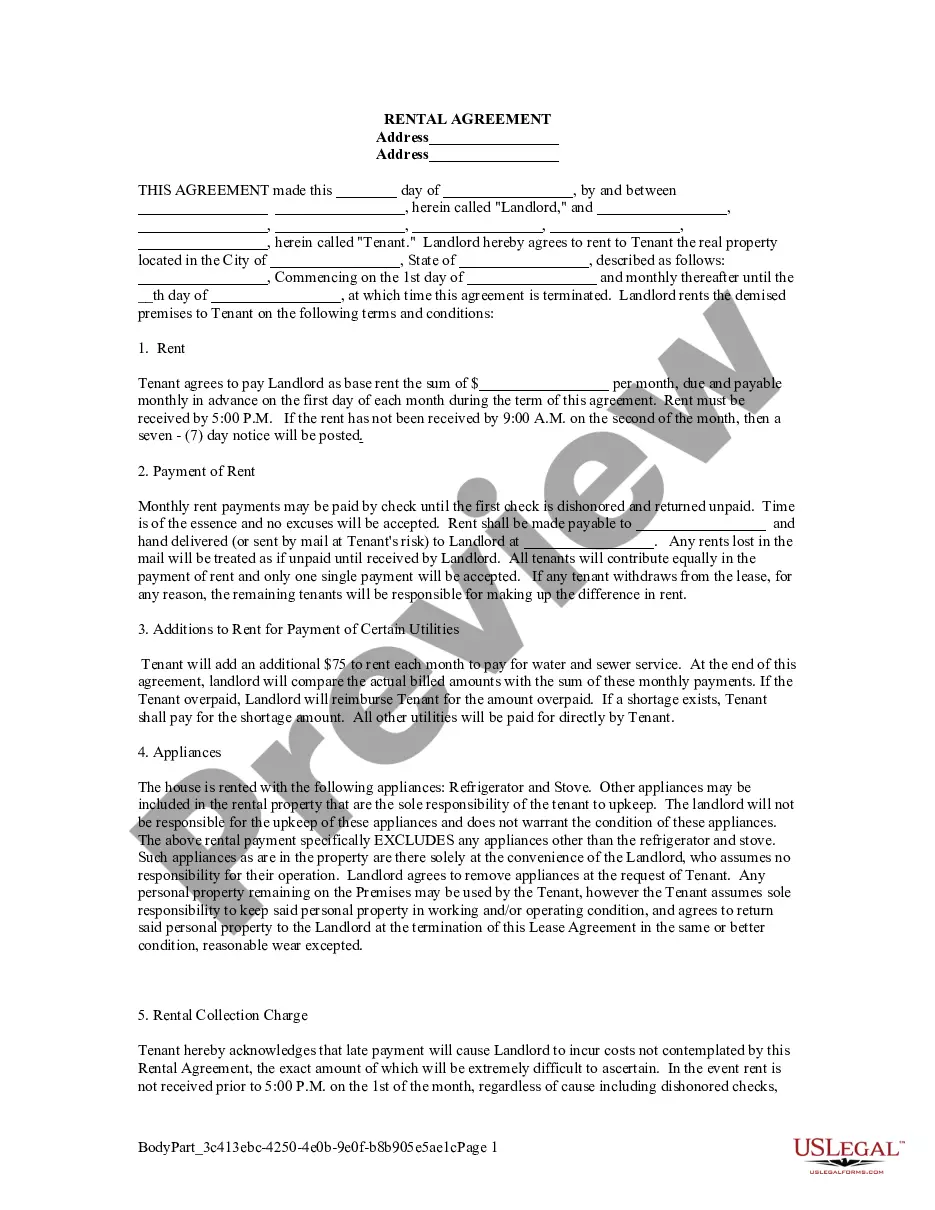
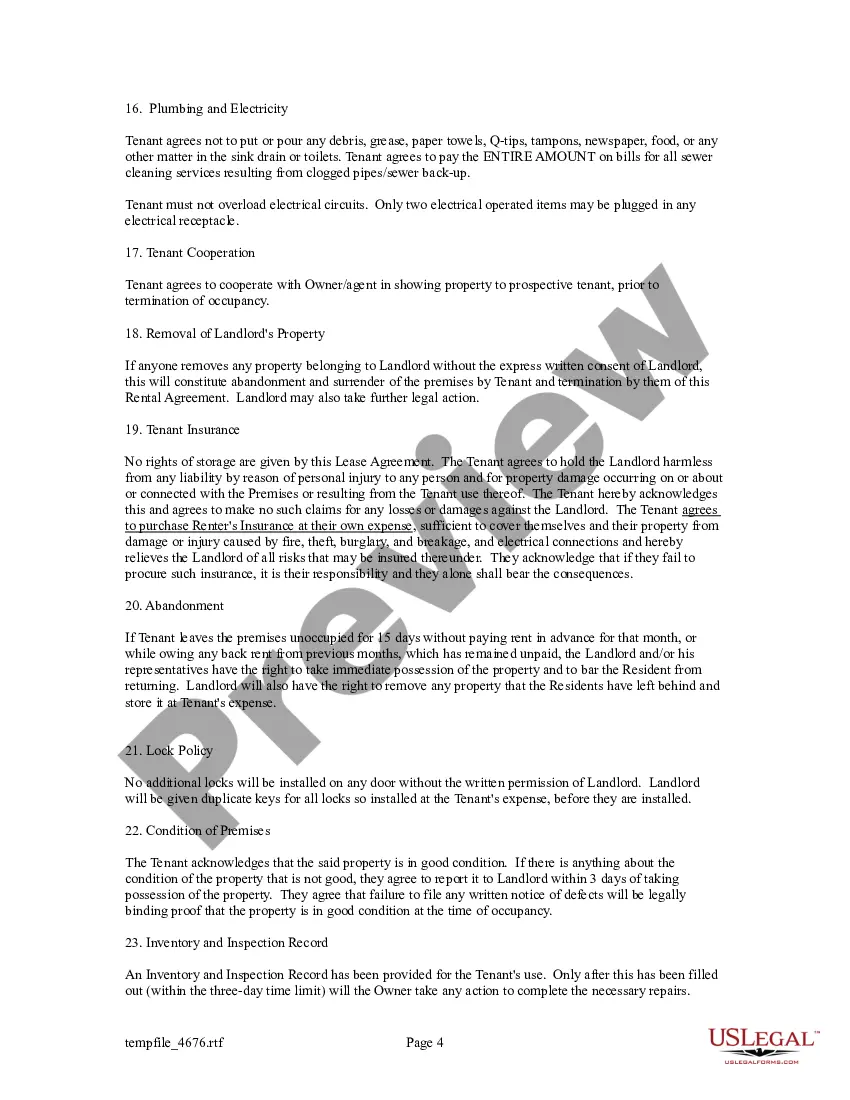
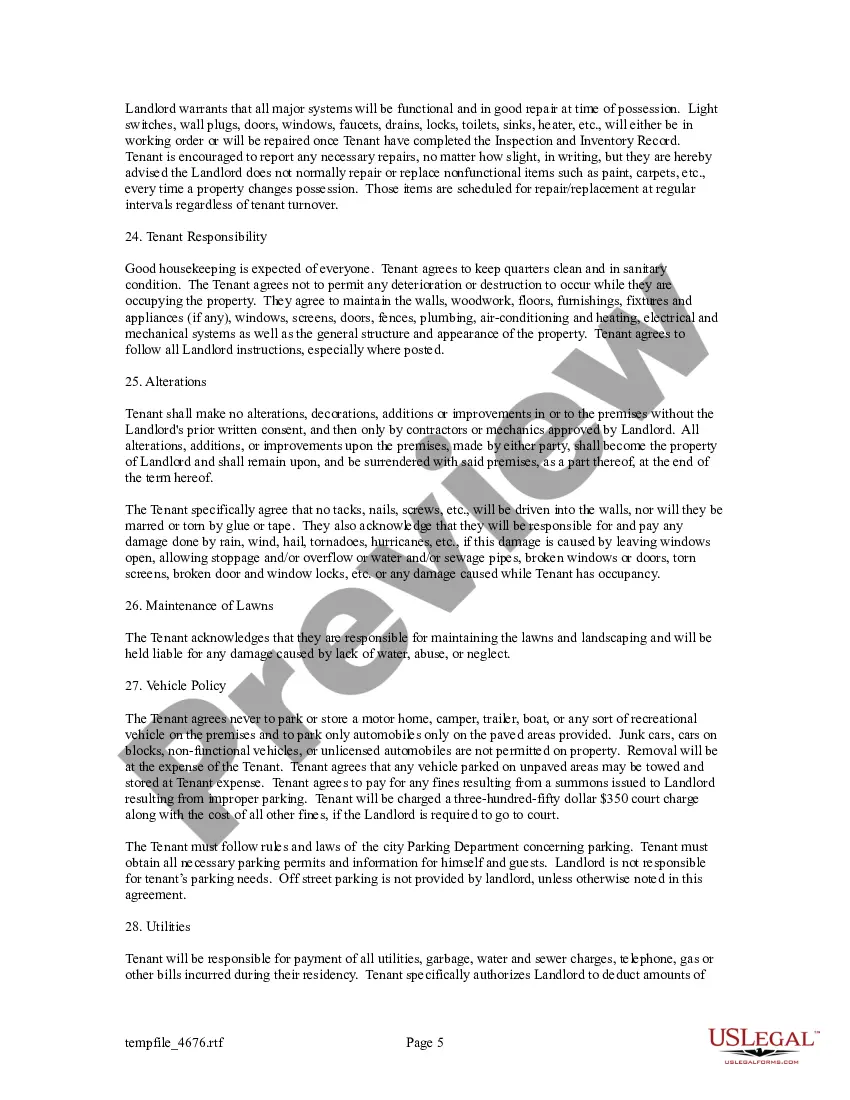
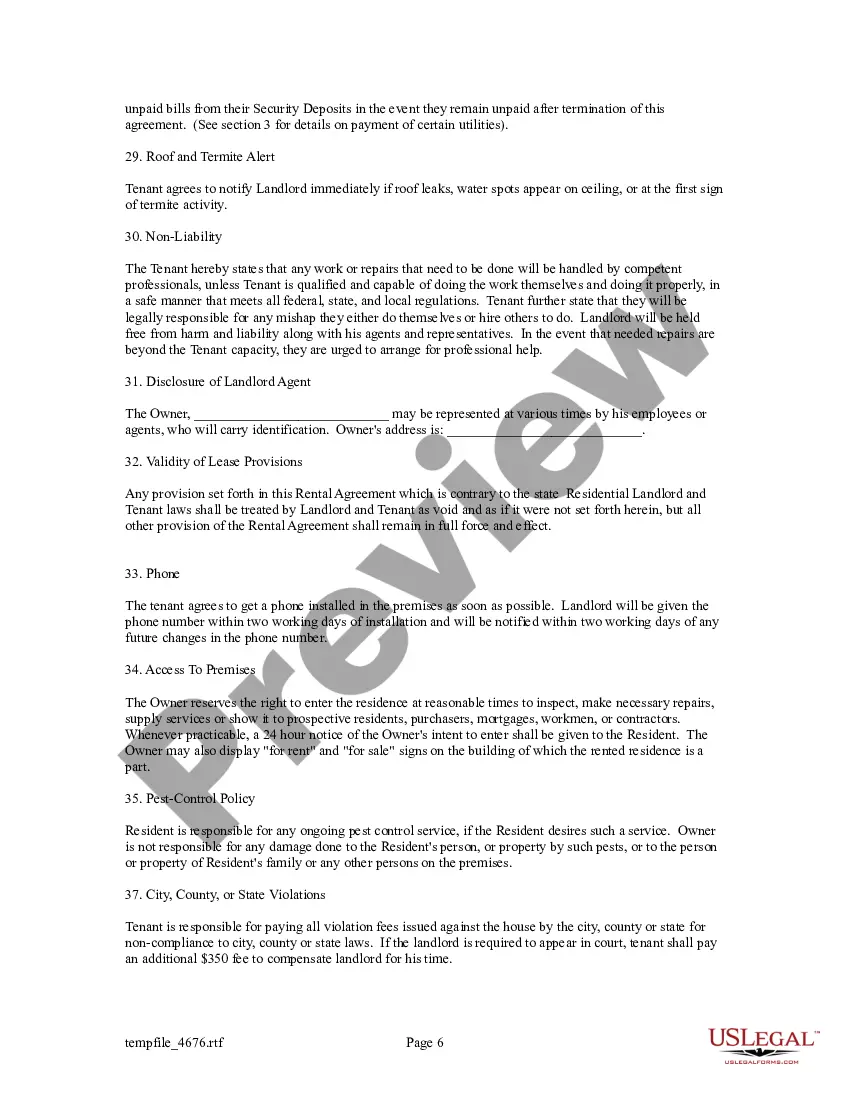
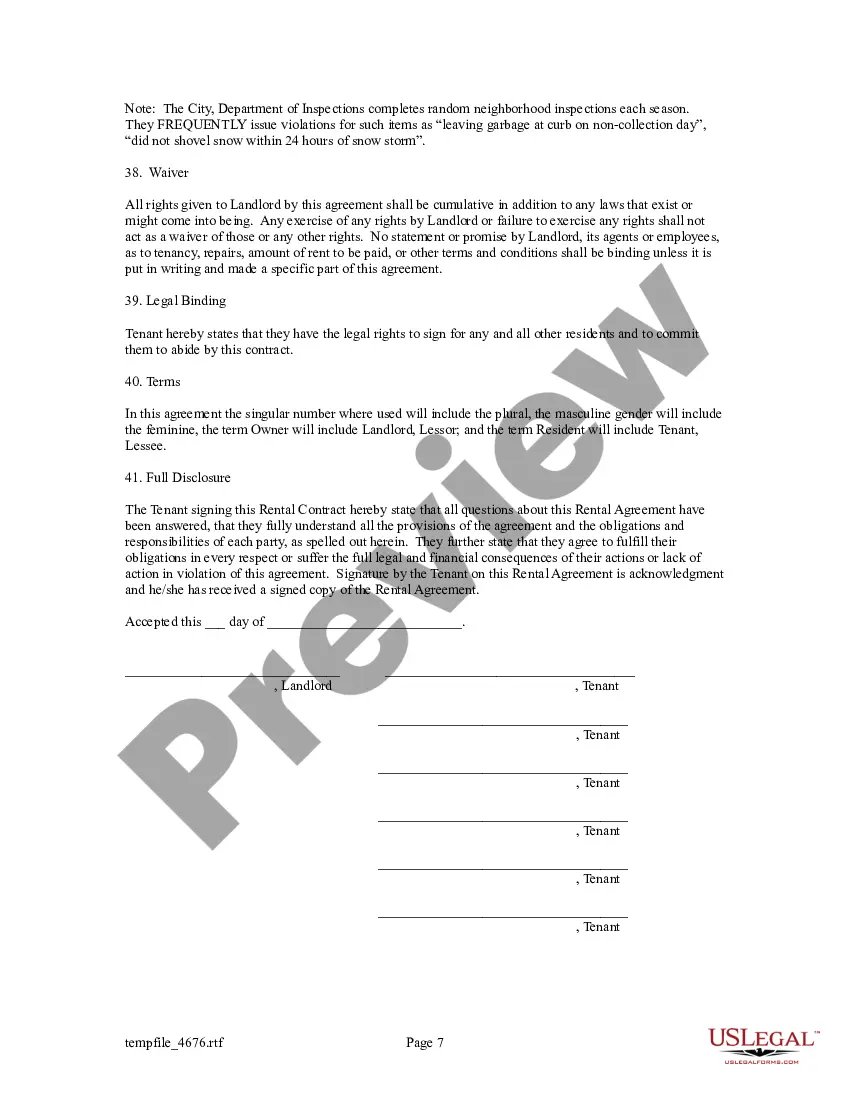
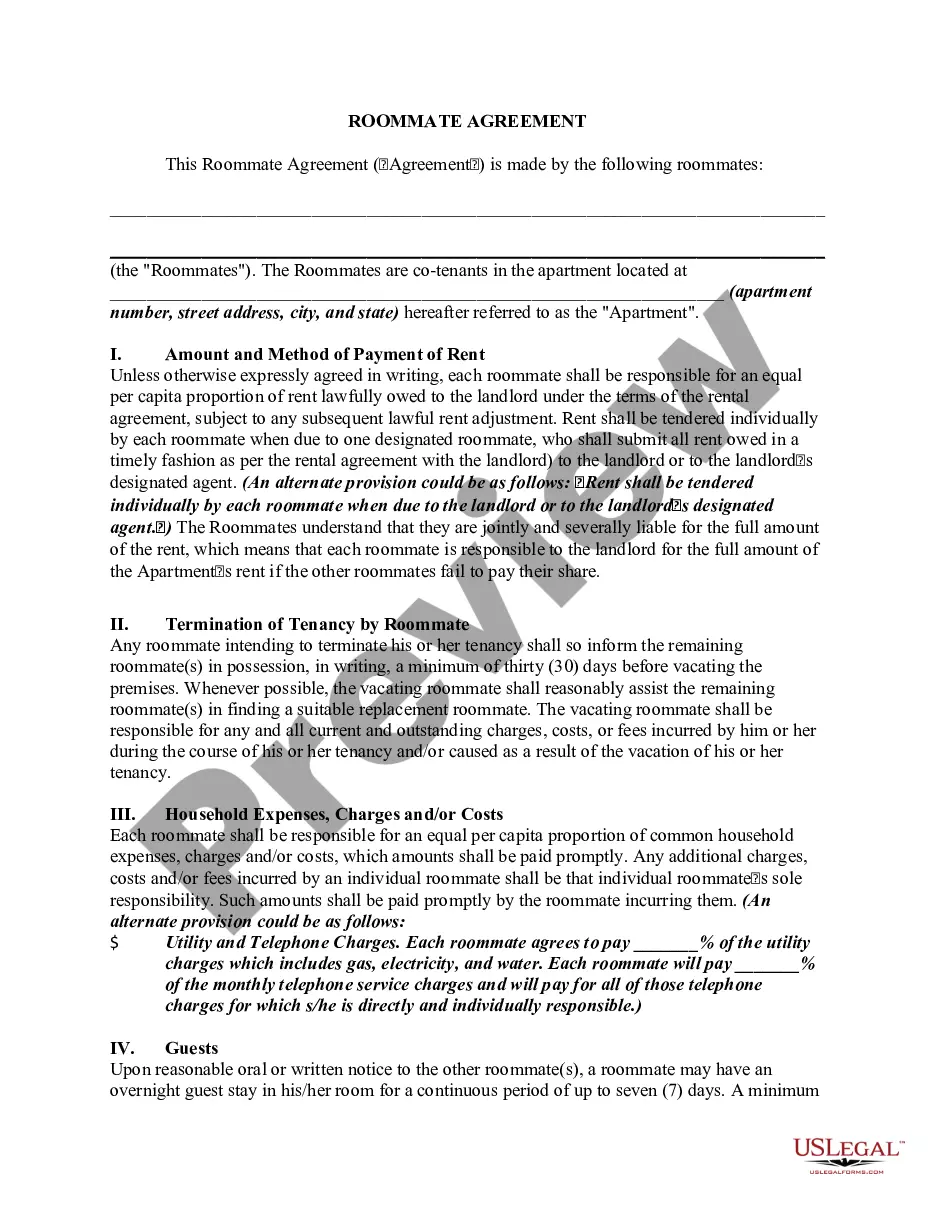
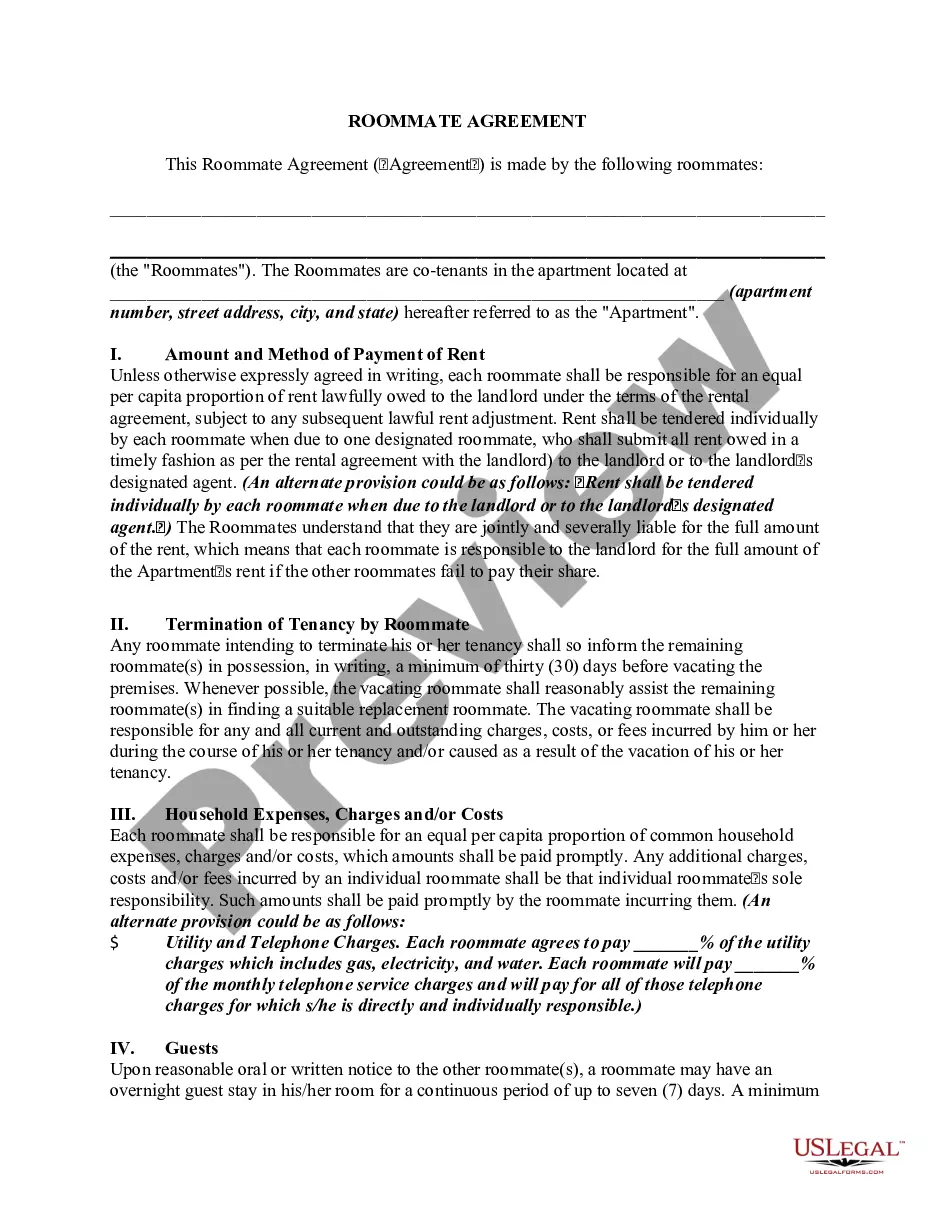
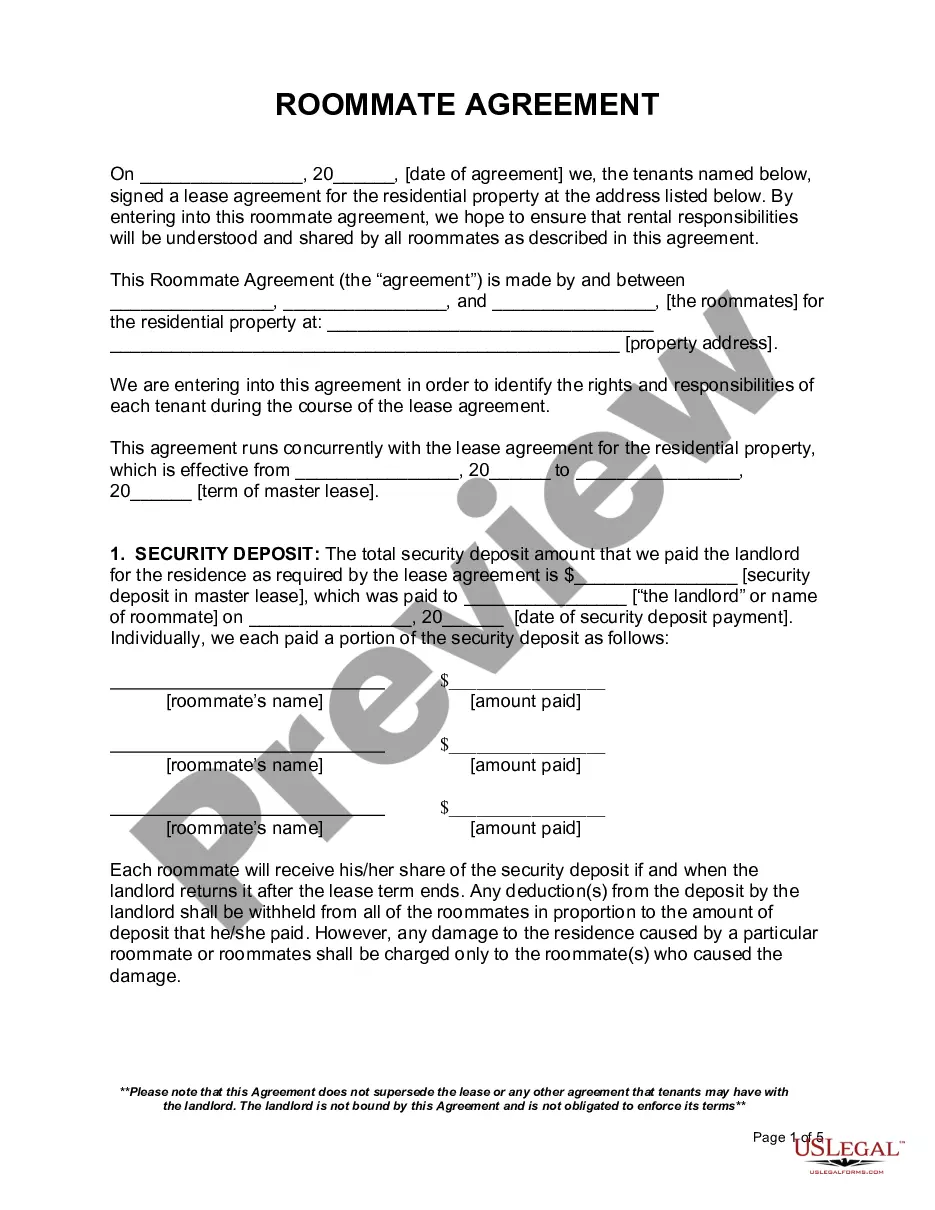
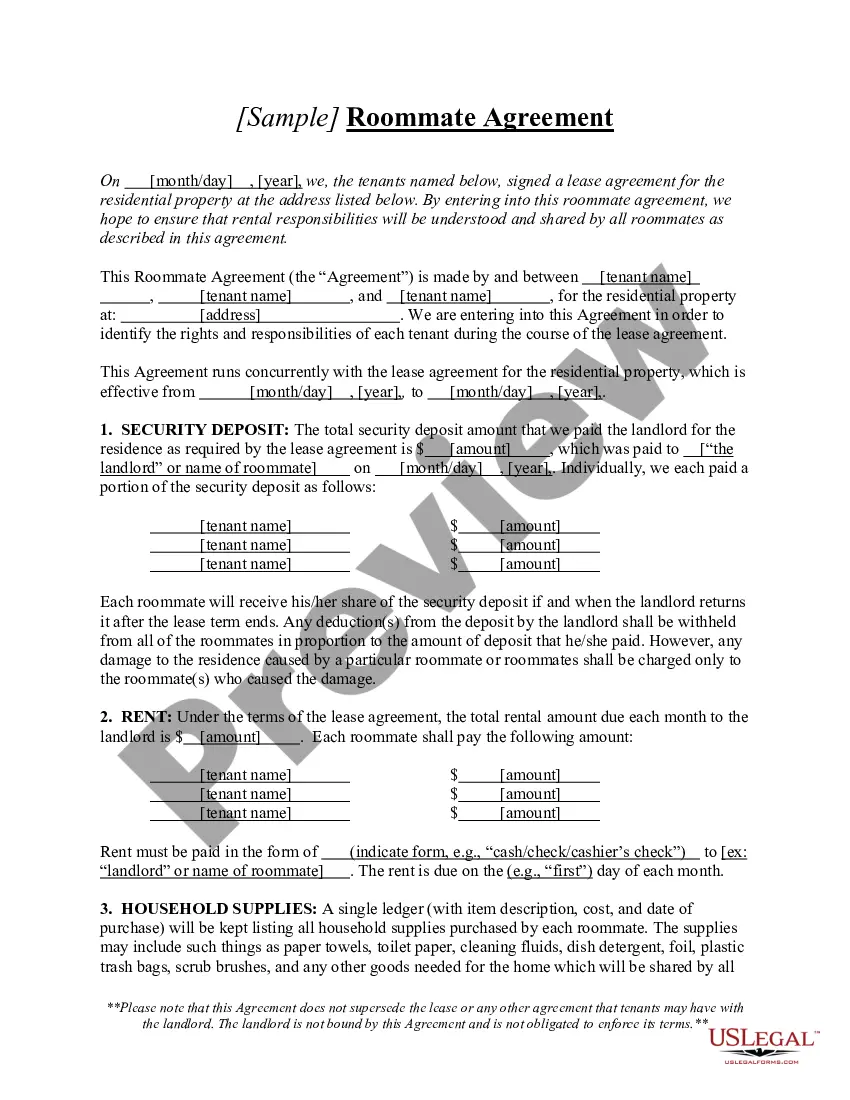
The Rental Agreement with multiple roommates is a legally binding document that outlines the terms of a rental relationship between a landlord and multiple tenants. It specifies the rights and responsibilities of each party regarding the rental of a residential property. This form is essential for defining how the rent will be divided, the obligations of each tenant, and the conditions under which the property must be maintained, setting it apart from simpler rental agreements that may not accommodate multiple tenants.
Key components of this form
- Address of the rental property
- Names of the landlord and all tenants
- Monthly rent amount and payment terms
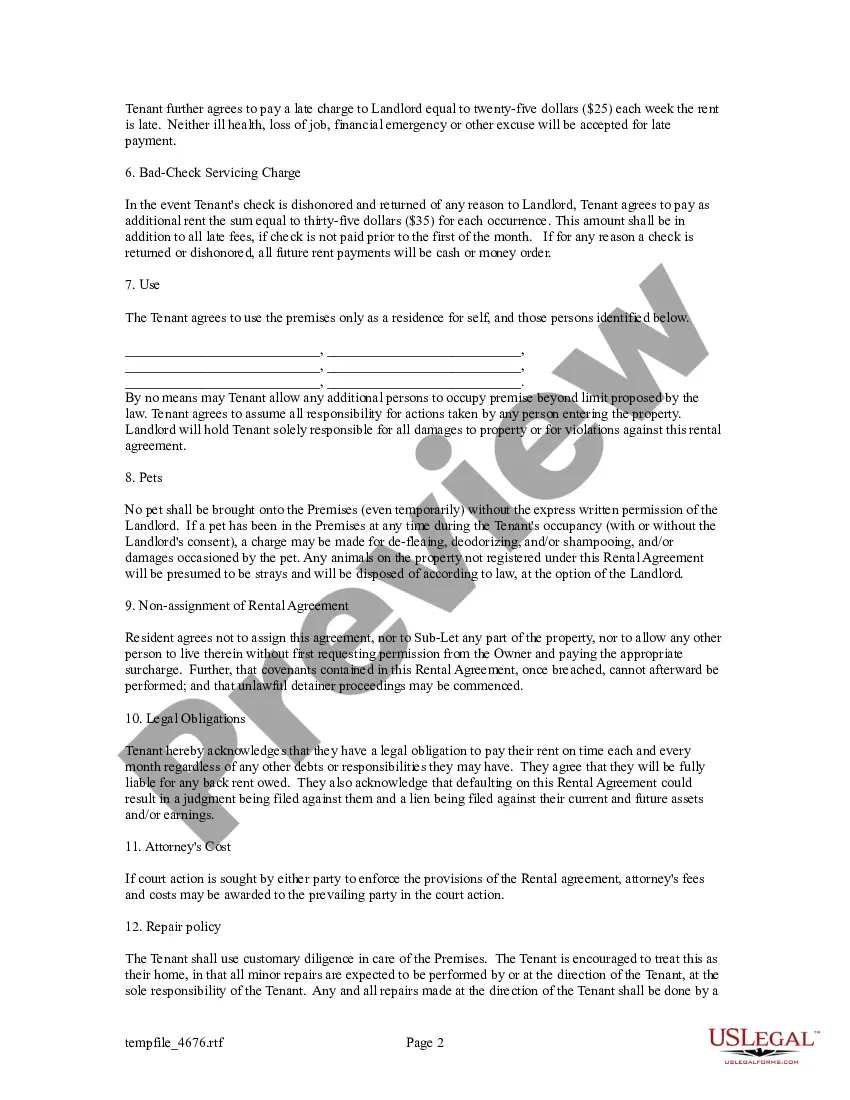
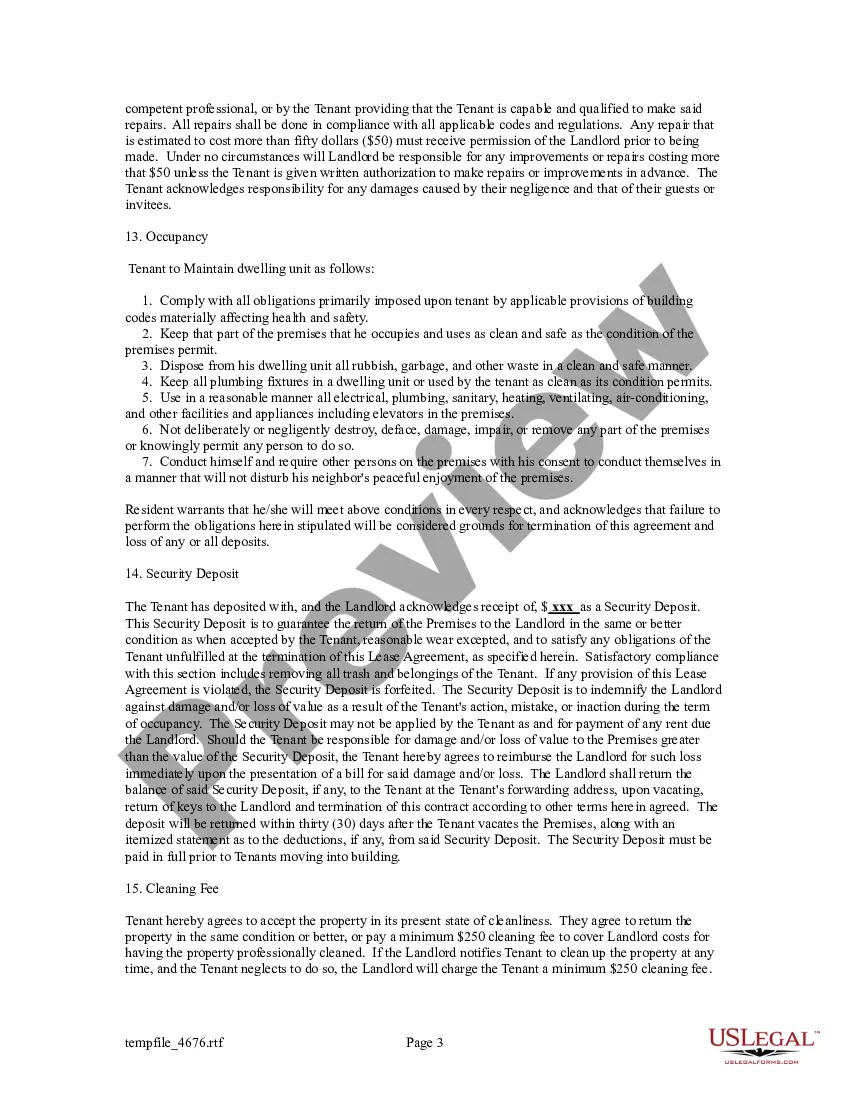
- Provisions for utilities and appliance upkeep
- Security deposit details and cleaning fees
- Occupancy limits and pet policies

When to use this form
This form should be used when multiple individuals intend to rent a property together. It is ideal for households with roommates who need to clarify their shared responsibilities and rights. Situations such as college students living together, professional sharers, or friends cohabitating in a rental unit are typical scenarios where this agreement is applicable.
Who should use this form
Eligible users of this Rental Agreement include:
- Landlords who rent to multiple roommates
- Roommates entering into a shared living arrangement
- Individuals looking to clarify their rental terms to avoid disputes
How to prepare this document
- Identify and enter the landlord and tenant names.
- Specify the rental property's address and description.
- Fill in the rental amount, payment dates, and utility responsibilities.
- Agree on any additional terms like cleaning fees and pet permissions.
- All parties should sign and date the document to finalize the agreement.
Is notarization required?
This form does not typically require notarization unless specified by local law. It is recommended to check any jurisdictional requirements to ensure compliance.
Get your form ready online
Our built-in tools help you complete, sign, share, and store your documents in one place.
Make edits, fill in missing information, and update formatting in US Legal Forms—just like you would in MS Word.
Download a copy, print it, send it by email, or mail it via USPS—whatever works best for your next step.
Sign and collect signatures with our SignNow integration. Send to multiple recipients, set reminders, and more. Go Premium to unlock E-Sign.
If this form requires notarization, complete it online through a secure video call—no need to meet a notary in person or wait for an appointment.
We protect your documents and personal data by following strict security and privacy standards.

Make edits, fill in missing information, and update formatting in US Legal Forms—just like you would in MS Word.

Download a copy, print it, send it by email, or mail it via USPS—whatever works best for your next step.

Sign and collect signatures with our SignNow integration. Send to multiple recipients, set reminders, and more. Go Premium to unlock E-Sign.

If this form requires notarization, complete it online through a secure video call—no need to meet a notary in person or wait for an appointment.

We protect your documents and personal data by following strict security and privacy standards.
Avoid these common issues
- Failing to include all tenant names, which may lead to disputes.
- Not specifying how utilities will be divided can cause confusion later.
- Missing signatures or dates can invalidate the agreement.
- Not carefully reading through all terms before agreeing to them.
Why complete this form online
- Convenience of downloading and filling out the agreement at your own pace.
- Ability to edit and customize terms to fit your specific rental situation.
- Access to professionally drafted templates, ensuring legal compliance.
- Secure storage and easy retrieval of your legal documents when needed.
Quick recap
- This form facilitates clear agreements between landlords and multiple tenants.
- It includes provisions that protect the interests of all parties involved.
- Utilizing this Rental Agreement helps avoid potential disputes and misunderstandings.
Looking for another form?


Form popularity
FAQ
Verb. lease or rent all or part of (a leased or rented property) to another person. ?We sublet our apartment over the summer? synonyms: sublease.
Joint and several liability are also cited in laws. For example, employers are generally responsible for injuries suffered to their employees on the job. If a construction worker ruptures a pipe in a house, the homeowner and employer might be held jointly and severally liable for the damages under state law.
A landlord is a person or entity who owns real estate for rent or lease to a tenant.
Joint and several liability is a rule followed in some states, in which two or more parties can be held independently liable for the full amount of a personal injury plaintiff's damages, regardless of their respective degrees of fault. The parties that are found responsible for the accident are known as tortfeasors.
There is a basic difference between joint liability and several liability. The term joint liability refers to the share of liability assigned to two or more parties involved in a business. Several liability refers to a situation when all parties are liable for their respective contribution to the tortious act.
Joint and several liability is a legal term for a responsibility shared by two or more parties to a lawsuit. A wronged party may sue any or all of them, as well as collect the total damages awarded by a court from any or all of them. In such cases, responsibility for the total amount awarded would be shared by all.
If an agreement states that you and your roommate(s) are "jointly and severally liable," it's confirming that you're individually and collectively liable for the entire rent. In the event that your roommate(s) fail(s) to pay, you can be held responsible for his/her portion of the rent.
In summary, Washington State landlord-tenant law allows you, a named party on a lease, to evict a subletter, but not a proper ?roommate?. Anyone living in your apartment who is also on the lease is a roommate. Anyone living in your apartment who is not on the lease is a subletter.