Personal Injury Release Form Template In Utah
Description

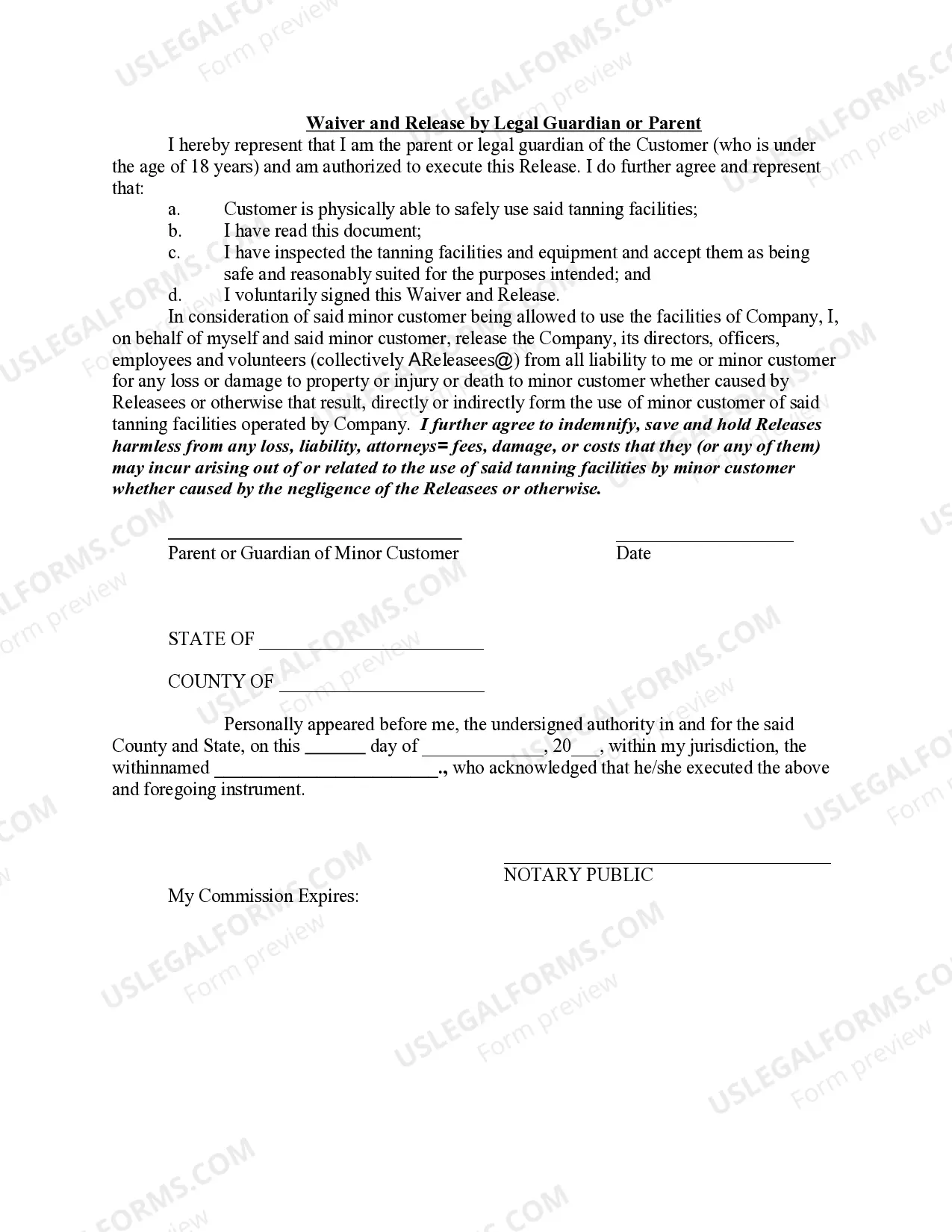
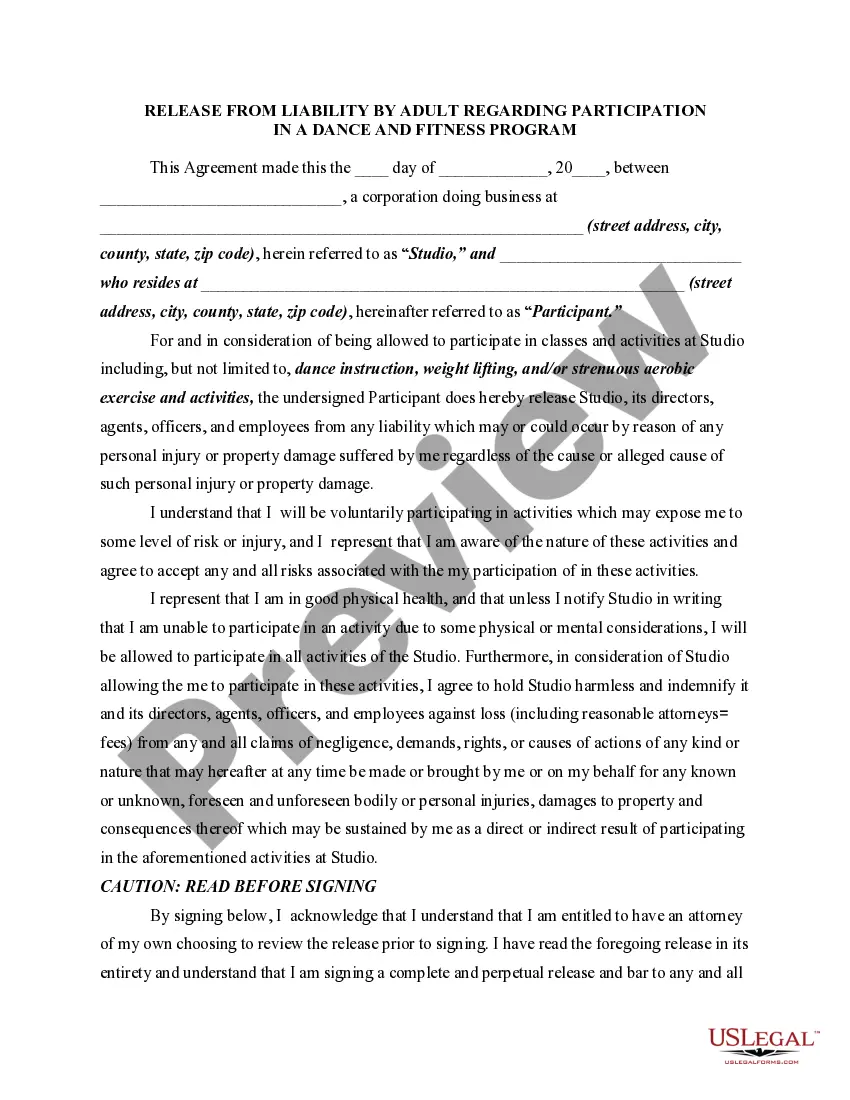
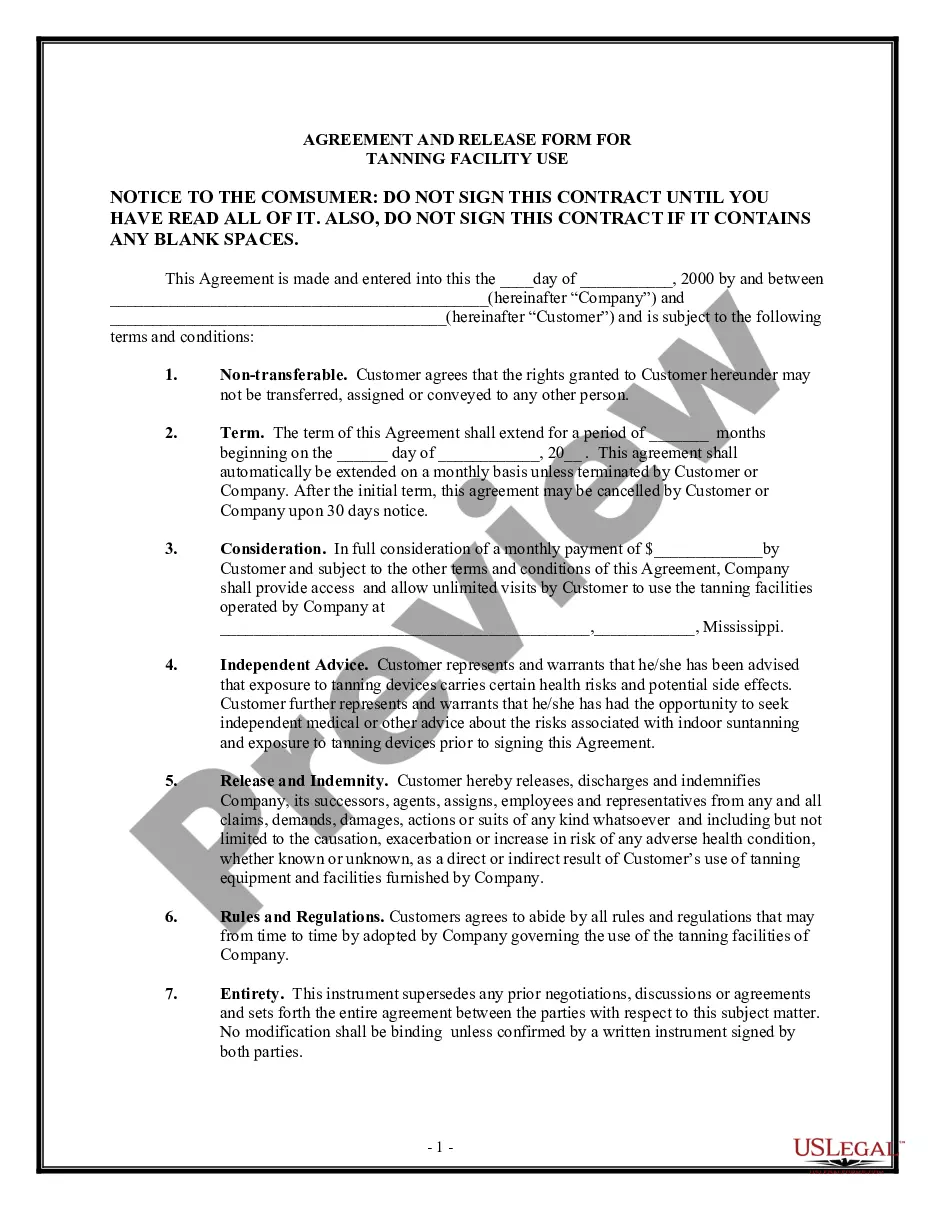
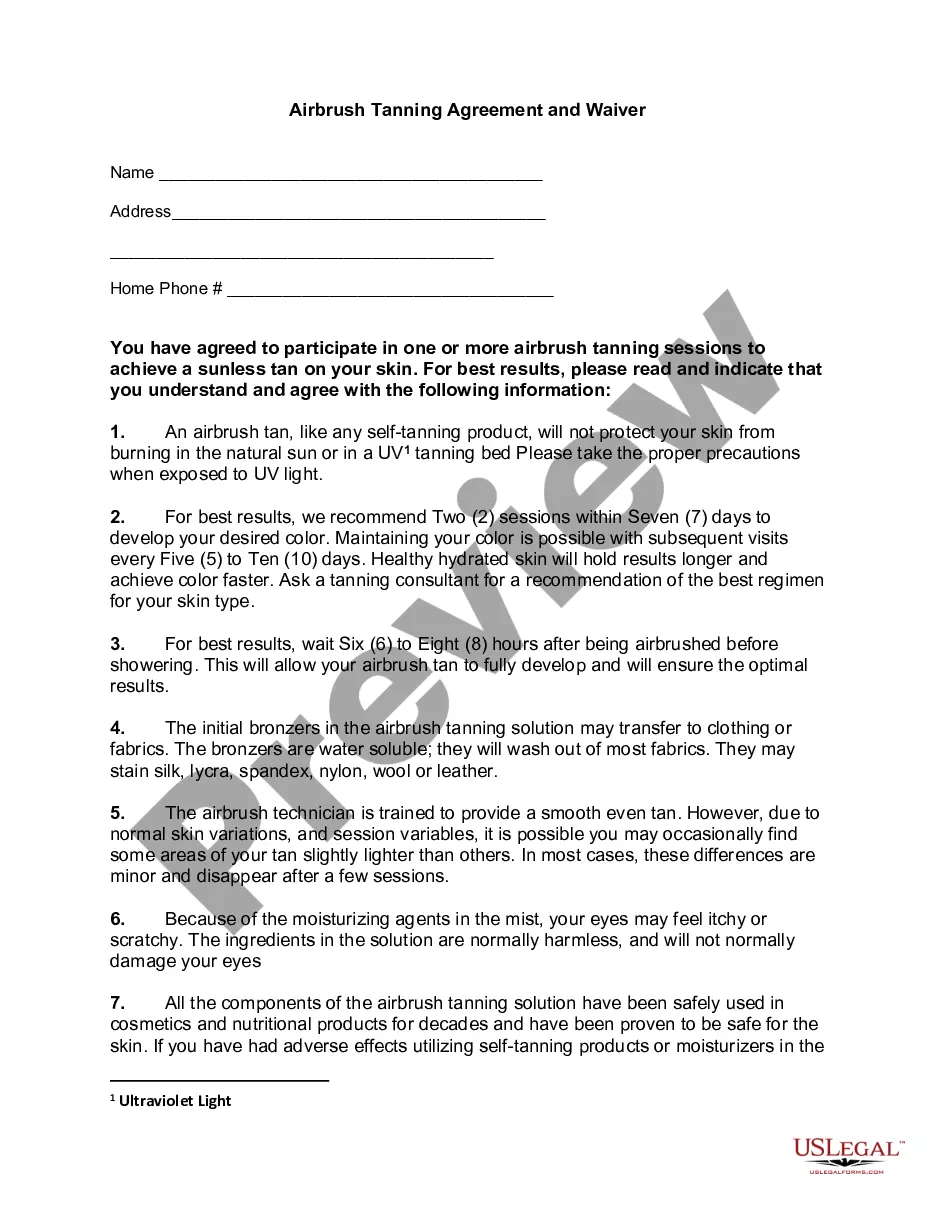
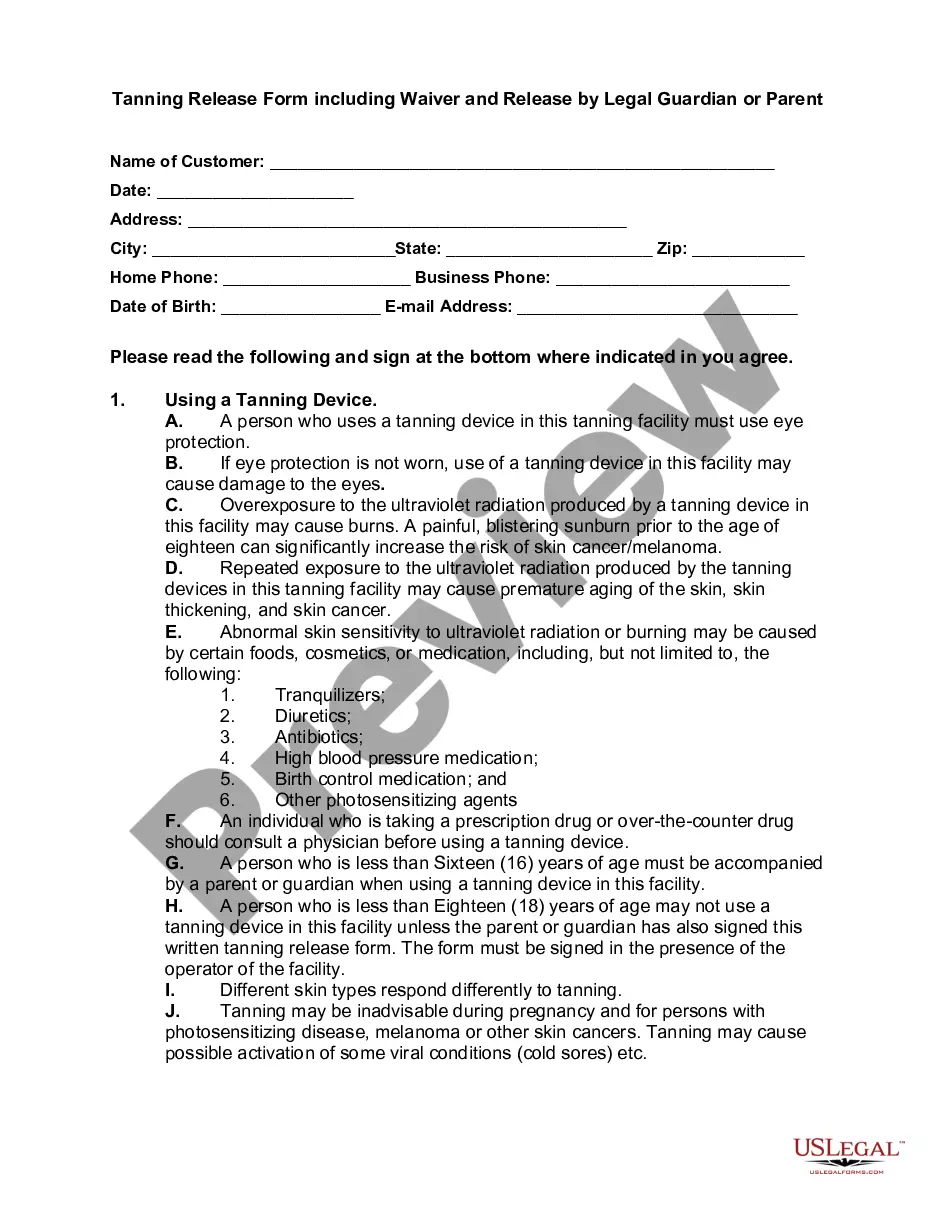
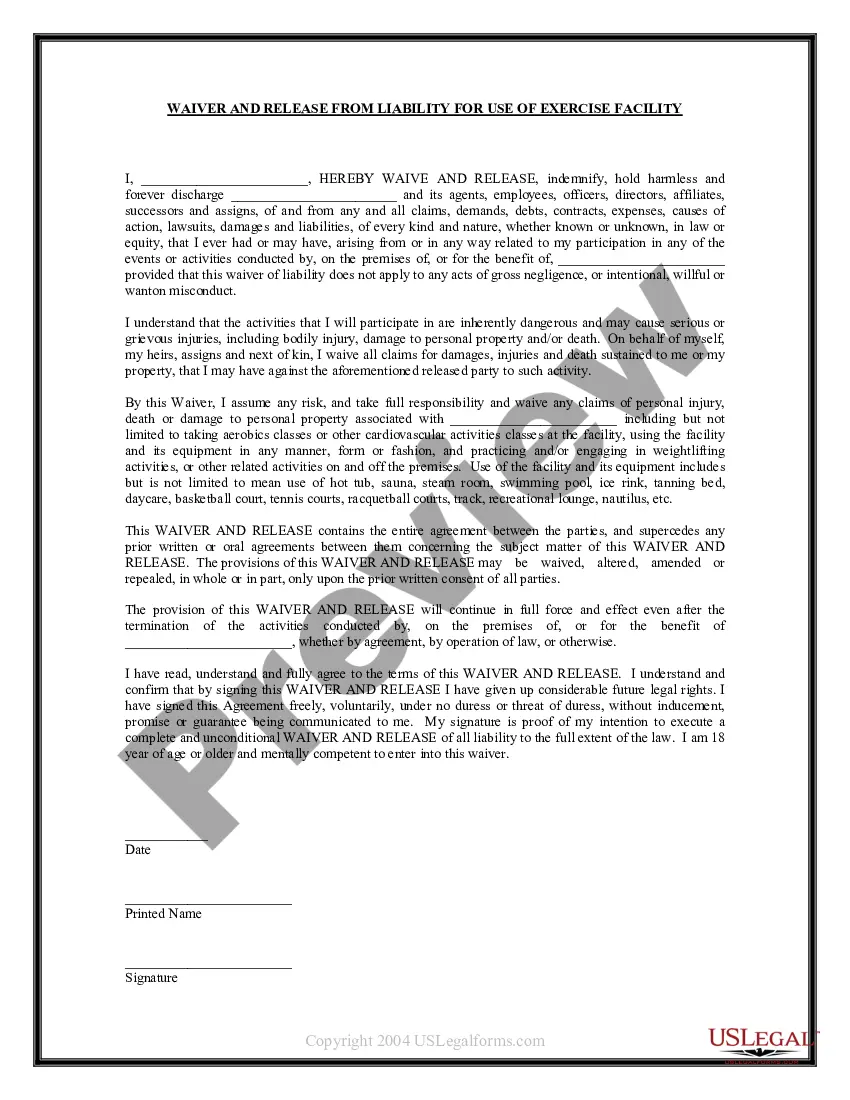
Get your form ready online
Our built-in tools help you complete, sign, share, and store your documents in one place.
Make edits, fill in missing information, and update formatting in US Legal Forms—just like you would in MS Word.
Download a copy, print it, send it by email, or mail it via USPS—whatever works best for your next step.
Sign and collect signatures with our SignNow integration. Send to multiple recipients, set reminders, and more. Go Premium to unlock E-Sign.
If this form requires notarization, complete it online through a secure video call—no need to meet a notary in person or wait for an appointment.
We protect your documents and personal data by following strict security and privacy standards.

Make edits, fill in missing information, and update formatting in US Legal Forms—just like you would in MS Word.

Download a copy, print it, send it by email, or mail it via USPS—whatever works best for your next step.

Sign and collect signatures with our SignNow integration. Send to multiple recipients, set reminders, and more. Go Premium to unlock E-Sign.

If this form requires notarization, complete it online through a secure video call—no need to meet a notary in person or wait for an appointment.

We protect your documents and personal data by following strict security and privacy standards.
Looking for another form?








Form popularity
FAQ
Key Takeaways On How To Write A Waiver Choose a waiver template. Determine the type of activity or service. State the purpose of the waiver. Identify the risks. Include a title. Include customer information. Include waiver terms. Include a statement of understanding.
How to Write a Release of Liability Form Fill in the information of both parties, including each person's name and address. Include the details of the event. Add if there is a payment required by the releasee. Write a section for signatures, which will contain the names and dates of both parties.
Additionally, I agree to be held solely responsible if my negligence, willful misconduct, or disregard for the rules of Activity.Name leads to damage to others or to Sender. Company property. Any legal manners arising from this release of liability shall take place in the state of Sender. State as agreed.
You can file an I-601 Waiver application by yourself. However, you are very strongly advised against doing so. You should hire an experienced immigration lawyer to assist and represent you in the preparation and filing of your application for an I-601 Waiver.
Example of a waiver introduction: “This Waiver Agreement ('Agreement') is entered into on Date, by and between Party A and Party B. By signing this Agreement, Party B acknowledges the inherent risks associated with Activity/Event and hereby waives all rights to hold Party A liable for any resultant claims.”
“I am voluntarily participating in this Activity. I understand that there are risks associated with my participation in this Activity, such as physical and/or psychological injury, pain, suffering, illness, disfigurement, temporary or permanent disability, death or economic loss.
I hereby forever release, waive, relinquish, and discharge the Company and all Releasees from any and all claims, demands, liabilities, rights, damages, expenses, and causes of action of whatever kind or nature, and other losses of any kind, whether known or unknown, foreseen or unforeseen, as a result of my ...
Liability waivers are also known as hold harmless agreements for a reason. A hold harmless clause, also known as an exculpatory clause or release of liability clause, is a standard waiver clause that states that one party won't hold the other liable for damages, losses, or costs associated with incurred legal issues.
What is a Release Form? A release form, or general release form, is a legal document that serves as consent in writing to release the legal liability of a releasee by a releasor. The document is a formal acknowledgment that, once signed, is a legal release of all a releasee obligations within an agreement.
A release of liability, also known as a liability waiver or a hold harmless agreement, is a contract in which one party agrees not to hold another party liable for damages or injury. These contracts are common in fields that involve some risk to property, finances, or health.
