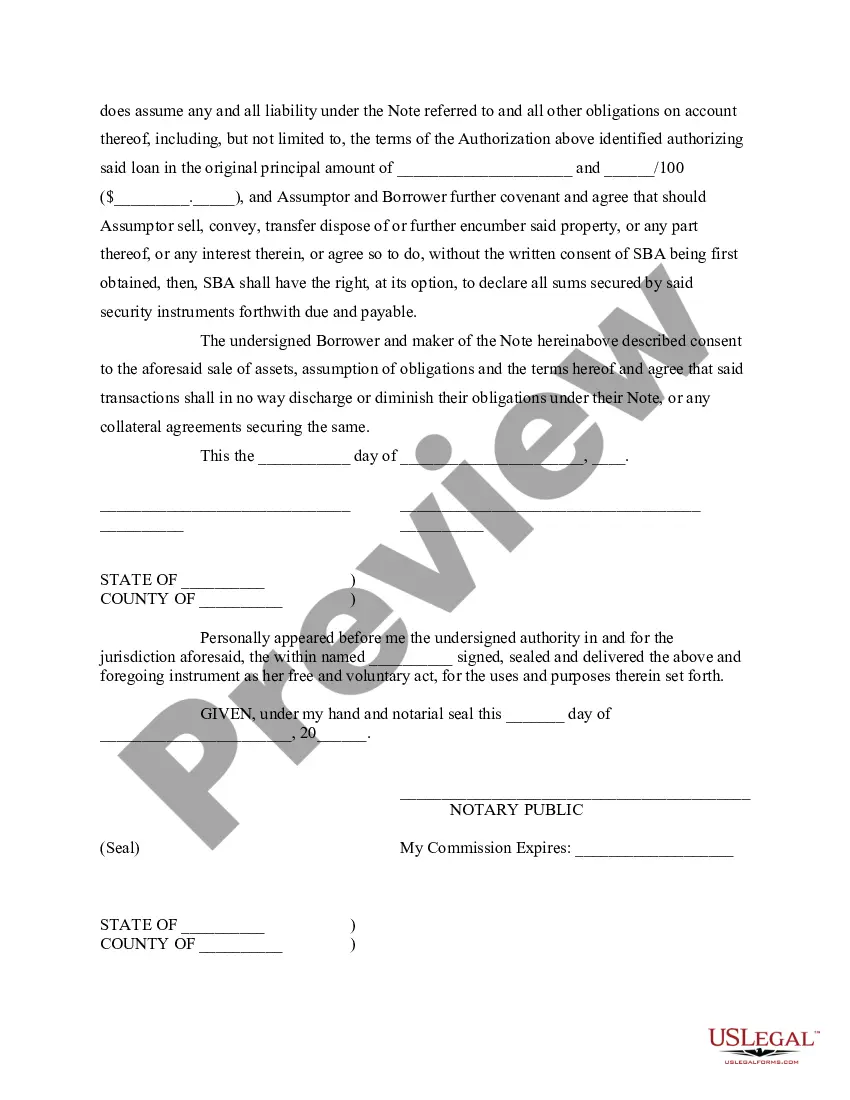
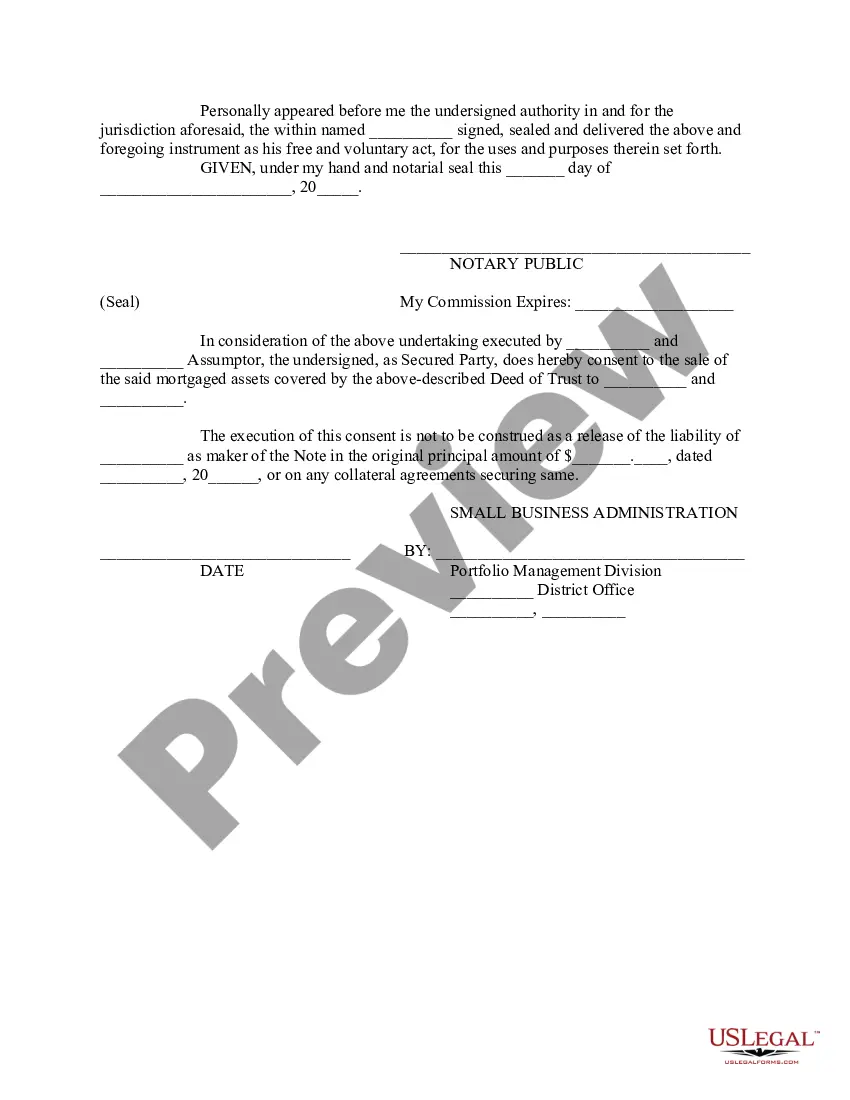
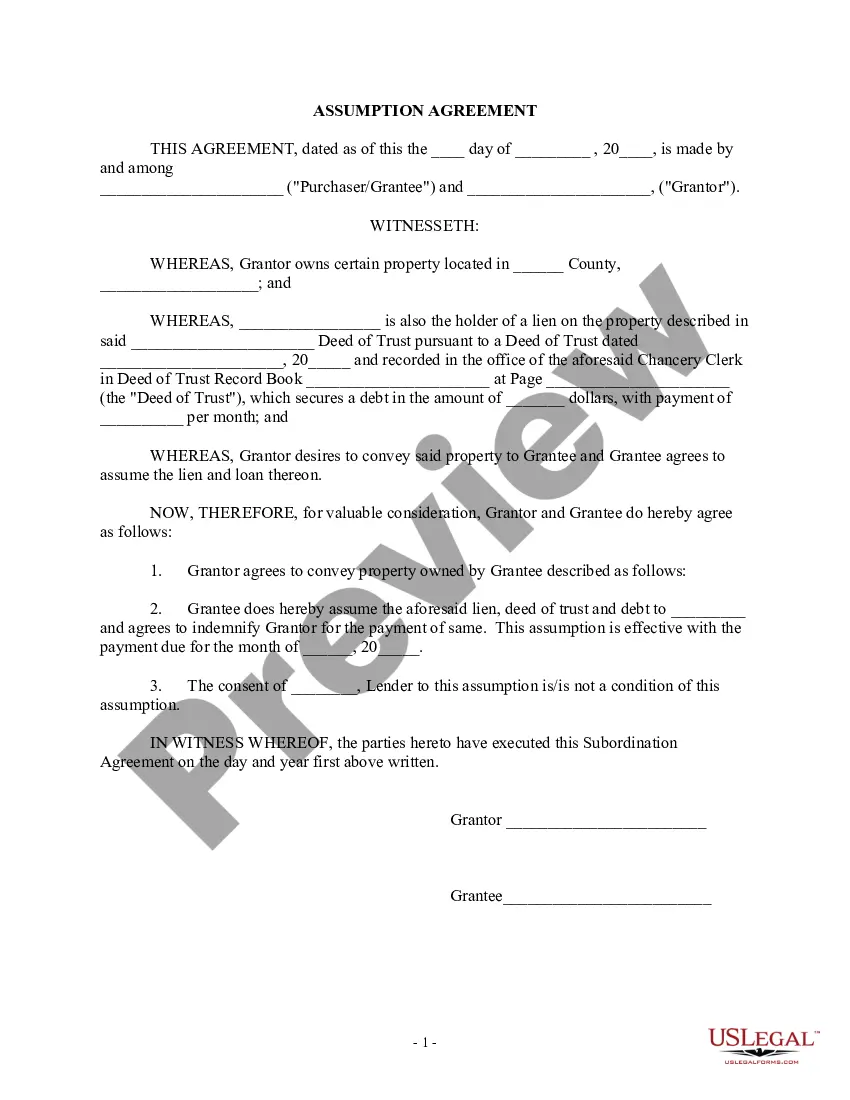
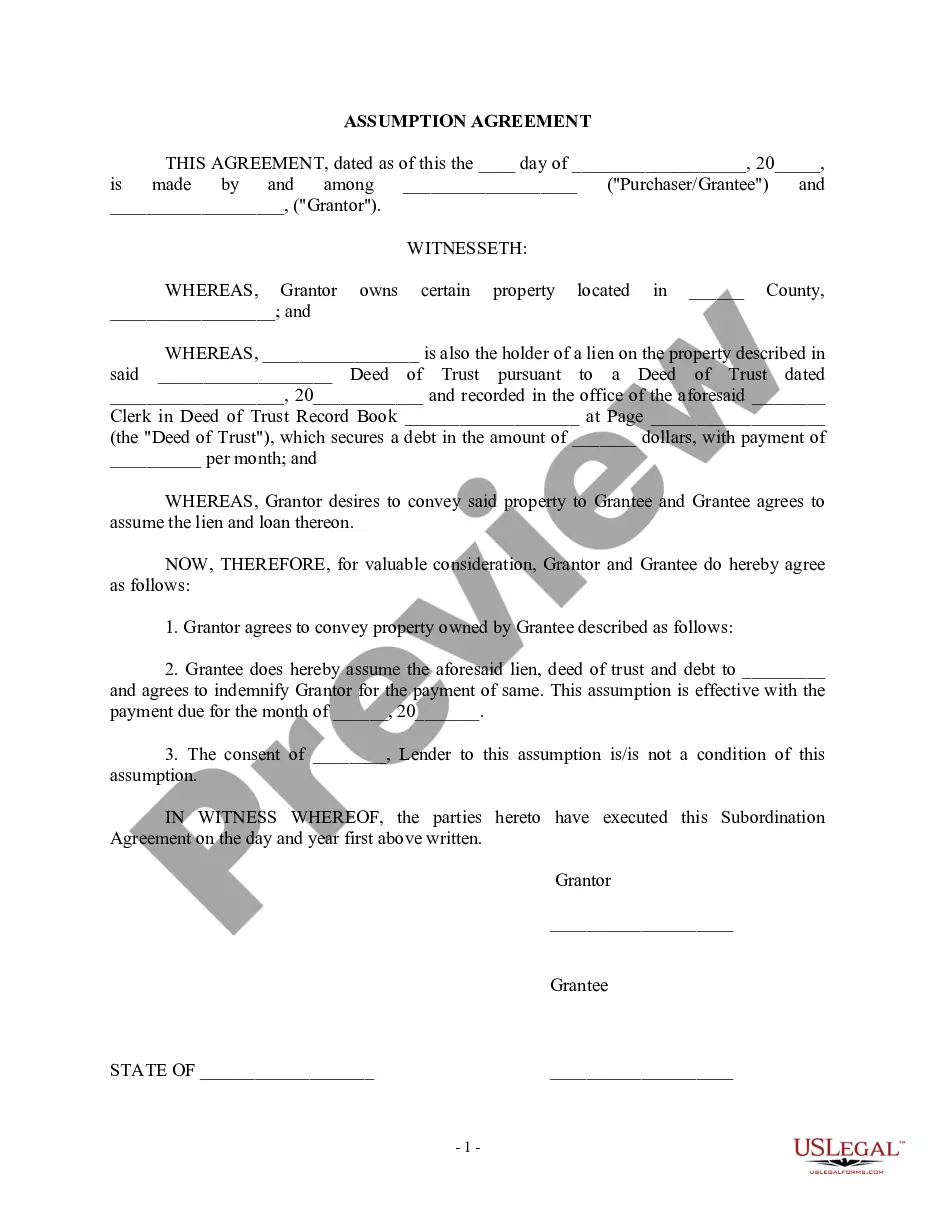
Sba Loan Agreement With Guarantor In Ohio
Description

Get your form ready online
Our built-in tools help you complete, sign, share, and store your documents in one place.
Make edits, fill in missing information, and update formatting in US Legal Forms—just like you would in MS Word.
Download a copy, print it, send it by email, or mail it via USPS—whatever works best for your next step.
Sign and collect signatures with our SignNow integration. Send to multiple recipients, set reminders, and more. Go Premium to unlock E-Sign.
If this form requires notarization, complete it online through a secure video call—no need to meet a notary in person or wait for an appointment.
We protect your documents and personal data by following strict security and privacy standards.

Make edits, fill in missing information, and update formatting in US Legal Forms—just like you would in MS Word.

Download a copy, print it, send it by email, or mail it via USPS—whatever works best for your next step.

Sign and collect signatures with our SignNow integration. Send to multiple recipients, set reminders, and more. Go Premium to unlock E-Sign.

If this form requires notarization, complete it online through a secure video call—no need to meet a notary in person or wait for an appointment.

We protect your documents and personal data by following strict security and privacy standards.
Looking for another form?








Form popularity
FAQ
All loans insured by the SBA require a personal guarantee from every owner with a 20 percent or greater equity stake in the business.
The Stand-by Arrangement (SBA) provides short-term financial assistance to countries facing balance of payments problems. Historically, it has been the IMF lending instrument most used by advanced and emerging market countries.
SBA's mission is to "aid, counsel, assist and protect, insofar as is possible, the interests of small business concerns." It also is charged with ensuring that small businesses earn a "fair proportion" of government contracts and sales of surplus property.
Like collateral, a personal guarantee is a form of security for the lender. The SBA considers personal guarantees as separate from collateral requirements. As a result, most SBA loans will require a personal guarantee in addition to collateral.
While some small business lenders still only require personal credit scores, the FICO SBSS business credit score is becoming increasingly commonplace. Most notably, SBA loans are only available to businesses with SBSS scores of at least 155. Most other lenders who use the score require a minimum threshold of 160 – 180.
Individuals who own 20% or more of a small business applicant must provide an unlimited personal guaranty. SBA Lenders may use this form.
