Personal Injury Waiver Form Uk In Middlesex
Description

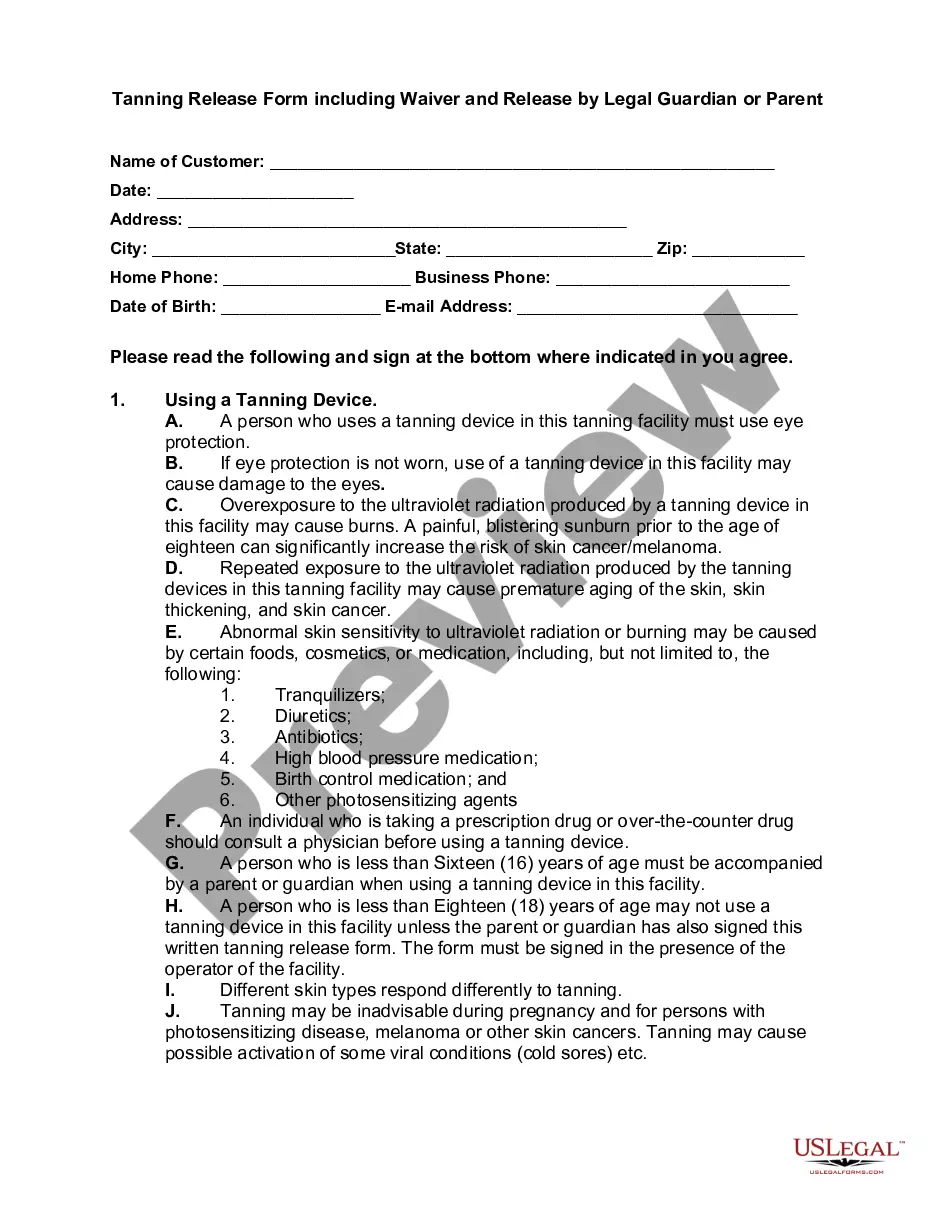
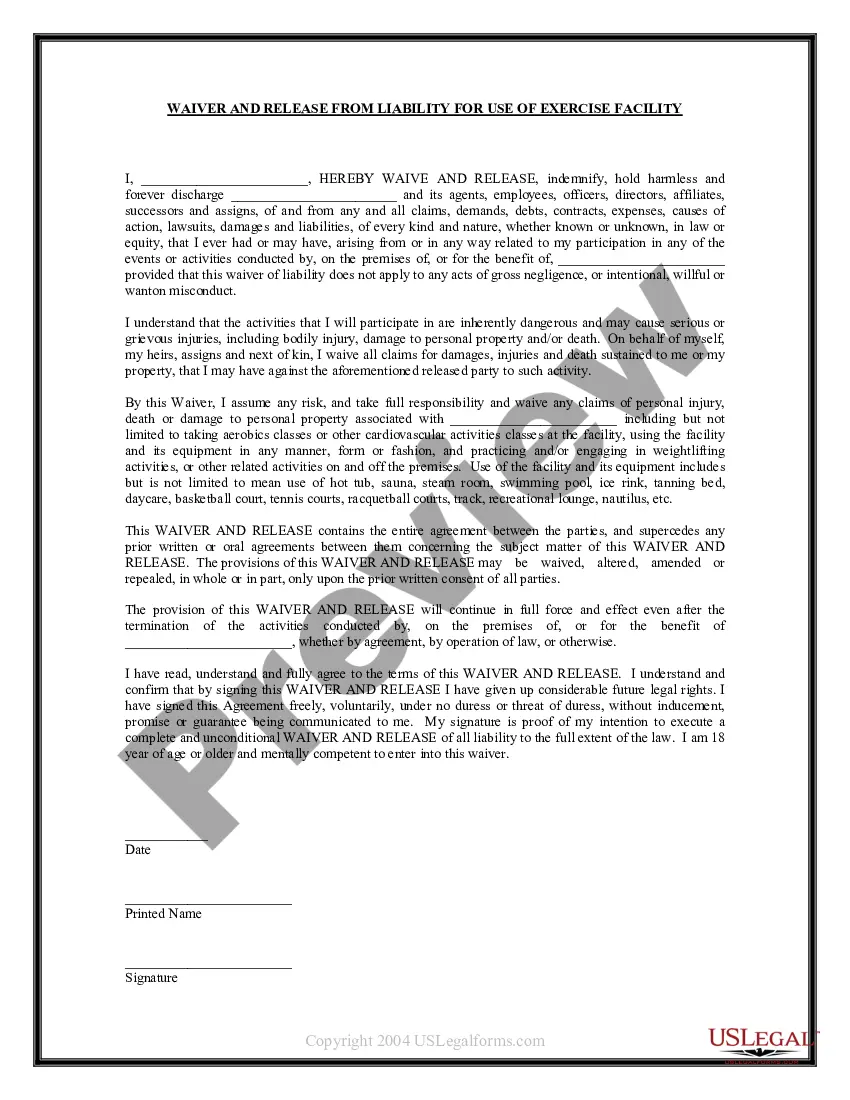
Get your form ready online
Our built-in tools help you complete, sign, share, and store your documents in one place.
Make edits, fill in missing information, and update formatting in US Legal Forms—just like you would in MS Word.
Download a copy, print it, send it by email, or mail it via USPS—whatever works best for your next step.
Sign and collect signatures with our SignNow integration. Send to multiple recipients, set reminders, and more. Go Premium to unlock E-Sign.
If this form requires notarization, complete it online through a secure video call—no need to meet a notary in person or wait for an appointment.
We protect your documents and personal data by following strict security and privacy standards.

Make edits, fill in missing information, and update formatting in US Legal Forms—just like you would in MS Word.

Download a copy, print it, send it by email, or mail it via USPS—whatever works best for your next step.

Sign and collect signatures with our SignNow integration. Send to multiple recipients, set reminders, and more. Go Premium to unlock E-Sign.

If this form requires notarization, complete it online through a secure video call—no need to meet a notary in person or wait for an appointment.

We protect your documents and personal data by following strict security and privacy standards.
Looking for another form?






Form popularity
FAQ
It is not possible to exclude or restrict liability for death or personal injury resulting from negligence.
In basic terms, a liability waiver is a legal document between a business and customer that is often at the center of injury lawsuits against a company. The customer agrees to accept the risk of injury in a dangerous activity or procedure and agrees not to hold the business responsible should damage occur.
The term waiver is sometimes used to refer a document that is signed before any damages actually occur. A release is sometimes used to refer to a document that is executed after an injury has occurred.
So waivers are perfectly legal and it's entirely reasonable for you to be asked to sign one. However, a waiver doesn't absolve event organisers or gym owners from having a proper duty of care towards people who have signed a personal injury waiver.
A liability waiver form is a legal contract that educates one party about the risks associated with an activity. Once signed, it prevents the participant from opening a lawsuit against the company in the event of damage or loss, effectively shifting responsibility for injuries from the company to the customer.
A release and waiver of liability (commonly referred to as a liability waiver or an exculpatory agreement) releases a party, typically a service provider or the owner or operator of a commercial business or property, from liability for personal injuries or damages that may occur on its premises or while an individual ...
A waiver is generally a voluntary relinquishment of a known right and is executed prior to the activity. Basically, a participant surrenders their negligence-based personal injury claim against a business or company. This means the participant agrees to “hold harmless” the organization if they are injured.
To build a waiver of liability: Choose a waiver template. Determine the type of activity or service. State the purpose of the waiver. Identify the risks. Include a title. Include customer information. Include waiver terms. Include a statement of understanding.
Key Takeaways On How To Write A Waiver Choose a waiver template. Determine the type of activity or service. State the purpose of the waiver. Identify the risks. Include a title. Include customer information. Include waiver terms. Include a statement of understanding.
