Personal Injury Liability With Employment Exclusion Deleted
Description
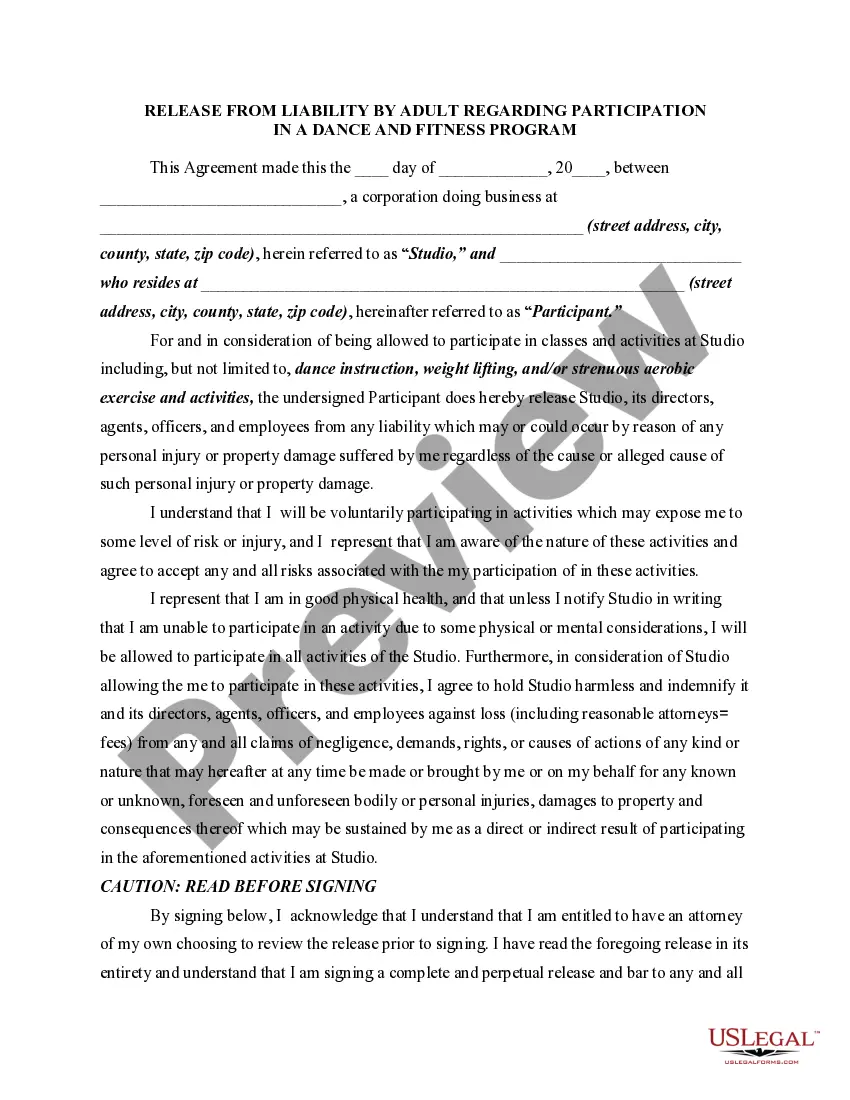
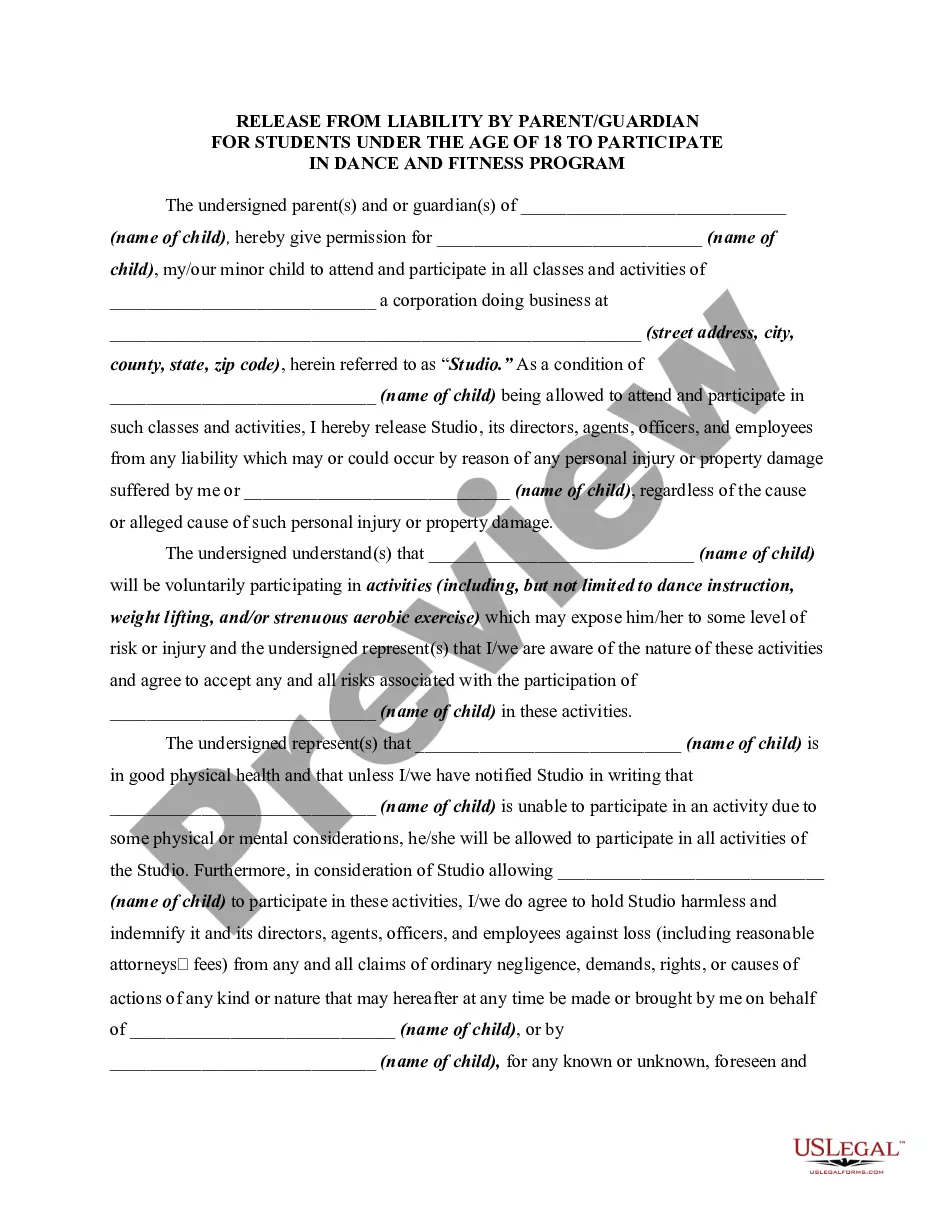
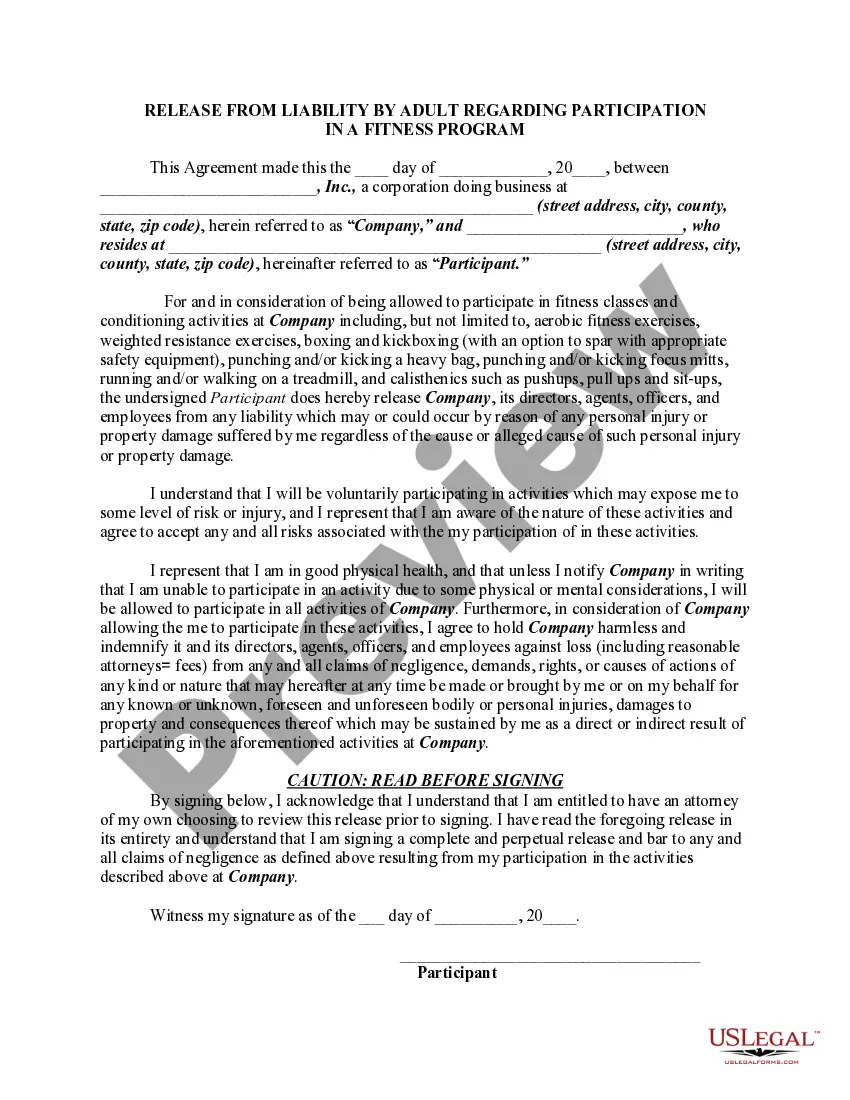
Get your form ready online
Our built-in tools help you complete, sign, share, and store your documents in one place.
Make edits, fill in missing information, and update formatting in US Legal Forms—just like you would in MS Word.
Download a copy, print it, send it by email, or mail it via USPS—whatever works best for your next step.
Sign and collect signatures with our SignNow integration. Send to multiple recipients, set reminders, and more. Go Premium to unlock E-Sign.
If this form requires notarization, complete it online through a secure video call—no need to meet a notary in person or wait for an appointment.
We protect your documents and personal data by following strict security and privacy standards.

Make edits, fill in missing information, and update formatting in US Legal Forms—just like you would in MS Word.

Download a copy, print it, send it by email, or mail it via USPS—whatever works best for your next step.

Sign and collect signatures with our SignNow integration. Send to multiple recipients, set reminders, and more. Go Premium to unlock E-Sign.

If this form requires notarization, complete it online through a secure video call—no need to meet a notary in person or wait for an appointment.

We protect your documents and personal data by following strict security and privacy standards.
Looking for another form?
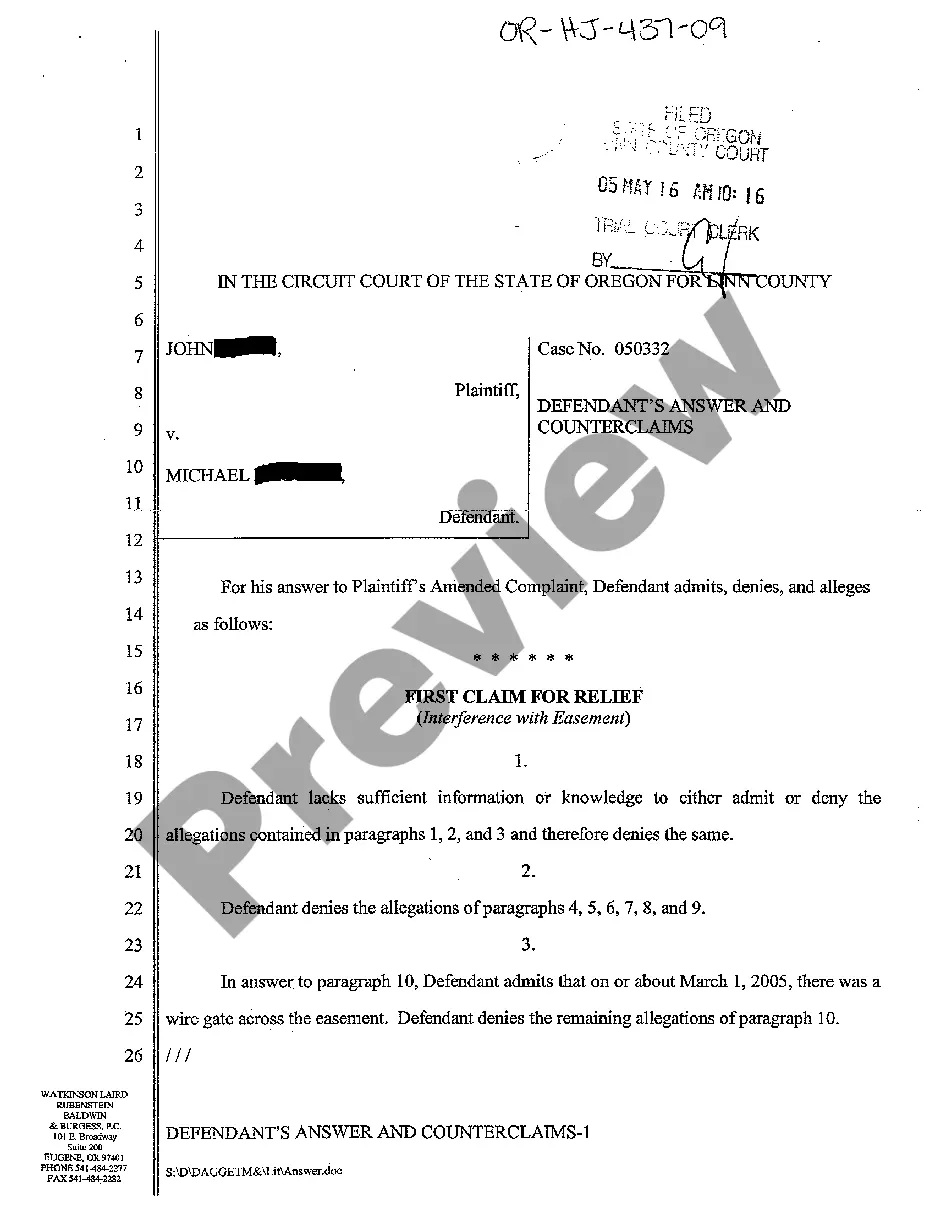
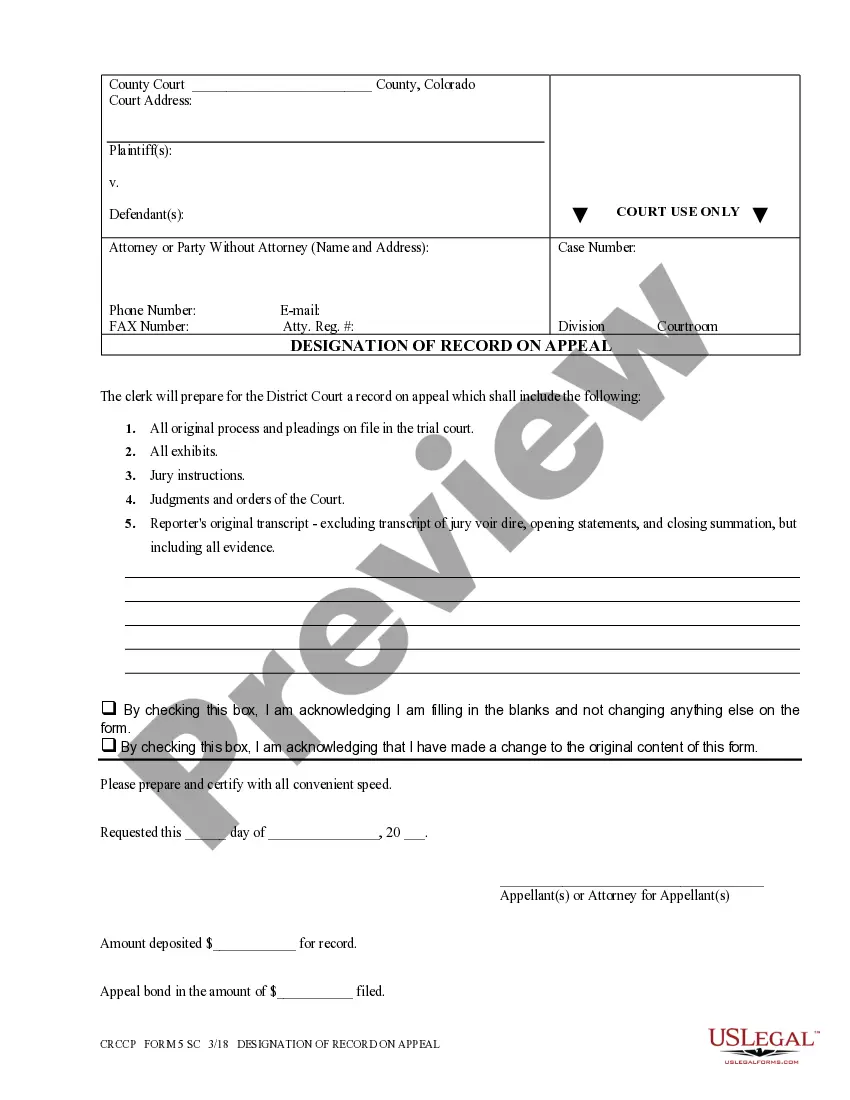
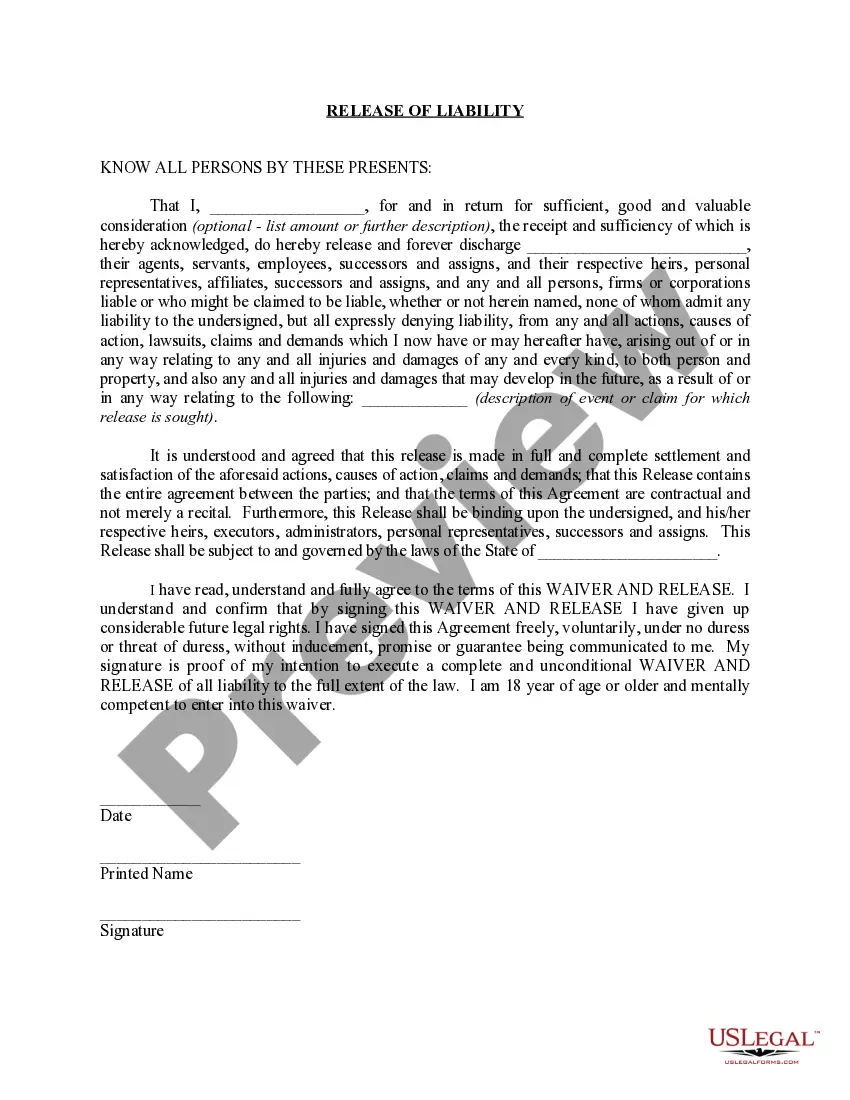
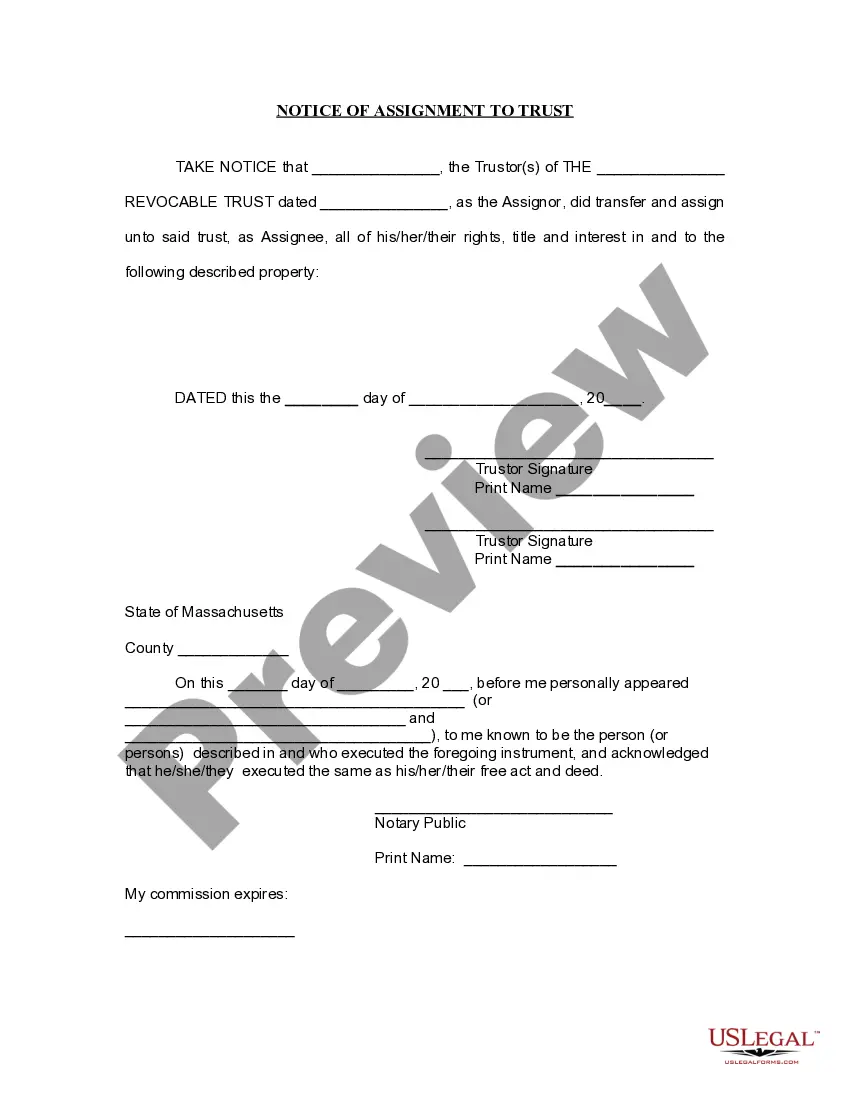

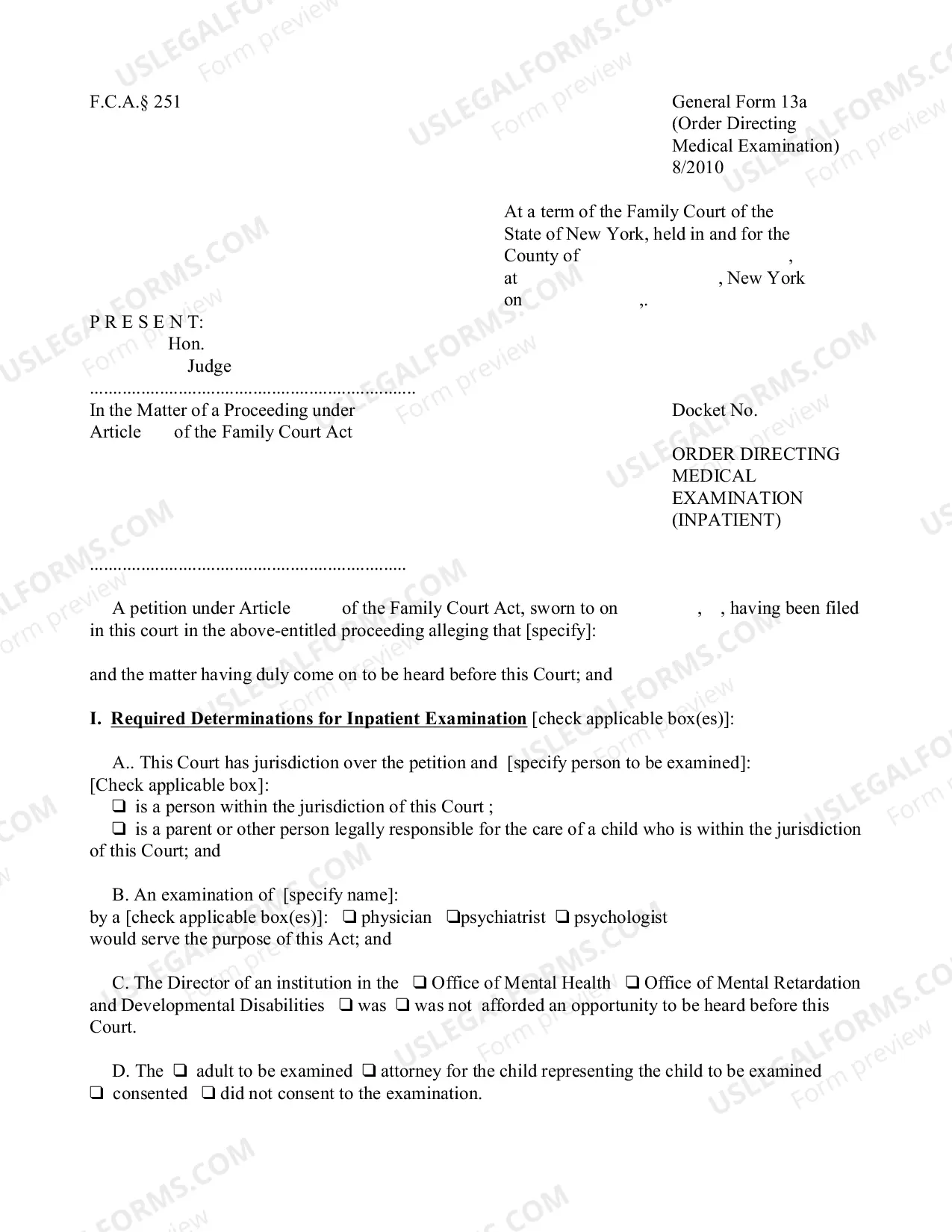
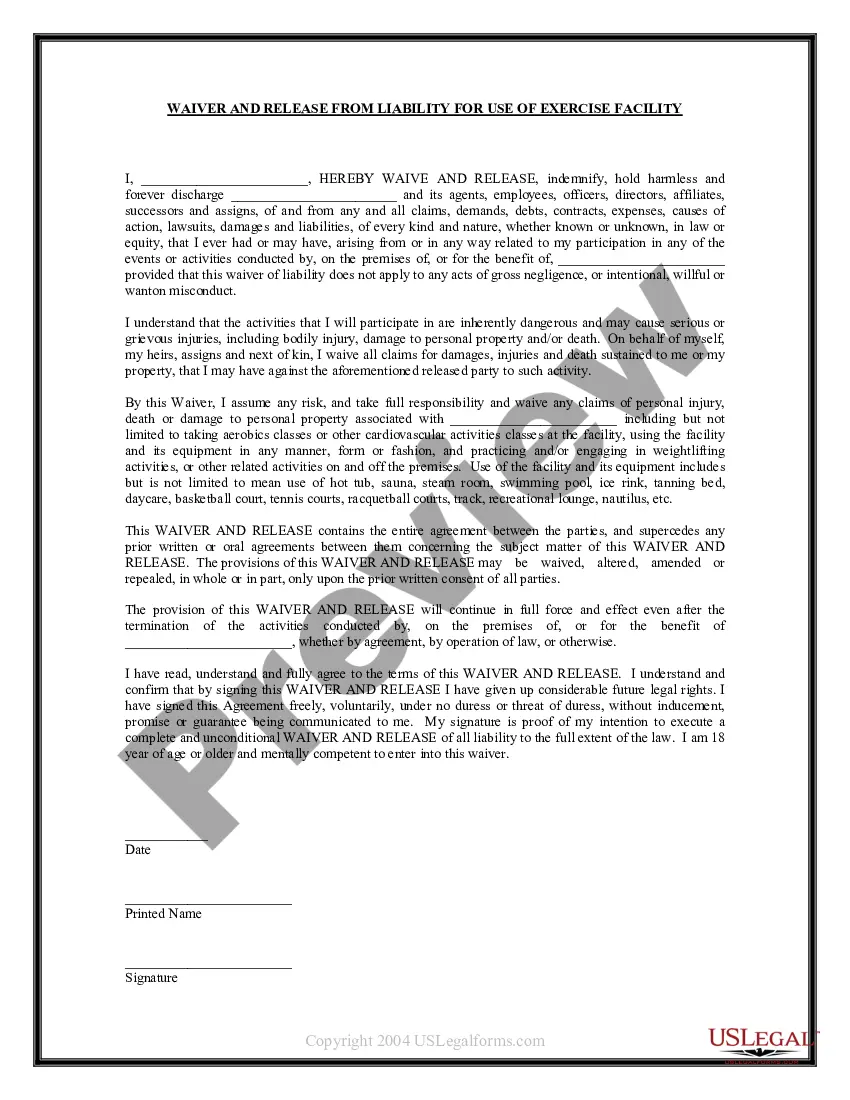
How to fill out Release From Personal Injury Liability By Adult Regarding Participation In A Dance And Fitness Program Or School - Personal Trainer Waiver?
Whether for commercial reasons or personal affairs, everyone eventually must confront legal matters in their lifetime.
Completing legal forms requires meticulous focus, beginning with selecting the suitable template.
After it is downloaded, you can fill out the form using editing software or print it and complete it by hand. With a comprehensive US Legal Forms library available, you don't have to waste time searching for the right template online. Utilize the library’s straightforward navigation to discover the correct form for any situation.
- Obtain the template you seek via the search bar or through catalog browsing.
- Review the form’s details to confirm it aligns with your situation, jurisdiction, and locality.
- Click on the form’s preview to assess it.
- If it is the wrong form, return to the search feature to find the Personal Injury Liability With Employment Exclusion Deleted form you need.
- Download the document once it fulfills your requirements.
- If you already possess a US Legal Forms account, click Log in to access previously saved templates in My documents.
- If you do not have an account yet, you can download the form by clicking Buy now.
- Choose the appropriate pricing plan.
- Fill out the profile registration form.
- Select your payment method: you can utilize a credit card or a PayPal account.
- Choose the file format you prefer and download the Personal Injury Liability With Employment Exclusion Deleted.
Form popularity
FAQ
The damage to your work exclusion refers to circumstances where personal injury liability can be affected by work-related incidents. In cases where personal injury liability is classified with employment exclusion deleted, it means that certain work-related injuries may be covered. This coverage can offer important protection for employees facing injuries on the job. Understanding this exclusion helps you navigate your personal injury liability options effectively.
The damage to your work exclusion in a Commercial General Liability (CGL) policy eliminates coverage for property damage to work that the insured has performed. This means that if a job goes wrong and causes damage, the policy won't cover the costs. This exclusion highlights the importance of having strong liability provisions. By considering personal injury liability with employment exclusion deleted, you can ensure robust protection for your business endeavors and projects.
Employer liability exclusion is a clause in commercial insurance policies that limits coverage for injury claims filed by employees. These exclusions can result in significant financial exposure for businesses when an employee is injured on the job. Understanding this exclusion is crucial for business owners seeking comprehensive liability protection. Opting for personal injury liability with employment exclusion deleted can enhance coverage and shield your business from unexpected claims.
Exclusion in the workplace refers to specific circumstances or risks that are not covered by insurance policies. This often includes incidents involving employee injuries or accidents that occur during work hours. Such exclusions can lead to significant liability gaps for employers. By addressing personal injury liability with employment exclusion deleted, businesses can mitigate these risks and protect their interests.
An employer exclusion is a provision in an insurance policy that denies coverage for certain claims related to employment activities. Specifically, it removes liability for injuries that occur to employees in the course of their work. This aims to protect employers from employer-employee related lawsuits. By understanding personal injury liability with employment exclusion deleted, you can ensure better coverage for your business.
A third party action over exclusion endorsement is a provision that limits liability coverage when a third party attempts to file a claim against your policy for losses incurred while interacting with your employee. This endorsement essentially protects the policyholder from having to cover legal costs associated with these claims. Understanding how this works in relation to personal injury liability with employment exclusion deleted can enhance your overall liability coverage.
Three common exclusions in liability coverage include employee injuries, intentional acts, and pollution-related claims. These exclusions are designed to help insurance companies manage their risk and prevent fraudulent claims. It's important to review these exclusions carefully in your policy, especially when considering personal injury liability with employment exclusion deleted, as they can significantly impact your coverage.
The exclusion clause of personal injury outlines specific circumstances under which the insurance will not provide coverage. Such clauses are intended to reduce the insurer's risk by limiting liability for certain types of claims. If you choose a policy with personal injury liability with employment exclusion deleted, you may have broader coverage against unexpected lawsuits.
The employee exclusion for personal injury is a clause that excludes coverage for claims of personal injury or bodily harm to employees resulting from work-related activities. This means that if an employee suffers an injury while on the job, the policy will not provide coverage for that claim. Removing this exclusion can result in a more comprehensive personal injury liability policy, offering greater assurance and protection.
Personal injury exclusion is a provision that typically removes coverage for specific claims, such as slander or defamation, made against an insured party. This exclusion aims to protect insurers from high-risk claims that could lead to substantial financial loss. When considering personal injury liability with employment exclusion deleted, it is critical to understand what specific types of claims might still be covered.