Personal Injury Release Agreement Withdrawal In Harris
Description

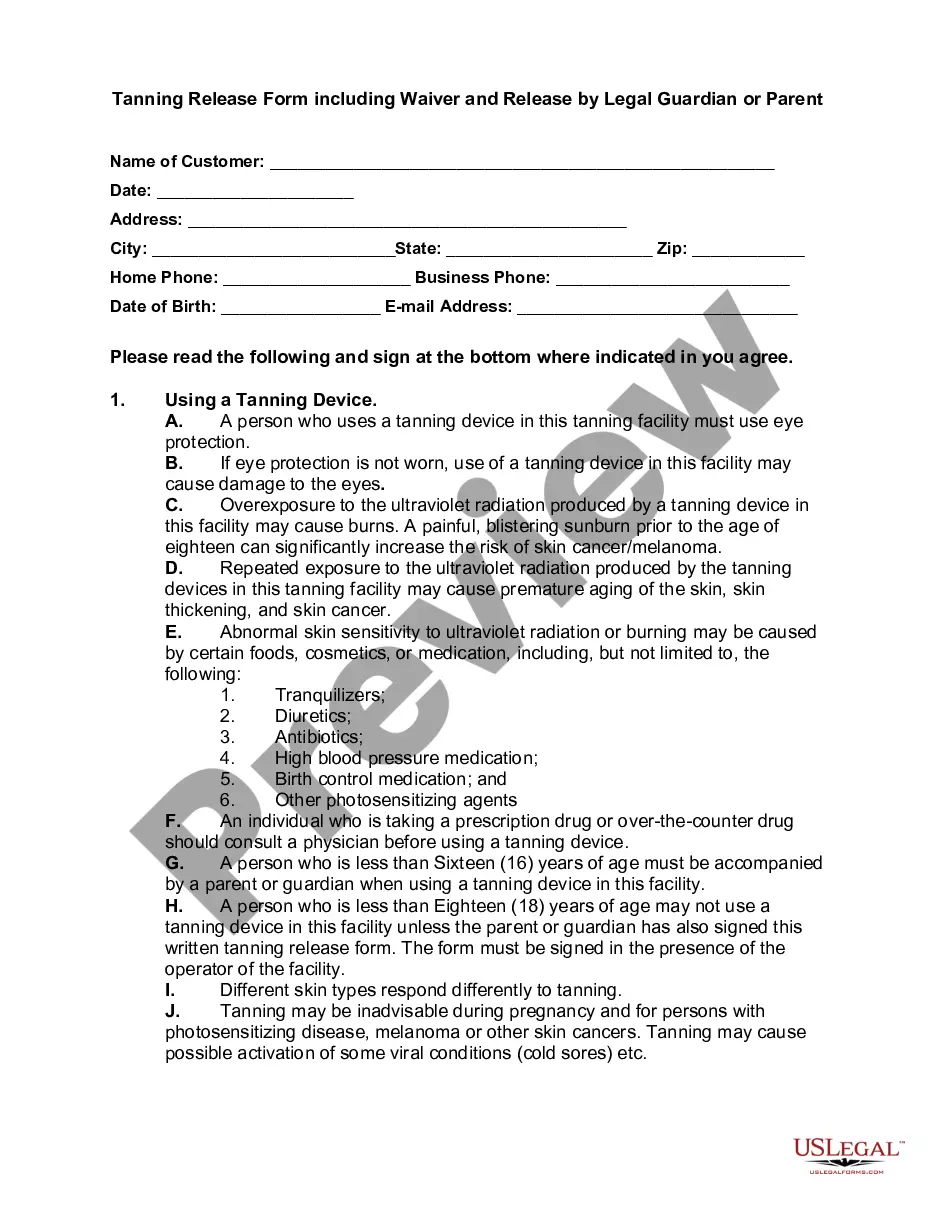
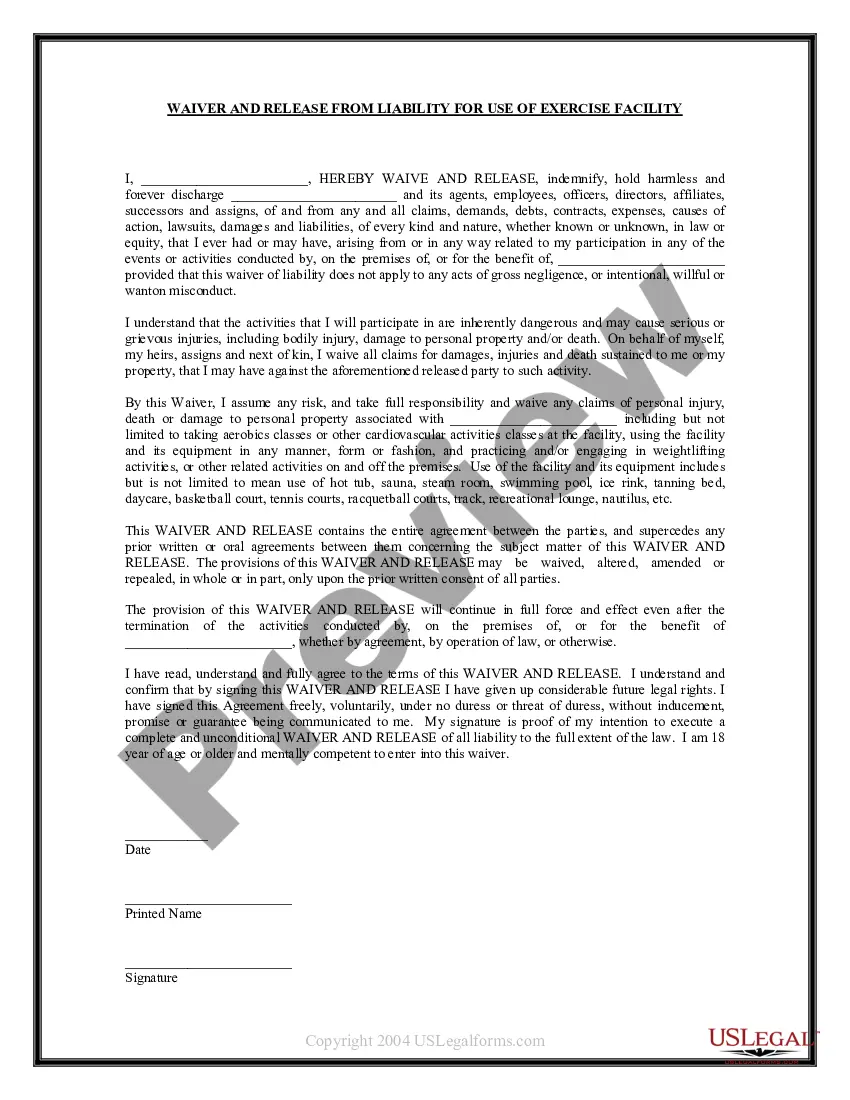
Get your form ready online
Our built-in tools help you complete, sign, share, and store your documents in one place.
Make edits, fill in missing information, and update formatting in US Legal Forms—just like you would in MS Word.
Download a copy, print it, send it by email, or mail it via USPS—whatever works best for your next step.
Sign and collect signatures with our SignNow integration. Send to multiple recipients, set reminders, and more. Go Premium to unlock E-Sign.
If this form requires notarization, complete it online through a secure video call—no need to meet a notary in person or wait for an appointment.
We protect your documents and personal data by following strict security and privacy standards.

Make edits, fill in missing information, and update formatting in US Legal Forms—just like you would in MS Word.

Download a copy, print it, send it by email, or mail it via USPS—whatever works best for your next step.

Sign and collect signatures with our SignNow integration. Send to multiple recipients, set reminders, and more. Go Premium to unlock E-Sign.

If this form requires notarization, complete it online through a secure video call—no need to meet a notary in person or wait for an appointment.

We protect your documents and personal data by following strict security and privacy standards.
Looking for another form?









Form popularity
FAQ
When you accept a settlement offer, you must sign a release before receiving the agreed-upon funds. The release, which is legally binding, contains the terms to which you must adhere before getting your compensation and means the claim is closed and you cannot pursue it further.
Also known as a liability waiver form, the release of all claims form is signed when the defendant and plaintiff reach a settlement in a lawsuit. It does three things, including: Resolving the issue between the two parties. Dismissing the plaintiff's claims. Releasing the defendant from liability.
In the legal world of California, a Release of All Claims Form is a binding document that finalizes an agreement between two parties to resolve a dispute, often related to personal injury, property damage, or contract issues.
Section 32 Waiver Agreements are a negotiated agreement between the injured worker and the insurance carrier to settle indemnity and/or medical benefits on a claim. A waiver agreement ends the right of an injured worker to ongoing and future benefits in exchange for a lump sum payment or an annuity.
What is a Release Form? A release form, or general release form, is a legal document that serves as consent in writing to release the legal liability of a releasee by a releasor. The document is a formal acknowledgment that, once signed, is a legal release of all a releasee obligations within an agreement.
An injury release form is a statement that says that the claim is resolved and that the insurance company or the at-fault party has no further obligation to you. In short, an injury release form releases the other party from paying any more compensation or accepting further claims relating to your injury.
While there is no fixed amount for every case, the average personal injury settlement ranges from a few thousand dollars to well over $75,000, depending on the unique details of the claim.
The result of a settlement agreement involves the responsible party paying a certain amount to compensate for the damages caused to the victim.
7 Tips for Writing a Demand Letter to the Insurance Company Detail Your Version of Events. Gather & Organize Your Expenses. Calculate Anticipated Expenses. Detail the Negative Impact the Accident Has Had on Your Life. Discuss Your Road to Recovery. Include a Fair and Reasonable Demand Amount.
Typically ranging from 1.5 to 5, higher variables are assigned to more severe cases. For instance, if you incurred $100,000 in economic damages and a 1.5 variable is applied, your pain and suffering damages would amount to $150,000. Using a variable of four, your claim would reach $400,000.
