E-commerce Deal With In Michigan
Description

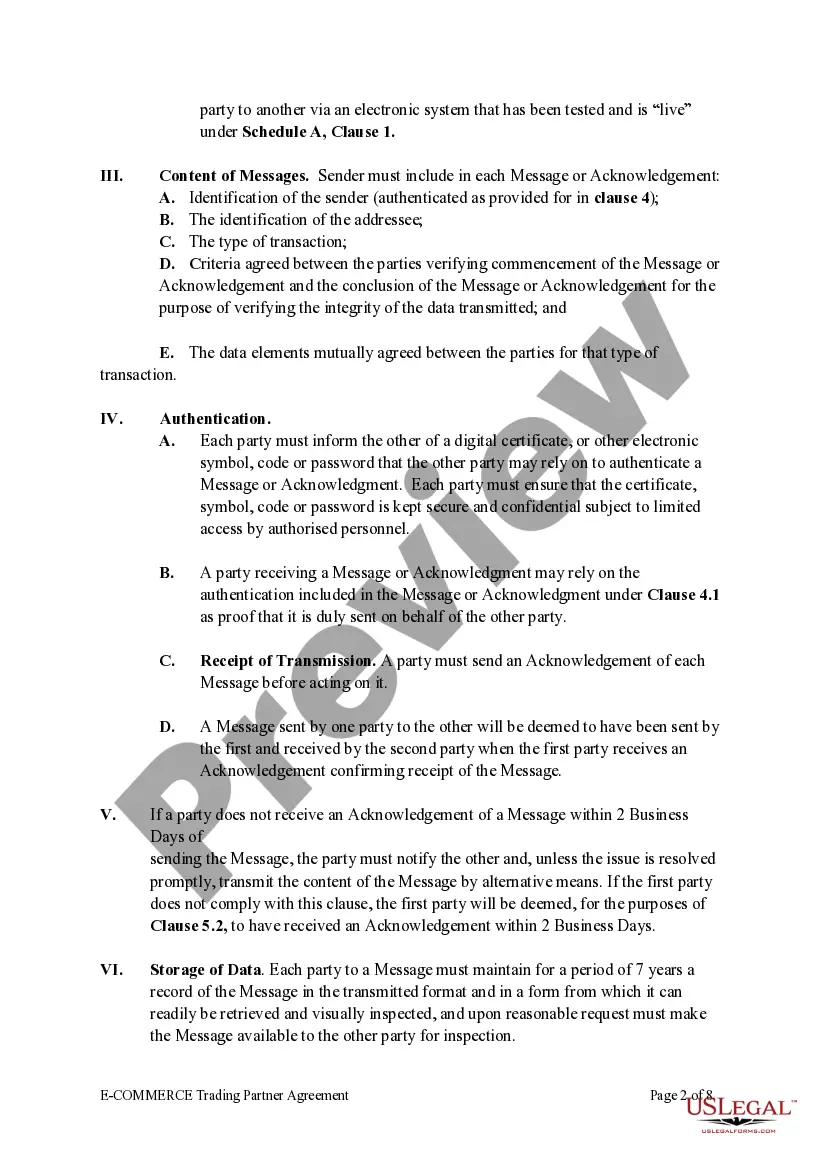
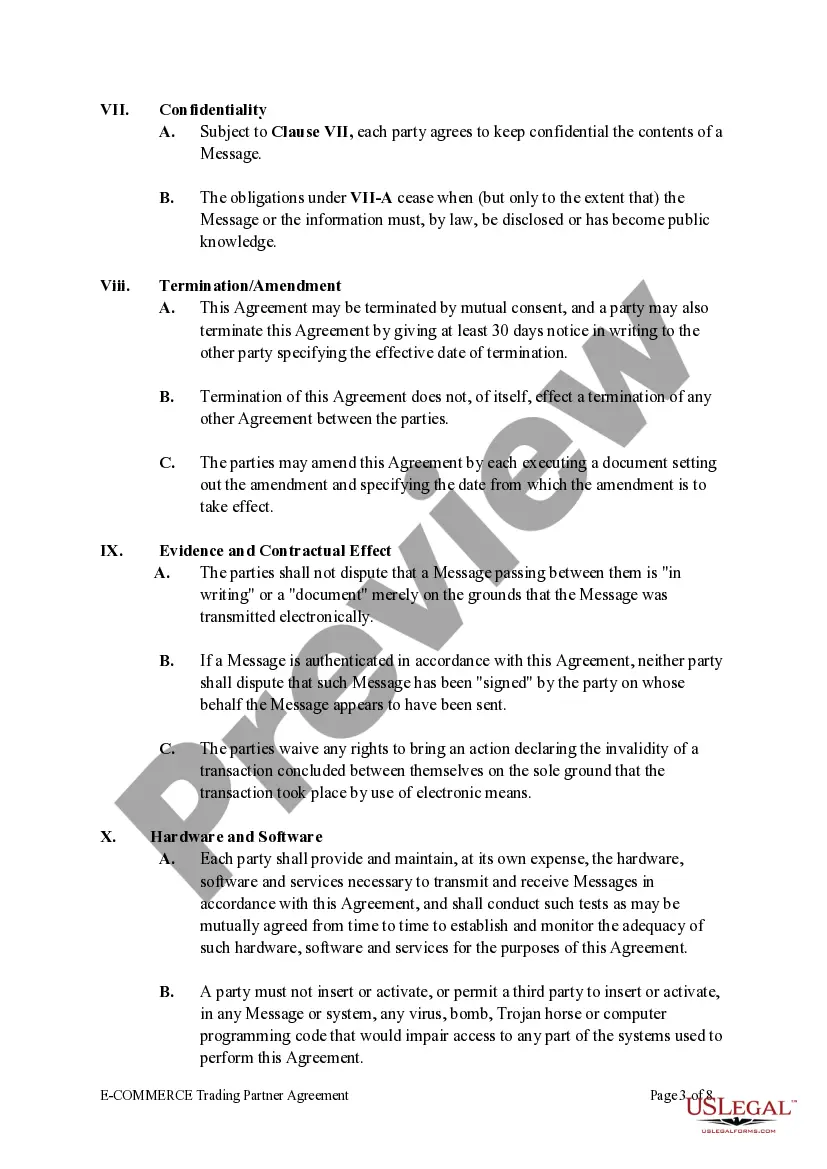
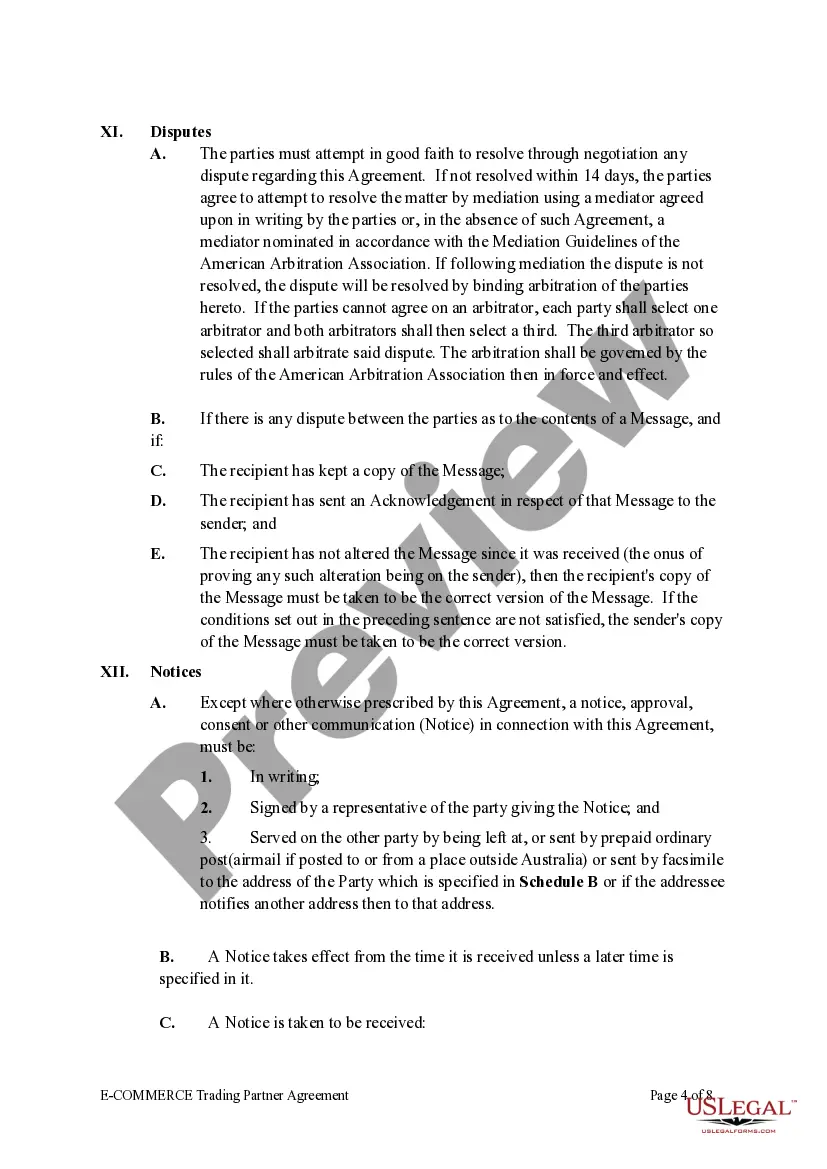
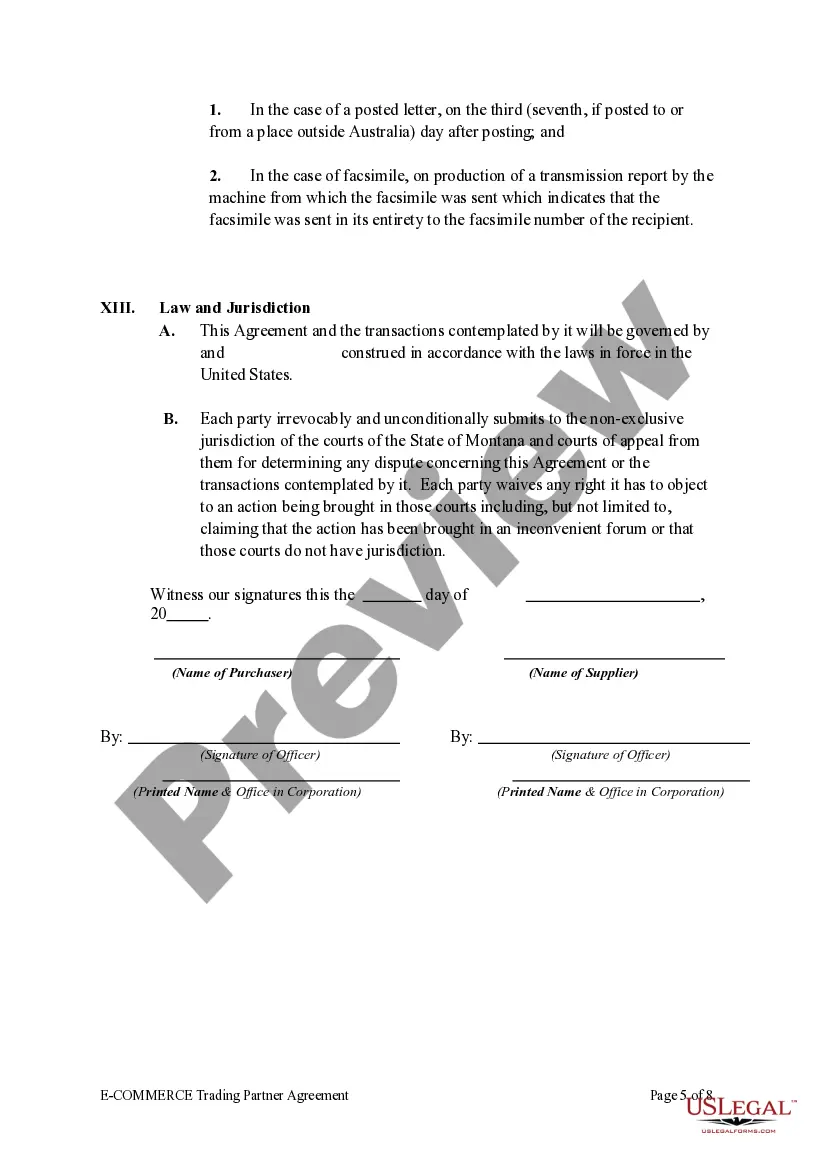
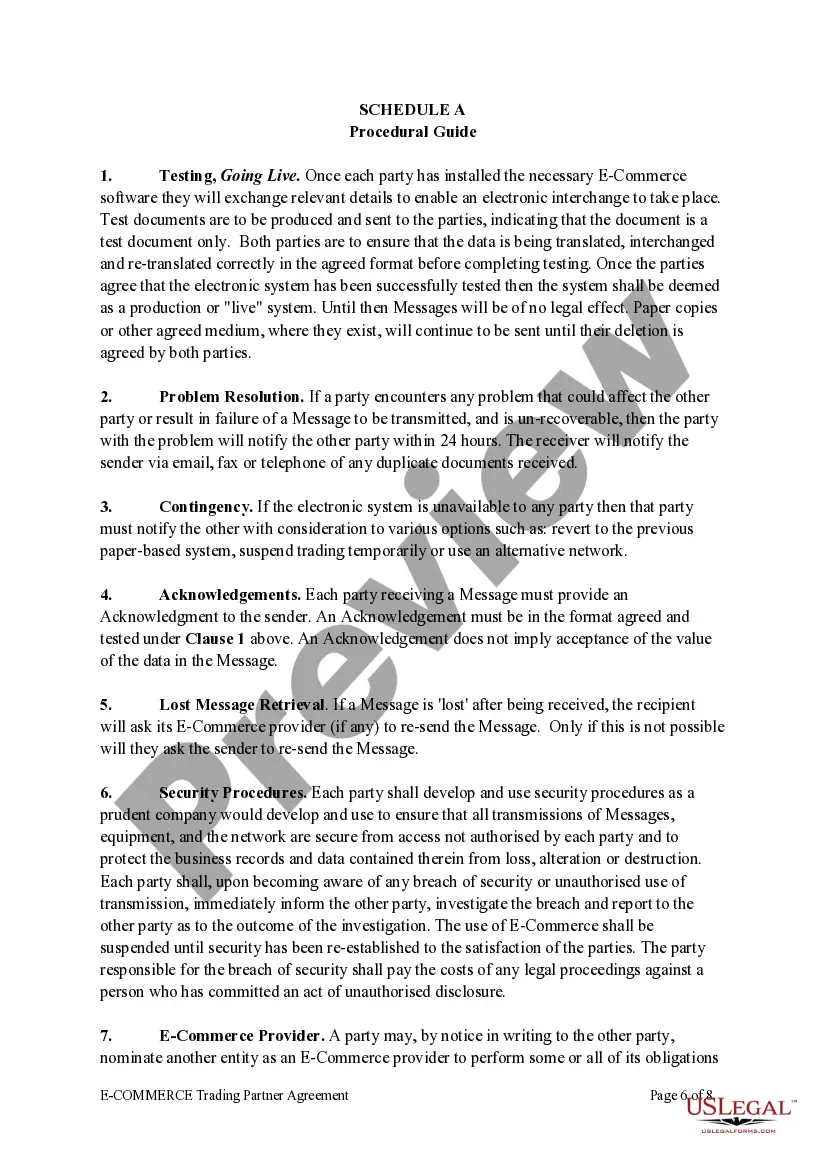
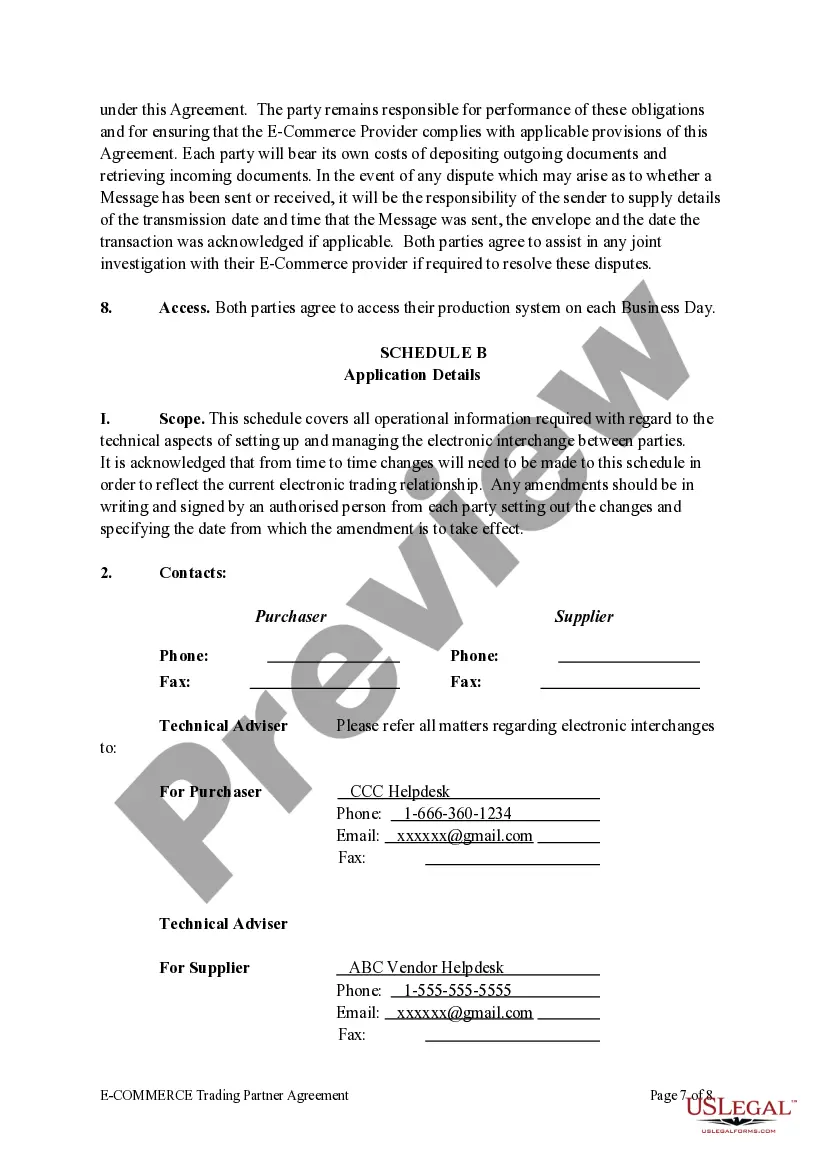

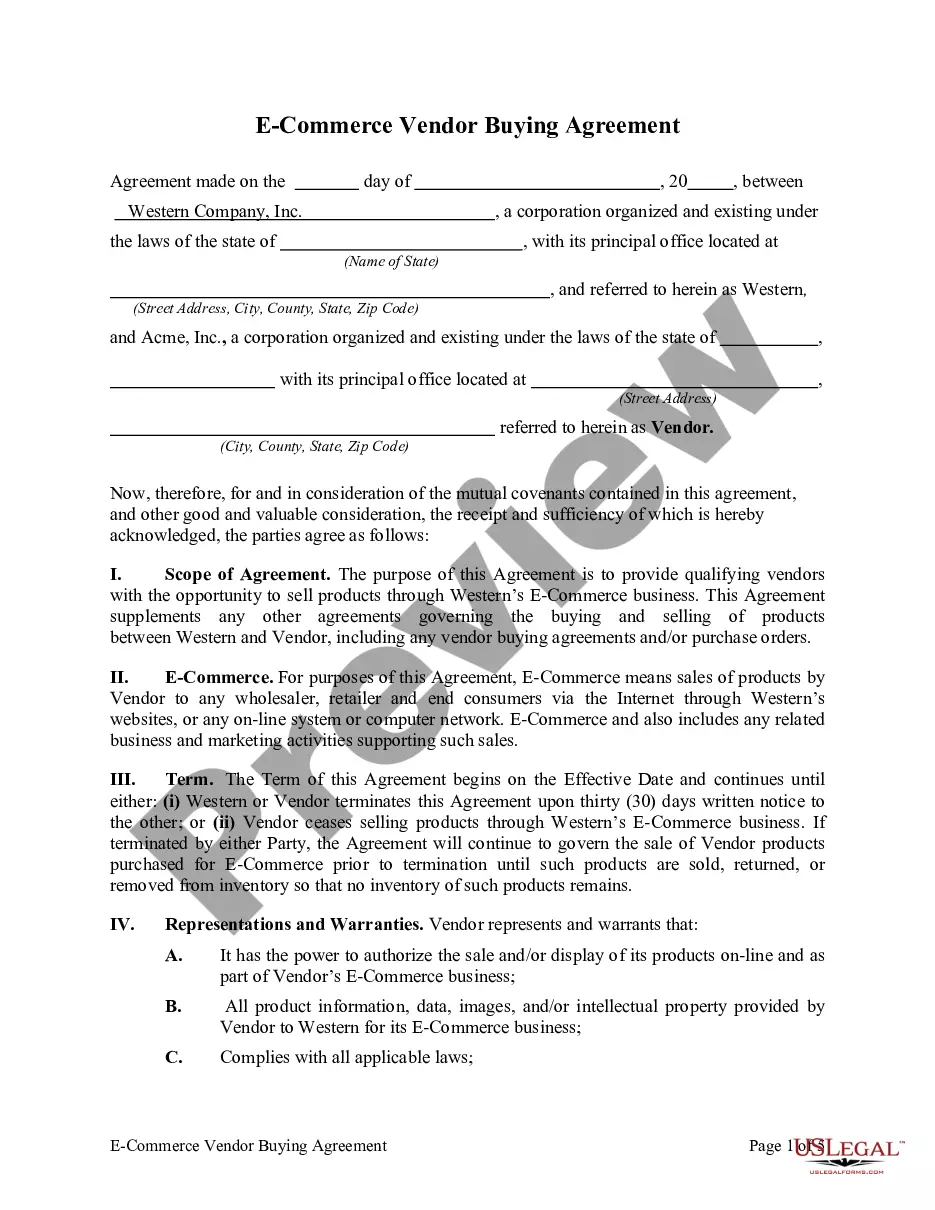
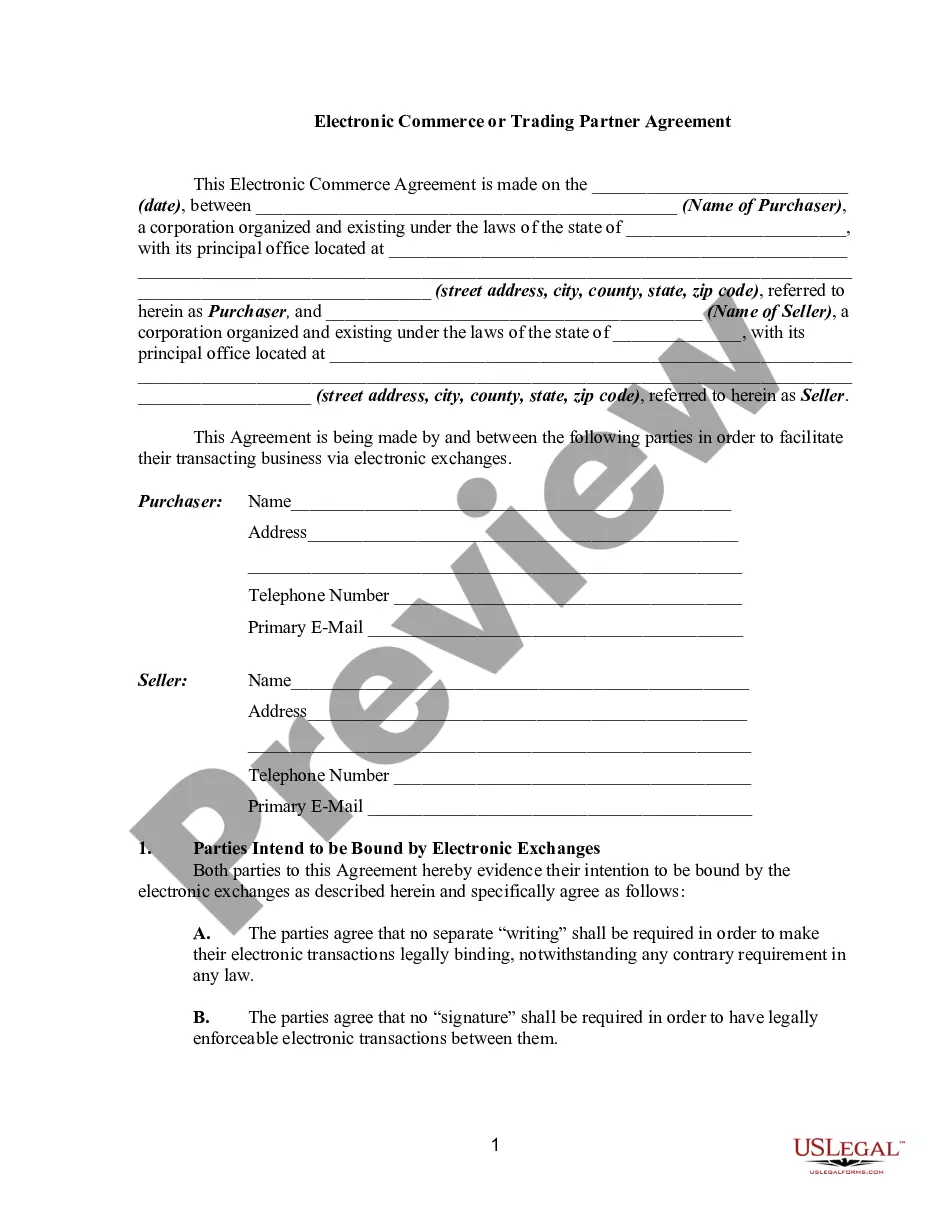

Get your form ready online
Our built-in tools help you complete, sign, share, and store your documents in one place.
Make edits, fill in missing information, and update formatting in US Legal Forms—just like you would in MS Word.
Download a copy, print it, send it by email, or mail it via USPS—whatever works best for your next step.
Sign and collect signatures with our SignNow integration. Send to multiple recipients, set reminders, and more. Go Premium to unlock E-Sign.
If this form requires notarization, complete it online through a secure video call—no need to meet a notary in person or wait for an appointment.
We protect your documents and personal data by following strict security and privacy standards.

Make edits, fill in missing information, and update formatting in US Legal Forms—just like you would in MS Word.

Download a copy, print it, send it by email, or mail it via USPS—whatever works best for your next step.

Sign and collect signatures with our SignNow integration. Send to multiple recipients, set reminders, and more. Go Premium to unlock E-Sign.

If this form requires notarization, complete it online through a secure video call—no need to meet a notary in person or wait for an appointment.

We protect your documents and personal data by following strict security and privacy standards.
Looking for another form?


Form popularity
FAQ
Applying for a business license often requires: Determining legal structure - for instance, whether you are a sole proprietor or limited liability corporation. A detailed description of your business's activities. A sales tax license, which you can obtain from your state agency.
The majority of Ecommerce businesses doing under $1M in profit sell for between 3 X and 4.5 X their annual profit, although more desirable brands can sell for higher multiples. This valuation spectrum varies greatly by the quality of the business as well as its size.
If you're new to ecommerce, you may want to start small and scale up. Selling on your own website is an option if you have the time, resources, and skills to customize a website, create a seamless online experience, and compete on the internet to get customers to your virtual doorstep.
In Michigan, that tax is called the "use tax" but might be more aptly described as a remote sales tax because it is a 6 percent tax owed on sales made remotely (i.e. outside of Michigan.) The use tax is not a new law; it was enacted in 1937.
Here's how to get started. Step 1: Research e-commerce models and decide what to sell. Step 2: Write a business plan. Step 3: Choose a business name and start building your brand. Step 4: Register your business. Step 5: Create your e-commerce business website. Step 6: Source and develop your products or services.
Procedure to Start an E-commerce Company Step 1: Decide Your Business Model. Step 2: Domain Name Registration. Step 3: Design E-commerce Company Website. Step 4: Building a Brand. Step 5: Business Registration. Step 6: Open a Bank Account. Step 7: Tax Registration - Obtain GST Registration.
Amazon is the top ecommerce website in the US because of its extensive product range, fast delivery options, and excellent customer service. It also offers services like Fulfillment by Amazon (FBA), which helps sellers manage logistics.
Shopify. Shopify is the world's leading ecommerce platform. Its self-hosted software helps you sell everywhere your customers are, with features to handle all aspects of retail, from website design and product management to finances and shipping.
Thanks for reading! 1) Amazon. Amazon is an online business and cloud computing company. 2) eBay. eBay is an American multinational company which offers business-to-business and consumer-to-consumer sales through its website. 3) Best Buy. 4) Walmart. 5) Apple. 2.6) HomeDepot. 7) Costco. 8) Target.
Amazon is the Internet company with the highest revenue, at $469.82 billion in 2021.
