E-commerce Deal With In Washington
Description

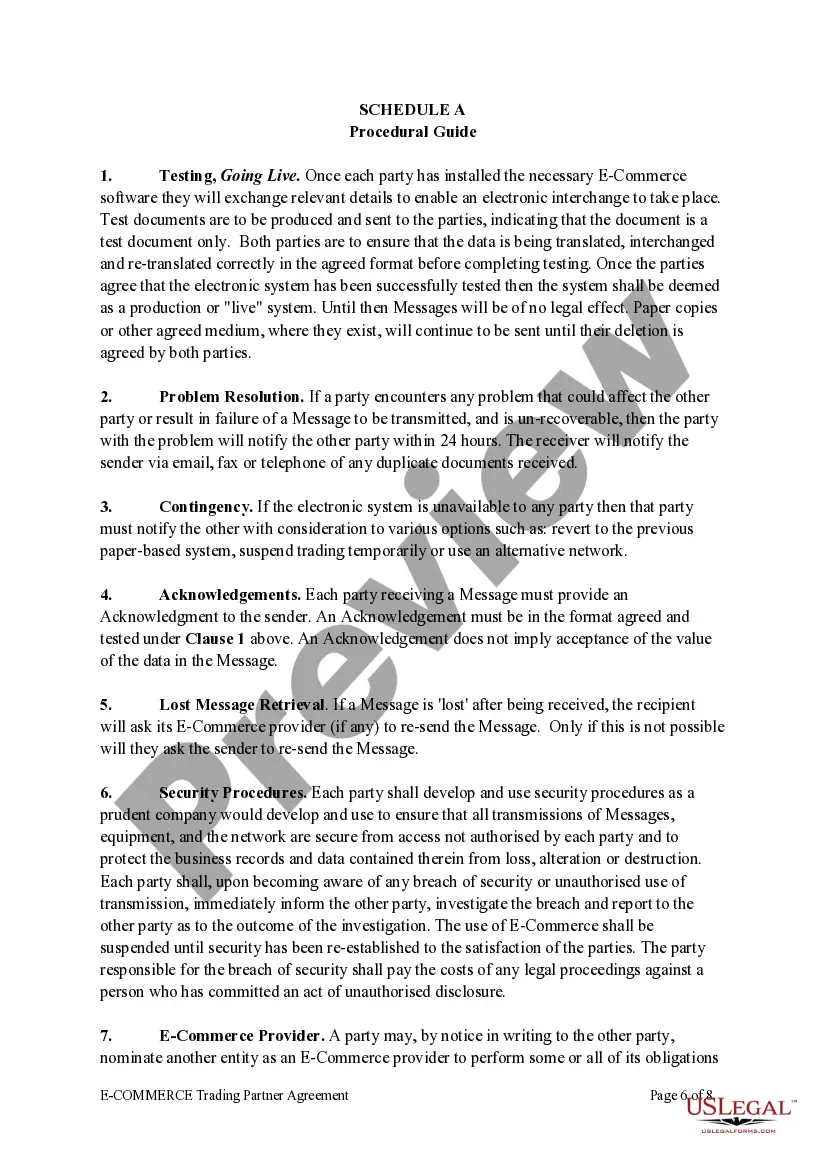
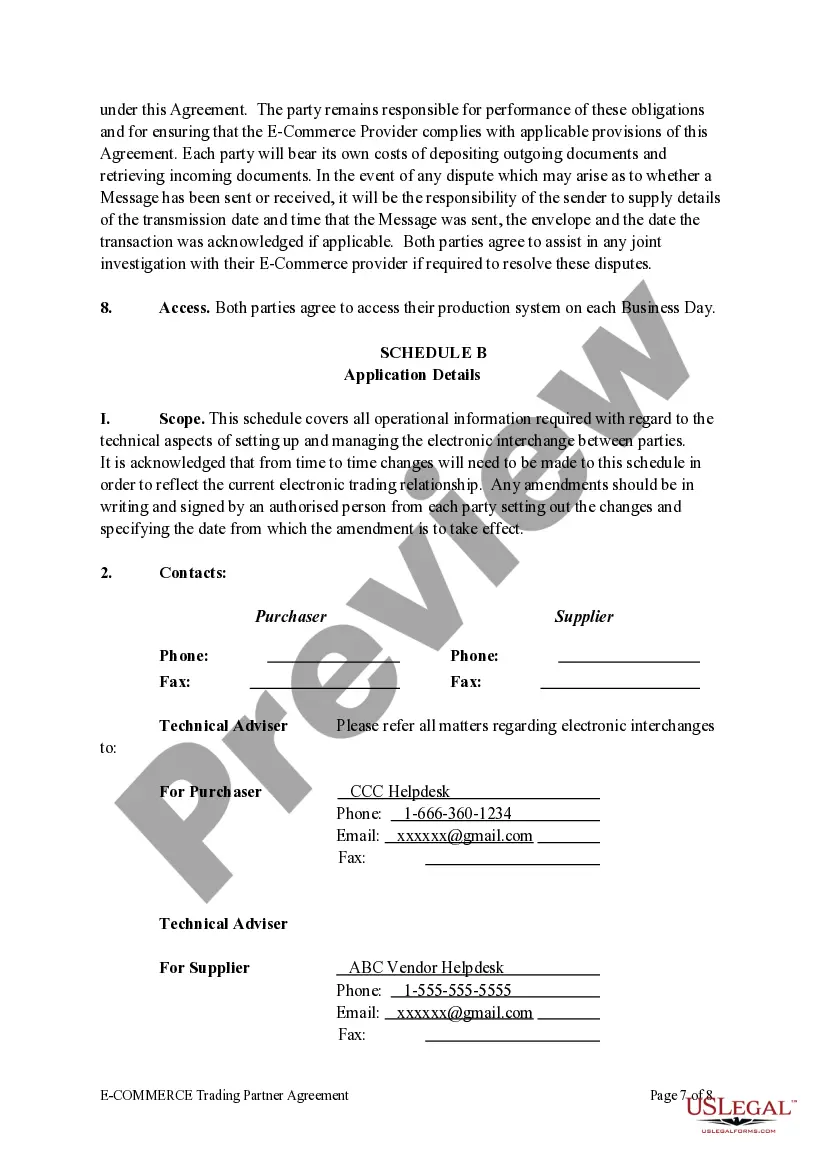


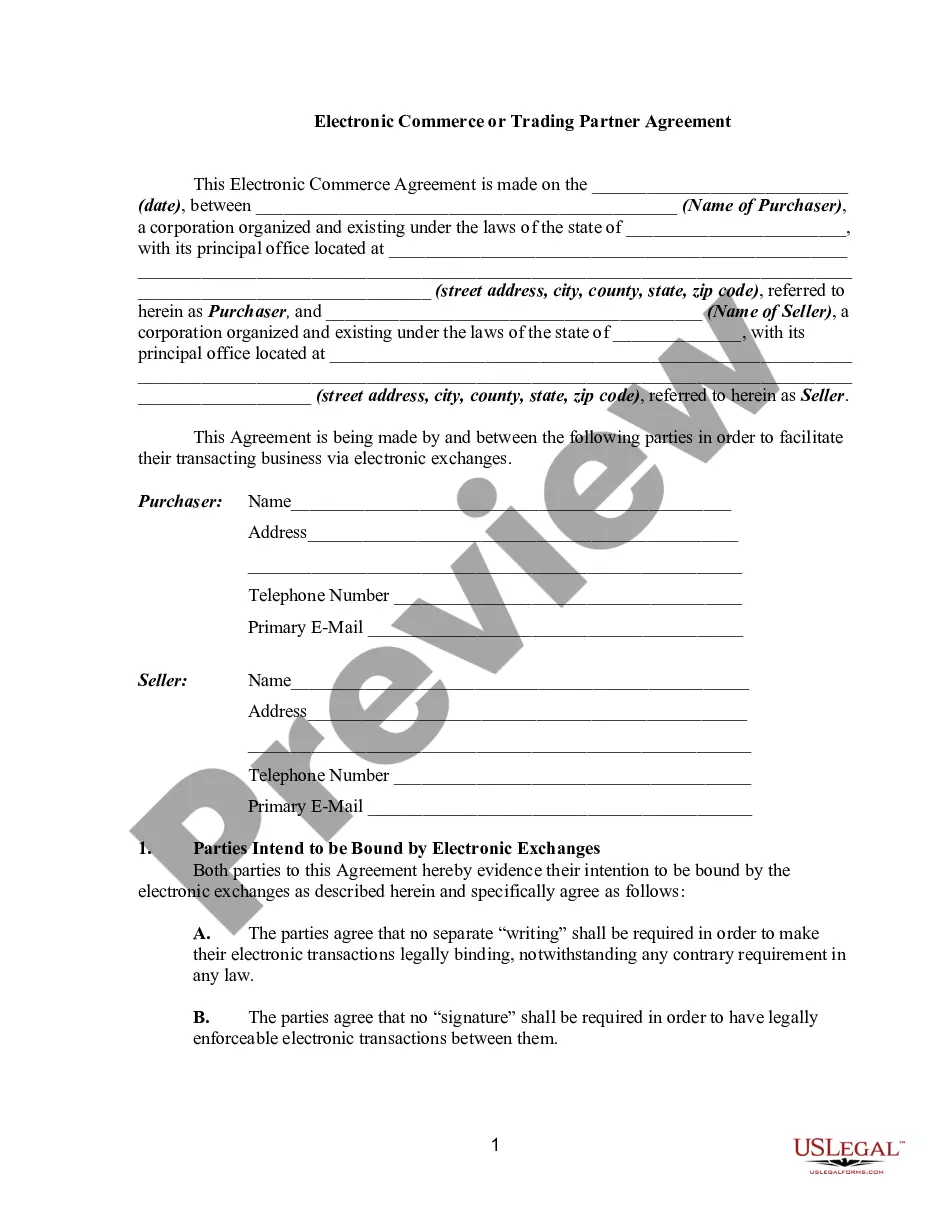
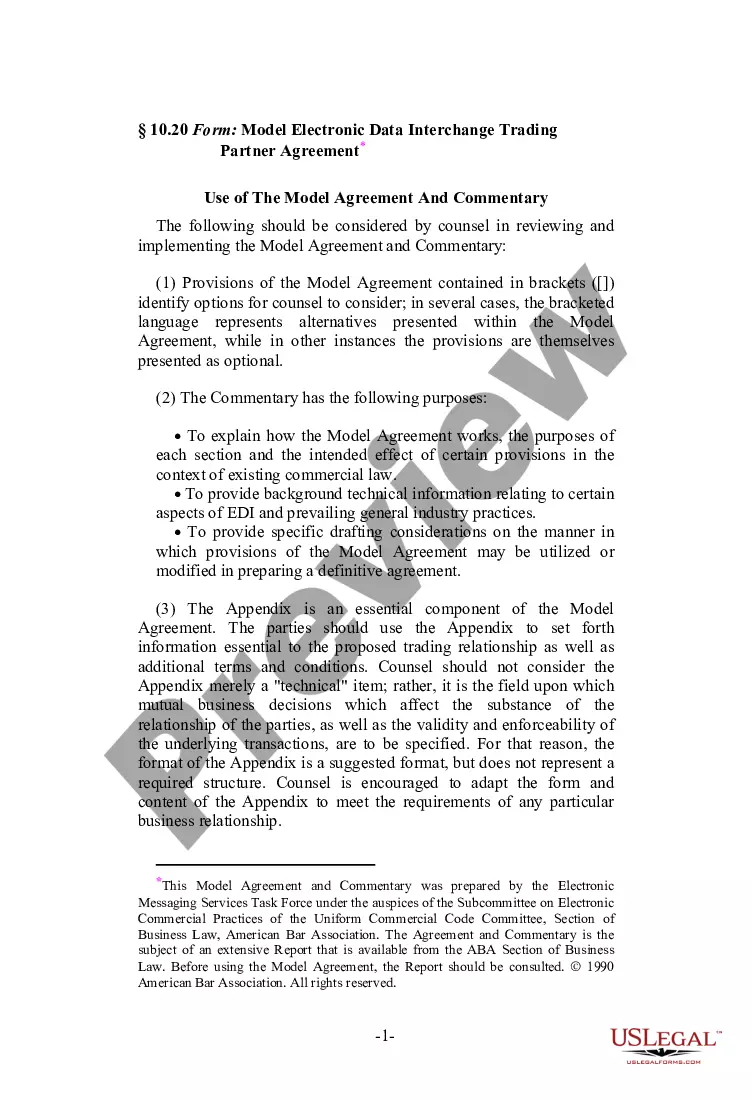

Get your form ready online
Our built-in tools help you complete, sign, share, and store your documents in one place.
Make edits, fill in missing information, and update formatting in US Legal Forms—just like you would in MS Word.
Download a copy, print it, send it by email, or mail it via USPS—whatever works best for your next step.
Sign and collect signatures with our SignNow integration. Send to multiple recipients, set reminders, and more. Go Premium to unlock E-Sign.
If this form requires notarization, complete it online through a secure video call—no need to meet a notary in person or wait for an appointment.
We protect your documents and personal data by following strict security and privacy standards.

Make edits, fill in missing information, and update formatting in US Legal Forms—just like you would in MS Word.

Download a copy, print it, send it by email, or mail it via USPS—whatever works best for your next step.

Sign and collect signatures with our SignNow integration. Send to multiple recipients, set reminders, and more. Go Premium to unlock E-Sign.

If this form requires notarization, complete it online through a secure video call—no need to meet a notary in person or wait for an appointment.

We protect your documents and personal data by following strict security and privacy standards.
Looking for another form?









Form popularity
FAQ
Start an Online eCommerce Business Choose your niche. Do your research. Choose your product and target market. Validate your product. Decide how you'll get your product. Write your business plan. Pick your business name and legal structure. Apply for your EIN, permits, and licenses.
If you're currently using Shopify or plan to do so once you launch your own business, you might be wondering if you need a business license for Shopify. Generally, you don't need a business license to sell on Shopify, but there are a few scenarios where you might.
What are the four traditional types of ecommerce? Some consider business-to-consumer (B2C), business-to-business (B2B), consumer-to-consumer (C2C), and consumer-to-business (C2B) the “four traditional” types of ecommerce.
Business-to-Business (B2B) Business-to-Consumer (B2C) Consumer-to-Consumer (C2C) Consumer-to-Business (C2B)
What are the 4 Areas of eCommerce? Online Retail (B2C) Online retail, or Business-to-Consumer (B2C) e-commerce, is perhaps the most familiar facet of this digital realm. Online Wholesale (B2B) ... Consumer-to-Consumer (C2C) Transactions. Consumer-to-Business (C2B) Interactions.
Business-to-Business (B2B) Business-to-Consumer (B2C) Consumer-to-Consumer (C2C) Consumer-to-Business (C2B)
Ecommerce is the electronic buying and selling of goods and services, usually via the internet. Businesses can build their own ecommerce website, set up an ecommerce storefront on an established selling site like Amazon, or do it all for a multi-channel approach.
Amazon was founded on July 5, 1994, by Jeff Bezos after he relocated from New York City to Bellevue, Washington, near Seattle, to operate an online bookstore.
Amazon is the Internet company with the highest revenue, at $469.82 billion in 2021.
The 4 Major E-Commerce Business Models Business-To-Consumer (B2C) Business-to-consumer refers to transactions in which a business sells its products or services to consumers. Business-To-Business (B2B) ... Consumer-To-Business (C2B) ... Consumer-To-Consumer (C2C)
