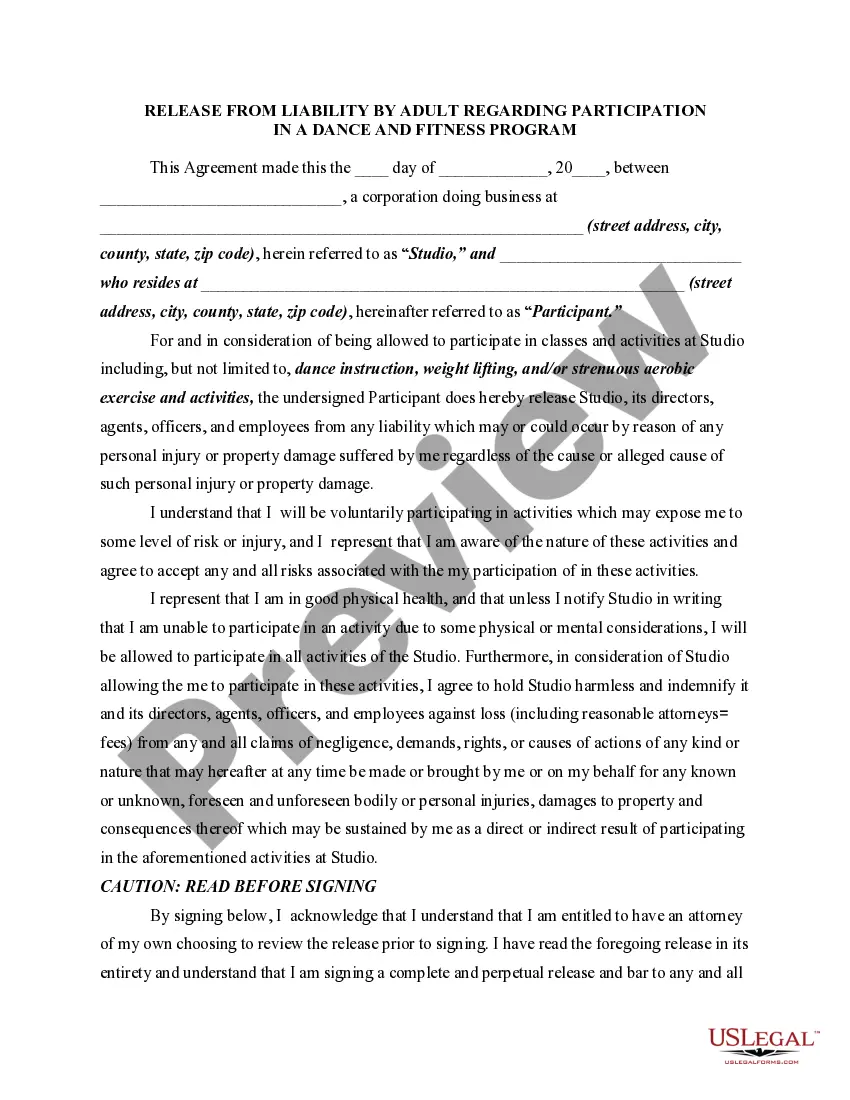
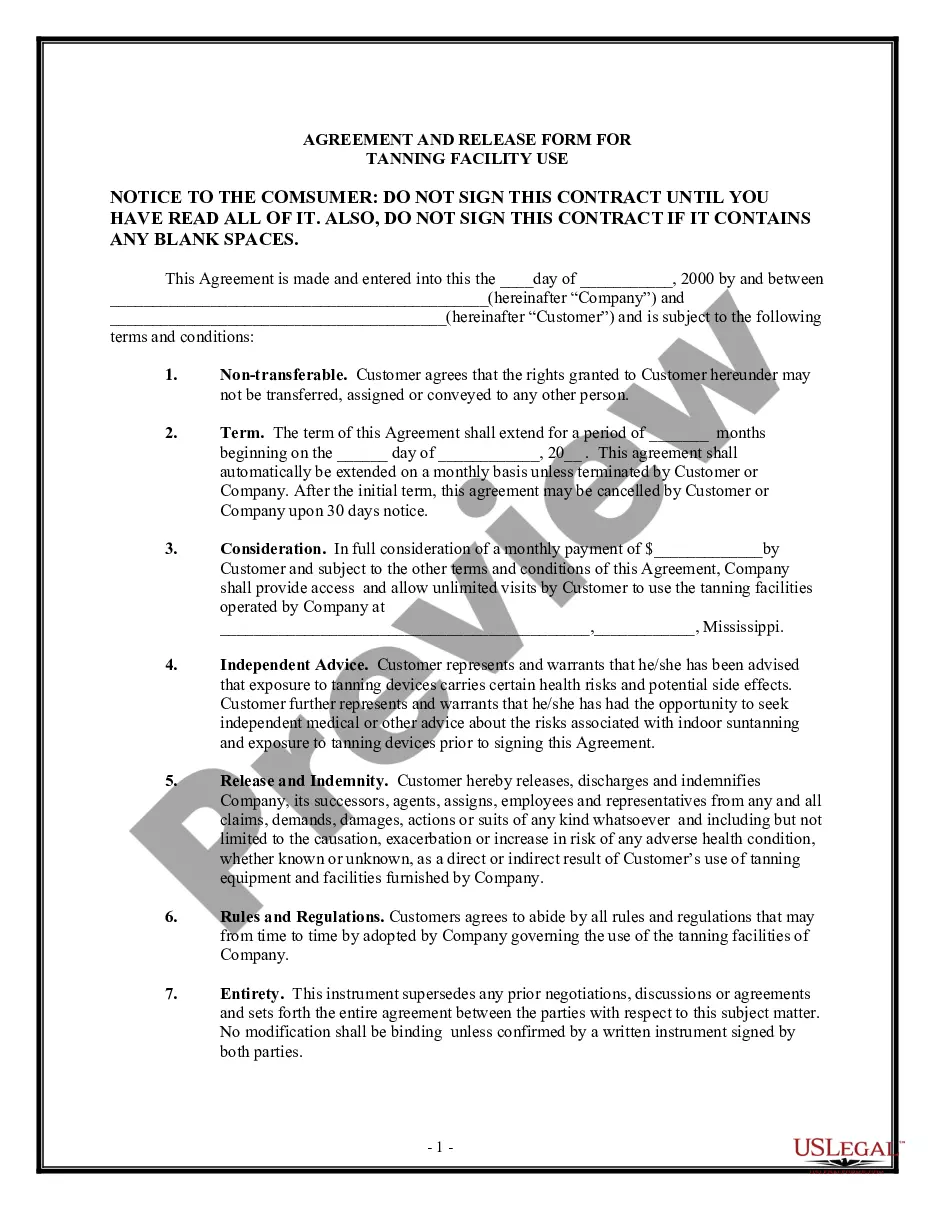
Personal Injury Release Agreement With Tenant In Fairfax
Description

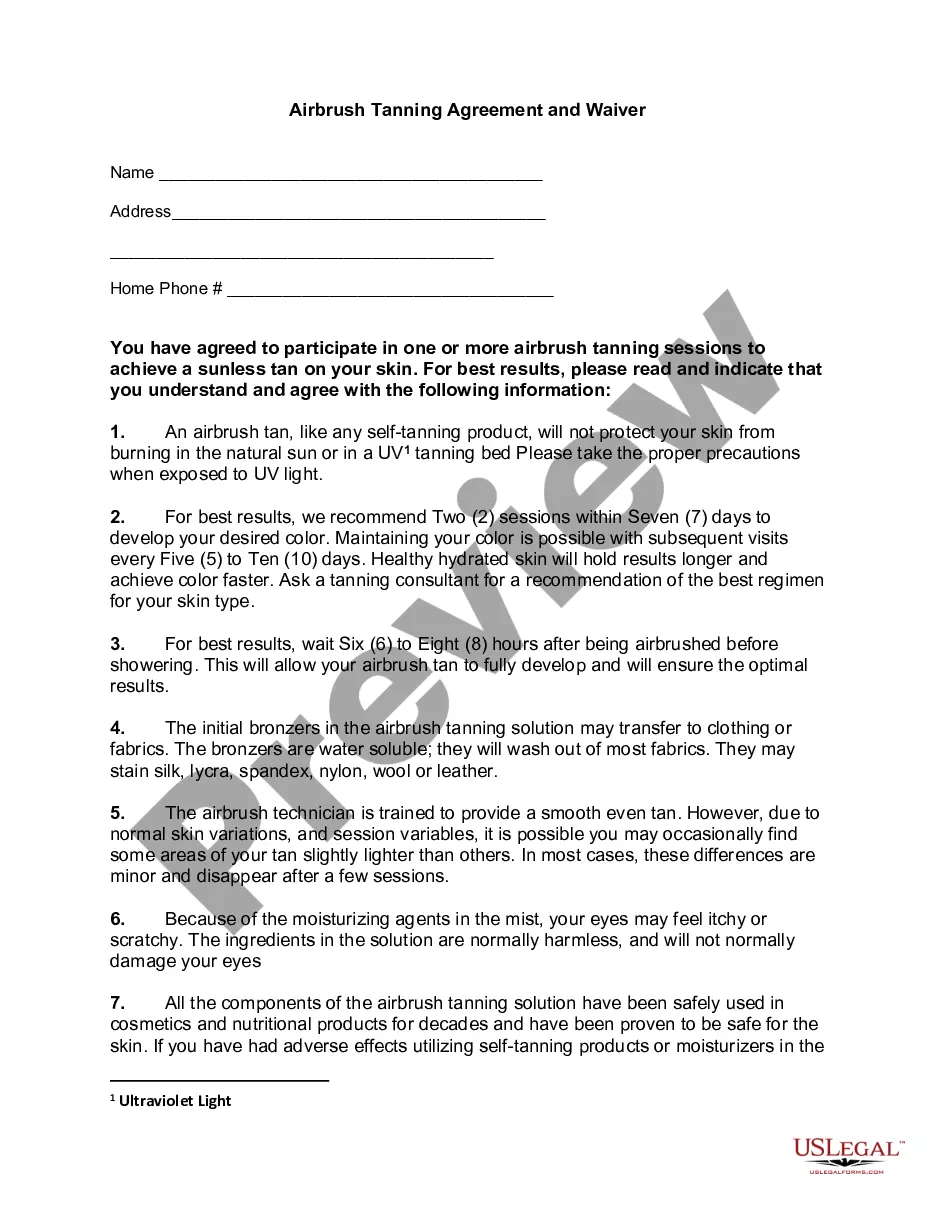
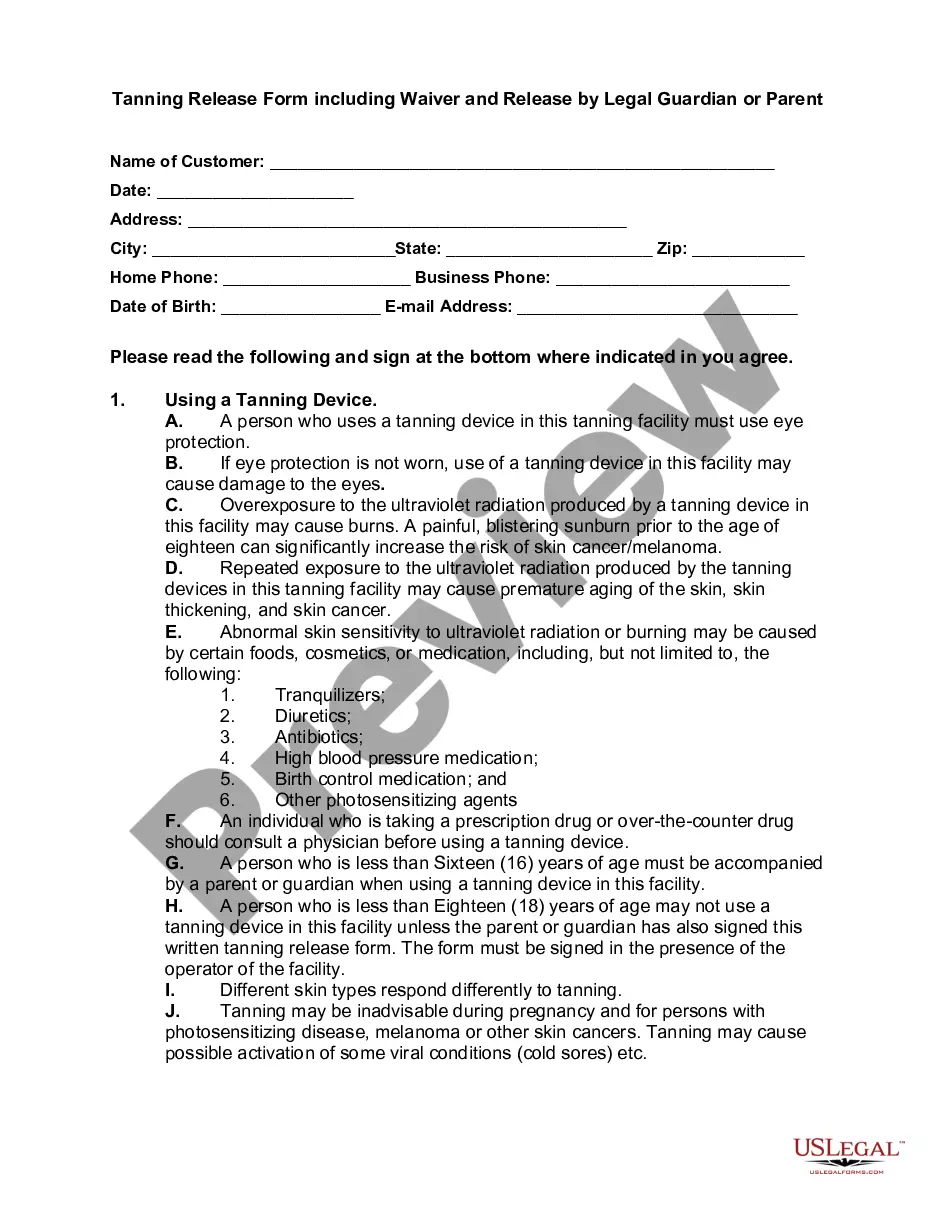
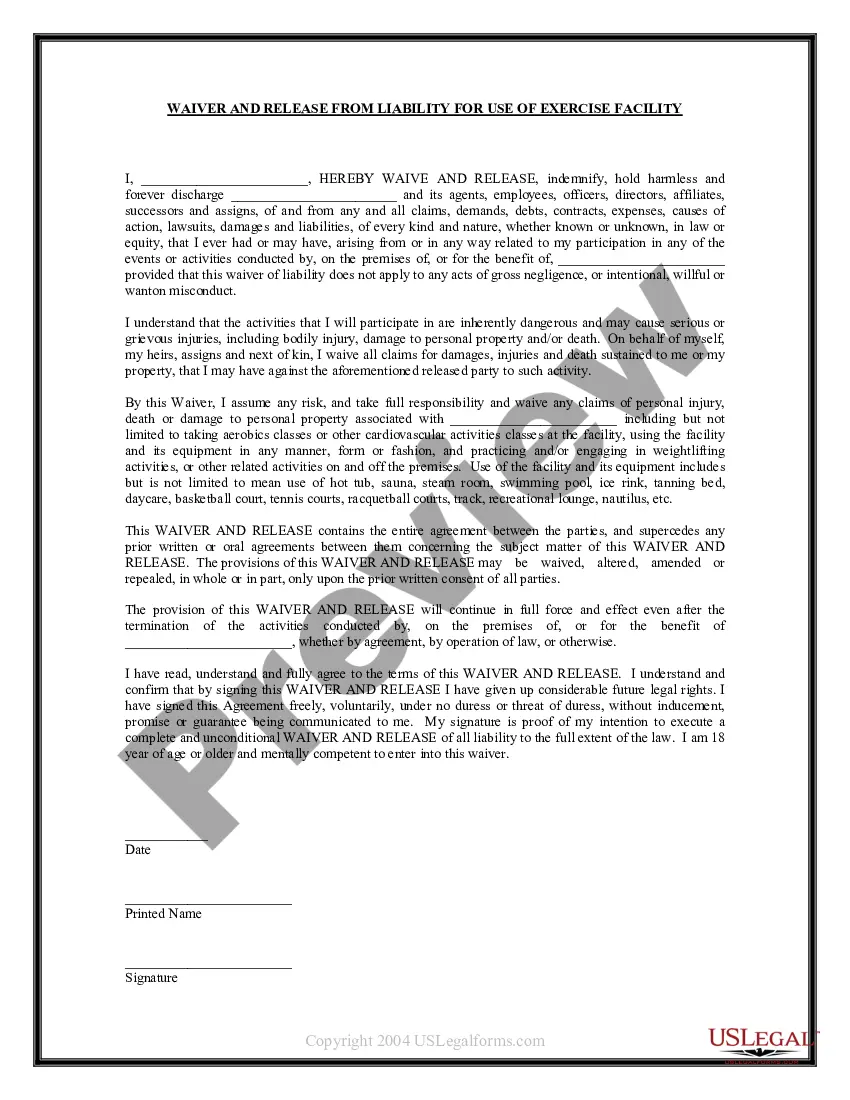
Get your form ready online
Our built-in tools help you complete, sign, share, and store your documents in one place.
Make edits, fill in missing information, and update formatting in US Legal Forms—just like you would in MS Word.
Download a copy, print it, send it by email, or mail it via USPS—whatever works best for your next step.
Sign and collect signatures with our SignNow integration. Send to multiple recipients, set reminders, and more. Go Premium to unlock E-Sign.
If this form requires notarization, complete it online through a secure video call—no need to meet a notary in person or wait for an appointment.
We protect your documents and personal data by following strict security and privacy standards.

Make edits, fill in missing information, and update formatting in US Legal Forms—just like you would in MS Word.

Download a copy, print it, send it by email, or mail it via USPS—whatever works best for your next step.

Sign and collect signatures with our SignNow integration. Send to multiple recipients, set reminders, and more. Go Premium to unlock E-Sign.

If this form requires notarization, complete it online through a secure video call—no need to meet a notary in person or wait for an appointment.

We protect your documents and personal data by following strict security and privacy standards.
Looking for another form?
Form popularity
FAQ
The security deposit and any deductions, damages, and charges shall be itemized by the landlord in a written notice given to the tenant, together with any amount due to the tenant, within 45 days after the termination date of the tenancy or the date the tenant vacates the dwelling unit, whichever occurs last.
State Laws: When a Guest Legally Becomes a Tenant StateRules on Guests Becoming Tenants Virginia No official cutoff. Landlord must specify in lease Washington No official cutoff. Landlord must specify in lease West Virginia No official cutoff. Landlord must specify in lease47 more rows •
Ing to Virginia landlord-tenant law, tenants have the right to live in a habitable unit that complies with proper housing regulations. Additionally, tenants have the legal right to request required repairs if the unit has any kind of damage that exceeds normal wear and tear.
Defining Terms. To begin, 'normal' or 'reasonable wear and tear' in rental properties is the expected deterioration of a rental property after several years. It is caused by tenants living in a rental unit. The longer the tenancy, the more ordinary wear and tear you can expect.
You can email us at GDCMail@fairfaxcounty.
If, at the beginning of the tenancy, a condition exists in a rental dwelling unit that constitutes a fire hazard or serious threat to the life, health, or safety of tenants or occupants of the premises, including an infestation of rodents or a lack of heat, hot or cold running water, electricity, or adequate sewage ...
In Virginia, landlord harassment is considered to be any action taken by a landlord that is intended to interfere with a tenant's right to quiet enjoyment of their rental property.
Following are the steps a landlord must take in the eviction process. STEP 1: Notice to Tenant. (Referred to herein as “Tenant" whether singular or plural) STEP 2: Summons for Unlawful Detainer. Va. STEP 3: Writ of Eviction in Unlawful Detainer Proceedings. Va. STEP 4: Eviction. There are two types of eviction:
Can You Sue Your Landlord? Pros. Enforcing your legal rights as a tenant. Cons. Illegal Clauses in the Rental Agreement. Security Deposit Violations. Violation of Your Quiet Enjoyment. Uninhabitable Premises. Injury From Landlord's Neglect. Reimbursement for Necessary Repairs.