Personal Injury Release With Renters Insurance In California
Description

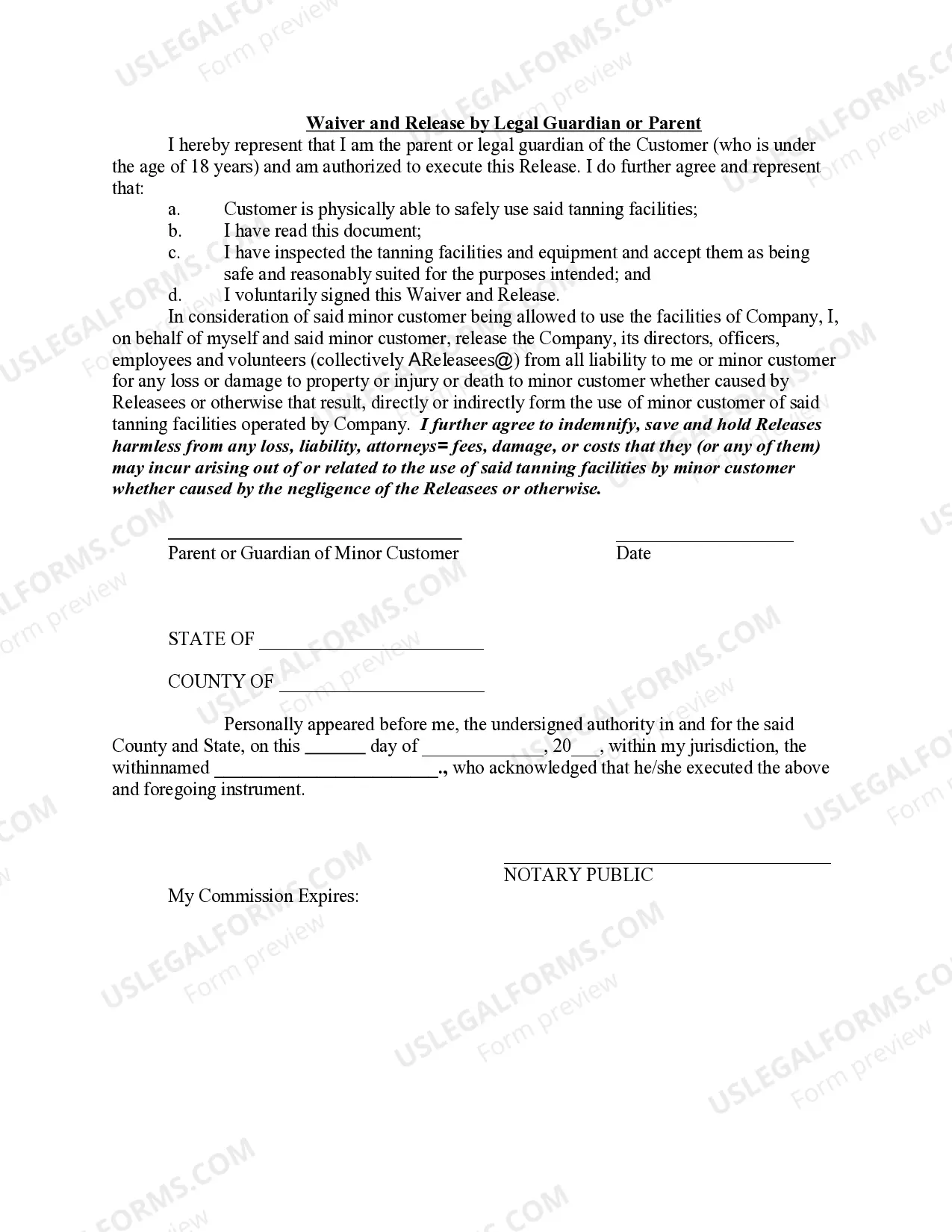
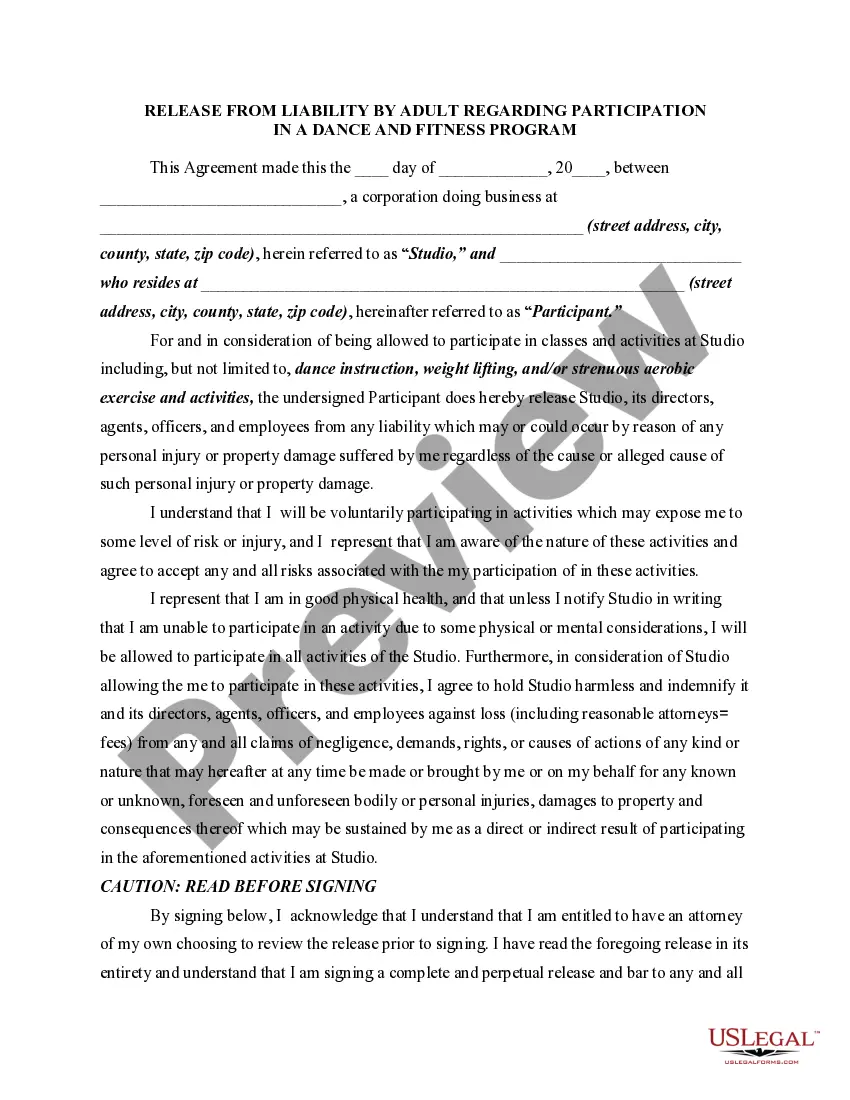
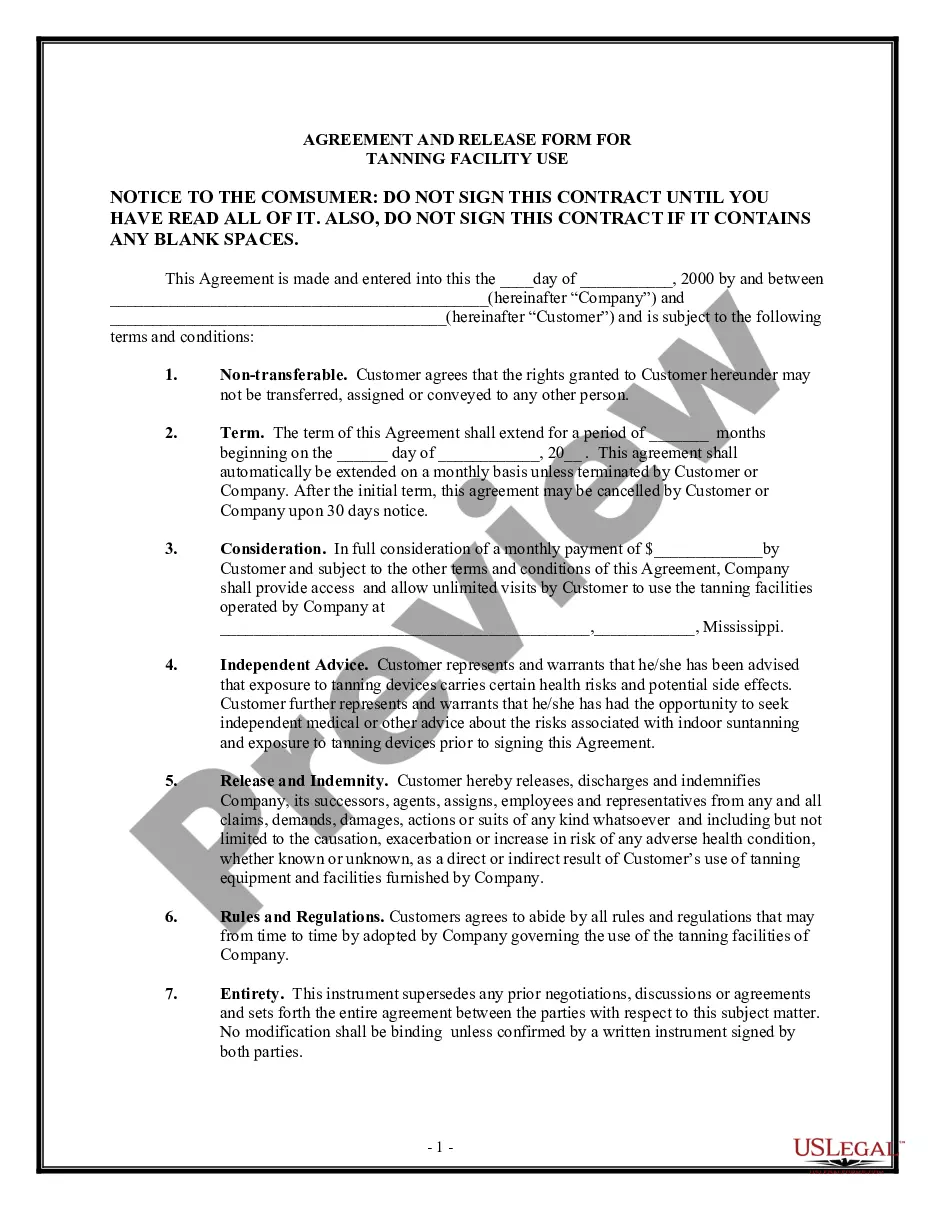
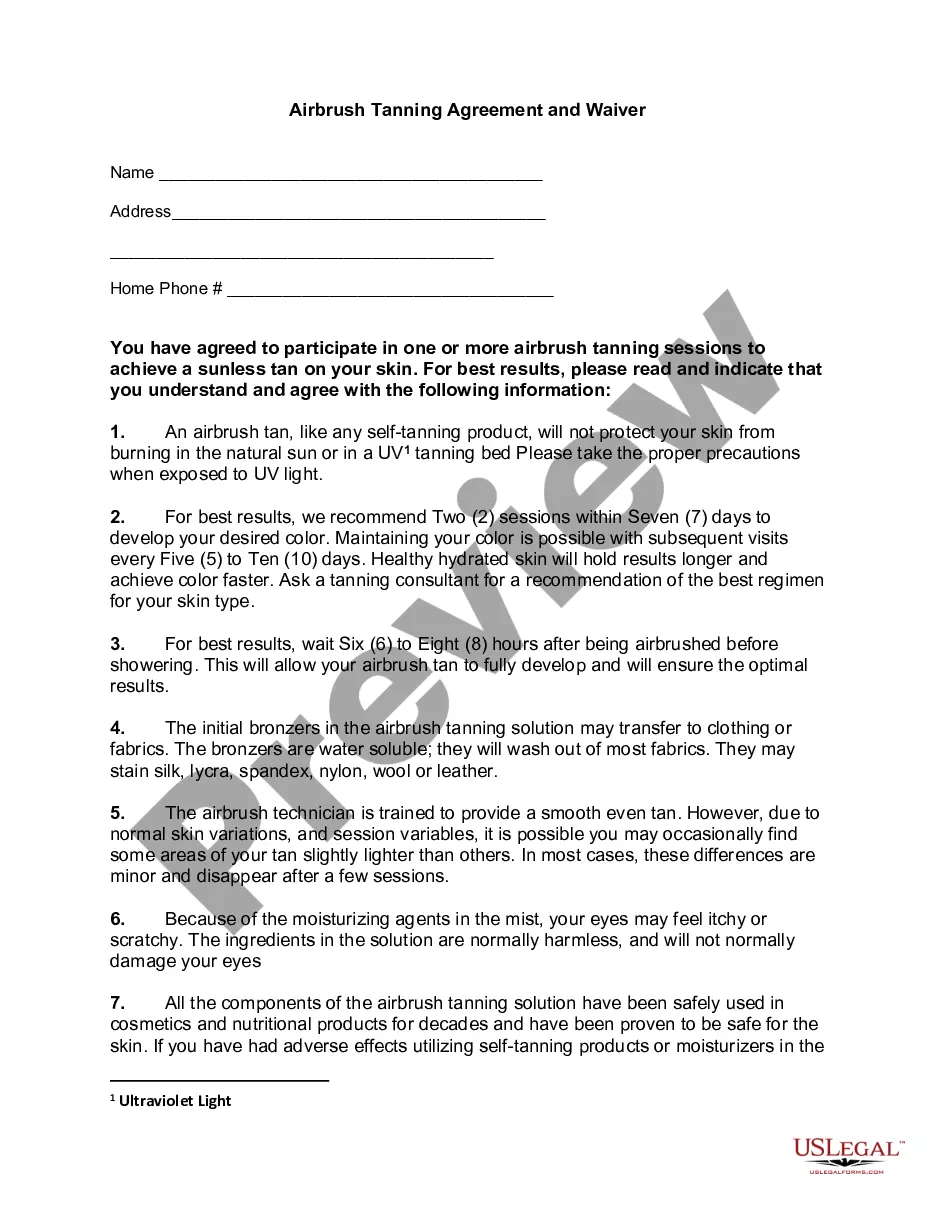
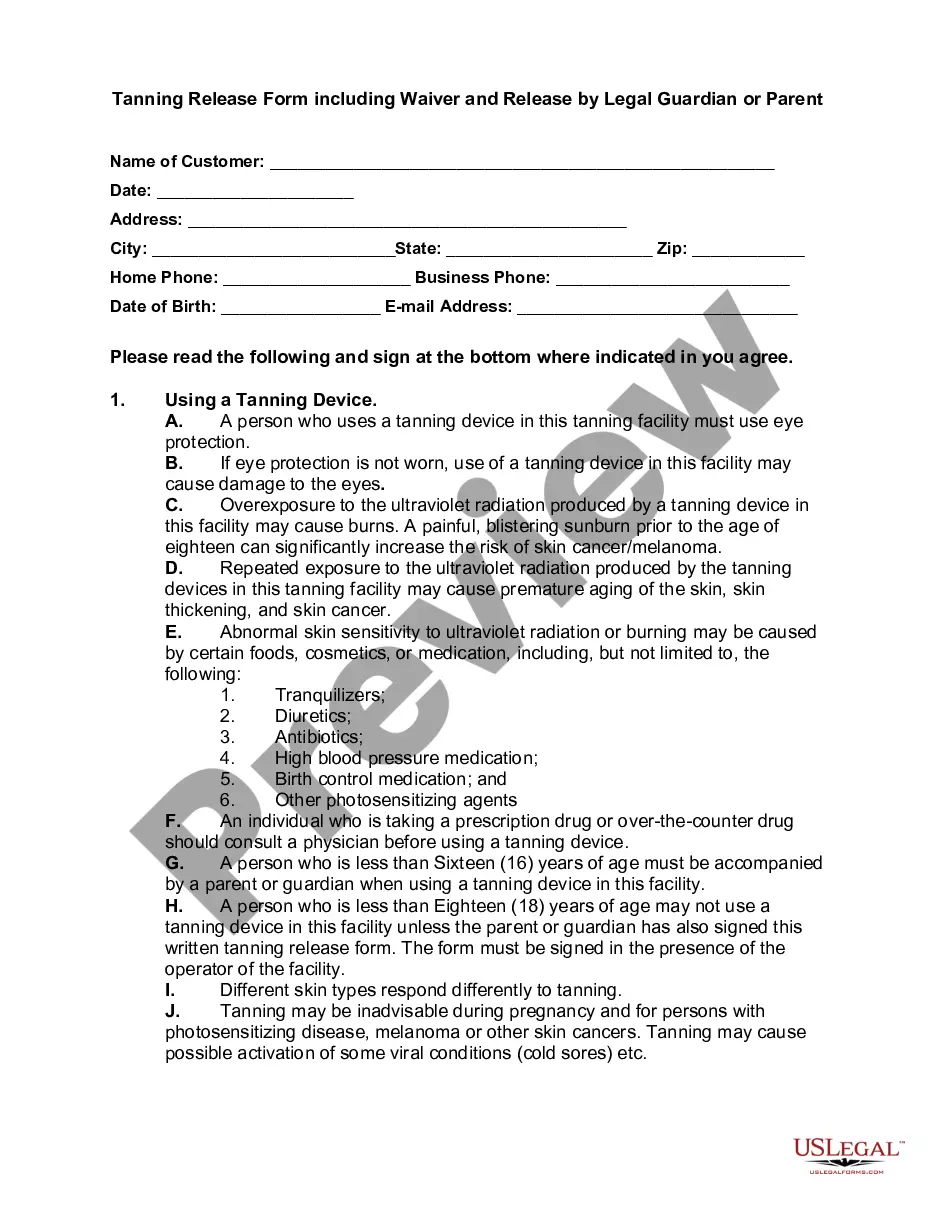
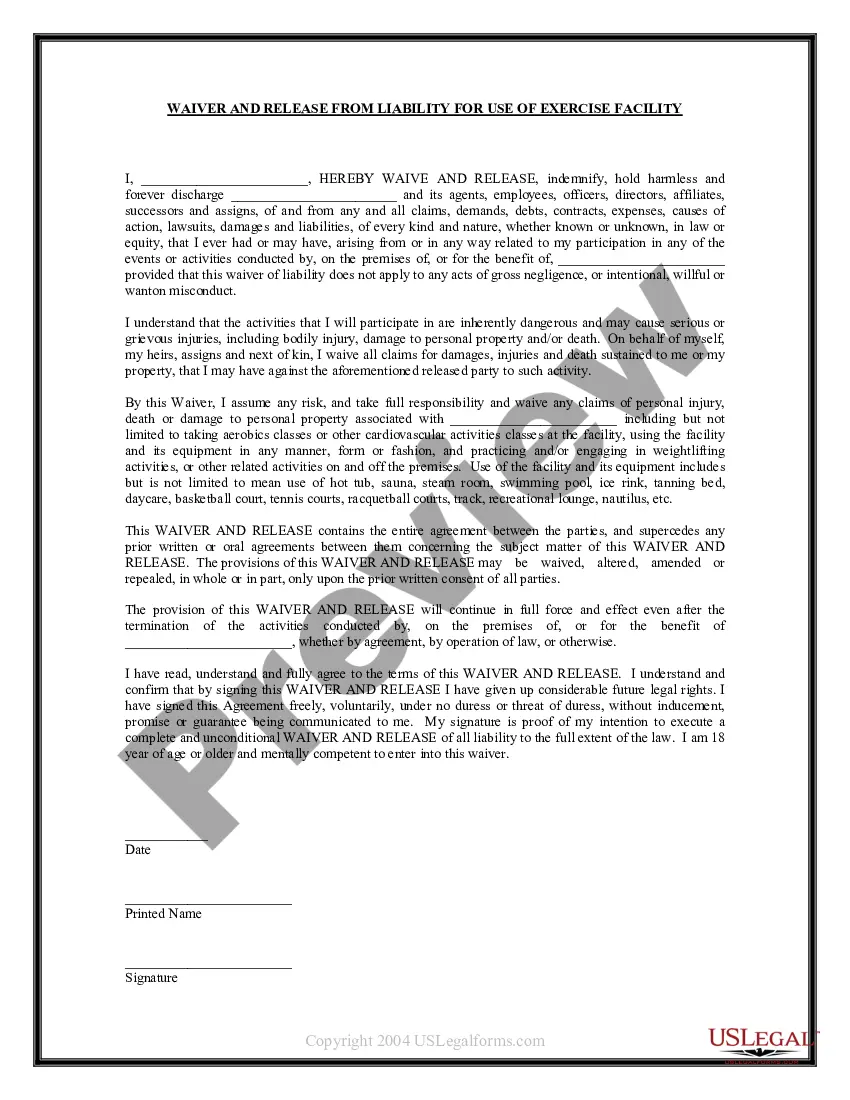
Get your form ready online
Our built-in tools help you complete, sign, share, and store your documents in one place.
Make edits, fill in missing information, and update formatting in US Legal Forms—just like you would in MS Word.
Download a copy, print it, send it by email, or mail it via USPS—whatever works best for your next step.
Sign and collect signatures with our SignNow integration. Send to multiple recipients, set reminders, and more. Go Premium to unlock E-Sign.
If this form requires notarization, complete it online through a secure video call—no need to meet a notary in person or wait for an appointment.
We protect your documents and personal data by following strict security and privacy standards.

Make edits, fill in missing information, and update formatting in US Legal Forms—just like you would in MS Word.

Download a copy, print it, send it by email, or mail it via USPS—whatever works best for your next step.

Sign and collect signatures with our SignNow integration. Send to multiple recipients, set reminders, and more. Go Premium to unlock E-Sign.

If this form requires notarization, complete it online through a secure video call—no need to meet a notary in person or wait for an appointment.

We protect your documents and personal data by following strict security and privacy standards.
Looking for another form?

Form popularity
FAQ
Standard renters insurance in California covers a wide range of perils, including fire, theft, vandalism, water damage from burst pipes or appliances, and certain natural disasters like lightning, windstorms, and hail. While renters insurance covers a lot of risks, there are some exclusions to be aware of.
Taking photos, saving receipts, and recording interactions with the insurance adjuster will strengthen your claim. Stay Organized: Keep all claim-related documents in one place. Legal teams can help you compile documents like medical bills, accident reports, and witness statements to present a strong case.
Renters insurance companies typically offer three options for renters liability coverage: $100,000, $300,000, and $500,000. Choose the limit that best protects your net worth.
Keep a claim journal and record who you talked to, when you called (date/time), what was said. Keep all of your paperwork organized and together. Keep notes on communications with your landlord as well. Once your claim is open, ask for an advance of your Coverage D, Loss or Use or Additional Living Expenses (ALE).
If you choose to proceed with your claim without an attorney, you will need to gather evidence, estimate your damages, file the claim, and negotiate with the insurance company for a settlement. You can review resources from the California Department of Insurance to help you start the process.
The Most Common Types of Personal Injury Cases Car Accidents. Motorcycle Accidents. Truck Accidents. Uber & Lyft Accidents. Pedestrian Accidents. Wrongful Deaths. Slip & Fall Accidents. Animal Bites and Attacks.
An injury claim is handled in the California civil court system if it's not work-related and if the damages total more than $10,000. Step 1: Establish legal standing. Step 2: Hire a lawyer. Step 3: Determine the venue for your lawsuit. Step 4: File your claim within the statute of limitations. Step 5: File your complaint.
Here is how the personal injury claim process works: Complete Your Medical Treatment. Submit Demand Package. Settlement of Claim. Compromise of Liens. Statute of Limitations. Lawsuit in Court. Mandatory Arbitration. Trial and Judgment. A court case can be settled at any stage by voluntary agreement of the parties.
