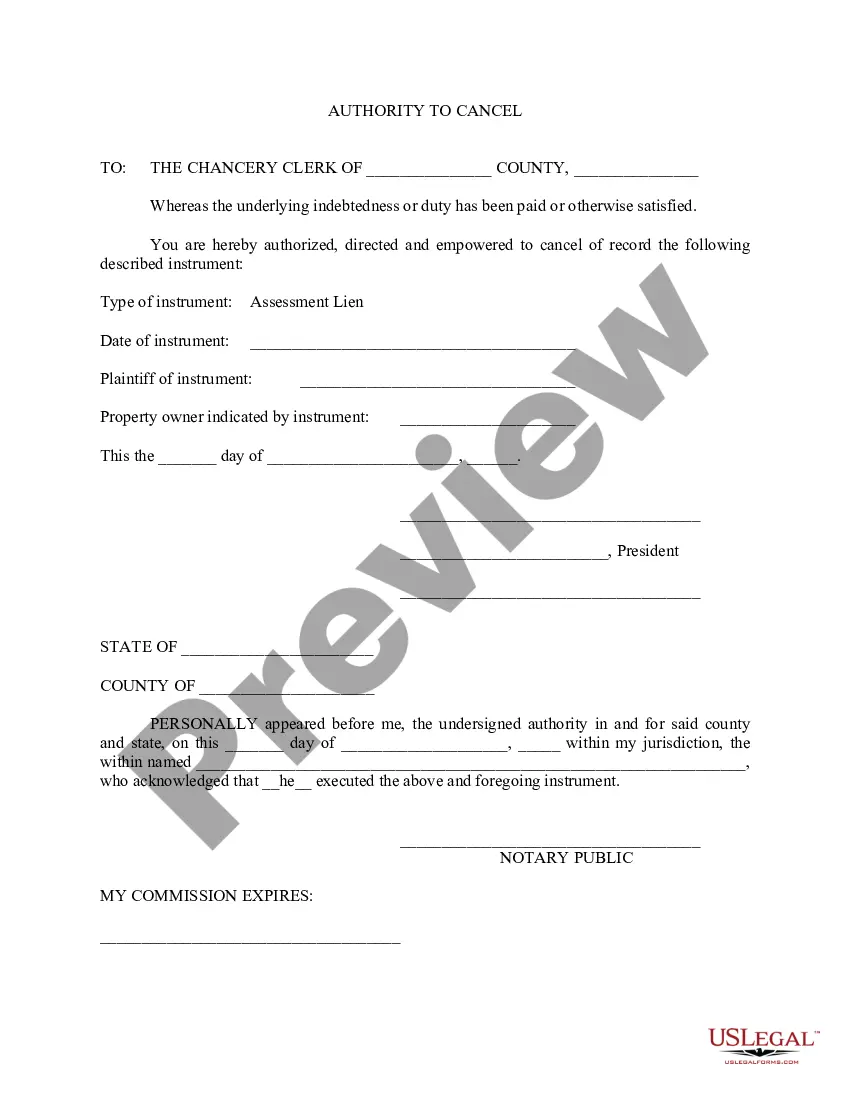
Indenture With Wax Seal In Orange
Description

Get your form ready online
Our built-in tools help you complete, sign, share, and store your documents in one place.
Make edits, fill in missing information, and update formatting in US Legal Forms—just like you would in MS Word.
Download a copy, print it, send it by email, or mail it via USPS—whatever works best for your next step.
Sign and collect signatures with our SignNow integration. Send to multiple recipients, set reminders, and more. Go Premium to unlock E-Sign.
If this form requires notarization, complete it online through a secure video call—no need to meet a notary in person or wait for an appointment.
We protect your documents and personal data by following strict security and privacy standards.

Make edits, fill in missing information, and update formatting in US Legal Forms—just like you would in MS Word.

Download a copy, print it, send it by email, or mail it via USPS—whatever works best for your next step.

Sign and collect signatures with our SignNow integration. Send to multiple recipients, set reminders, and more. Go Premium to unlock E-Sign.

If this form requires notarization, complete it online through a secure video call—no need to meet a notary in person or wait for an appointment.

We protect your documents and personal data by following strict security and privacy standards.
Looking for another form?








Form popularity
FAQ
These are are legal contracts entirely written by hand on Vellum, which is a sort of parchment prepared from the skins of very young or still-born animals mainly calf, sheep goat. Some include large double sheets and each have wax seal and stamps.
Why are indentures important? Indentures play a crucial role in providing structure and legal backing to financial and legal agreements. They ensure that all parties involved understand their rights, obligations, and the conditions under which the agreement is valid.
The Indenture pledges certain revenues as security for repayment of the Bonds. The Trustee agrees to act on behalf of the holders of the Bonds and to represent their interests.
The indenture has the following information: The name of the issuer. All the terms of a bond issue such as the type of bond. Its features such as the principal value, coupon rate, dates when interest payments will be made, and maturity date. Issuer's obligations. Bondholders' rights. If the bonds are secured or not.
It specifies the important features of a bond, such as its maturity date, the timing of interest payments, method of interest calculation, callability, and convertible features, if applicable. A bond indenture also contains all the terms and conditions applicable to the bond issue.
The terms of the Indenture are tailored to reflect the specific type of transaction and issuer. Like credit agreements,1 an Indenture contains lending and repayment terms. In contrast to credit agreements, however, the lender is not a party to an Indenture.
An indenture is a legal and binding contract usually associated with bond agreements, real estate, or bankruptcy. An indenture provides detailed information on terms, clauses, and covenants. There can be a few different types of indentures and many different types of indenture clauses.
The Indian indenture system was finally banned in 1917.
The value of an indentured document can vary immensely based on several factors: Age: Older documents, especially those from the 16th and 17th centuries, tend to be more valuable than their newer counterparts.
The value of an indentured document can vary immensely based on several factors: Age: Older documents, especially those from the 16th and 17th centuries, tend to be more valuable than their newer counterparts.