Cancellation Lease Template For House In Salt Lake
Description

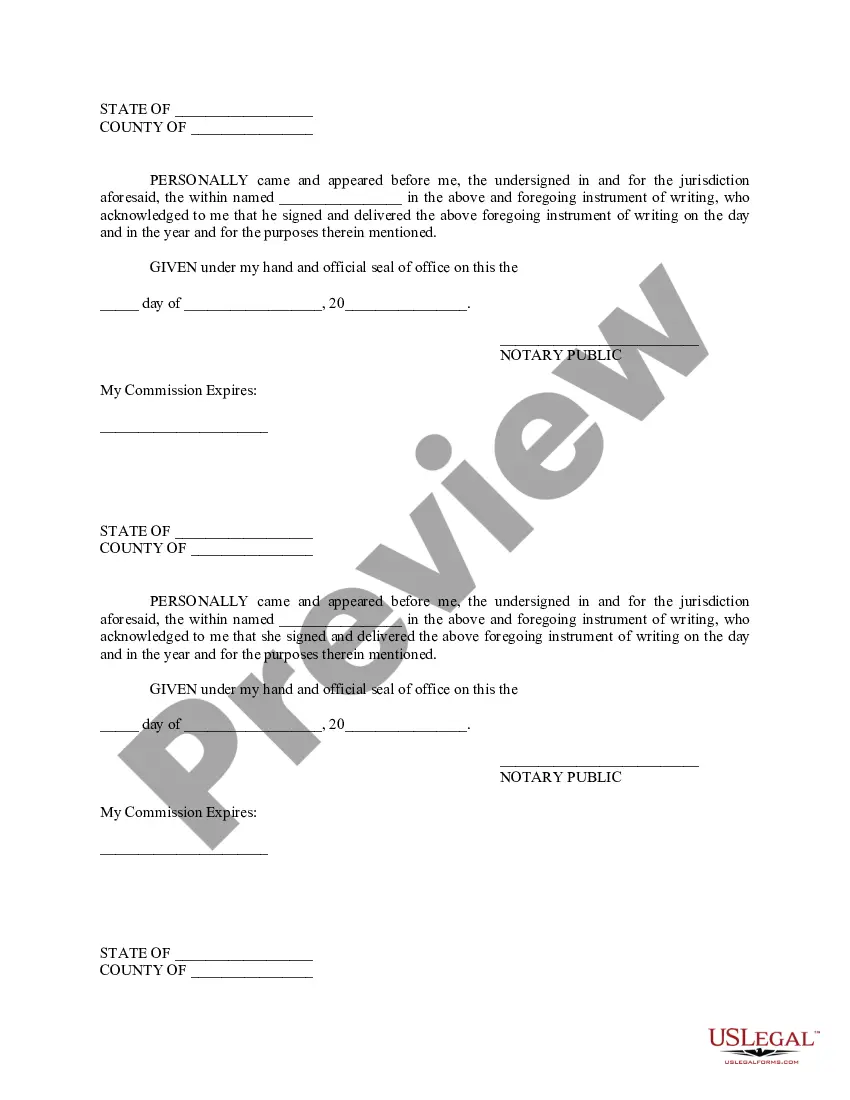
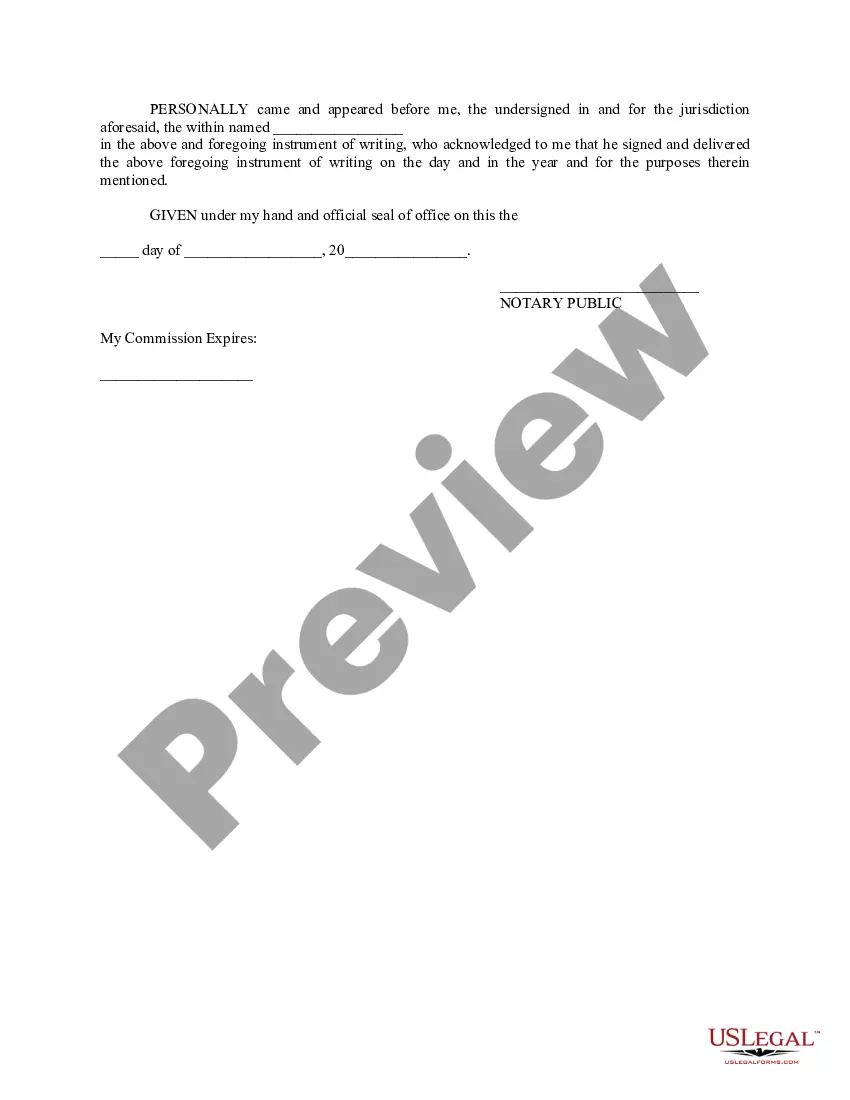
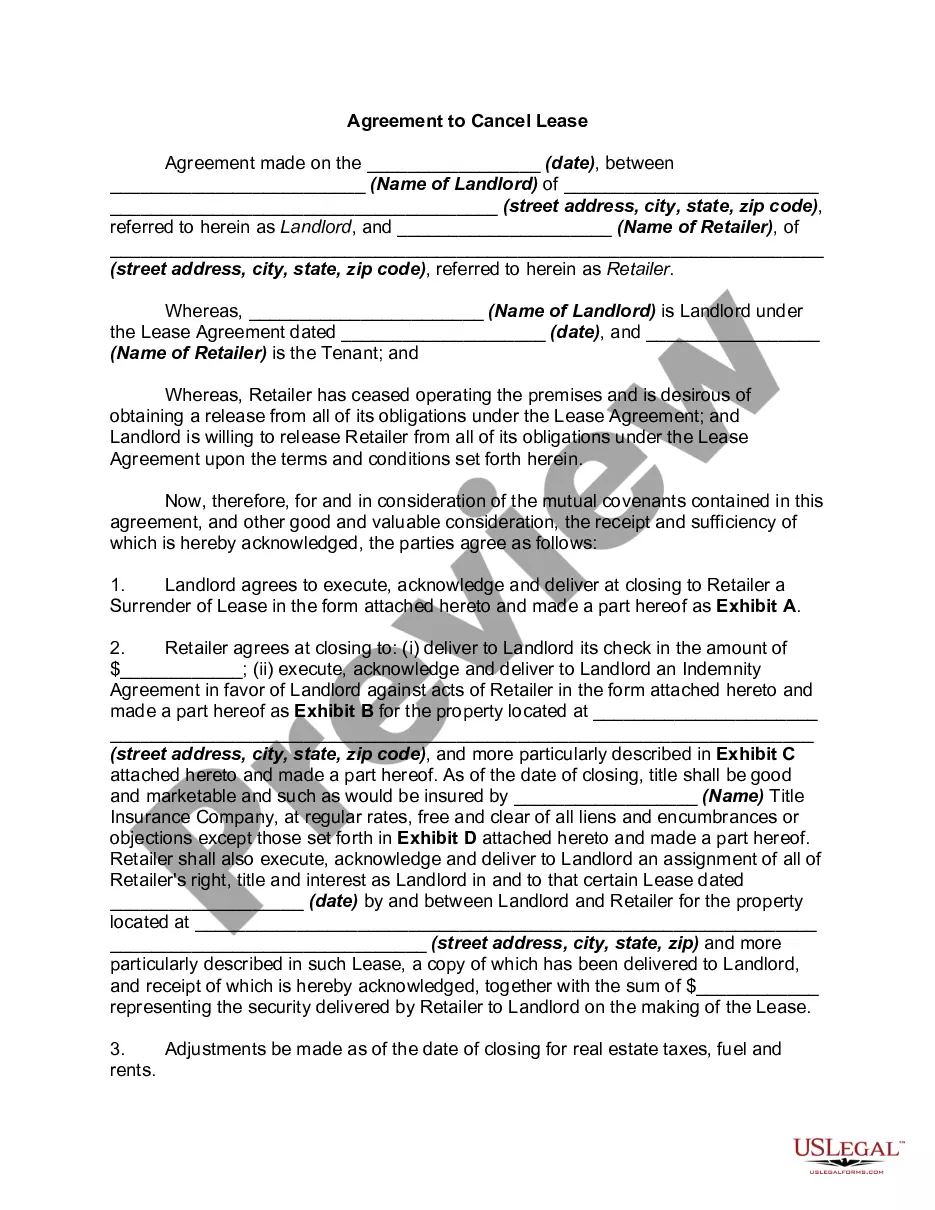
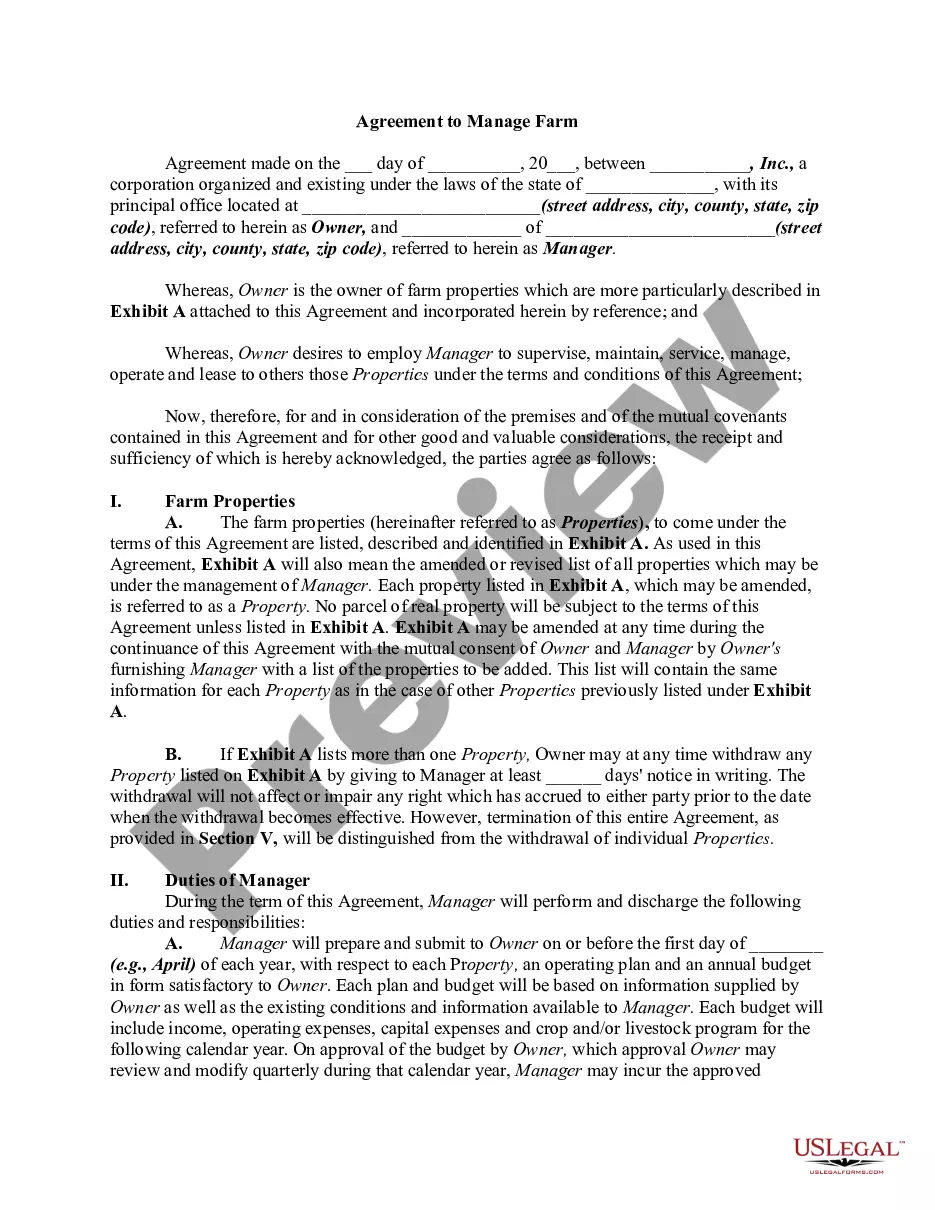
Get your form ready online
Our built-in tools help you complete, sign, share, and store your documents in one place.
Make edits, fill in missing information, and update formatting in US Legal Forms—just like you would in MS Word.
Download a copy, print it, send it by email, or mail it via USPS—whatever works best for your next step.
Sign and collect signatures with our SignNow integration. Send to multiple recipients, set reminders, and more. Go Premium to unlock E-Sign.
If this form requires notarization, complete it online through a secure video call—no need to meet a notary in person or wait for an appointment.
We protect your documents and personal data by following strict security and privacy standards.

Make edits, fill in missing information, and update formatting in US Legal Forms—just like you would in MS Word.

Download a copy, print it, send it by email, or mail it via USPS—whatever works best for your next step.

Sign and collect signatures with our SignNow integration. Send to multiple recipients, set reminders, and more. Go Premium to unlock E-Sign.

If this form requires notarization, complete it online through a secure video call—no need to meet a notary in person or wait for an appointment.

We protect your documents and personal data by following strict security and privacy standards.
Looking for another form?








Form popularity
FAQ
A gross lease, also known as a full-service lease, is the most common type of commercial lease agreement. In this type of lease, the lessee is responsible for paying the base rent and the lessor generally handles any other building expenses, such as utilities, maintenance costs, taxes, and insurance.
Most lease agreements require tenants to provide a specific notice period before terminating the lease. This notice period can vary, typically ranging from 30 to 90 days. Ensure that you give your landlord ample notice in ance with the terms of your lease.
How to Write One Full names of the parties involved in the lease agreement. Termination date of the lease. Full address of the property. (If applicable) The reason why you chose to terminate the lease agreement. Landlord's signature and printed name. The current date and method of notice delivery.
Most lease agreements require tenants to provide a specific notice period before terminating the lease. This notice period can vary, typically ranging from 30 to 90 days. Ensure that you give your landlord ample notice in ance with the terms of your lease.
A lease can be terminated in a number of ways, but most frequently, a lease or rental agreement is terminated by expiration of the lease's term OR by mutual consent.
The most common way to end a lease is by providing the notice required in a Lease Agreement or by state or local law. Tenants use a Tenant Notice of Intent to Move, while landlords use a Landlord's Notice of Non-Renewal.
If you're on a month-to-month lease, you usually must give one month's notice before you can stop paying rent. Unless the lease says otherwise, the notice can provide for termination on any day of the month, if the date of termination is at least one month from the date of the notice.
Ing to Utah landlord-tenant laws, these are the nine justified reasons for a tenant to break a lease early in this state: Active Military Duty. Early Termination Clause. Uninhabitable Living Conditions. Tenant Death. Mental or Physical Disability. Additional Reasons.
An early termination clause allows tenants to break the lease early by giving 30-60 days written notice beforehand. Many landlords also add a mutual termination clause so that any lease can be terminated early as long as both parties agree to it.
You should say something like: “I am giving 1 month's notice to end my tenancy, as required by law. I will be leaving the property on (date xx). I would like you to be at the property on the day I move out to check the premises and for me to return the keys.
